
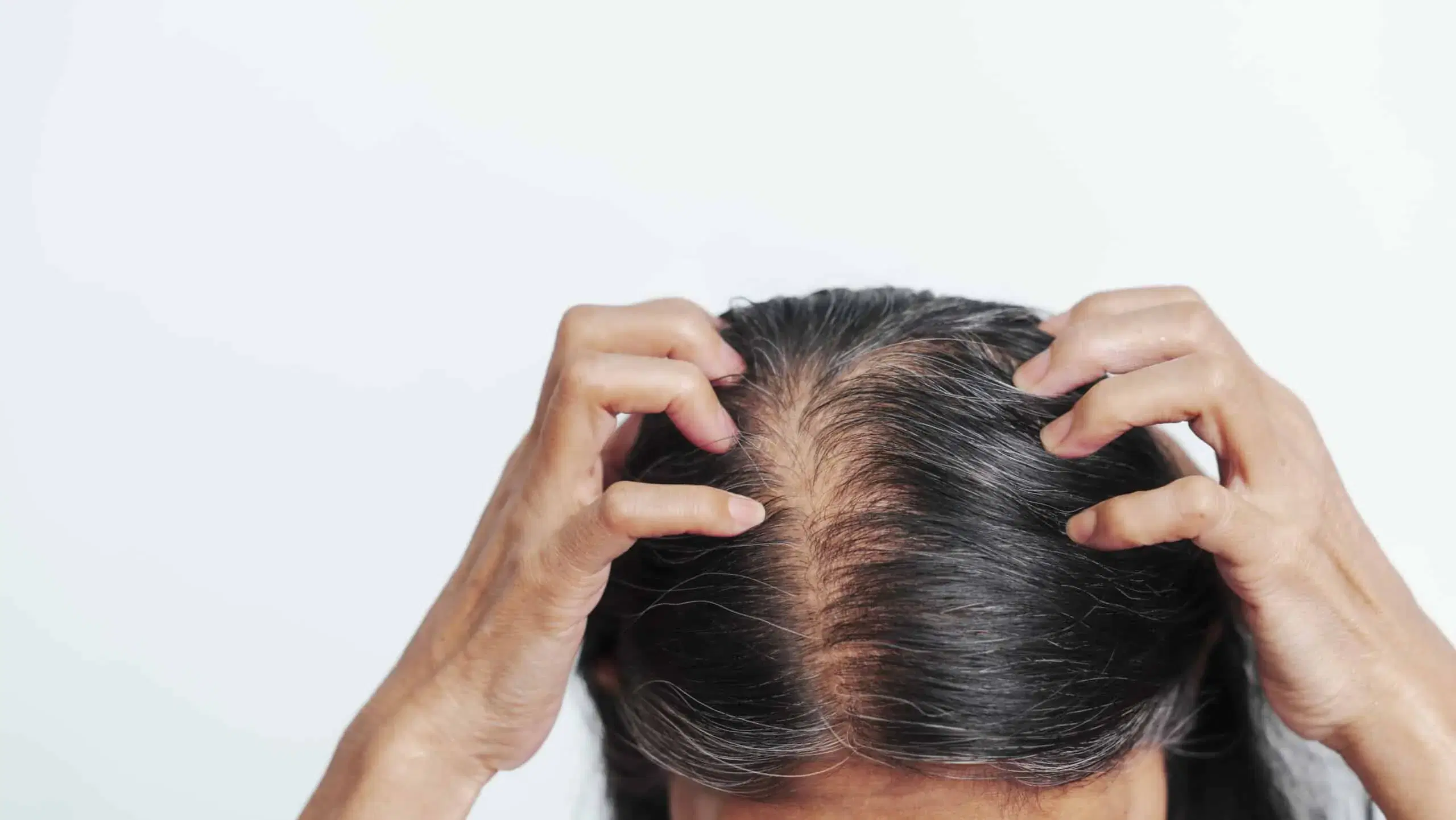
Can Hard Water Cause Hair Loss?
Hard water is more likely to cause dryness, buildup, roughness, and hair breakage than true permanent hair loss from the follicle. Minerals such as calcium and magnesium can accumulate on the hair surface and make strands harder to manage.
As the shaft becomes drier and less flexible, it may snap more easily during brushing, washing, or styling. This can make the hair look thinner even when follicles remain active.
Hard water may also aggravate scalp dryness or irritation in some people. However, ongoing shedding from the root usually deserves evaluation for other causes rather than being blamed on water hardness alone.
What Is Hard Water?
Hard water contains relatively high amounts of dissolved minerals, especially calcium and magnesium, that enter water as it passes through rock and soil. These minerals are not usually dangerous for washing, but they can affect how water interacts with hair and cleansers.
Mineral-rich water can leave deposits on bathroom surfaces, showerheads, skin, and hair over time. The same buildup can make hair feel coated or difficult to rinse clean.
Water hardness differs greatly by location. Two homes in the same region can also have different mineral levels depending on the local supply and plumbing system.
How Does Hard Water Affect Hair?
Hard water can leave mineral deposits on the hair shaft, making strands feel rougher, heavier, drier, and less flexible over time. This coating can interfere with the smooth surface of the cuticle and reduce softness.
Hair may then tangle more easily and require more friction during washing or brushing. Repeated mechanical stress can gradually increase breakage, especially in already damaged hair.
The effect is usually cosmetic and structural rather than a direct injury to the follicle. Hair that feels coated, stiff, dull, or unusually difficult to detangle may be showing the effects of mineral accumulation.
Can Hard Water Cause Hair Breakage?
Hard water can contribute to hair breakage by increasing dryness, roughness, and friction along the hair shaft. Mineral deposits can make strands less flexible, so they snap more easily during brushing, heat styling, or detangling.
Breakage often creates short, uneven hairs rather than full-length strands with a visible root bulb. This distinction matters because breakage can look like thinning without representing true follicle-level hair loss.
Bleached, chemically treated, very long, or naturally dry hair may show damage sooner. Reducing mineral buildup and improving conditioning can help limit this type of mechanical breakage.
Can Hard Water Damage Hair Follicles?
Hard water does not have strong evidence showing that it directly destroys healthy hair follicles or permanently stops them from producing hair. Most reported effects involve the hair shaft and scalp surface rather than deep follicular structures.
Mineral buildup can still make the scalp feel dry, tight, or irritated, especially when combined with harsh shampooing or frequent washing. Persistent inflammation from another scalp condition can affect hair growth, but that is a different mechanism.
If hair is shedding from the root for several months, causes such as genetics, stress, thyroid problems, nutrition, or illness usually deserve more attention.
Can Hard Water Make Hair Thinner?
Hard water can make hair appear thinner when repeated breakage reduces strand length and overall visual density. The hair may lose shine and volume as mineral buildup changes texture and makes strands cluster together.
This effect can be especially noticeable around the ends and areas exposed to frequent brushing. Broken hairs can create uneven lengths that make the style look less full.
True progressive thinning at the crown, temples, or hairline usually points toward follicular causes rather than water hardness alone. The pattern of thinning therefore provides an important clue about what is actually happening.
Can Hard Water Cause More Shedding in the Shower?
Hard water may make it seem as though more hair is being lost in the shower because rough strands tangle and break more easily during washing. Some of the hairs seen in the drain may therefore be broken shafts rather than complete hairs shed from the root.
Mineral buildup can also make shampoo harder to rinse, encouraging more rubbing and manipulation. That extra friction can increase breakage.
A full-length hair with a small bulb at one end is more consistent with shedding. Short fragments of different lengths suggest breakage, which fits more closely with hard water damage.
Does Hard Water Cause a Dry Scalp?
Hard water can contribute to scalp dryness by leaving mineral residue behind and making cleansing products harder to rinse away completely. This combination may disturb the comfortable balance of the scalp surface.
People may notice tightness, fine flaking, or increased sensitivity after repeated washing. Hot water and strong shampoos can intensify the problem because they remove more surface oils.
Dryness alone does not necessarily mean the scalp is unhealthy enough to cause hair loss. Persistent scaling, redness, pain, or thick flakes may instead suggest dermatitis or another scalp condition that needs separate attention.
Can Hard Water Cause an Itchy Scalp?
Hard water can contribute to an itchy scalp when mineral residue, dryness, or incomplete shampoo rinsing irritates the skin surface. The itching often appears together with tightness, dryness, or visible residue.
Scratching can make the scalp more inflamed and can also break hairs close to the skin. This creates additional damage without necessarily affecting the follicles themselves.
Ongoing itching accompanied by greasy flakes, redness, sores, or persistent scaling is less likely to be explained by hard water alone. Conditions such as dandruff or inflammatory scalp disease can produce similar symptoms and may require different care.
Can Mineral Buildup Make Hair Look Dull?
Mineral buildup can make hair look dull because deposits on the cuticle reduce smooth light reflection and leave the surface feeling coated. Hair may lose its usual shine even when it remains structurally intact.
The buildup can also make strands feel heavy or stiff, which reduces movement and makes the hair appear flatter. Styling products may then accumulate more easily because they do not rinse away as cleanly.
Dullness caused by mineral residue often improves after appropriate buildup removal and conditioning. This change supports a surface problem rather than permanent damage to the follicle.
Does Hard Water Make Shampoo Less Effective?
Hard water can make shampoo feel less effective because calcium and magnesium can interfere with how cleansers lather and rinse. People may respond by using more shampoo or washing more aggressively.
That pattern can increase dryness and friction, especially when strong cleansers are used frequently. Hair can then feel both coated and stripped at the same time.
Using more product does not always solve the problem because mineral residue can remain attached to the hair. Occasional buildup removal and a gentler washing routine may work better than repeatedly increasing shampoo strength.
Can Hard Water Make Curly Hair More Fragile?
Hard water can make curly hair more fragile because curls naturally experience more friction and often require greater moisture to remain flexible. Mineral buildup can increase roughness and make detangling more difficult.
As tangles increase, more pulling is needed during washing and styling, which raises the risk of snapping. Curly and coily hair can therefore show breakage earlier than straighter hair under the same conditions.
The main concern is usually shaft damage rather than follicle loss. Maintaining moisture, reducing buildup, and minimizing aggressive detangling can help preserve curl strength and length.
Can Hard Water Affect Color-Treated Hair?
Hard water can make color-treated hair feel rougher and may contribute to faster loss of brightness because mineral deposits interact with an already altered hair shaft. Bleaching and coloring increase porosity, which can make damaged strands more vulnerable to buildup.
The combination may produce dryness, tangling, dullness, and increased breakage. Lightened hair can show these effects more quickly because the cuticle has already experienced chemical stress.
Hard water does not necessarily remove color by itself, but repeated mineral exposure can change how the color looks. Appropriate conditioning and periodic buildup removal can improve texture and appearance.
How Can You Tell If Hard Water Is Damaging Your Hair?
Hard water damage usually appears as a combination of buildup, roughness, dryness, tangling, and breakage rather than a clear pattern of root-level hair loss. Changes often become more noticeable after moving to an area with harder water.
Common signs include:
Hair that feels coated after washing
Increased tangling
Dry or rough texture
Loss of shine
More short broken hairs
Shampoo that lathers poorly
Mineral scale around faucets or showerheads
Improved texture after chelating care
These signs suggest water-related damage but do not prove that hard water is causing true follicular hair loss.
Can a Shower Filter Prevent Hard Water Hair Damage?
A standard shower filter may improve certain contaminants, but many filters do not remove the calcium and magnesium responsible for true water hardness. This distinction matters when someone wants to reduce mineral buildup specifically.
Some filtration systems target chlorine more effectively than hardness minerals. A true water-softening system works differently by reducing calcium and magnesium through ion exchange or another dedicated process.
A shower attachment can still improve the washing experience depending on local water composition. However, people should not assume every filter converts hard water into soft water or completely prevents mineral deposits.
Does Chelating Shampoo Help With Hard Water?
Chelating shampoo can help remove mineral deposits from hair because it contains ingredients designed to bind certain metals and minerals. This can reduce the coated feeling that regular shampoo sometimes leaves behind.
Hair may feel lighter, cleaner, and easier to detangle after buildup is removed. However, chelating formulas can be drying when used too frequently, particularly on bleached, curly, or already fragile hair.
Conditioning after use helps restore softness. The goal is to remove excess mineral residue when needed rather than aggressively strip the hair at every wash.
How Often Should You Remove Mineral Buildup From Hair?
Mineral buildup should be removed only as often as needed because overly frequent chelating or clarifying can dry the hair and increase breakage. The ideal frequency depends on water hardness, washing frequency, hair porosity, and product use.
Someone with very hard water may notice buildup faster than a person with moderately mineralized water. Color-treated or curly hair may also need a gentler schedule because the shaft is more vulnerable to dryness.
Hair texture provides a useful guide. When strands become coated, unusually dull, or difficult to rinse, buildup removal may be reasonable.
Can Soft Water Improve Hair Condition?
Soft water can improve hair feel when hard water minerals were contributing to buildup, roughness, and difficult rinsing. Hair may feel smoother because less calcium and magnesium remain on the shaft after washing.
Shampoo can also lather more easily, so less product and less mechanical rubbing may be needed. This can reduce dryness and breakage over time.
Switching to softer water does not treat genetic hair loss, hormonal thinning, or other follicular conditions. Improvement in texture therefore does not prove that hard water was causing true hair loss in the first place.
When Is Hair Loss Unlikely to Be Caused by Hard Water?
Hair loss is unlikely to come mainly from hard water when shedding occurs from the root, follows a clear genetic pattern, or continues despite improved water quality. Receding temples, crown thinning, and widening parts suggest follicular changes rather than simple mineral damage.
Diffuse shedding after illness, major stress, rapid weight loss, childbirth, or medication changes also points toward other causes. Thyroid problems, iron deficiency, and nutritional issues can produce similar patterns.
Hard water may still worsen texture at the same time. However, persistent shedding should not be dismissed as a water problem when another explanation fits better.
What Is the Best Way to Protect Hair From Hard Water?
The best protection against hard water combines gentle cleansing, periodic mineral removal, consistent conditioning, and reduced mechanical stress. A true water-softening system can also reduce exposure when hardness is significant.
Hair should be handled gently after washing because wet strands break more easily. Excess heat, tight hairstyles, and aggressive brushing add further stress to already roughened hair.
The most important distinction is between breakage and true shedding. If the hair continues falling from the root or develops a progressive thinning pattern, investigating follicular causes is more useful than focusing only on water hardness.