
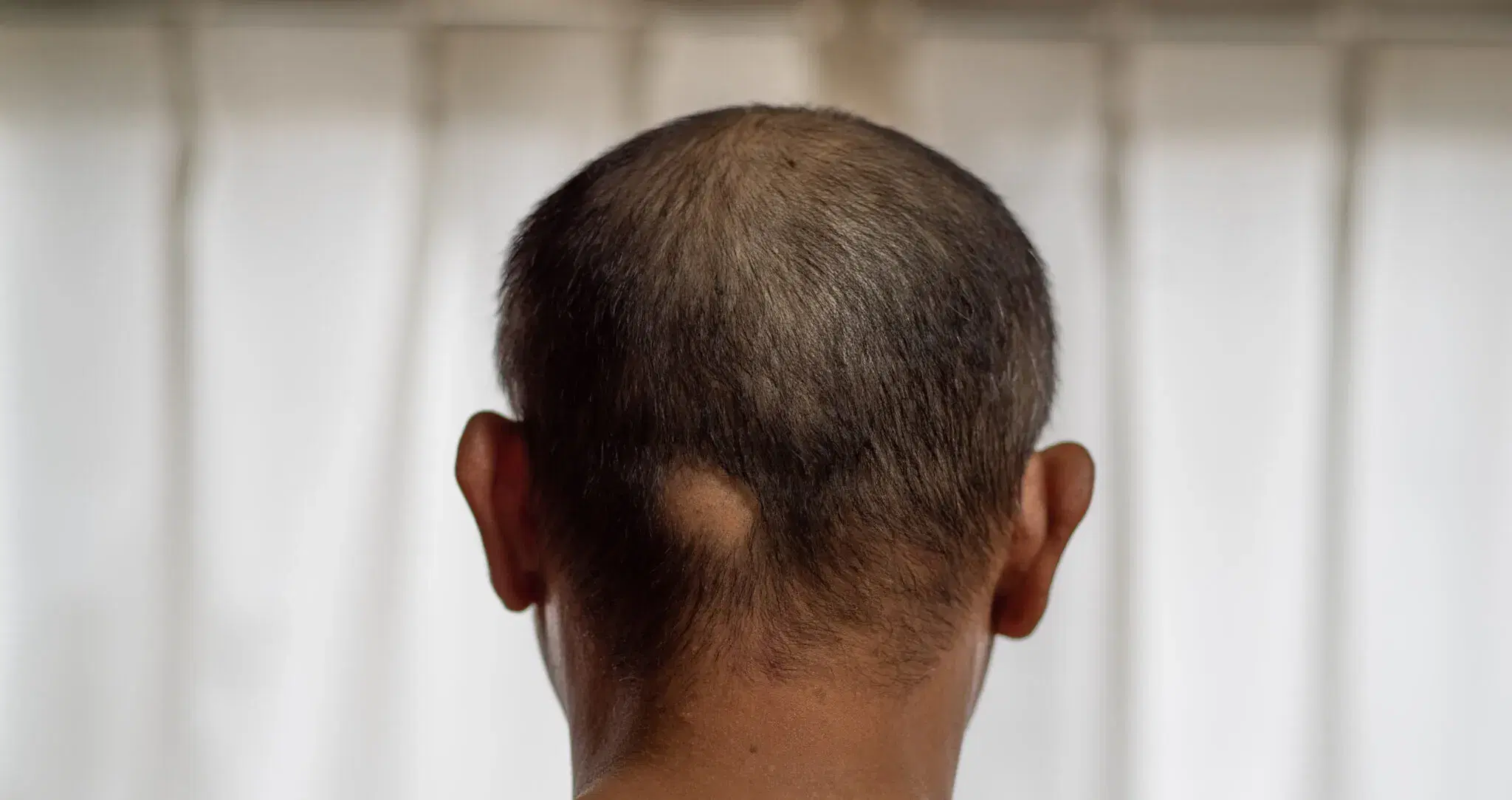
Tight ponytails, braids, buns, extensions, and similar styles can contribute to a type of hair loss called traction alopecia when they repeatedly pull on the hair and scalp. The good news is that traction alopecia prevention is often possible with gentler styling choices, smarter hair care routines, and early attention to warning signs. This guide explains what happens, which habits raise the risk, and how to protect your hair without giving up the styles you love.
Can tight hairstyles cause alopecia?
Yes, tight hairstyles can cause alopecia when constant tension stresses the hair follicles over time. This is called traction alopecia, and it is different from shedding caused by stress, hormones, illness, or genetics because the trigger is repeated pulling. It often starts gradually around the hairline, temples, edges, nape, or wherever the style creates the most strain.
A single tight ponytail for one afternoon is unlikely to cause permanent hair loss. The problem usually comes from repetition: the same high-tension style, in the same area, worn for long periods. When follicles are pulled again and again, they can become inflamed, weakened, and eventually less able to produce healthy hair.
So, can tight hairstyles cause alopecia (traction alopecia) and how to prevent it? The simple answer is yes, they can, but prevention starts with reducing tension, rotating styles, protecting fragile areas, and responding early if your scalp feels painful or your hairline begins to thin.
How traction alopecia develops
Hair grows from follicles beneath the skin. When a hairstyle pulls tightly, the hair shaft acts like a lever, transferring force down to the follicle. Occasional light tension is usually tolerated, but frequent or prolonged tension can irritate the follicle and surrounding skin.
At first, the signs may look minor. You might notice tenderness, tiny bumps, itching, flaking, redness, broken hairs, or a feeling that the style is “too tight” even after you try to ignore it. Over time, the affected area may show thinning, shorter hairs, widened parts, or a receding-looking hairline.
Early traction alopecia may improve when the pulling stops. If tension continues for months or years, however, follicles may become damaged in a way that makes regrowth harder. That is why hair loss prevention is not just about treating visible thinning; it is about changing the habits that create stress before the problem becomes advanced.
Styles and habits that may increase tension
Any hairstyle can become risky if it pulls too tightly, stays in too long, or places weight on the same follicles repeatedly. This does not mean every braid, bun, ponytail, wig, or extension is harmful. It means the technique, weight, frequency, and aftercare matter.
Common tension-heavy habits include:
Wearing very tight ponytails, buns, or slicked-back styles every day
Installing braids, twists, cornrows, locs, or extensions with too much pull at the roots
Choosing extensions or added hair that feels heavy on the scalp
Keeping a protective style in after it has grown out and started tugging
Pulling baby hairs or edges tightly into place with strong-hold products
Sleeping in tight styles that keep tension on the same areas overnight
Using bands, clips, or accessories that grip, snag, or pull
Brushing or detangling aggressively before creating a tight style
The highest-risk style is often the one you wear most often, especially if it pulls from the same direction each time. A sleek bun may seem harmless, but if it is tight enough to cause soreness or headaches, your scalp is already telling you something important.
What are the early warning signs?
The earliest warning sign is usually discomfort: pain, burning, stinging, itching, or a headache after a style is installed or secured. Hair should not need to “settle” through pain. If you feel relief the moment you loosen the style, it was likely too tight.
Other signs can appear gradually. You may see small bumps around follicles, scabbing, tenderness, broken hairs at the edges, or a widening part where tension is strongest. In some cases, the hairline looks thinner before obvious bald patches appear.
Pay special attention to these changes:
Tender scalp after styling Mild pressure can happen, but pain is not a normal requirement for a neat style.
Thinning around the edges or temples These areas are delicate and often experience the most pulling from ponytails, braids, wigs, and extensions.
Short, broken hairs along the hairline Breakage can signal that the hair shaft is under too much stress, even before deeper follicle damage is obvious.
Bumps, redness, or crusting These may suggest irritation around the follicles and should not be covered up with another tight style.
A style that feels heavier over time As hair grows out, added hair or extensions can shift and place new tension on the roots.
If you notice these signs, take a break from tension-heavy styling. If thinning continues, patches expand, or the scalp looks shiny or scarred, it is wise to speak with a qualified hair or skin professional for personalized guidance.
Practical traction alopecia prevention starts with styling choices
Traction alopecia prevention is about reducing repeated pulling while still allowing you to enjoy polished, creative, or protective styles. The goal is not to abandon styling altogether. The goal is to make tension the exception, not the routine.
Start by loosening the styles you already wear. A ponytail can sit slightly lower. A bun can be secured with a soft scrunchie instead of a tight elastic. Braids can be neat without feeling painful. Extensions can be lighter and installed with less pressure around the hairline.
Try these practical adjustments:
Rotate where you place ponytails, buns, clips, and parts.
Avoid wearing the same pulled-back style every day.
Ask for braids, twists, or extensions that feel comfortable immediately.
Keep added hair lightweight, especially around the edges.
Leave out fragile hairline areas when possible.
Take breaks between long-wear styles so the scalp can recover.
Remove a style early if it causes pain, bumps, or visible thinning.
Avoid combining multiple stressors, such as tight braids plus chemical processing plus frequent heat.
A useful rule is simple: if a style hurts, it is too tight. Beauty should not require scalp pain, and a protective style is not truly protective if it is pulling your hair out at the root.
Better hair care routines for a healthier scalp
Strong hair starts with a scalp and routine that minimize unnecessary stress. Gentle hair care routines can support hair loss prevention by reducing breakage, dryness, tangling, and inflammation that make hair more vulnerable to traction.
Detangling is a good place to begin. Work in sections, use a product with slip if needed, and start from the ends before moving toward the roots. Pulling through knots from the scalp downward can create avoidable tension before the style even begins.
Moisture matters too, especially for textured, curly, coily, color-treated, or chemically processed hair that may be more prone to dryness and breakage. Hydrated strands are generally easier to manage and less likely to snap during styling. That does not mean layering on heavy products until the scalp is coated; it means choosing products that keep hair flexible without causing buildup or irritation.
A gentle routine may include:
Cleansing the scalp regularly enough to remove sweat, oil, and product buildup
Conditioning the lengths of the hair to improve softness and manageability
Detangling slowly with fingers or a wide-tooth comb
Using heat tools carefully and not relying on high heat daily
Protecting hair at night with a smooth pillowcase, scarf, or bonnet
Avoiding rubber bands or accessories with rough seams
Giving the hairline extra care because it is often the most fragile area
Consistency is more important than complexity. A simple routine done gently will usually serve your hair better than a complicated routine filled with harsh brushing, tight styling, and frequent manipulation.
Protective styles should actually protect
Protective styles can be helpful because they reduce daily combing and manipulation. But they only protect the hair when they are installed, worn, and removed in a way that respects the scalp. A style that causes pain, bumps, or edge thinning is not protective, no matter what it is called.
Before installing a long-wear style, make sure your hair and scalp are clean, conditioned, and free of active irritation. During installation, speak up if the tension feels too strong. After installation, avoid constantly pulling the style into tight buns or ponytails, because that can add a second layer of traction.
Removal is just as important. Rushing through takedown can cause breakage and shedding that feels alarming. Use patience, moisture, and gentle separation. If your scalp feels sore after removal, give it time before choosing another high-tension style.
When to get professional help
Some shedding is normal, and hair can look thinner temporarily after taking down a long-wear style because shed hairs that were trapped are released at once. However, ongoing thinning, smooth bald patches, scalp pain, inflammation, or a receding hairline should not be ignored.
A professional can help determine whether the issue is traction alopecia or another form of hair loss. That distinction matters because different causes need different solutions. For example, hair loss related to pulling is managed differently from hair loss connected to hormones, autoimmune conditions, nutritional issues, medication changes, or scalp disorders.
Seek help sooner rather than later if the thinning is spreading, the scalp looks shiny, or the same area fails to regrow after you stop tight styling. Early action gives your hair the best chance of recovery and helps you avoid wasting time on routines that do not address the real cause.
A realistic prevention checklist
Use this checklist before, during, and after styling:
Does the style feel comfortable right away?
Can you move your eyebrows, forehead, and scalp without pain?
Are the edges free from tight pulling?
Is the added hair lightweight enough for your natural hair density?
Have you avoided placing tension on the same area repeatedly?
Are you taking breaks between tight or long-wear styles?
Are you removing styles when they cause bumps, soreness, or thinning?
Is your routine gentle enough to reduce breakage during detangling and takedown?
If you answer “no” to several of these questions, adjust the style before it becomes a hair loss prevention problem.