
What Are Its Limitations?
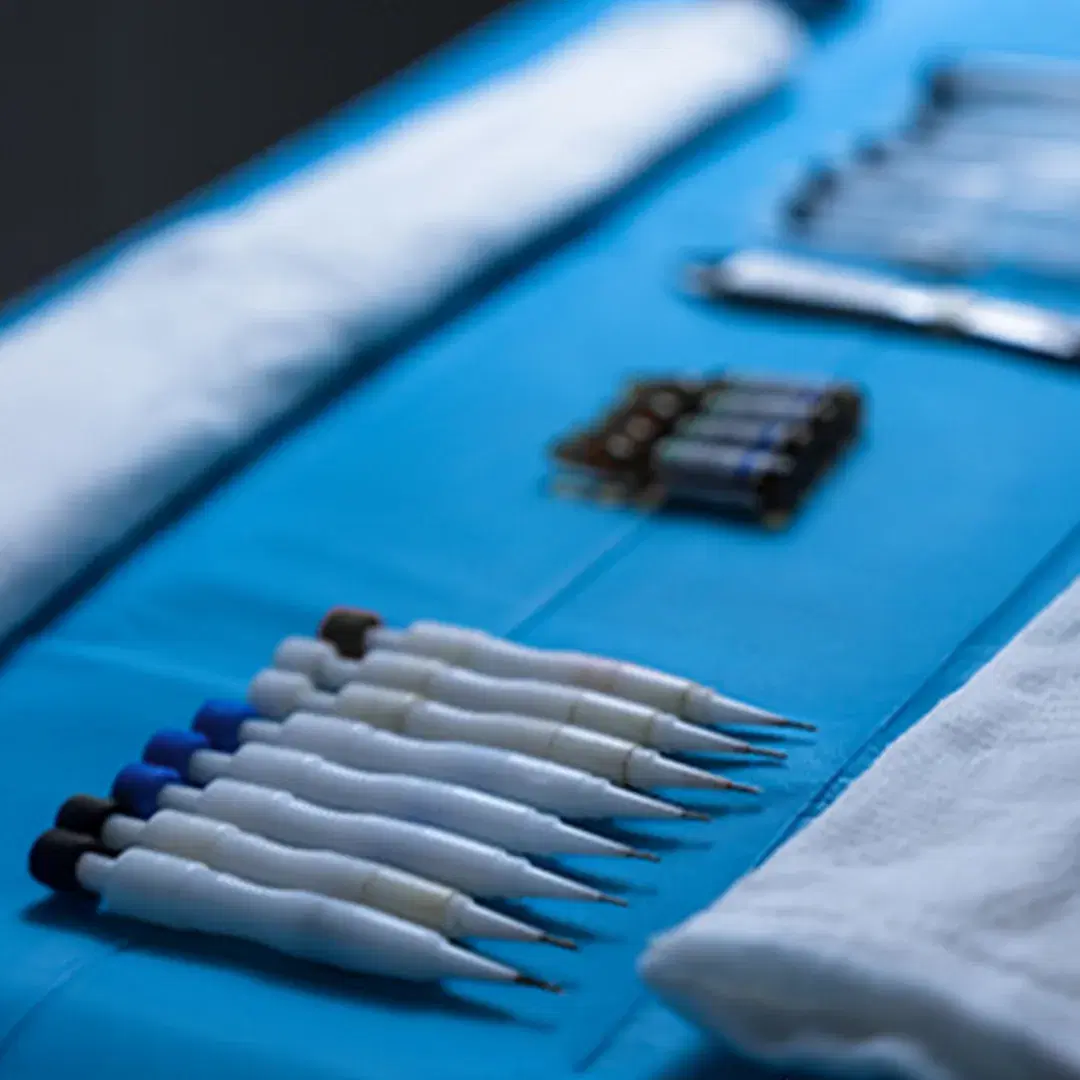
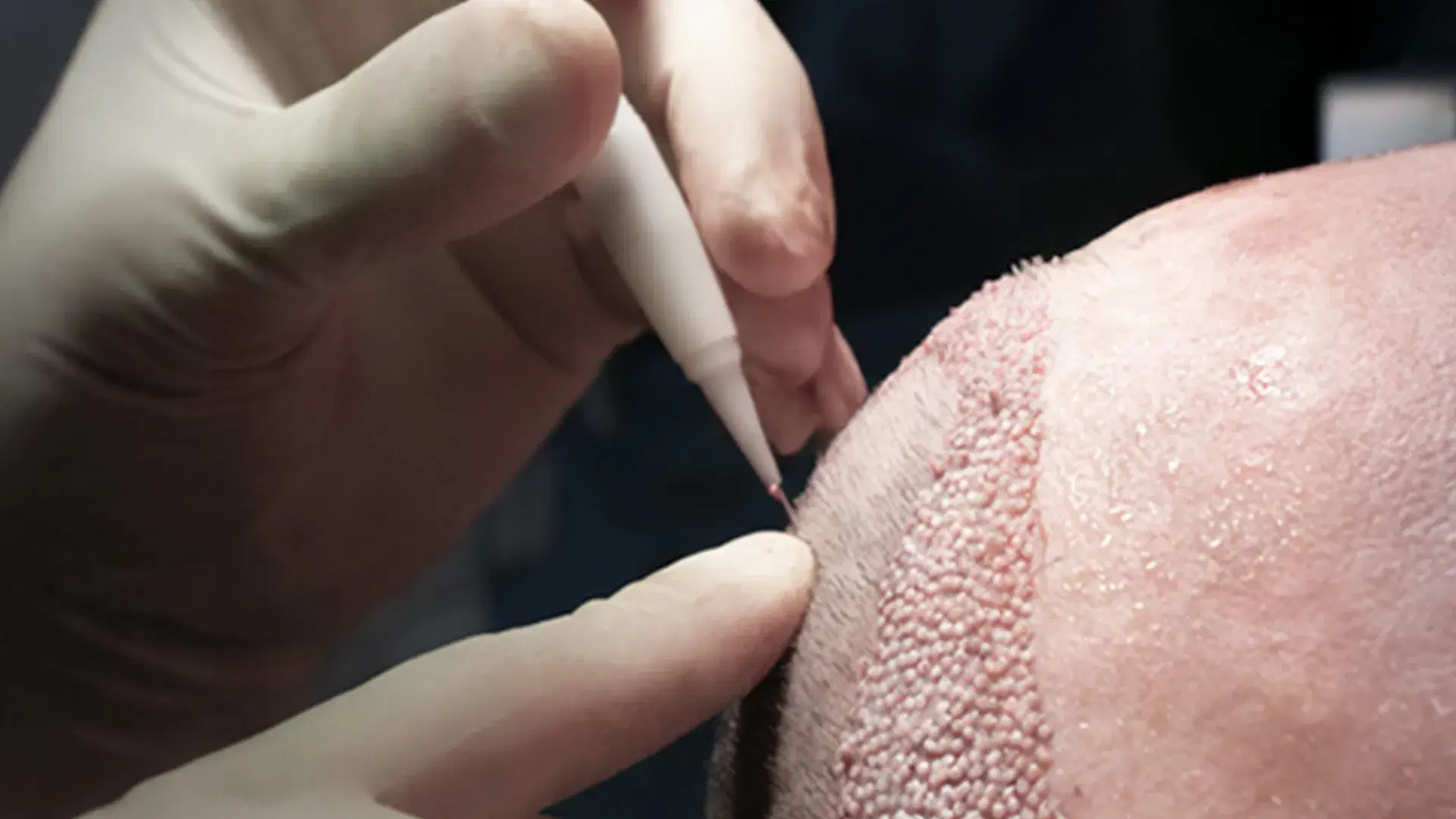
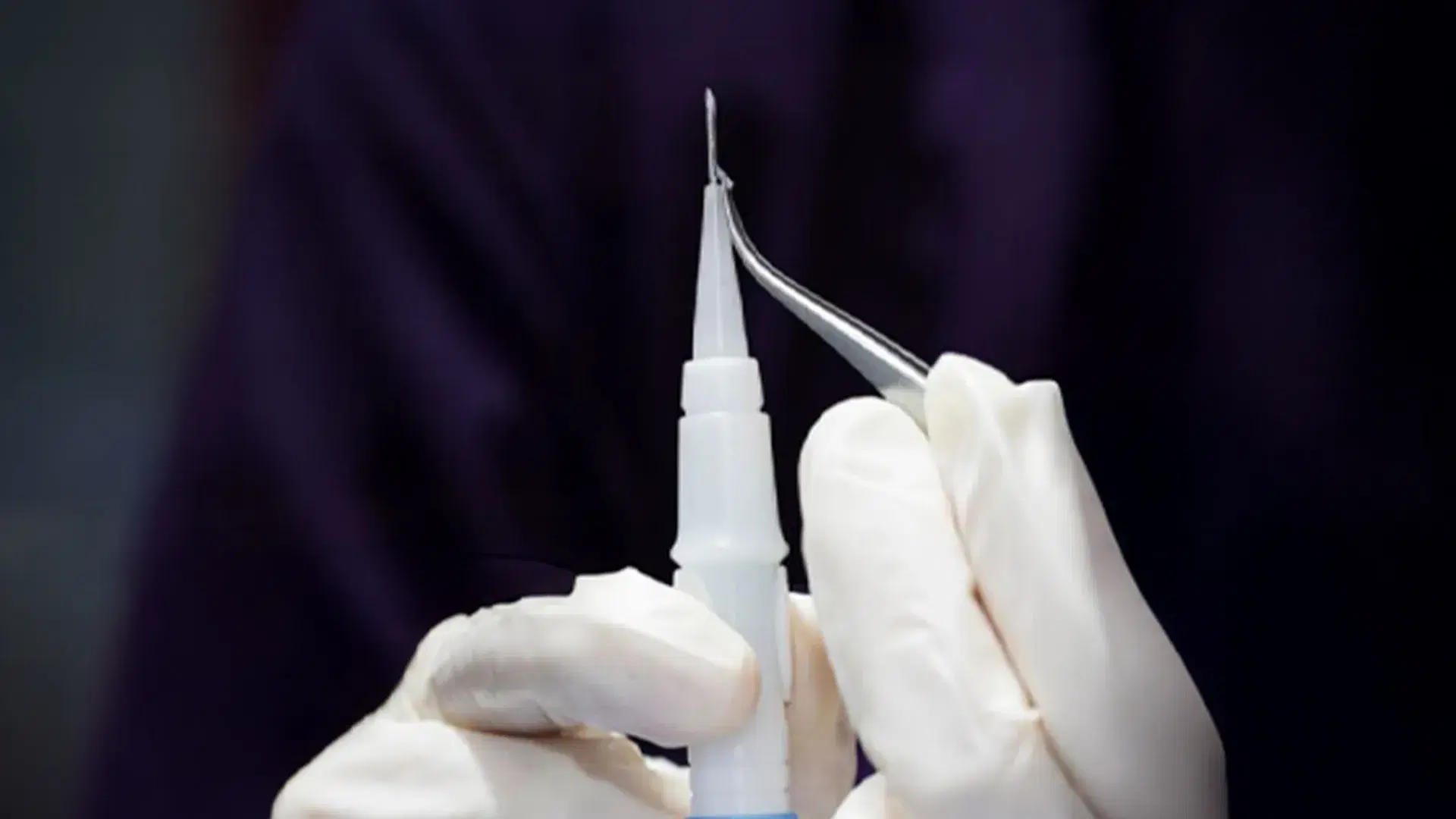
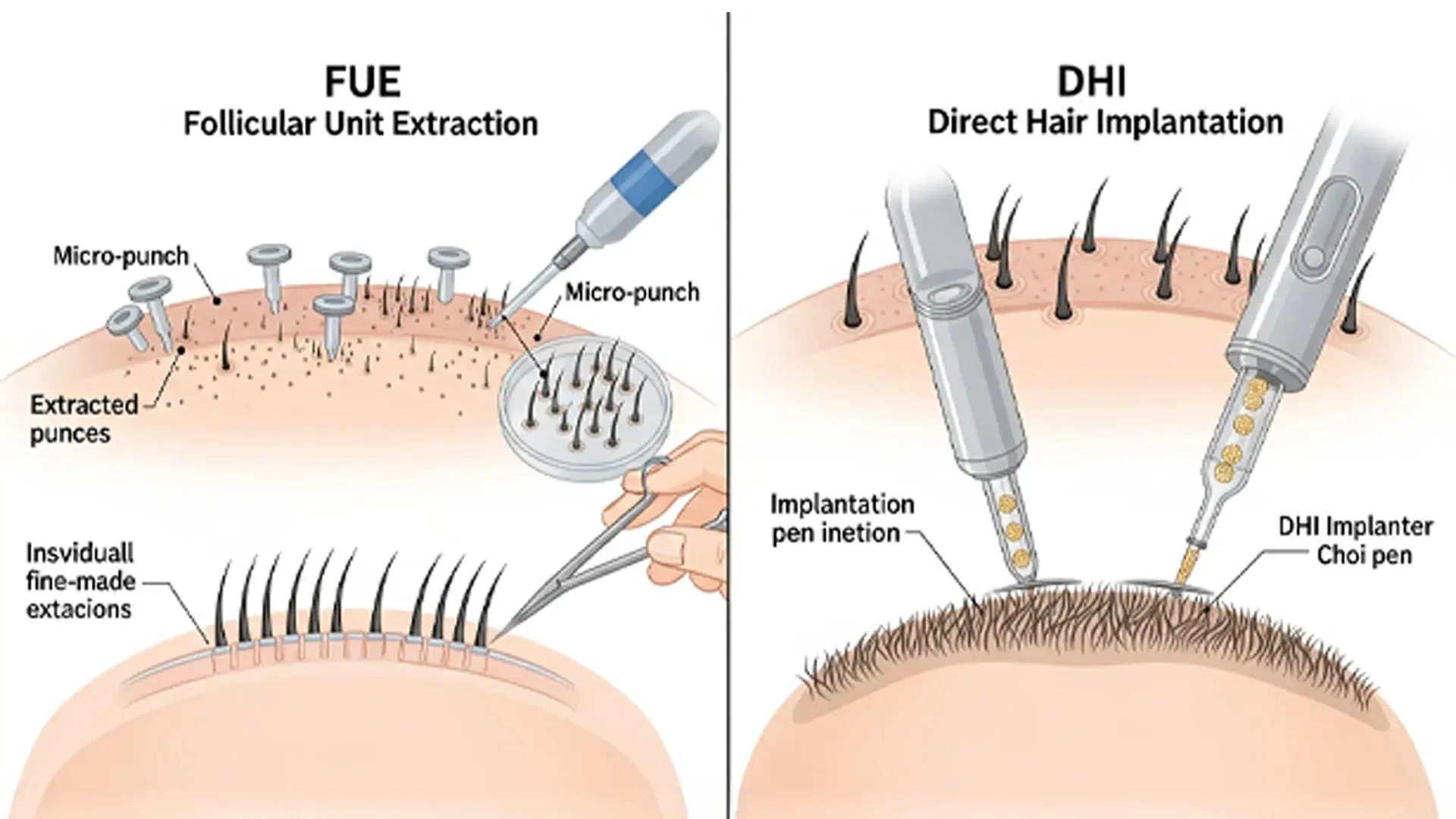
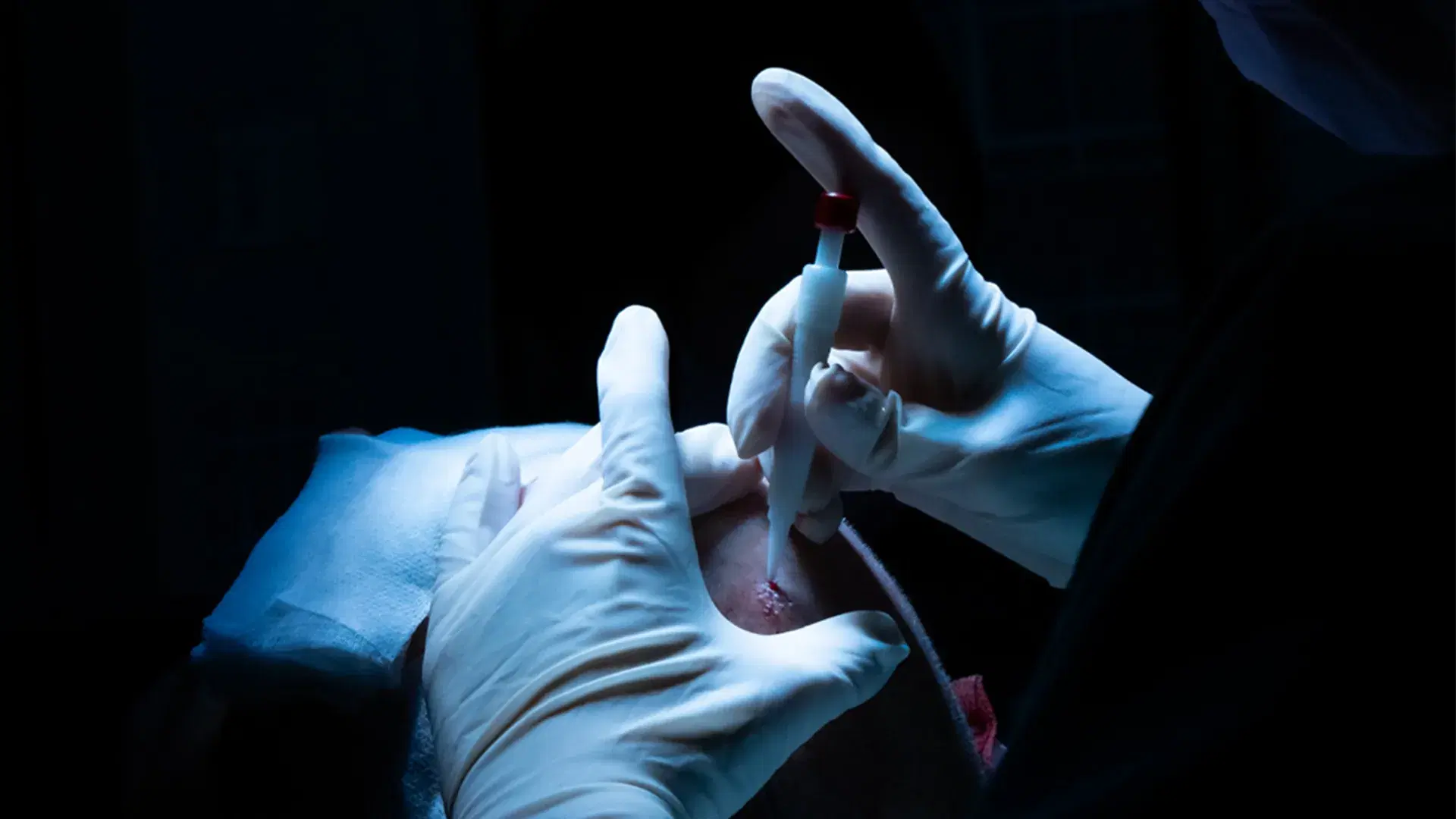
Although the implanter pen offers precision, it is not ideal for every hair type or surgical scenario. The design of the needle and loading system makes it more suitable for certain graft characteristics than others.
Situations Where the Pen Works Best
The device performs most efficiently when grafts are easy to load and insert smoothly.
It is generally well suited for:
• straight or slightly wavy hair
• fine or medium thickness follicles
• areas that require soft detailing, such as the frontal hairline
In these cases, the narrow needle size and controlled insertion can support accurate angle design and delicate density work.
Situations Where It Can Be Challenging
The pen may become less practical when grafts are bulkier or structurally complex.
It can be more difficult to use with:
• very curly grafts
• thick follicles that do not fit easily into smaller needle diameters
• beard grafts with large or firm roots
• very large sessions where procedural speed becomes a priority
Because of these limitations, some surgeons prefer a flexible approach. They may use implanter pens for precision zones like the hairline and switch to forceps placement for thicker grafts or broader coverage areas. This combination allows the procedure to be tailored to the patient rather than restricted by a single tool.