
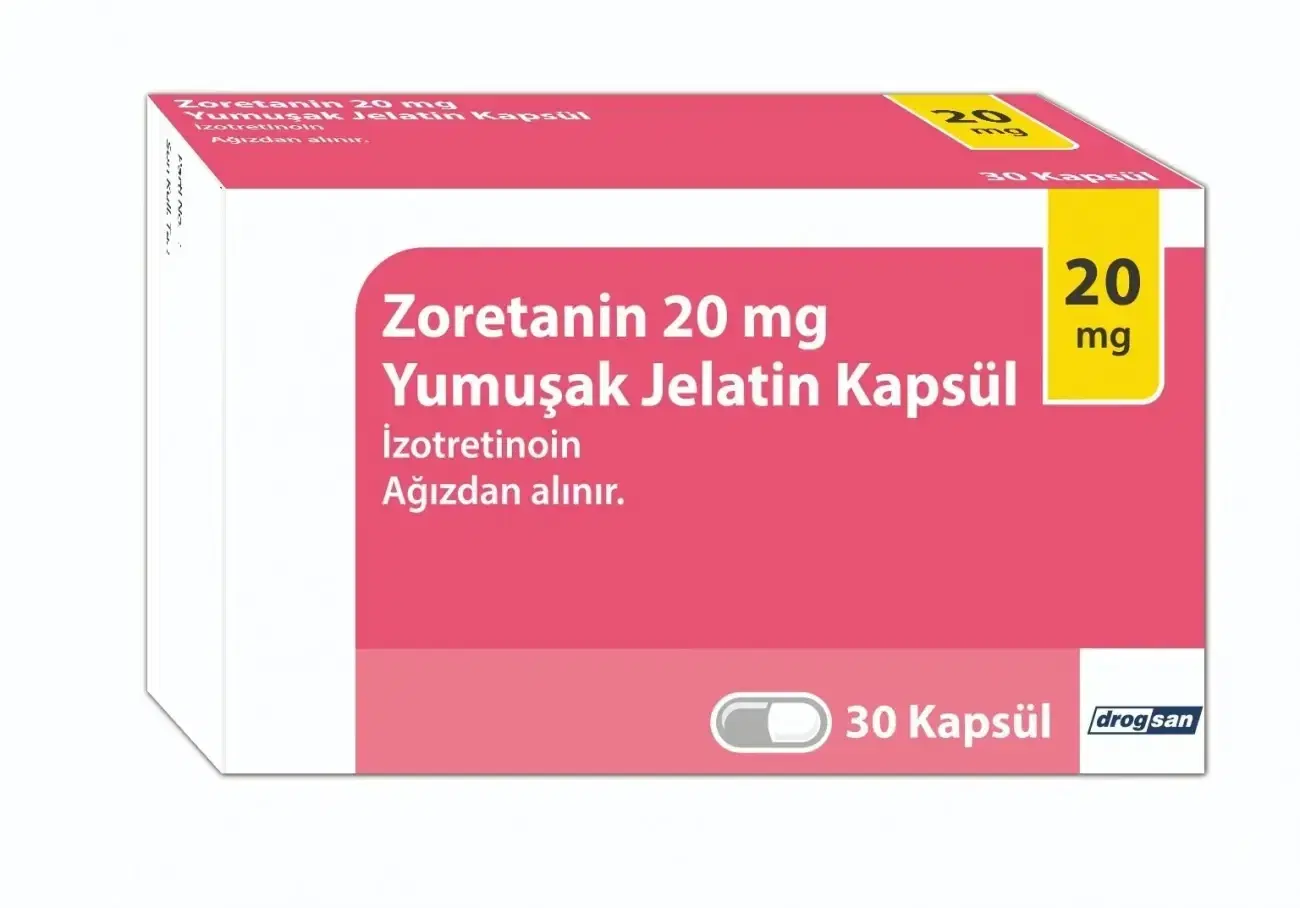
If you are taking isotretinoin for acne and have noticed more hair in your brush or shower drain, you may be searching “Does Zoretanin cause hair loss?” Zoretanin contains isotretinoin, a prescription retinoid used for severe forms of acne.
Hair loss can occur during isotretinoin treatment, although it affects only a minority of patients. Understanding why it happens, how long it may last, and when to contact your dermatologist can make the situation easier to manage.
1. Does Zoretanin Cause Hair Loss?
Yes, Zoretanin may cause hair loss in some people. Alopecia and other hair abnormalities are recognized adverse reactions associated with isotretinoin. Current FDA prescribing information also lists alopecia among reported skin and hair-related reactions.
However, this does not mean everyone taking Zoretanin will experience thinning. Many patients complete isotretinoin therapy without noticeable changes in their hair density. Individual response, dose and treatment duration may influence the likelihood of experiencing increased shedding.
2. How Common Is Hair Loss While Taking Zoretanin?
Research suggests that isotretinoin-related hair loss is relatively uncommon. A systematic review found reported hair-loss frequencies of approximately 3.2% in patients receiving less than 0.5 mg/kg/day and 5.7% in those receiving 0.5 mg/kg/day or more. The researchers noted that the available evidence was not strong enough to make definitive statistical comparisons between the groups.
In other words, hair loss is possible but is far from inevitable.
3. Why Can Zoretanin Make Hair Fall Out?
The exact mechanism is not completely understood. When isotretinoin-related shedding occurs, researchers commonly describe it as telogen effluvium. This condition happens when more hairs than usual move from the active growth phase into the resting and shedding phase.
Research examining hair-growth parameters during isotretinoin therapy has also observed changes compatible with telogen effluvium.
Unlike some forms of permanent alopecia, telogen effluvium usually causes diffuse shedding across the scalp rather than isolated bald patches.
4. Does a Higher Zoretanin Dose Increase Hair-Loss Risk?
It may. Available evidence suggests a possible relationship between higher isotretinoin exposure and increased hair shedding.
The systematic review comparing different daily doses reported higher hair-loss frequency in the higher-dose group. Another retrospective study found that patients experiencing hair loss tended to have greater cumulative isotretinoin doses and longer treatment durations.
This does not mean patients should reduce their medication themselves. Your dermatologist should determine whether a dosage adjustment is appropriate.
5. Is Zoretanin Hair Loss Permanent?
For many patients, medication-associated telogen effluvium is expected to improve after the trigger resolves. However, it is important not to guarantee complete recovery in every case.
Official isotretinoin labeling notes reports of alopecia that persisted in some cases.
Persistent hair loss appears to be much less commonly discussed than temporary shedding, but anyone experiencing continuing or worsening thinning should have the problem assessed rather than assuming isotretinoin is the only possible cause.
6. When Does Hair Loss Start During Zoretanin Treatment?
There is no universal timeline. Hair-cycle changes can become noticeable after treatment has already been underway because hairs entering the resting phase do not necessarily shed immediately.
Studies examining isotretinoin and hair growth have produced varying findings. One short-term study using 0.5 mg/kg/day did not find statistically significant changes in measured hair-growth parameters after three months.
Therefore, the timing and severity of hair changes can differ considerably between individuals.
7. What Should You Do If Your Hair Starts Falling Out?
Contact the dermatologist supervising your Zoretanin treatment, particularly if shedding becomes substantial or continues to worsen.
Do not stop Zoretanin or change your dose without medical advice. Your doctor can assess whether isotretinoin is the likely cause and consider other explanations for hair loss.
Hair thinning can have many causes unrelated to medication, so a professional evaluation is especially useful when shedding is severe, develops suddenly or occurs in distinct patches.
8. Can You Prevent Hair Loss While Using Zoretanin?
There is no proven method that guarantees prevention of isotretinoin-associated hair loss. Gentle hair care may nevertheless help reduce unnecessary breakage while treatment is underway.
Avoid excessive heat styling, aggressive bleaching, tight hairstyles and harsh treatments if your hair feels unusually dry or fragile. Maintaining adequate nutrition is also important. Avoid starting supplements specifically for hair loss without discussing them with your doctor, because supplements can contain ingredients that may be inappropriate during isotretinoin therapy.
9. Should Hair Loss Stop You From Using Zoretanin?
Not necessarily. The potential benefit of Zoretanin for severe or treatment-resistant acne needs to be considered alongside its possible adverse effects.
Your dermatologist can evaluate your dose, treatment duration and symptoms and decide whether continuing treatment, adjusting the regimen or investigating another cause of hair loss makes the most sense.
This article provides general educational information and does not replace diagnosis or treatment advice from a dermatologist or other qualified healthcare professional.