
What Is the Difference Between Hair Breakage and Hair Loss?
Hair breakage happens when the hair shaft snaps, while hair loss occurs when the entire hair sheds from the follicle or stops growing normally. This distinction matters because the two problems affect different parts of the hair structure.
Breakage usually leaves shorter strands, uneven lengths, frayed ends, and increased roughness through the hair. Hair loss more often reduces the number of hairs growing from the scalp, which can create visible thinning or increased shedding.
Both conditions can exist at the same time. Someone may lose hairs from the root while also damaging remaining strands through heat, chemicals, tension, or repeated friction.
How Can You Tell If Your Hair Is Breaking or Falling Out?
You can often distinguish breakage from hair loss by examining the length of shed hairs and checking whether a root bulb remains attached. Broken strands usually appear shorter than the surrounding hair and may have blunt, split, or frayed ends.
Hair that naturally sheds from the follicle often keeps most of its original length. A small club-shaped structure may appear at one end when the hair completes its normal growth cycle.
The overall pattern also helps. Breakage creates irregular lengths throughout the hairstyle, while hair loss usually causes reduced density, wider parting, temple recession, or increased full-length hairs during washing.
What Does Hair Breakage Look Like?
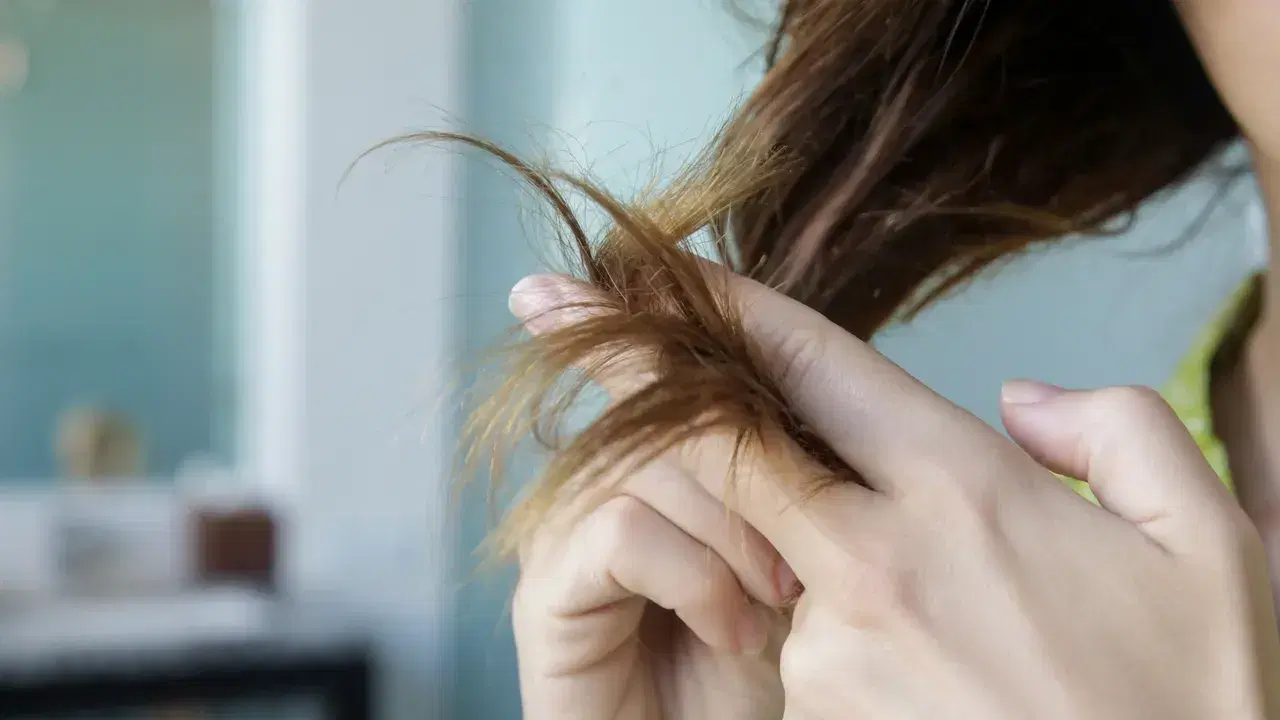
Hair breakage usually appears as uneven lengths, short snapped strands, split ends, rough texture, and areas that struggle to retain length. The hair may look thinner through the ends even when scalp density remains relatively unchanged.
Broken strands often collect around clothing, pillows, brushes, or styling areas, but they do not always match the full length of surrounding hair. Repeated snapping can make certain sections look sparse because fewer intact strands reach the same length.
The texture can provide another clue. Damaged hair often feels dry, brittle, porous, or difficult to manage because the outer protective layers have weakened.
What Does Hair Loss Look Like?
Hair loss usually appears as increased shedding, reduced scalp density, widening of the part, recession, or visible thinning in a recognizable pattern. Unlike breakage, the problem begins at the follicle rather than somewhere along the visible shaft.
People may notice more full-length hairs during washing, brushing, or drying. Others see gradual thinning without dramatic daily shedding because individual follicles progressively produce finer hairs.
The scalp pattern often provides useful information. Diffuse loss affects a broad area, while pattern hair loss commonly changes the temples, frontal scalp, crown, or central part depending on the underlying process.
Does Hair Breakage Come From the Root?
Hair breakage does not come from the root because the strand snaps somewhere along the shaft while the follicle remains inside the scalp. The break can happen close to the scalp or several centimeters away, depending on where damage has weakened the strand.
When hair breaks near the root, the result can resemble new growth because many short hairs become visible at once. However, broken hairs often show uneven lengths and less tapered ends.
The follicle can continue producing hair after shaft breakage. Preventing repeated damage allows the new growth to remain intact, while ongoing trauma can keep the same area looking permanently short or thin.
Can Hair Breakage Make Hair Look Thinner?
Hair breakage can make hair look thinner because repeated snapping reduces the number of full-length strands that contribute to visible density and volume. The scalp may still contain a normal number of follicles, yet the hairstyle can appear sparse through the mid-lengths and ends.
This effect becomes especially noticeable in long hair, where many broken strands never reach the same length as healthier sections. The ends may look transparent, uneven, or significantly less dense.
Breakage near the scalp can create even more confusion because short damaged hairs reduce coverage. However, true follicular hair loss usually changes scalp density rather than only shortening existing strands.
What Causes Hair Breakage?
Hair breakage develops when physical, chemical, or environmental stress weakens the hair shaft until it can no longer tolerate normal tension. Repeated damage often matters more than one isolated styling event.
Common causes include:
Frequent high-heat styling
Bleaching and repeated chemical processing
Aggressive brushing or detangling
Tight hairstyles and repeated tension
Excessive friction from towels or fabrics
Overlapping chemical treatments
Chronic dryness and poor conditioning
Rough handling when hair is wet
Repeated use of harsh products
Hair texture, porosity, previous damage, and styling habits all influence how easily strands break under daily stress.
What Causes Hair Loss?
Hair loss can develop when the normal hair growth cycle changes, follicles miniaturize, inflammation affects the scalp, or a medical factor interrupts healthy growth. The underlying cause determines whether shedding appears suddenly, gradually, diffusely, or in a patterned distribution.
Common triggers include androgenetic hair loss, telogen effluvium, autoimmune conditions, scalp disorders, hormonal changes, illness, rapid weight loss, and certain medications. Nutritional deficiencies can also contribute in selected cases.
Some forms remain temporary and improve after the trigger resolves. Others progress without treatment because the follicle gradually produces finer, shorter hairs over repeated growth cycles.
Can Heat Styling Cause Hair Breakage?
Frequent heat styling can cause hair breakage because high temperatures weaken the hair shaft, reduce moisture retention, and damage the protective outer structure. Flat irons, curling tools, and very hot blow-drying can gradually increase brittleness.
Damage becomes more likely when people repeatedly apply heat to the same section or use high temperatures on already processed hair. Wet hair can also suffer significant damage when exposed directly to intense heat.
Lower temperatures, fewer passes, heat protection, and reduced styling frequency can help limit cumulative damage. Once a strand has structurally broken, products cannot reconnect it permanently, so prevention matters more than repair claims.
Can Hair Dye and Bleach Cause Hair Breakage?
Hair dye and especially bleach can cause breakage when chemical processing weakens the hair shaft faster than it can tolerate repeated styling and daily handling. Bleaching changes the internal structure of the strand while removing pigment, which can increase porosity and fragility.
Repeated lightening sessions create greater risk when chemical treatments overlap previously processed areas. The hair may then feel rough, stretch unusually when wet, or snap during brushing.
Permanent coloring can also contribute, particularly when combined with heat or additional chemical services. Increasing the time between treatments and avoiding unnecessary overlap helps reduce cumulative structural damage.
Can Tight Hairstyles Cause Breakage and Hair Loss?
Tight hairstyles can cause both shaft breakage and traction-related hair loss when repeated pulling stresses the hair and the follicles over time. The earliest signs often include short broken hairs, tenderness, or thinning around areas under the greatest tension.
Braids, tight ponytails, extensions, and tightly secured buns can all create problems when they consistently pull the same regions. The hairline and temples often show changes first because these areas experience repeated force.
Reducing tension early can allow stressed follicles to recover. Long-standing traction can eventually damage follicles more permanently, which makes early recognition particularly important.
Does Stress Cause Hair Breakage or Hair Loss?
Stress more commonly contributes to hair loss than direct shaft breakage because major physical or emotional stress can shift more follicles into a resting phase. Shedding usually becomes noticeable weeks or months after the triggering event rather than immediately.
This pattern often produces diffuse shedding across the scalp instead of isolated bald patches. The hair itself may remain structurally normal unless other factors also damage the shaft.
Stress can still indirectly increase breakage when it changes grooming habits, nutrition, sleep, or hair care routines. Therefore, someone experiencing stress may develop increased shedding and damaged strands at the same time.
Can Nutritional Deficiencies Cause Hair Breakage or Hair Loss?
Nutritional deficiencies can contribute to both hair loss and poor hair quality when the body lacks nutrients needed for normal follicle activity and shaft formation. Iron deficiency, inadequate protein intake, and certain vitamin or mineral deficiencies can affect hair in susceptible individuals.
Hair loss usually becomes more noticeable when nutritional problems disturb the growth cycle. Hair quality may also decline, making strands finer, weaker, or more vulnerable to damage.
However, taking supplements without identifying a deficiency does not automatically improve hair. A balanced evaluation should consider diet, recent weight changes, medical history, symptoms, and relevant testing when shedding becomes persistent.
Why Are There Short Hairs Around the Hairline?
Short hairs around the hairline can represent new growth, normal fine hairs, or breakage caused by friction, styling, or repeated tension. Their appearance alone does not confirm whether the follicles are recovering or the strands are snapping.
New growth often appears tapered at the end and gradually becomes longer over several months. Broken hairs usually show more irregular lengths, rough texture, split ends, or blunt tips.
Location can also help. Short hairs concentrated beneath tight hairstyles or around areas exposed to repeated pulling raise greater concern for breakage. Short tapered hairs appearing after a shedding episode may instead reflect regrowth.
How Can You Tell New Hair Growth From Breakage?
New hair growth usually appears with tapered ends and gradually increases in length, while broken hair often looks blunt, frayed, uneven, or damaged. Comparing several short strands can reveal whether they follow a consistent regrowth pattern.
Healthy new hairs often feel softer and become progressively easier to identify over several months. Breakage tends to create mixed lengths because strands snap at different points along the shaft.
Texture also provides useful information. New hairs can look finer at first, but they generally lack obvious splitting or structural damage. Broken strands frequently appear rougher than the surrounding hair and may continue snapping without changes in hair care.
Can Hair Breakage Be Reversed?
Existing hair breakage cannot be fully reversed because once a shaft splits or snaps, the damaged structure cannot biologically rebuild itself. Hair products can temporarily smooth rough areas and reduce friction, but they cannot permanently restore a broken strand.
The practical goal involves preventing additional damage while healthier hair grows from the scalp. Gentle handling, conditioning, reduced heat, less chemical processing, and lower tension can improve length retention over time.
Regular trimming may also remove severely damaged ends that continue splitting upward. As new hair grows and remains intact, the overall texture, density through the lengths, and appearance can gradually improve.
Can Hair Loss Grow Back?
Some types of hair loss can grow back when the underlying trigger resolves and the follicles remain capable of producing healthy hair. Temporary shedding from illness, stress, nutritional disruption, or other reversible triggers often improves gradually once the growth cycle normalizes.
Other forms require ongoing treatment because the follicles progressively miniaturize or remain affected by inflammation. Pattern hair loss commonly behaves this way and can continue advancing without appropriate management.
Hair regrowth also takes time because follicles must move through normal growth phases. Even after the cause improves, visible density may require several months to recover significantly.
How Can You Reduce Hair Breakage?
You can reduce hair breakage by lowering repeated mechanical, chemical, and heat-related stress while keeping the hair conditioned and easier to handle. Gentle routines protect the shaft more effectively than products that only create temporary smoothness.
Avoid excessive heat, repeated bleaching, aggressive towel drying, and tight styles that place the same strands under constant tension. Detangle carefully, especially when hair is wet, because swollen wet fibers can become more vulnerable to stretching.
Regular conditioning can reduce friction between strands and make brushing easier. Protecting the hair consistently allows more strands to reach their natural length without snapping prematurely.
When Should Hair Loss Be Evaluated?
Hair loss should receive further evaluation when shedding becomes persistent, density visibly decreases, bald patches appear, or scalp symptoms accompany the change. Sudden loss, rapid progression, pain, scaling, redness, or scarring also deserve closer attention.
A widening part, receding hairline, or ongoing crown thinning may indicate a progressive form of hair loss rather than temporary shedding. Persistent diffuse loss can also reflect medical, nutritional, hormonal, or medication-related factors.
Early evaluation becomes especially useful when the pattern changes quickly. Identifying the cause before significant density disappears can improve the range of available management options.
What Is the Best Way to Tell Hair Breakage From Hair Loss?
The best way to distinguish hair breakage from hair loss is to examine strand length, root appearance, scalp density, hair texture, and the overall pattern of change. Breakage usually produces uneven short strands and damaged ends, while hair loss more often reduces the number of hairs growing from the scalp.
Looking at only the amount of hair in a brush can be misleading because both problems can produce noticeable loose strands. The surrounding pattern provides better context.
When short damaged hairs appear alongside widening parts, recession, or increased full-length shedding, both breakage and hair loss may be occurring together.