
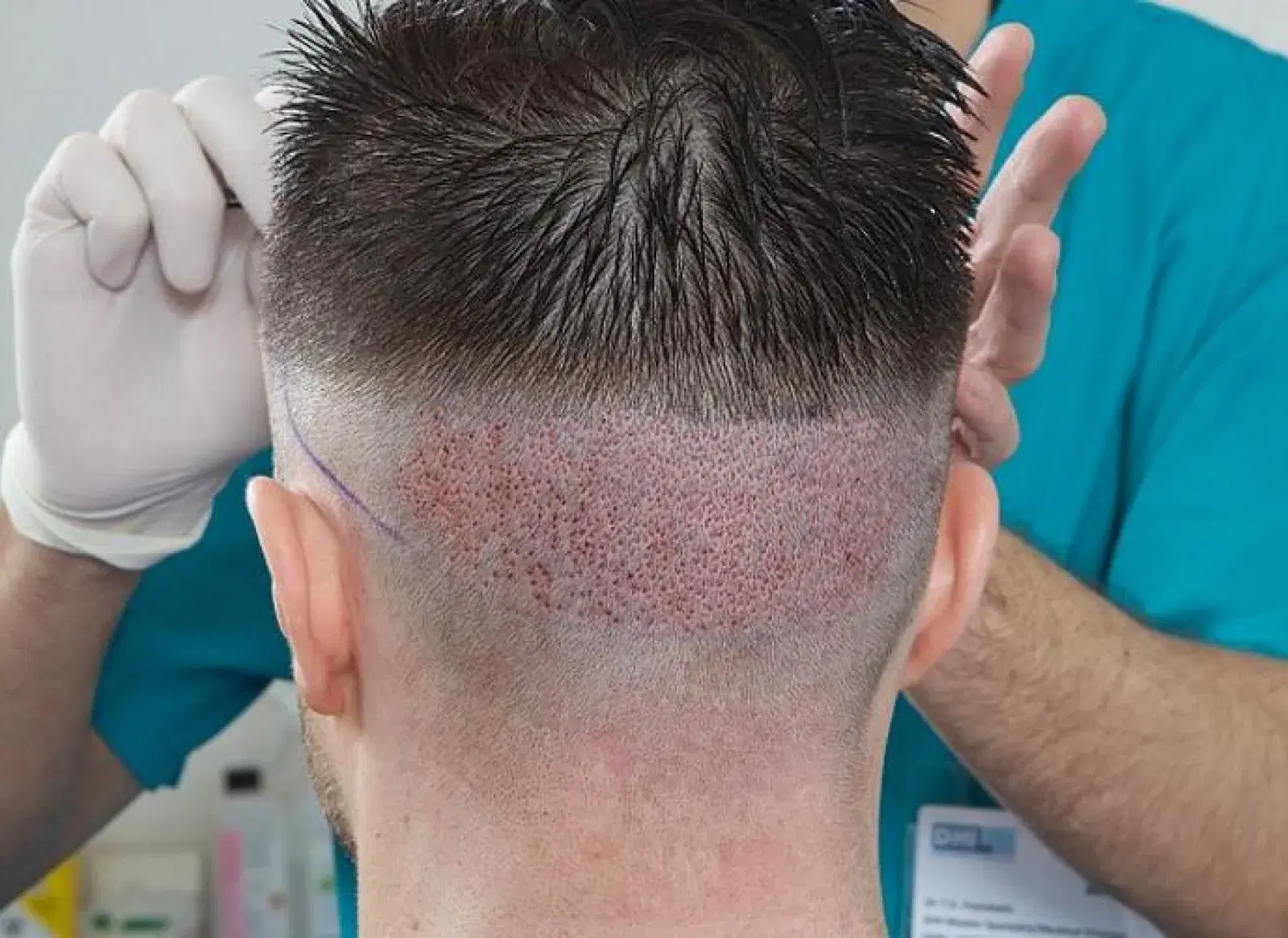
What Is a Hair Transplant Infection?
A hair transplant infection is a bacterial or, less commonly, other microbial infection affecting the donor or recipient scalp after transplantation.
Hair transplantation creates thousands of small openings in the skin, temporarily weakening the normal protective barrier. Microorganisms can enter these areas before the wounds close completely. Infection may develop around individual follicles or spread through a larger section of scalp. Typical findings include increasing redness, tenderness, warmth, pustules, or abnormal discharge. True infections are considered uncommon after properly performed hair transplantation. However, early recognition remains important because a progressing infection can interfere with wound healing and potentially damage nearby grafts or scalp tissue.
How Common Is Infection After a Hair Transplant?
Hair transplant infection is uncommon, with published surgical series generally reporting true postoperative infections in fewer than one percent of patients.
One clinical series reported recipient-site infection with yellow discharge in approximately 0.66 percent of treated patients. Other reports similarly describe serious infection as a rare complication. The scalp has a strong blood supply, which generally supports healing and local immune defense after surgery. Small FUE wounds also close relatively quickly. However, low frequency does not mean infection cannot happen. Poor wound care, contamination, heavy crusting, impaired healing, smoking, and certain medical conditions can increase the possibility of postoperative problems.
What Causes Infection After a Hair Transplant?
Hair transplant infections develop when microorganisms enter healing donor or recipient wounds and multiply faster than the body can control them.
The scalp normally contains microorganisms without causing disease, but surgery temporarily disrupts the skin barrier. Excessive crust formation can trap debris and create conditions that support bacterial growth. Touching grafts with unclean hands can also introduce contamination. Delayed or inappropriate wound care may further increase risk. Smoking can impair circulation, while diabetes and other conditions affecting healing can make infection more difficult to control. Surgical factors, including prolonged procedures and compromised tissue circulation, have also been associated with uncommon but more serious infectious complications.
What Are the Signs of Hair Transplant Infection?
Hair transplant infection usually causes worsening redness, pain, warmth, swelling, pustules, or discharge instead of the gradual improvement expected during normal recovery.
Important warning signs include:
Redness that becomes stronger instead of fading
Increasing pain or tenderness
Yellow or green discharge
Pus-filled bumps around follicles
Unusual warmth over the scalp
Foul-smelling drainage
Expanding swelling
Fever or chills
Soft swelling containing fluid
Dark or damaged-looking skin
Minor redness and crusting are normal during early healing. Infection becomes more concerning when symptoms intensify, spread, or appear together rather than gradually resolving.
When Can Infection Start After a Hair Transplant?
A hair transplant infection can appear during the first postoperative days or develop later as folliculitis during the following weeks.
Early infection may produce increasing redness, tenderness, swelling, or discharge around donor or recipient wounds. Follicular inflammation can become noticeable one to four weeks after FUE, often appearing as red bumps or pustules surrounding individual follicles. This delayed appearance can create confusion because the scalp may initially seem to heal normally. Not every late pimple represents a significant bacterial infection, but widespread pustules or progressively painful inflammation require attention. The timing therefore helps with assessment but cannot establish the cause without considering the accompanying symptoms.
What Is the Difference Between Normal Redness and Infection?
Normal postoperative redness gradually fades, while infection usually causes redness that becomes more intense, painful, warm, swollen, or associated with pus.
Mild perifollicular redness is expected because transplantation creates controlled inflammation around newly implanted grafts. Recent evidence indicates that early recipient-area redness commonly settles within approximately two to four weeks. Normal crusts also form around recipient sites before loosening during recovery. Infection follows a different pattern because symptoms tend to worsen rather than steadily improve. Increasing tenderness, spreading redness, discharge, fever, or clusters of painful pustules are more concerning. Comparing progression over several days is therefore more informative than redness alone.
Can the Donor Area Become Infected?
The donor area can become infected after a hair transplant when extraction wounds or a surgical incision become contaminated during healing.
After FUE, hundreds or thousands of small extraction sites remain temporarily open. These wounds usually close quickly, but bacteria can cause localized inflammation or pustules before complete healing occurs. FUT creates a longer incision, where infection can occasionally develop around sutures or wound edges. Increasing donor-area pain, redness, warmth, drainage, or persistent crusting can indicate a problem. Keeping the region clean without aggressive scratching helps protect healing tissue while the skin barrier becomes established again.
Can the Recipient Area Become Infected?
The recipient area can develop infection when bacteria enter the small channels created for transplanted follicles and cause localized or spreading inflammation.
Recipient-site infections may appear as groups of red pustules surrounding implanted follicles. More advanced cases can produce tenderness, swelling, discharge, or a fluid-filled area suggestive of an abscess. Because the recipient region contains newly transplanted grafts, significant infection requires prompt management to protect healing tissue. Mild postoperative redness should not be confused with infection, especially during the first days. A concerning pattern develops when redness increases, becomes painful, spreads, or develops pus instead of gradually settling as recovery progresses.
Is Folliculitis the Same as a Hair Transplant Infection?
Folliculitis after hair transplantation is inflammation around hair follicles, and it can occur with or without a true bacterial infection.
Some cases develop because of physical irritation, blocked follicles, ingrown hairs, or the normal process of new hairs emerging. These cases may produce small red bumps without systemic illness. Infectious folliculitis becomes more concerning when numerous pustules appear alongside significant redness, tenderness, or spreading inflammation. Published research describes folliculitis as one of the more frequently observed complications after FUE, commonly appearing during the first several postoperative weeks. Distinguishing simple inflammation from infection matters because management can differ substantially.
Can an Infection Damage Transplanted Hair Grafts?
A significant hair transplant infection can damage transplanted grafts when inflammation, pus, or tissue injury disrupts the blood supply needed for follicle survival.
Fresh grafts depend on surrounding tissue to establish circulation during early healing. A localized superficial infection may resolve without producing noticeable permanent loss. More aggressive infection can damage skin and follicular structures, especially when it progresses to an abscess or tissue necrosis. Rare reports describe permanent scarring after severe recipient-area infection and tissue injury. Early treatment therefore matters because controlling infection limits inflammation before it compromises a larger area. Infection does not automatically mean that every nearby graft will fail.
How Is a Hair Transplant Infection Treated?
Hair transplant infection is treated according to its severity, with bacterial infections potentially requiring prescription antibiotics, drainage, wound care, or culture-guided treatment.
Small areas of noninfectious follicular inflammation may need a different approach from genuine bacterial infection. When pus, extensive pustules, increasing redness, or an abscess develops, antimicrobial treatment may become necessary. More serious infections can require bacterial culture so treatment targets the responsible organism. Severe spreading infection may require intravenous antibiotics or hospital management. Squeezing pustules or applying unapproved products can worsen tissue irritation. Treatment should address both the microorganism and the condition of the healing scalp.
Can Hair Transplant Infection Heal Without Treatment?
Minor irritation can resolve spontaneously, but a suspected bacterial hair transplant infection should not be left untreated in the hope that it disappears.
Postoperative pimples and sterile folliculitis do not always represent infection, and some improve with conservative care. A true infection behaves differently because bacterial growth can continue through vulnerable scalp tissue. Increasing pain, spreading redness, pus, fever, or fluid collection indicates a problem that may progress without appropriate treatment. Severe inflammation can eventually affect graft survival or produce scarring. Published surgical guidance describes antimicrobial therapy and, when necessary, drainage or more intensive treatment for confirmed infection. Early assessment is therefore safer than prolonged observation of worsening symptoms.
How Can Hair Transplant Infection Be Prevented?
Hair transplant infection risk can be reduced through clean wound care, appropriate scalp washing, avoiding unnecessary touching, and protecting healing areas from contamination.
Hands should be clean before any permitted contact with the scalp. Grafts should not be scratched, picked, or exposed to questionable cosmetic products during early healing. Crusts should be managed according to postoperative washing instructions rather than forcefully removed. Clean bedding and pillowcases can also reduce unnecessary contamination. Smoking can impair tissue circulation and healing, so avoiding it supports recovery. Recent evidence also emphasizes timely gentle cleansing because prolonged crusting and delayed washing can encourage inflammation and microbial imbalance.
Can Washing the Scalp Prevent Infection?
Appropriate postoperative washing helps reduce infection risk by removing blood, crusts, debris, and excess microorganisms without damaging newly transplanted follicles.
The first washes need to remain gentle because recently implanted grafts can be disturbed by friction or strong water pressure. Once washing begins, regular cleansing prevents thick crust accumulation and keeps the scalp environment cleaner. Current evidence associates delayed postoperative washing with greater inflammatory problems in the recipient area. Washing should not involve scratching with fingernails or forcefully lifting crusts before they loosen naturally. The goal is gradual cleansing while allowing small wounds to close and the skin barrier to recover.
When Should You Seek Medical Attention for Hair Transplant Infection?
Prompt medical assessment is appropriate when postoperative scalp symptoms become progressively painful, produce pus, spread rapidly, cause fever, or involve darkening skin.
Ordinary hair transplant recovery should show gradual improvement after the initial inflammatory period. Increasing rather than decreasing symptoms deserve attention. Large painful pustules, fluid-filled swelling, foul drainage, persistent bleeding, or rapidly expanding redness can signal infection. Fever, chills, weakness, or other systemic symptoms make evaluation more urgent. Dark purple, grey, or black tissue requires particularly rapid assessment because compromised circulation or tissue necrosis can produce permanent scarring. Rare severe infections have resulted in tissue loss when progression continued before effective management.
How Long Does Hair Transplant Infection Take to Heal?
A mild localized hair transplant infection can improve within days after effective treatment, while deeper infection or tissue damage can require several weeks of healing.
The recovery period depends on how far inflammation has progressed before treatment begins. Superficial infections may settle rapidly once bacterial growth is controlled. An abscess, significant wound breakdown, or necrotic tissue creates a longer recovery because damaged skin must repair itself afterward. Redness can also persist temporarily even after active infection has resolved. Severe complications may leave scars that continue maturing for months. For this reason, infection recovery should be judged by progressive improvement in pain, redness, drainage, swelling, and wound appearance rather than by one fixed timeline.
Can Hair Grow Normally After a Hair Transplant Infection?
Hair can grow normally after a mild, successfully treated transplant infection when the inflammation has not permanently damaged the transplanted follicles or surrounding scalp.
Superficial infection does not necessarily destroy every graft within the affected region. Follicles that retain an adequate blood supply can continue through the normal transplant cycle and eventually produce new hair. The outlook becomes less predictable when infection causes an abscess, severe inflammation, or tissue necrosis. Scar formation can permanently reduce hair growth because damaged follicles may no longer function. Rare severe cases have produced residual scarring after infection resolved. The eventual result therefore depends largely on the depth and severity of tissue injury.