
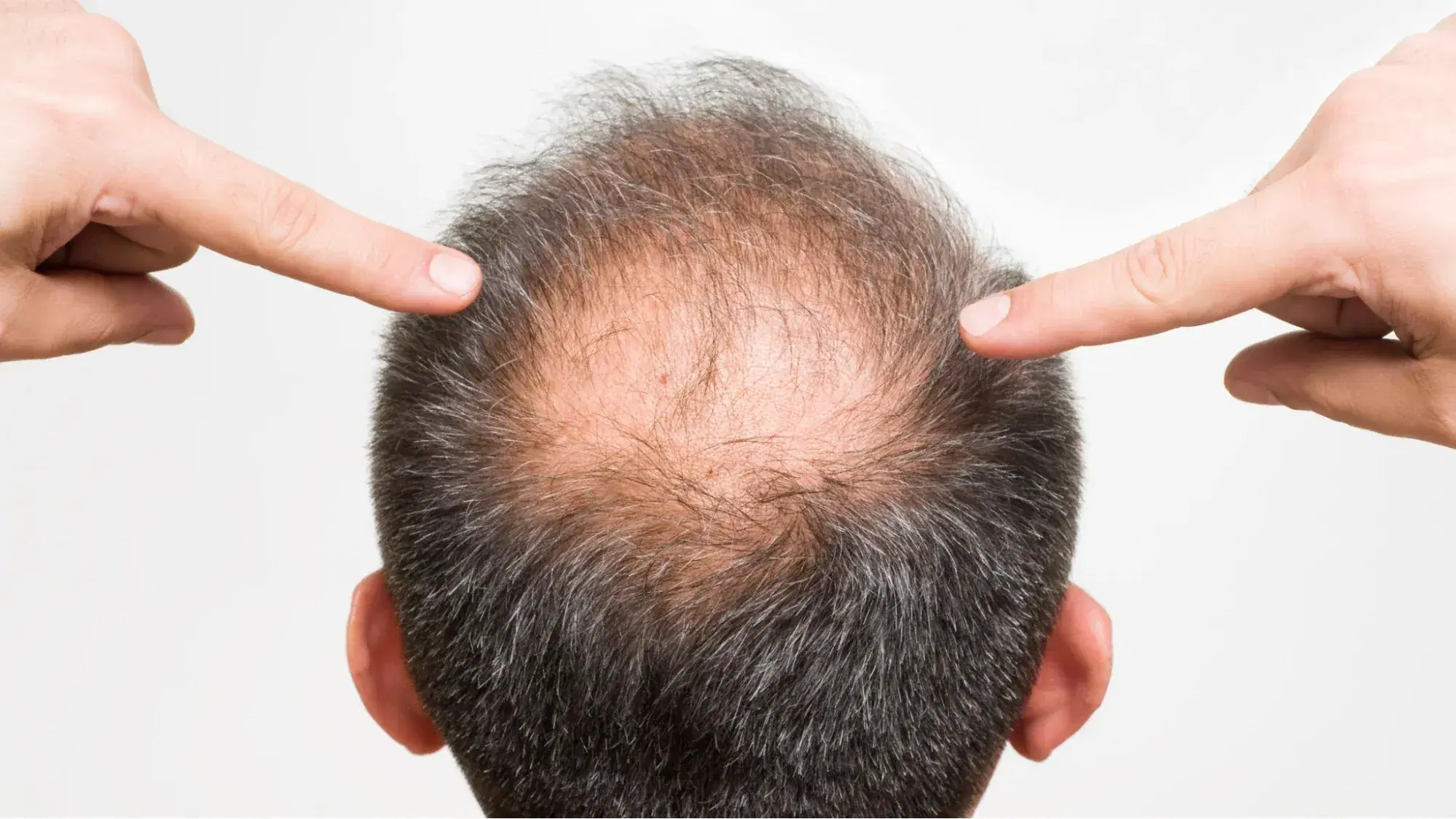
A bald spot can sometimes regrow, but the right approach depends on why the hair disappeared in the first place. The fastest safe path is to identify whether the area is caused by pattern hair loss, patchy immune-related shedding, traction, infection, irritation, or scarring, then choose hair loss treatments that match that cause. This guide walks you through how to regrow hair on a bald spot with practical steps, realistic timing, and red flags that mean you should get medical help rather than trying more products.
Can you regrow hair on a bald spot?
Yes, you may be able to regrow hair on a bald spot if the follicles are still active and the cause is treatable. Smooth round patches can happen with patchy hair loss conditions, while thinning at the crown or hairline often points to pattern hair loss; scaling, pain, pustules, broken hairs, or shiny scar-like skin can mean the plan needs medical evaluation before home treatment. Some patchy hair loss can regrow on its own, but treatments such as topical growth medicine, prescription anti-inflammatory injections, antifungal medicine, tension-free styling, or hair restoration procedures may be needed depending on the diagnosis.
The key is not to treat every bald spot the same way. A small patch from tight hairstyles needs less pulling, while a spot from infection may need oral medicine, and a scarred area may not respond to standard regrowth products. If you want to know how to regrow hair on bald spot fast, start by removing the cause quickly; speed comes from correct treatment, not from stacking random oils, supplements, or harsh scalp routines.
Step 1: Identify the type of bald spot before treating it
Look closely at the bald spot in bright light, then compare what you see with the surrounding scalp. A smooth, round, non-scaly patch may behave differently from a thinning crown, a receding hairline, or an irritated patch with flakes and broken hairs. This first step matters because the wrong treatment can waste months and, in some cases, allow preventable damage to become harder to reverse.
Use this quick self-check:
Shape and location: Round patches suggest a different cause than gradual crown thinning or temple recession.
Scalp surface: Redness, scaling, tenderness, crusting, or pus should be treated as a warning sign.
Hair behavior: Broken hairs may suggest pulling, friction, or infection rather than simple shedding.
Styling history: Braids, extensions, tight ponytails, wigs, helmets, or repeated tension can contribute to traction-related loss.
Family pattern: Gradual thinning that follows a family pattern may point toward inherited pattern hair loss.
Recent triggers: Illness, major stress, medication changes, childbirth, weight change, or nutritional issues can affect shedding.
If the spot is shiny, scar-like, painful, rapidly expanding, or associated with scaling and broken hairs, do not rely on over-the-counter regrowth products alone. Scarring hair loss and scalp infections need prompt evaluation because the follicle itself may be at risk.
Step 2: Stop anything that is damaging the follicle
Before adding treatment, remove the habits that may be keeping the bald spot active. Hair cannot recover well if the follicle is repeatedly pulled, inflamed, scratched, burned, or irritated. This is especially important for hair loss around the edges, temples, part line, or areas under tight styles.
Start with a low-tension routine for at least several months:
Loosen hairstyles immediately. Avoid tight buns, braids, extensions, cornrows, weaves, and ponytails that pull at the same area.
Reduce heat and chemical stress. Give the bald spot and nearby hair a break from high heat, aggressive bleaching, and harsh relaxing.
Protect the scalp from friction. Change tight headwear or rubbing accessories if they sit directly over the spot.
Stop picking or scratching. If itching is driving the habit, treat the itch rather than damaging the skin.
Use gentle cleansing. Keep the scalp clean, but avoid scraping, stiff brushes, or “detox” routines that inflame the area.
Early traction-related hair loss may improve when the tension stops, but continued pulling can progress toward scarring. That is why this step is not cosmetic; it is part of preserving the follicle’s ability to grow.
Step 3: Treat inflammation, scaling, or infection first
If the bald spot is flaky, sore, red, crusted, or itchy, prioritize scalp health before chasing density. Inflammation around the follicle can interrupt growth, and some infections require medicine that reaches the follicle from inside the body. Topical growth products may not solve the problem if the underlying issue is fungal, inflammatory, or scarring.
A practical approach is:
Book an evaluation for suspicious patches. Scaling with hair breakage, tenderness, swollen bumps, or spreading patches should be checked.
Avoid sharing combs, hats, and towels if infection is possible.
Do not cover an inflamed spot tightly with adhesives, heavy oils, or occlusive styling products unless advised.
Follow the full treatment plan if medicine is prescribed; stopping early can allow the problem to return.
Reassess after the scalp calms. Once redness, scaling, or pain improves, a regrowth plan can be judged more accurately.
Patchy loss from some inflammatory conditions may be treated with anti-inflammatory medicines, while fungal scalp infection usually needs oral antifungal treatment because surface-only products may not reach the hair follicle effectively.
Step 4: Use proven regrowth treatments consistently
For many people trying to regrow hair on bald spot areas caused by pattern thinning, topical minoxidil is a common starting point. It is applied to the scalp consistently, and results depend on continued use. Early shedding can happen for some users, which can feel discouraging, but stopping too soon makes it harder to know whether the treatment is working.
Follow these habits to improve consistency:
Apply only as directed. More is not better and may increase irritation.
Place it on the scalp, not just the hair. The medicine needs contact with the skin where follicles sit.
Let it dry before styling or sleeping. This reduces transfer and helps keep the dose where intended.
Track progress monthly, not daily. Hair growth is slow, and daily checking can make normal variation look like failure.
Give it enough time. Many regrowth plans require several months before meaningful change is visible.
Prescription options may be appropriate when the bald spot is part of broader pattern hair loss or when inflammation is involved. These can include medicines that affect hormones, immune activity, or scalp inflammation. Because risks, pregnancy considerations, and side effects vary, prescription hair loss treatments should be chosen with a qualified clinician rather than copied from someone else’s routine.
Step 5: Support growth from the inside without overdoing supplements
Nutrition will not regrow a bald spot overnight, but deficiencies and restrictive diets can make shedding worse. Aim for regular meals with enough protein, iron-rich foods, healthy fats, and micronutrients from a varied diet. If you suspect deficiency because of fatigue, heavy periods, digestive issues, restrictive eating, or recent illness, testing is more useful than guessing.
A balanced support plan includes:
Protein at meals: Hair is made from protein structures, so very low intake can work against growth.
Iron-aware eating: Low iron stores can contribute to shedding in some people.
Adequate vitamin D, zinc, and B vitamins: Deficiencies should be corrected, but megadosing is not a shortcut.
Stress and sleep support: High stress may worsen shedding patterns, so recovery habits matter.
Medication review: If shedding started after a new medicine, ask the prescriber whether hair loss is a possible side effect before changing anything.
Avoid taking multiple “hair growth” supplements at once unless a deficiency has been identified. Excessive supplementation can cause side effects and may confuse your ability to tell what is helping. The goal is to create a healthy growth environment while the targeted treatment addresses the actual cause.
What is the fastest safe way to regrow hair on bald spot areas?
The fastest safe way is to get the cause right early, stop ongoing damage, and use the most appropriate treatment consistently. If the bald spot is smooth and patchy, anti-inflammatory treatment may be considered; if it is caused by tension, removing traction is essential; if it is infected, antifungal treatment may be needed; if it is inherited pattern loss, long-term regrowth medicine may be used. Trying to force speed with aggressive scrubbing, irritants, or unverified mixtures can inflame the scalp and slow progress.
Set expectations by cause:
Patchy non-scarring loss: Some regrowth may appear within months, especially when the condition responds to treatment.
Pattern thinning: Visible improvement often requires steady treatment over several months.
Traction-related loss: Early cases may improve after tension stops, but longstanding tight styling can be harder to reverse.
Infection-related loss: Regrowth depends on clearing the infection and limiting inflammation.
Scarring loss: Standard regrowth products may not work well once follicles are destroyed, so early care is crucial.
If you are searching for how to regrow hair on bald spot fast, think in terms of “fastest correct treatment,” not “fastest product.” A small patch treated properly from the beginning has a better chance than a spot treated for months with the wrong remedy.
Step 6: Measure progress with photos and a simple timeline
Hair regrowth is slow enough that memory is unreliable. Take clear photos at the start, then repeat them every four weeks in the same lighting, angle, hairstyle, and hair length if possible. This keeps you from quitting too early or continuing a plan that is clearly not helping.
Use this tracking routine:
Day 1: Photograph the bald spot from several angles and write down symptoms such as itch, pain, flakes, or shedding.
Weeks 4 to 8: Look for reduced shedding, calmer scalp, or fine short hairs, but do not expect full coverage yet.
Months 3 to 6: Compare photos for density, patch size, and new growth.
After 6 months: If there is no improvement, worsening loss, or new patches, revisit the diagnosis and treatment plan.
When you track progress, focus on the spot’s border, the number of short new hairs, and whether the scalp looks calmer. A bald spot can look unchanged day to day even when early regrowth is beginning.
Step 7: Know when home care is not enough
Home care has limits. A bald spot that is spreading quickly, painful, scaly, swollen, or shiny should be evaluated. You should also get help if a child has a bald patch, if there are multiple new patches, if eyelashes or eyebrows are involved, or if the loss followed a new medication or major health change.
Seek professional guidance promptly if you notice:
A smooth patch that grows larger over weeks
Scaling, broken hairs, pus, crusting, or tenderness
A shiny or scarred-looking surface with missing follicle openings
Sudden heavy shedding across the scalp
No visible improvement after several months of consistent care
Hair loss with fatigue, weight change, fever, or other symptoms
A clinician may examine the scalp, review your health history, perform a pull test, check labs, look at hairs or skin under magnification, or take a small skin sample when the diagnosis is unclear. That information helps match treatment to the real problem instead of guessing.
Step 8: Consider advanced options for stable bald spots
If the bald spot remains after the underlying cause is controlled, advanced hair loss treatments may be considered. Options can include prescription therapies, in-office scalp treatments, or hair transplantation for selected cases. These choices depend on whether the loss is stable, whether follicles remain active, donor hair availability, scalp health, and your goals.
A hair transplant moves hair from a fuller area to a thin or bald area, but it is not a first step for every bald spot. It works best when the diagnosis is clear and hair loss is stable enough to plan around. If inflammation or scarring is active, that must be addressed first because an unhealthy scalp can compromise the result.
Maintain the gains once hair starts returning
Regrowth is only half the work. Once the bald spot improves, keep the habits that helped: avoid repeated tension, continue prescribed treatment as directed, manage scalp irritation early, and take progress photos every few months. Stopping an effective treatment too soon can allow some types of hair loss to resume.
For a simple maintenance plan, remember:
Protect the follicle: No tight styles, harsh scratching, or repeated chemical trauma over the same area.
Stay consistent: Use ongoing treatments exactly as directed.
Watch for relapse: New itching, scaling, widening, or shedding should be addressed early.
Keep expectations realistic: Regrowth may be partial, gradual, or dependent on continued therapy.