Why Did the Story Receive So Much Attention?
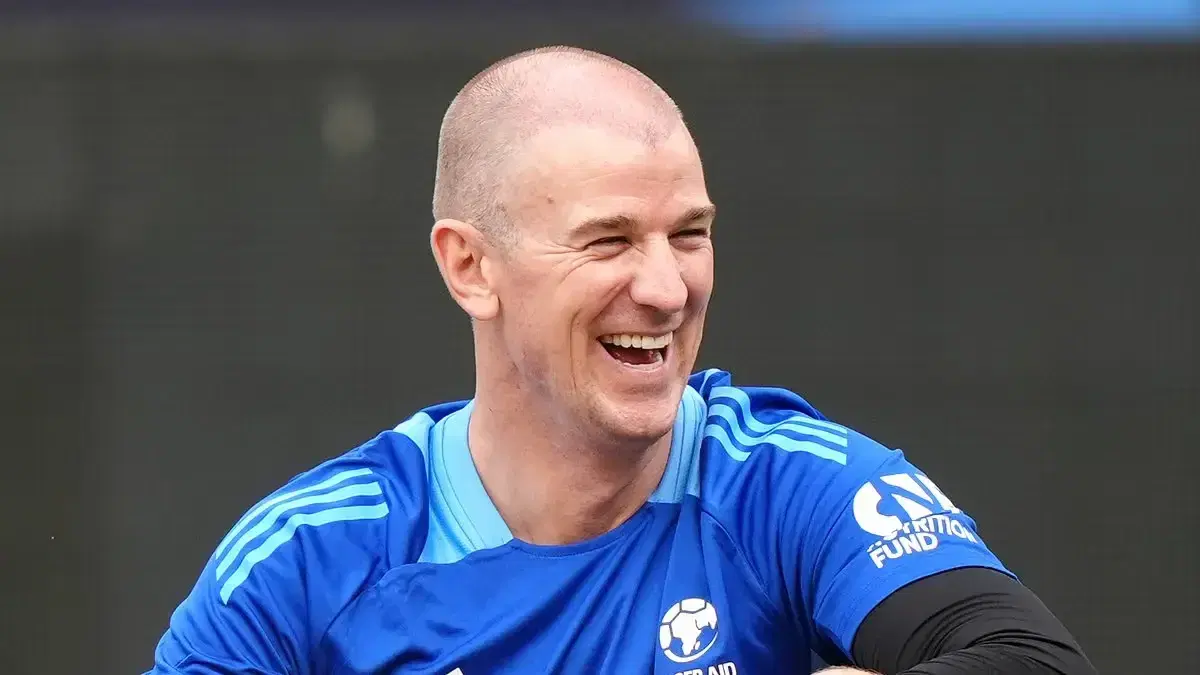
Hart’s hair had been part of his public image for many years. During his period as Manchester City and England’s goalkeeper, he was known for a short, carefully styled blond haircut and appeared in advertising connected with hair care.
Professional football also creates unusually revealing conditions for hair. Players perform outdoors in wind and rain, while high-resolution cameras record them from several angles. Strong floodlights can make the contrast between hair and scalp more noticeable, especially when the hair is wet.
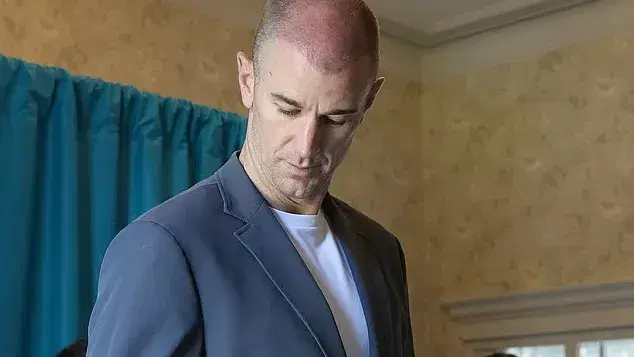
After retiring from professional football in 2024, Hart continued to appear in broadcasting and public events. When he adopted a very short style in 2025, viewers quickly noticed the difference. The combination of a recognisable public figure, visible scalp changes, and growing interest in men’s cosmetic treatment helped the story spread.
The attention also reflects a broader change in how male hair loss is discussed. Hair restoration is no longer treated as an unusual subject, and some public figures now speak openly about procedures that previous generations might have kept private.
Which Technique Might Joe Hart Have Had?
The precise method used for Joe Hart’s procedure has not been publicly confirmed. Online articles often describe it as FUE, but appearance alone cannot establish the surgical technique.
The two main donor-harvesting approaches are FUE and FUT.
Follicular Unit Excision
During FUE, individual follicular units are removed from the donor area with small circular punches. The process leaves many tiny extraction sites rather than one long incision.
FUE is often associated with short hairstyles because it does not create a linear donor scar. However, it is not scar-free. Each extraction leaves a small mark, and removing too many follicles from one area may create visible thinning or an uneven donor appearance.
The donor hair may be completely shaved, partly shaved, or managed through an unshaven technique. A shaved scalp therefore does not prove that FUE was performed.
Follicular Unit Transplantation
During FUT, sometimes called strip surgery, the surgeon removes a narrow section of hair-bearing scalp from the donor region. The area is closed with stitches or staples, leaving a linear scar. The removed tissue is then divided into individual follicular units for placement.
FUT can produce a substantial number of grafts while preserving parts of the donor area for possible future treatment. Its suitability depends on scalp flexibility, hairstyle, scar preferences, and the surgeon’s plan.
Neither method is automatically better for every patient. The choice should reflect donor characteristics, the extent of hair loss, previous surgery, healing tendencies, and long-term objectives.
Can Joe Hart’s Graft Count Be Estimated?
Some commercial articles publish estimated graft counts for celebrity procedures. These figures should be treated cautiously.
A photograph cannot show the number of transplanted follicles, the boundaries of the recipient area, the density of existing hair, or the amount of work completed in a previous session. Hair colour, shaft thickness, curl, contrast with the scalp, and styling can also influence how much coverage appears to be present.
Even an experienced surgeon would normally need close scalp examination, medical history, donor measurements, and high-quality images before discussing a graft range. Without these details, assigning a specific number to the Joe Hart hair transplant is guesswork.
The same caution applies to cost estimates. Prices vary by country, surgeon, facility, staffing model, procedure length, and the number of grafts. Unless Hart identifies the provider or discloses the amount himself, claims about what he paid remain unsupported.
What Makes a Hairline Look Natural?
A natural-looking hairline is not simply a straight row of densely packed hairs. Real hairlines contain small variations, changes in density, and irregular spacing.
Single-hair grafts are often placed near the front, while grafts containing more hairs may be used farther behind to improve visual density. The direction and angle should follow the surrounding hair and suit the patient’s facial proportions.
Age also matters. A hairline designed for a man in his twenties may not remain appropriate several decades later. Conservative planning can preserve donor follicles and reduce the risk of creating an isolated band of transplanted hair if natural hair loss progresses.
Hart’s public appearances cannot reveal the technical decisions used in his case. They can, however, illustrate why hairline design attracts as much attention as the transplant itself. A result usually appears more convincing when it complements the person’s age, forehead, existing density, and usual haircut.
What Happens During Recovery?
Hair-transplant recovery happens in stages. The scalp may appear red, tender, or swollen during the first few days. Small crusts can form around the transplanted grafts, and the donor area may feel tight or sensitive.
Patients receive specific washing and aftercare instructions. Newly placed grafts require careful handling during the early period, so scratching, rubbing, and direct pressure must usually be avoided.
Exercise restrictions vary according to the procedure and the clinician’s advice. Strenuous activity can increase sweating, swelling, or irritation, while contact sports may expose the scalp to impact. This issue is particularly relevant to athletes, although no one should assume Hart’s personal recovery schedule from his public appearances.
The transplanted hairs often shed during the first several weeks. This temporary shedding can worry patients, but the follicles may remain beneath the skin and later produce new growth.
Early regrowth commonly becomes visible after several months. Density develops gradually, and a meaningful assessment may require nine to twelve months. Crown areas can sometimes take longer than frontal regions to mature.
Lessons From the Joe Hart Hair Transplant Discussion
The Joe Hart hair transplant story shows why confirmed information should be separated from online interpretation. Hart has acknowledged undergoing a transplant at 30, but that statement does not confirm every theory attached to later photographs.
It is not known publicly which technique he received, how many grafts were used, where the operation took place, what it cost, or whether he underwent further surgery in 2025. Articles presenting these details as facts go beyond the available evidence.
His experience also highlights the emotional side of hair loss. Bright lights, rain, cameras, and repeated public scrutiny can make thinning hair feel more noticeable. A person does not need to be a professional athlete to experience similar concerns at work, in photographs, or during social situations.
Hair restoration can be a reasonable personal choice, but a celebrity result should not be used as a treatment plan. Two people with similar-looking hairlines may have different diagnoses, donor reserves, hair characteristics, and future patterns of loss.
Final Thoughts
Joe Hart has publicly stated that he had a hair transplant at the age of 30. More recent appearances generated discussion about possible additional treatment, but the available information does not confirm another operation or disclose its details.
For people researching hair restoration, the useful lesson is not to copy a celebrity’s presumed method or graft count. The more important questions concern diagnosis, donor capacity, hairline planning, surgical responsibility, recovery, and the possibility of continued natural hair loss.
A hair transplant can redistribute hair and improve coverage in a suitable candidate, but it cannot produce unlimited density or stop future thinning. Careful assessment and conservative planning are therefore more valuable than promotional promises or speculative before-and-after comparisons.