When to See a Specialist
If your hairline is changing rapidly or thinning comes with irritation, it’s wise to consult a dermatologist or restoration expert. Acting early often leads to better results, whether through medication or surgical methods.


intro
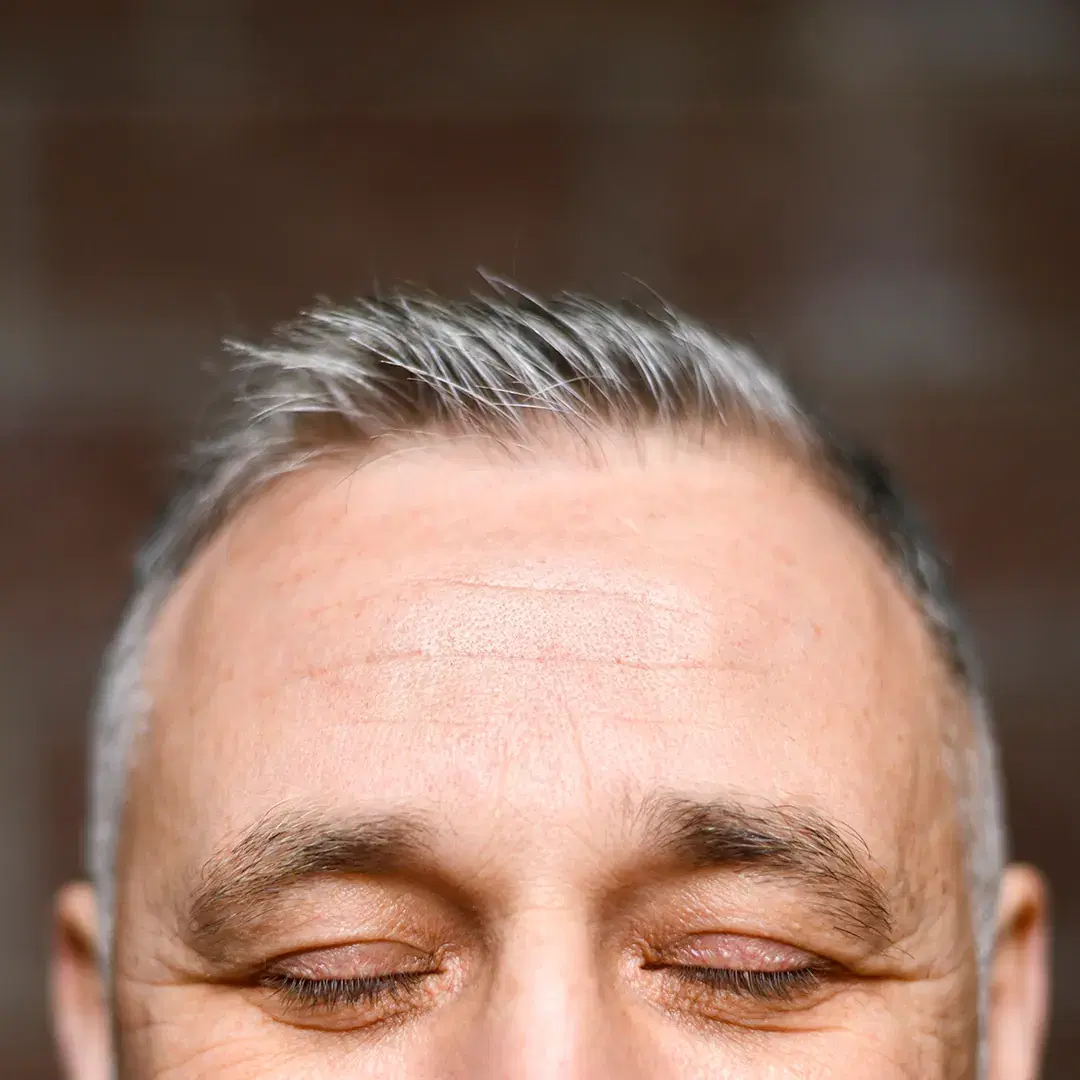
Spotting a receding hairline in the mirror can be a shock. Sometimes it happens slowly, other times it feels sudden. Whether your temples are thinning or your forehead looks higher than before, a shifting hairline is something many men and women face. The important part is knowing why it happens and what you can do about it.
Start Your Personalized Hair Treatment Journey
Book a consultation and discover the most effective hair transplant or therapy option tailored to your hair needs and expectations.
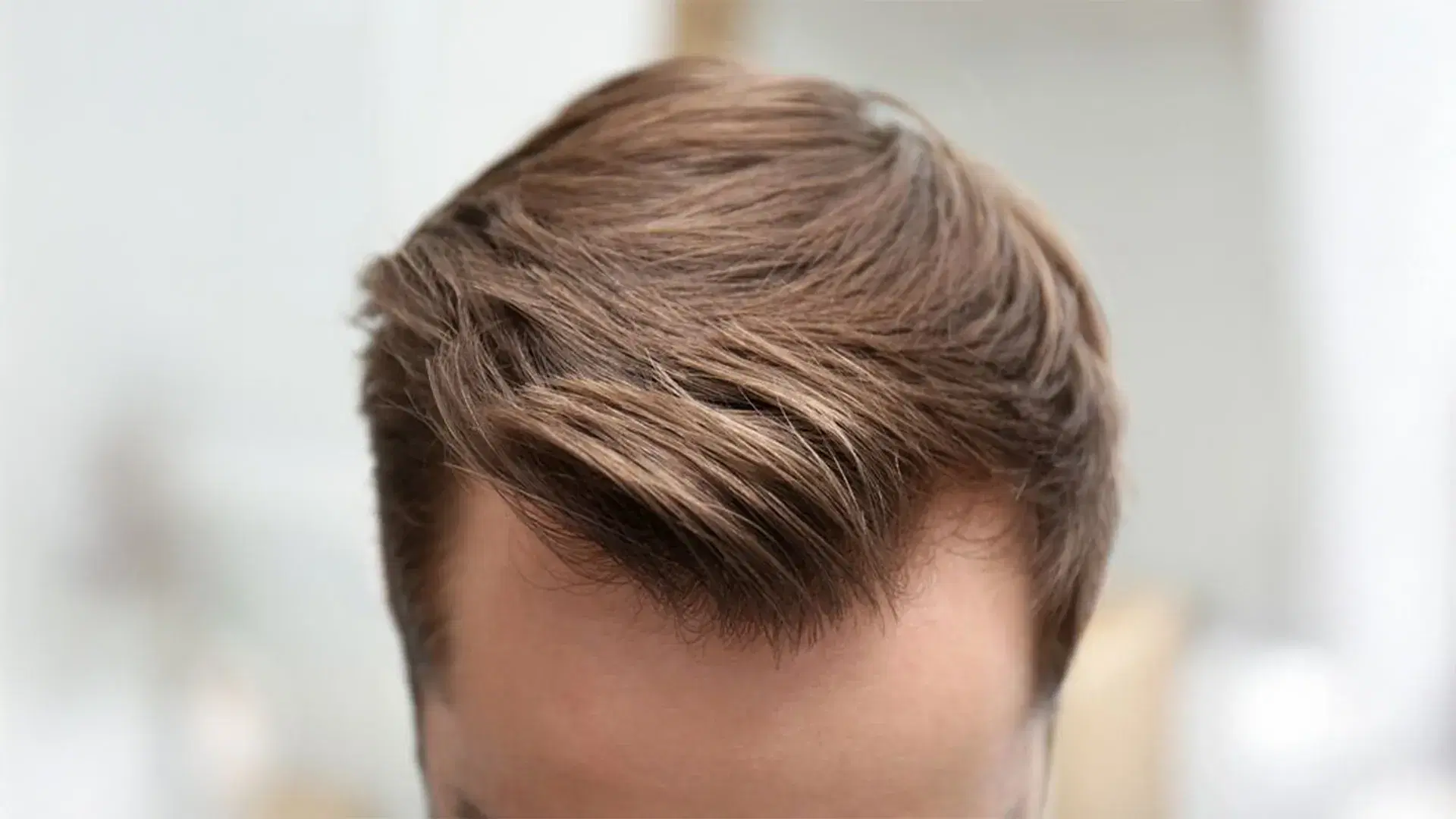
A receding hairline means gradual loss of hair around the forehead and temples. In men, the shape often forms an “M” as the sides thin first. For women, the change usually shows as temple hair loss, where the hair near the sides becomes finer.
Not all changes signal baldness. Some people simply have a maturing hairline, which is a natural adjustment that eventually stops. But when the movement continues, that’s when it’s considered true recession.
A receding hairline usually develops slowly over time. Early signs include increased hair shedding, visible thinning at the temples, or a higher forehead appearance in photos. Because the process is gradual, many people do not notice it until the change becomes more obvious.
Hormones play a major role, especially sensitivity to DHT, a byproduct of testosterone that affects hair follicles. When follicles shrink, hair grows thinner, shorter, and eventually stops growing altogether. Genetics largely determine how early this process begins and how fast it progresses.
The good news is that early-stage recession is often manageable. With proper diagnosis, lifestyle adjustments, and medical or clinical treatments, further hairline loss can be slowed or even stabilized. Acting early makes a big difference in long-term results.
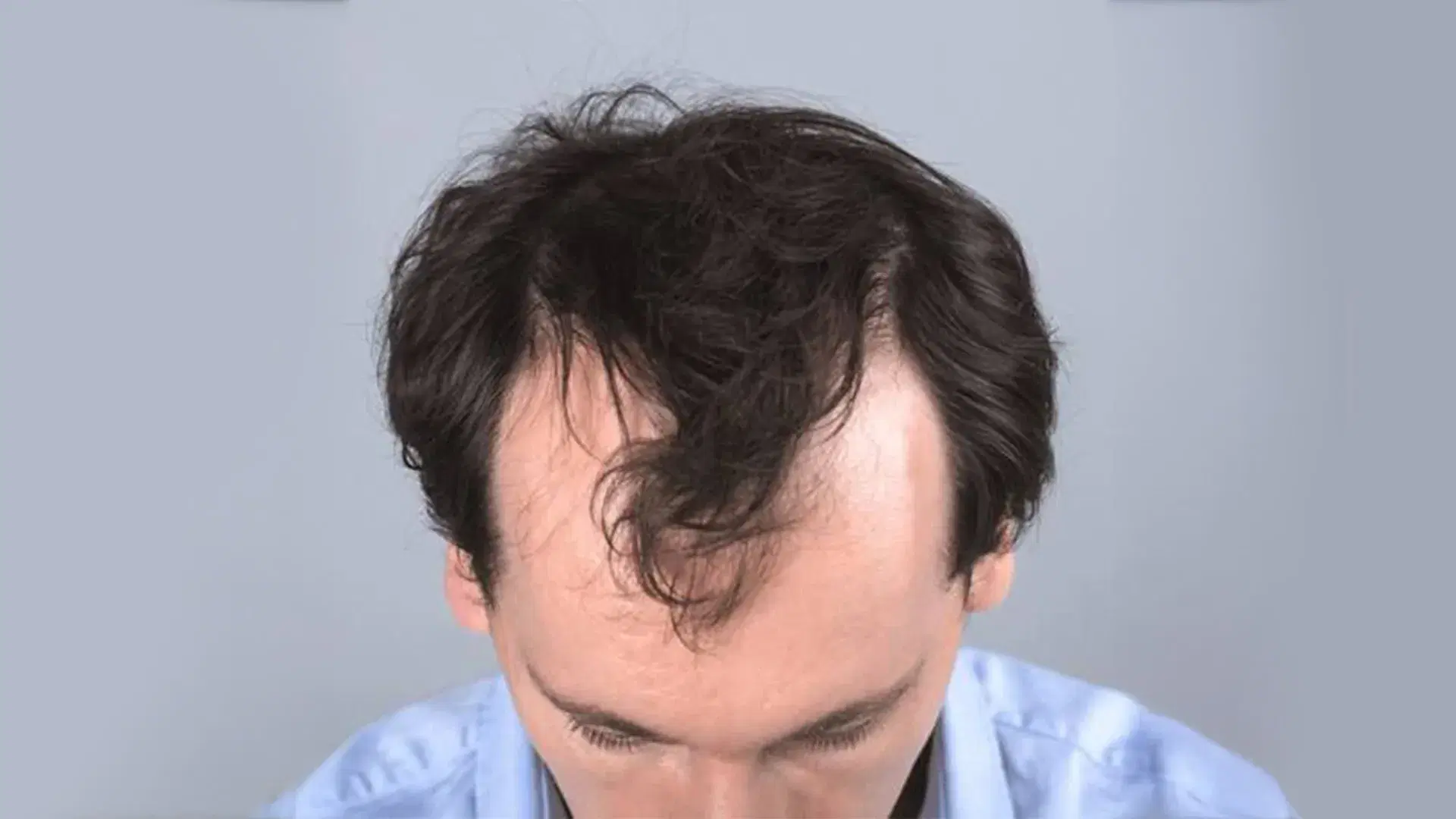
A receding hairline rarely happens overnight. In most cases, it develops due to a combination of genetic sensitivity, hormonal changes, and lifestyle factors. Understanding the root cause is essential, because the reason behind your hairline loss directly affects which treatments will actually work.
Genetics are the most common reason for a receding hairline. If close family members experienced early or progressive hairline loss, your follicles may be programmed to respond the same way. This inherited sensitivity makes certain areas, especially the temples and frontal hairline, more vulnerable to thinning.
Hormones play a major role, particularly DHT, a derivative of testosterone. DHT binds to hair follicles and gradually causes them to shrink. As follicles miniaturize, hair becomes finer, grows more slowly, and eventually stops growing. This process is known as androgenetic hair loss.
As the body ages, hair growth cycles slow down. New hair grows thinner and takes longer to replace shed strands. While aging alone does not always cause visible recession, it often accelerates hairline loss in people who are already genetically prone.
Chronic stress raises cortisol levels in the body, which can push hair follicles into a resting phase. This leads to increased shedding and slower regrowth. While stress does not permanently damage follicles, ongoing stress can worsen existing hairline recession.
Medical issues such as thyroid imbalance, autoimmune disorders, or chronic scalp inflammation can disrupt healthy hair growth. These conditions may weaken follicles or interfere with the growth cycle, making hairline thinning more noticeable.
Poor nutrition, smoking, lack of sleep, and irregular routines all affect scalp health and blood circulation. When follicles do not receive enough oxygen and nutrients, hair growth weakens. Over time, unhealthy habits can speed up hairline recession.
If your hairline is receding faster than expected, early evaluation gives you more control. Identifying the cause early opens the door to prevention and more effective treatment options.

The right cut makes a big difference in how visible a thinning hairline looks. Popular hairstyles for men with a receding hairline include:
Buzz cut: Short and even, minimizing contrast.
Crew cut: Some length on top with neat sides.
Textured crop: Layers that hide thinner spots.
Undercut with slick back: Bold, embracing the hairline rather than hiding it.
These styles shift focus from the forehead to the overall look.

Women can disguise temple thinning with clever styling. Side parts cover sparse areas, bangs soften a high forehead, and layers create extra volume. With the right hairstyles for a thinning hairline, confidence can stay intact.
Soft, textured bangs are one of the most effective options. Curtain bangs or wispy fringes frame the face without putting pressure on the hairline. They help break the visual line of recession while still looking light and modern.
Medium-length cuts with layers add movement and fullness, especially around the temples. Avoid blunt cuts that end at the hairline, as they can draw attention to thinning areas. Instead, ask for feathered layers that blend naturally.
Styling techniques also matter. Blow-drying with a round brush, using volumizing products, and avoiding heavy oils near the hairline can make a noticeable difference. Tight ponytails and slicked-back styles should be limited, as they pull on already fragile hair and can worsen thinning over time.
Choosing the right hairstyle is not just about hiding hair loss. It’s about reducing stress on the hairline while enhancing overall volume and balance.

Sometimes, the bold move is embracing change. Many men go for haircuts for a receding hairline that show confidence. Clean fades, shaved heads, or close buzz cuts are all strong choices. Pairing these with facial hair can also balance the look.
A short buzz cut minimizes contrast between thinning and fuller areas, making hair loss far less noticeable. It also removes the stress of styling and works well for men whose hairline is receding evenly.
Fades are another smart option. High or mid fades draw attention away from the hairline and toward the sides, creating a cleaner and sharper appearance. Keeping the top short prevents the hair from looking patchy or weak.
For men who prefer a bit more length, textured crops can work when styled forward. This helps reduce focus on the temples without forcing coverage that looks unnatural. Heavy comb-overs should be avoided, as they often highlight thinning rather than hide it.
The key is choosing a cut that fits your face shape, hair density, and lifestyle. A confident, intentional haircut always looks better than trying to fight natural hairline changes.
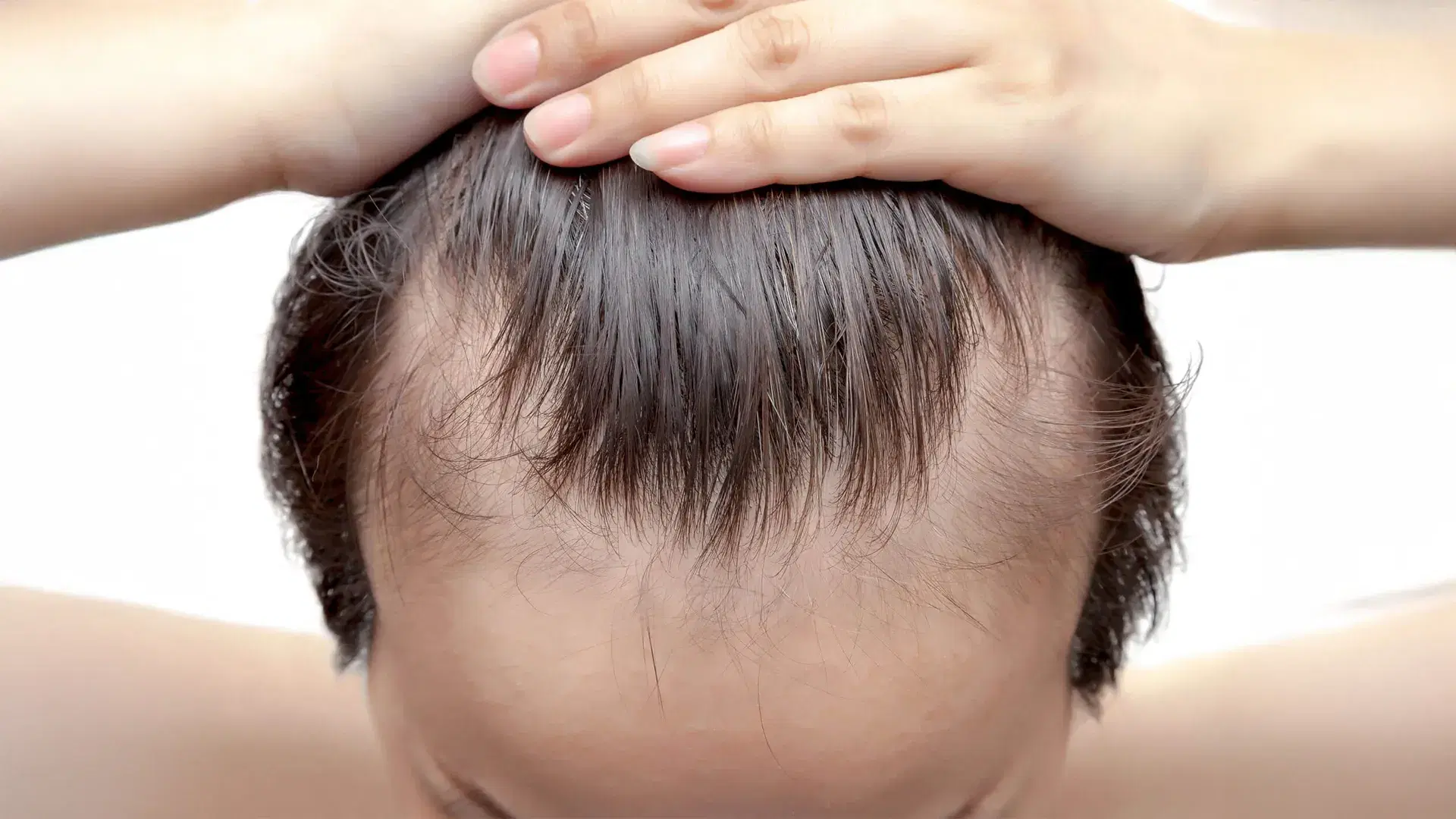
Here’s the big question: how to stop hairline receding once it begins. While no single cure exists, several approaches help slow or restore growth.
Minoxidil: A topical solution that stimulates follicles. Learn more about how Minoxidil works for hair loss.
Finasteride: A pill that lowers DHT and slows loss.
Laser therapy: Improves blood flow in the scalp.
Eat protein-rich meals with vitamins and minerals.
Manage stress with exercise or relaxation techniques.
Stay hydrated and get consistent sleep.
For long-term solutions, hair transplants are highly effective. Advanced techniques like DHI (Direct Hair Implantation) use fine tools to place healthy follicles into thinning areas, creating a natural, lasting hairline.
If your hairline is changing rapidly or thinning comes with irritation, it’s wise to consult a dermatologist or restoration expert. Acting early often leads to better results, whether through medication or surgical methods.
A receding hairline doesn’t mean giving up on confidence. From smart hairstyles to advanced treatments like DHI, there are plenty of solutions. Some people slow thinning with medication, others disguise it with styling, and many rebuild their hairline permanently through transplants. Whatever path you choose, the goal is simple: feeling good in your own skin.
Start Your Personalized Hair Treatment Journey
Book a consultation and discover the most effective hair transplant or therapy option tailored to your hair needs and expectations.
Simple Placeholder Title
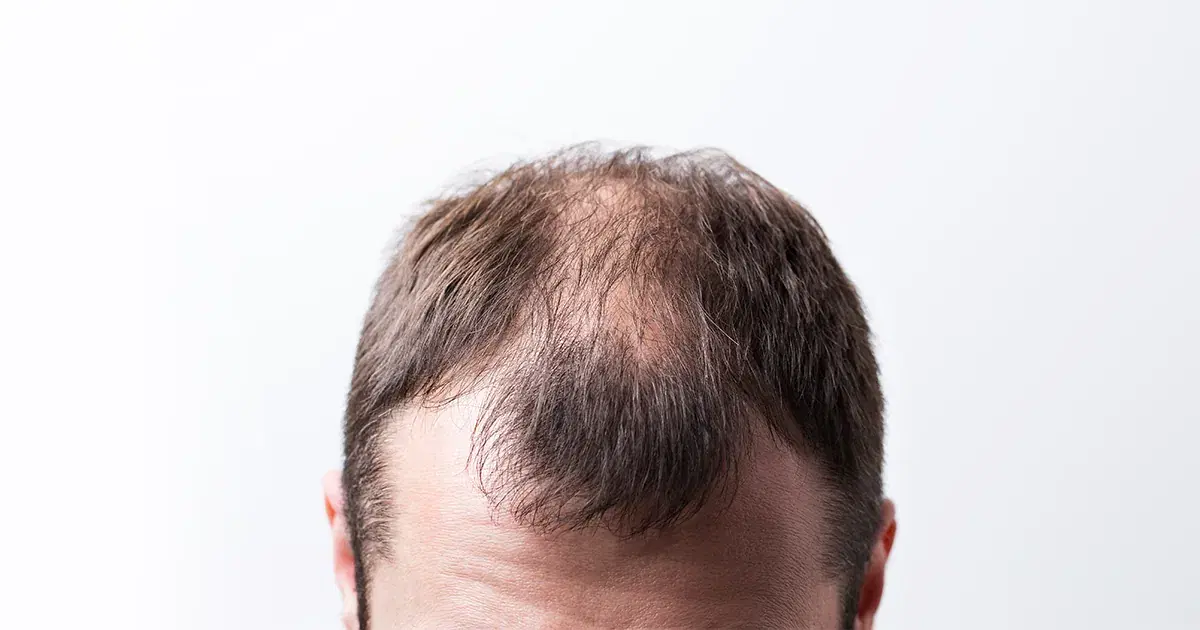
Pattern baldness, or androgenetic alopecia, affects men and women differently. What causes it, and which treatments really make a difference?
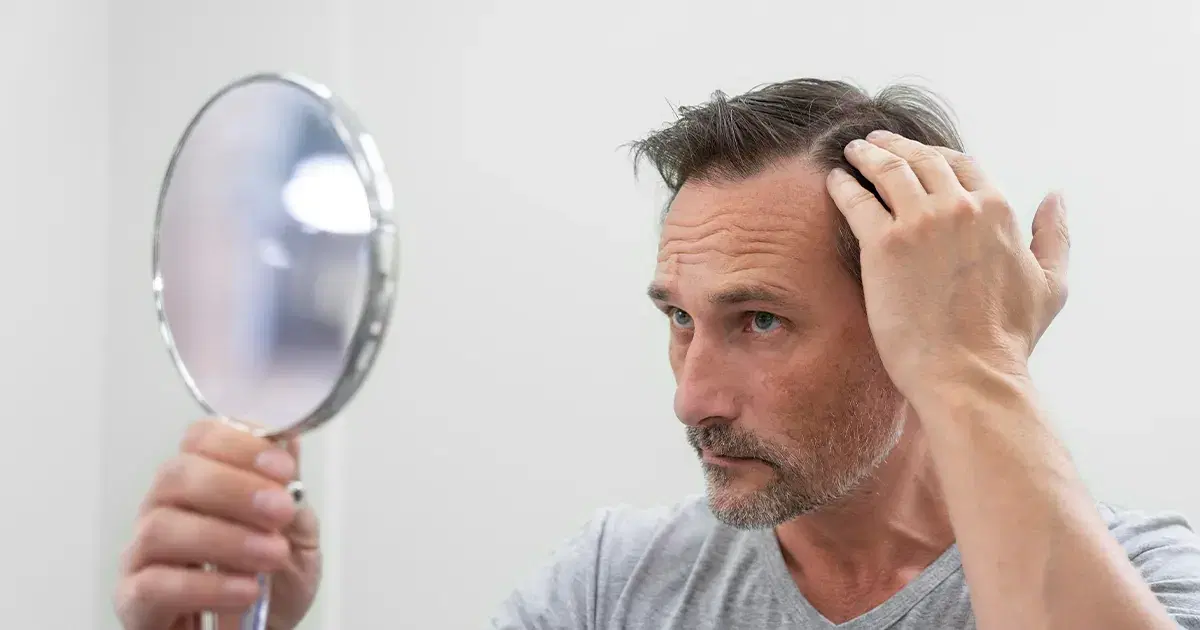
What does hair density mean? How to increase hair density? Find clear answers and tips for healthier, fuller-looking hair.
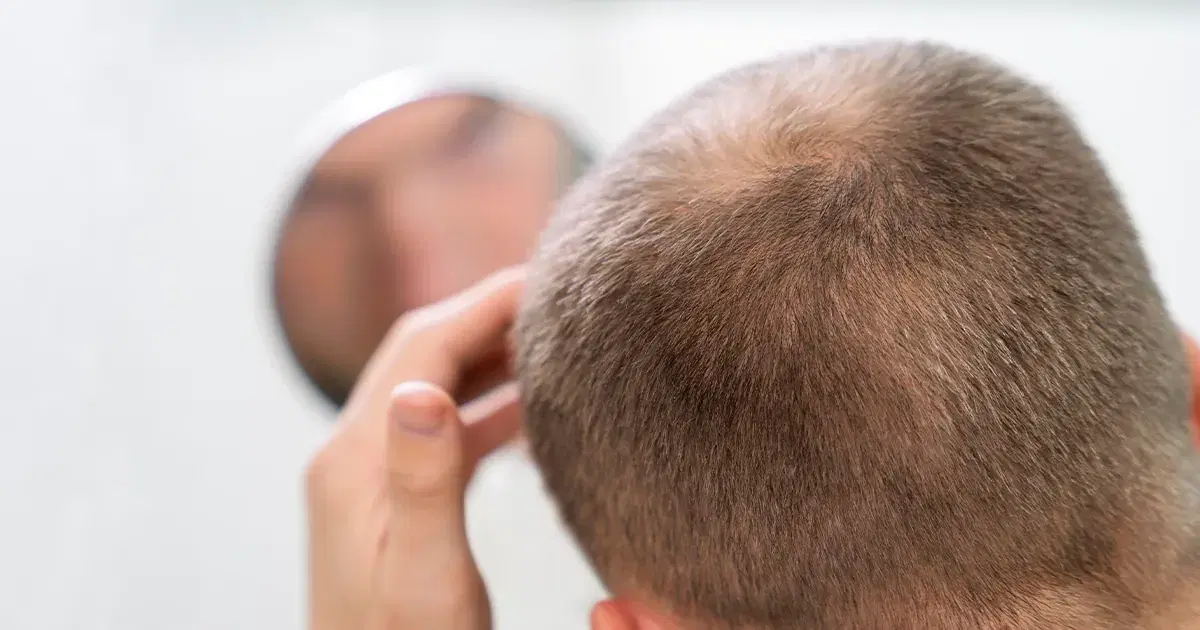
Hair loss is common but treatable. Learn about symptoms, causes, and effective treatments including therapies and hair transplants.