
What Is Red Light Therapy for Hair Loss?
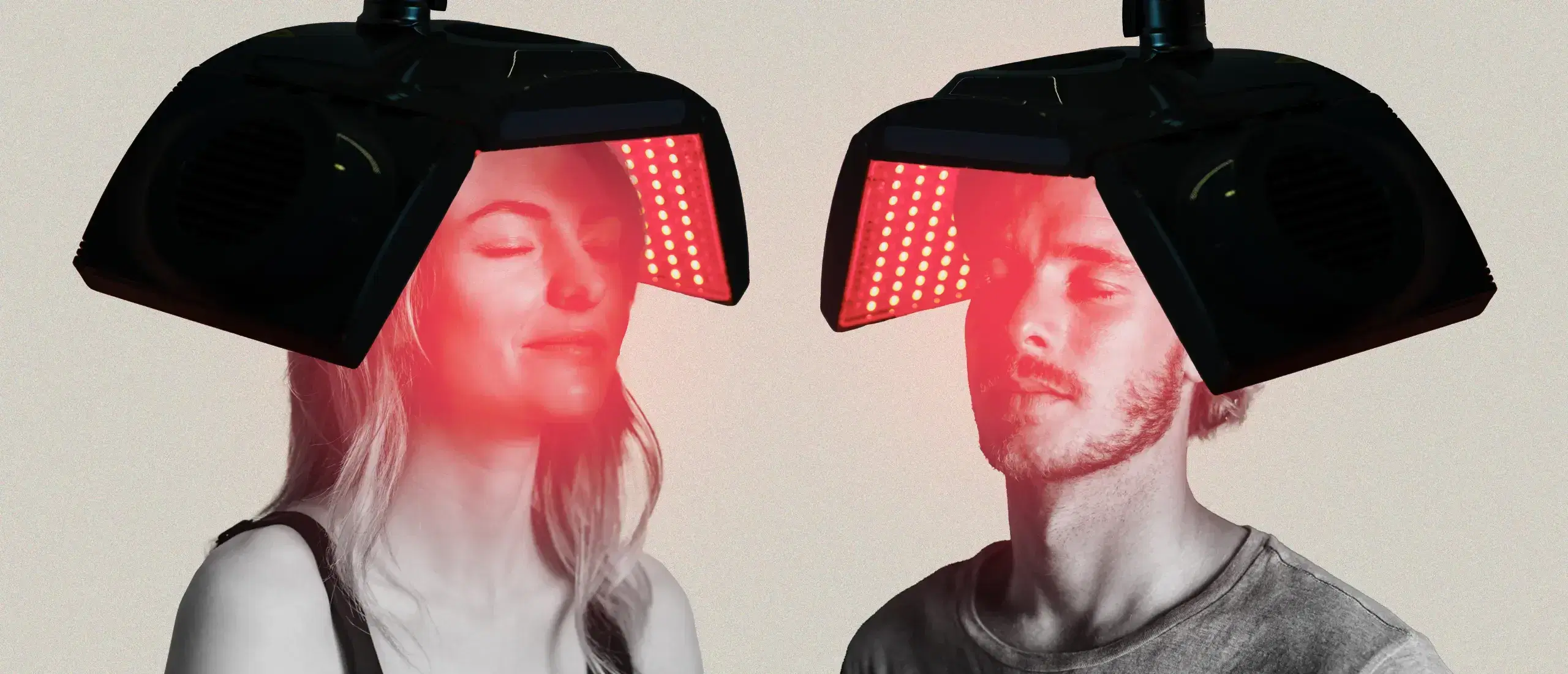
Red light therapy is a light-based treatment that uses specific wavelengths, often in the red or near-infrared range, to interact with cells in the scalp. In hair care, many devices use low-level light therapy, also called low-level laser therapy or photobiomodulation. These devices usually come as caps, helmets, combs, or clinic-based panels.
The treatment does not burn the skin or remove tissue. Instead, it delivers gentle light energy to the scalp. The goal is to encourage follicles to stay active for longer and support the natural growth cycle. Many people choose it because it feels simple: place the device on the scalp, follow the recommended session time, and repeat the routine several times per week.
However, the best results usually appear when the hair follicles still have activity. If an area has been completely bald for many years, red light therapy may offer limited improvement. It works better for thinning hair, early pattern hair loss, and weaker strands that still grow but lack density.
How Red Light Therapy Supports Hair Growth
Hair grows in cycles. The active growth phase, called the anagen phase, determines how long and strong each strand can become. When hair loss begins, follicles may shrink, produce finer strands, or enter resting phases too soon. Red light therapy aims to support healthier follicle behavior by improving cellular energy and encouraging a better scalp environment.
The light may help stimulate mitochondria, the energy-producing parts of cells. When cells work more efficiently, follicles may respond with stronger activity. This process can support thicker-looking hair over time, especially when the cause of hair loss involves miniaturized follicles rather than scarring or permanent follicle damage.
Red light therapy may also support microcirculation in the scalp. Better blood flow can help deliver oxygen and nutrients to the follicle area. This does not mean light therapy “feeds” the hair by itself, but it may create conditions that help existing follicles perform better.
Who May Benefit Most?
People with early-stage androgenetic alopecia, often called male or female pattern hair loss, may benefit most from red light therapy. This type of hair loss usually develops gradually. Men often notice recession at the temples or thinning at the crown. Women often see widening at the part line or reduced volume across the top of the scalp.
Red light therapy may also appeal to people who want a drug-free addition to their hair routine. Some use it alongside topical treatments, scalp care, or professional plans recommended by a dermatologist. It may suit people who prefer a non-invasive option and can commit to regular sessions.
That said, red light therapy will not solve every type of hair loss. Sudden shedding, patchy bald spots, scalp inflammation, iron deficiency, thyroid issues, postpartum shedding, medication-related loss, and autoimmune conditions need proper evaluation. A person can waste months using a device if the real trigger requires medical attention.
What Results Can You Expect?
Realistic expectations matter. Red light therapy usually works slowly. Most people should not judge results after two or three sessions. Hair growth takes time because follicles move through natural cycles. Many users watch for changes over three to six months, while stronger visible results may take longer.
Early signs can include less shedding, improved texture, or a fuller feeling at the roots. Later, some people may notice better density in thinning areas. Photos often help because daily mirror checks can make progress hard to see. Taking pictures in the same lighting, from the same angle, once a month gives a clearer view.
Results vary. Age, genetics, hormone sensitivity, scalp health, nutrition, stress, device quality, and consistency all influence the outcome. Red light therapy can support hair growth, but it cannot rewrite every cause of hair loss. The best approach treats it as one useful part of a broader plan, not as a miracle cure.
How to Use Red Light Therapy Safely
Follow the device instructions exactly. More time does not always mean better results. Overusing a device may irritate the scalp or simply add no extra benefit. Most home-use devices recommend sessions several times per week, often for a set number of minutes.
Use the device on a clean, dry scalp when possible. Heavy styling products can block light from reaching the scalp evenly. Parting the hair or choosing a cap that fits closely can improve coverage. Consistency matters more than intensity. A realistic schedule that continues for months works better than aggressive use for two weeks followed by long breaks.
Eye protection may be necessary with some devices, especially combs or open light panels. People with photosensitivity, active scalp disease, a history of skin cancer on the scalp, or medications that increase light sensitivity should speak with a healthcare professional before starting.
Red Light Therapy vs. Other Hair Loss Options
Red light therapy often attracts attention because it feels low-risk and easy to use. Still, it works differently from common hair loss treatments. Topical minoxidil, for example, directly supports the growth phase and has a long history of use. Prescription treatments may address hormonal pathways in suitable candidates. Hair transplant surgery moves follicles from denser areas to thinning areas, but it requires planning, cost, and recovery.
Red light therapy sits in a middle ground. It is non-invasive and may improve hair quality, but it requires patience. Many people use it as a complementary option rather than a replacement. A combined plan may produce better results than a single treatment, especially when a dermatologist identifies the type and stage of hair loss.
The choice depends on goals. Someone with mild thinning may start with scalp care, nutrition checks, and a red light device. Someone with fast progression may need medical treatment sooner. Someone with advanced baldness may need a transplant discussion. Matching the treatment to the cause saves time and frustration.
Choosing a Red Light Therapy Device
A good device should offer scalp coverage, comfort, clear instructions, and reliable build quality. Caps and helmets often provide more even coverage than handheld combs because they stay in place. Combs may work for smaller areas, but they demand more effort and careful movement.
Look for practical details. The device should fit securely, feel comfortable, and match the area of thinning. Session length should be realistic. A device that requires too much time may end up unused. Also consider warranty, customer support, and replacement policies.
Avoid exaggerated promises. No device can honestly guarantee full regrowth for everyone. Strong marketing language often creates unrealistic expectations. A trustworthy product focuses on consistency, gradual improvement, and suitable candidates rather than instant transformation.
Common Mistakes That Limit Results
The biggest mistake is quitting too early. Hair growth changes slowly, and many people stop before the follicles have enough time to respond. Another common mistake is using the device irregularly. Sporadic sessions rarely produce meaningful improvement.
Some people also ignore the underlying cause of hair loss. Red light therapy may support follicles, but it will not correct low iron, untreated thyroid imbalance, severe scalp inflammation, or traction from tight hairstyles. A complete routine should include gentle hair handling, balanced nutrition, scalp care, and medical evaluation when needed.
Another mistake involves judging progress only by shedding. Temporary shedding can happen for many reasons, including seasonal shifts, stress, illness, or treatment changes. Density, strand thickness, part width, and overall scalp visibility give a fuller picture.
Frequently Asked Questions
Does red light therapy for hair loss really work?
Red light therapy may help some people improve hair density and thickness, especially in early pattern hair loss. It works best when follicles still produce hair. Results vary, so consistency and realistic expectations matter.
How long does it take to see results?
Most people need at least three to six months before they notice visible changes. Hair grows slowly, and the follicles need time to respond. Monthly photos can make progress easier to track.
Can red light therapy regrow hair on bald spots?
It may help thinning areas where follicles remain active, but it usually has limited effect on long-standing bald spots with inactive follicles. Advanced hair loss often needs a different treatment plan.
Is red light therapy safe for the scalp?
Most people tolerate it well when they follow device instructions. Overuse, poor-quality devices, or existing scalp conditions can create problems. Anyone with light sensitivity or scalp disease should seek professional advice first.
Can red light therapy be used with minoxidil?
Many people combine red light therapy with minoxidil as part of a broader hair growth routine. A dermatologist can help decide whether this combination fits the type and stage of hair loss.
How often should red light therapy be used?
Frequency depends on the device. Many home devices recommend several sessions per week for a specific number of minutes. Following the manufacturer’s guidance gives the safest and most consistent approach.
Is a cap better than a comb?
A cap or helmet often gives more even coverage and requires less effort. A comb may suit smaller areas, but it takes more precision. The best choice depends on the thinning pattern and comfort.
Can women use red light therapy for hair loss?
Yes. Women with thinning hair or female pattern hair loss may consider red light therapy. However, sudden shedding, postpartum hair loss, or patchy loss should be evaluated before starting treatment.
What happens if treatment stops?
Any benefits may gradually fade if the underlying hair loss continues. Like many hair support treatments, red light therapy works best as a long-term routine rather than a one-time solution.