
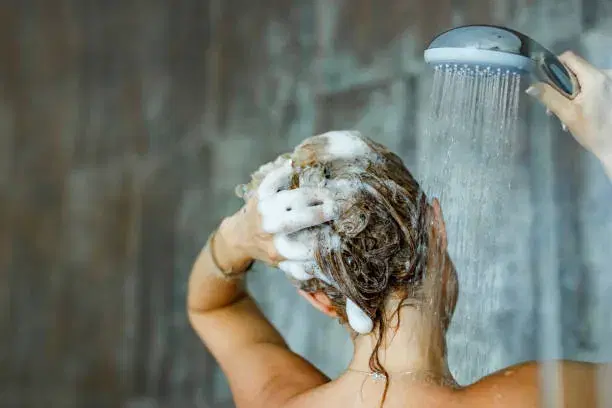
Shampoo for hair loss should do more than promise thicker hair on the front of a bottle. It should support a healthier scalp, reduce breakage, cleanse without irritation and fit the real cause of your shedding or thinning.
Choosing the best shampoo for hair loss also requires realistic expectations. Shampoo stays on the scalp for a short time, so it cannot replace medical treatments for genetic hair loss, hormonal thinning or autoimmune conditions. Still, the right formula can make your hair look fuller, calm an irritated scalp and reduce the damage that makes thinning appear worse. The key is understanding what a shampoo can and cannot do.
Why Shampoo Matters for Hair Loss
Shampoo does not create new follicles. It cannot permanently reverse bald patches or restore density when follicles have already stopped producing hair. However, it can still play a valuable role in a broader hair care plan.
A good shampoo removes oil, sweat, dead skin and styling residue from the scalp. This matters because scalp buildup can make hair look flat, greasy and thinner than it really is. A clean scalp also allows topical treatments, such as minoxidil, to spread more evenly when your doctor recommends them.
The wrong shampoo can create problems. Harsh cleansers may leave the scalp dry, itchy or irritated. Heavy formulas may weigh fine hair down and make thinning more visible. Overly fragranced products can trigger sensitivity in some people.
Shampoo works best when it matches your scalp condition, hair texture and type of hair loss.
Understand the Cause Before Choosing a Shampoo
Hair loss can happen for many reasons. Genetic pattern thinning, stress-related shedding, postpartum hair loss, thyroid disease, iron deficiency, scalp inflammation and harsh styling habits can all affect density.
A shampoo that helps one problem may do very little for another. For example, an anti-dandruff shampoo may help when itching and inflammation increase shedding. A volumising shampoo may improve the appearance of fine hair but will not treat hereditary follicle miniaturisation.
Sudden shedding after illness, rapid weight loss or emotional stress often involves telogen effluvium. In that situation, your hair cycle may recover once the trigger settles, although regrowth takes time. Shampoo can support the scalp, but it cannot instantly reset the cycle.
A widening part, thinning crown or receding hairline may point to androgenetic alopecia. This condition usually needs targeted medical treatment if you want to slow progression.
What Makes a Shampoo Good for Hair Loss?
A useful hair loss shampoo should clean effectively without stripping the scalp. It should leave the roots light, not coated. It should also reduce irritation, because an inflamed or itchy scalp can worsen breakage and shedding.
Look for a formula that suits your scalp type. Oily scalps often need more regular cleansing and lighter textures. Dry or sensitive scalps may need gentler surfactants and soothing ingredients.
The best shampoo should also match your hair shaft. Fine hair usually benefits from lightweight volumising formulas. Curly, coily or chemically treated hair may need more conditioning support to prevent breakage.
Avoid judging a shampoo only by how much it foams. Strong foam does not always mean better cleansing, and low-foam formulas can still clean well.
Key Ingredients to Look For
Some ingredients support scalp health more convincingly than others. Ketoconazole, zinc pyrithione, selenium sulfide and salicylic acid may help when dandruff, seborrheic dermatitis or scalp buildup contributes to itching and shedding.
Ketoconazole shampoos can reduce yeast-related scalp inflammation and flaking. Some studies suggest ketoconazole may also support hair shaft diameter in androgenetic alopecia, but it should not replace proven treatments.
Zinc-based shampoos may help control dandruff and mild scalp irritation. They can also reduce flaking that makes the scalp uncomfortable.
Salicylic acid helps loosen scale and product buildup. It may suit oily or flaky scalps, but frequent use can feel drying for some people.
Niacinamide, panthenol, glycerin and aloe can improve comfort and moisture balance. They will not cure hair loss, but they may make the scalp and hair feel healthier.
Ingredients That Need Caution
Hair growth marketing often exaggerates ingredient claims. Caffeine, rosemary, biotin, peptides and botanical extracts appear in many shampoos, but a rinse-off product may not deliver enough contact time to produce dramatic regrowth.
Biotin shampoo can improve the feel of the hair shaft in some formulas, but biotin deficiency is uncommon. A shampoo containing biotin does not correct an internal deficiency.
Strong essential oils may irritate sensitive skin. “Natural” does not always mean gentle. Peppermint, tea tree and rosemary oils can cause burning or allergic reactions in some people, especially at high concentrations.
Avoid heavy silicones and oils if your hair is very fine and flat. These ingredients can make strands look smoother, but they may also reduce volume at the roots.
You should also be cautious with shampoos that promise to block DHT completely. A shampoo alone rarely provides the same effect as prescription treatment.
Best Shampoo for Genetic Hair Thinning
Genetic hair thinning usually needs more than shampoo. Male and female pattern hair loss involve follicle miniaturisation, where sensitive follicles gradually produce finer and shorter strands.
A shampoo cannot fully stop this process. However, it can improve the appearance of density and support the scalp while you use treatments recommended by a clinician.
For this type of hair loss, choose a gentle volumising shampoo if your scalp is not irritated. It should lift the roots without leaving a waxy residue. If dandruff or inflammation also appears, a medicated anti-dandruff shampoo may help as part of the routine.
You may need topical minoxidil, oral medication, hormonal treatment, platelet-based therapy or hair transplantation depending on your diagnosis and goals. Shampoo should support this plan rather than replace it.
Best Shampoo for Dandruff-Related Shedding
Dandruff does not usually destroy hair follicles. However, itching, scratching and inflammation can increase shedding or break fragile strands.
When flakes, redness or itchiness appear alongside hair loss, an anti-dandruff shampoo may help. Ingredients such as ketoconazole, zinc pyrithione, selenium sulfide or salicylic acid can reduce scale and calm the scalp.
Use medicated shampoo correctly. Many formulas need to sit on the scalp for several minutes before rinsing. Applying and washing it off immediately may reduce its effect.
Do not scrape flakes with your nails. This can irritate the skin and pull out hairs that are already loose.
If your scalp develops pain, thick crusting, pus, sores or patchy hair loss, arrange a medical assessment. Another condition may be present.
Best Shampoo for Fine and Fragile Hair
Fine hair often looks thinner when a shampoo leaves residue behind. A lightweight volumising formula can help the roots stand away from the scalp and create the appearance of more density.
Look for words such as lightweight, volumising or residue-free. These shampoos usually cleanse without coating the strands heavily.
Fragile hair needs a different approach. If your hair breaks easily from bleach, heat or chemical treatments, choose a strengthening or bond-supporting shampoo and pair it with a conditioner. Breakage can mimic hair loss by reducing length and volume.
Do not over-wash damaged lengths with harsh formulas. Focus shampoo on the scalp and allow the lather to rinse through the ends. Conditioner should mainly go on the mid-lengths and ends, not the scalp, unless the product specifically suits scalp use.
Best Shampoo for Curly or Coily Hair Loss
Curly and coily hair can hide shedding until wash day, when loose strands come out all at once. This does not always mean that the shampoo caused hair loss.
These hair types often need moisture and slip to reduce breakage during detangling. A very harsh shampoo may leave strands dry and prone to snapping. On the other hand, heavy product buildup on the scalp can worsen itching and flatten the roots.
Choose a gentle cleanser that removes buildup without stripping the hair. Use a moisturising conditioner and detangle carefully with your fingers or a wide-tooth comb.
If you wear protective styles, avoid leaving them too tight or too long. Shampoo can clean the scalp, but it cannot reverse traction caused by repeated pulling at the hairline.
How Often Should You Wash Thinning Hair?
The right washing frequency depends on your scalp, not on a universal rule. Oily scalps may need washing every day or every other day. Dry scalps may feel better with less frequent cleansing.
Washing does not pull healthy growing hairs from the follicle. It mainly releases strands that have already completed their cycle. If you wash less often, more loose hairs may collect and fall during one wash, making the shedding look worse.
A clean scalp can make thinning hair look fuller. Grease causes strands to clump together, which reveals more skin.
If you use minoxidil, styling products or scalp treatments, regular cleansing may help prevent buildup. Adjust your schedule according to comfort, oiliness and your dermatologist’s advice.
How to Use Hair Loss Shampoo Properly
Apply shampoo to the scalp rather than the ends. Massage gently with your fingertips to loosen oil and buildup. Avoid using your nails, especially when your scalp already feels itchy.
Let medicated shampoos sit for the recommended time before rinsing. Follow the label or your clinician’s instructions.
Rinse thoroughly. Leftover shampoo can irritate the scalp and make hair feel rough.
Use conditioner where your hair needs it. Fine hair may only need a small amount on the ends. Dry or textured hair may need richer conditioning to reduce breakage.
Give a new shampoo several weeks before judging results, unless it causes burning, rash or severe dryness. Hair density changes slowly, so immediate results usually reflect styling effects rather than true regrowth.
When Shampoo Is Not Enough
Shampoo should not be your only strategy when hair loss continues, worsens or creates visible thinning.
See a dermatologist if your part keeps widening, your hairline recedes, your crown becomes more visible or your shedding lasts longer than a few months. Early treatment often gives better results, especially with genetic hair loss.
Seek help sooner if you notice circular bald patches, scalp pain, burning, redness, thick scaling or sores. These signs may point to autoimmune, infectious or inflammatory conditions.
Blood tests may help when fatigue, heavy periods, weight changes, thyroid symptoms or restrictive dieting occur with hair loss. Low iron, thyroid dysfunction and nutritional deficiencies need targeted treatment.
A good shampoo can support recovery, but diagnosis directs the real plan.
Frequently Asked Questions
Can shampoo stop hair loss completely?
Shampoo cannot stop every type of hair loss. It may reduce breakage, improve scalp health and make hair look fuller. Genetic, hormonal, autoimmune or nutritional causes usually need targeted treatment.
Is ketoconazole shampoo good for hair loss?
Ketoconazole may help when dandruff or seborrheic dermatitis contributes to shedding. Some studies suggest possible benefits for androgenetic alopecia, but it should not replace proven medical treatments.
Can washing your hair cause more hair loss?
Washing does not remove healthy growing hair from active follicles. It releases strands that were already ready to shed. Infrequent washing may make shedding look heavier because loose hairs collect over several days.
Should you use sulfate-free shampoo for hair loss?
Sulfate-free shampoo can suit dry, curly, colour-treated or sensitive hair. However, sulfate-free does not automatically mean better for hair loss. The formula should match your scalp and hair type.
Do biotin shampoos regrow hair?
Biotin shampoos may improve the feel of hair in some cases, but they do not usually regrow hair unless a true biotin deficiency exists. Internal deficiencies require medical assessment.
What shampoo is best for thinning oily hair?
A lightweight volumising shampoo or a gentle clarifying formula may help oily, thinning hair look fuller. If flakes or itching occur, a medicated anti-dandruff shampoo may be more appropriate.
How long does hair loss shampoo take to work?
Cosmetic fullness may appear after one wash. Scalp improvement may take several weeks. True hair growth changes usually take months and often require treatments beyond shampoo.
Can shampoo make hair loss worse?
A shampoo can worsen breakage or irritation if it is too harsh, drying or allergenic for your scalp. Stop using a product that causes burning, rash, severe itching or increased scalp discomfort.