
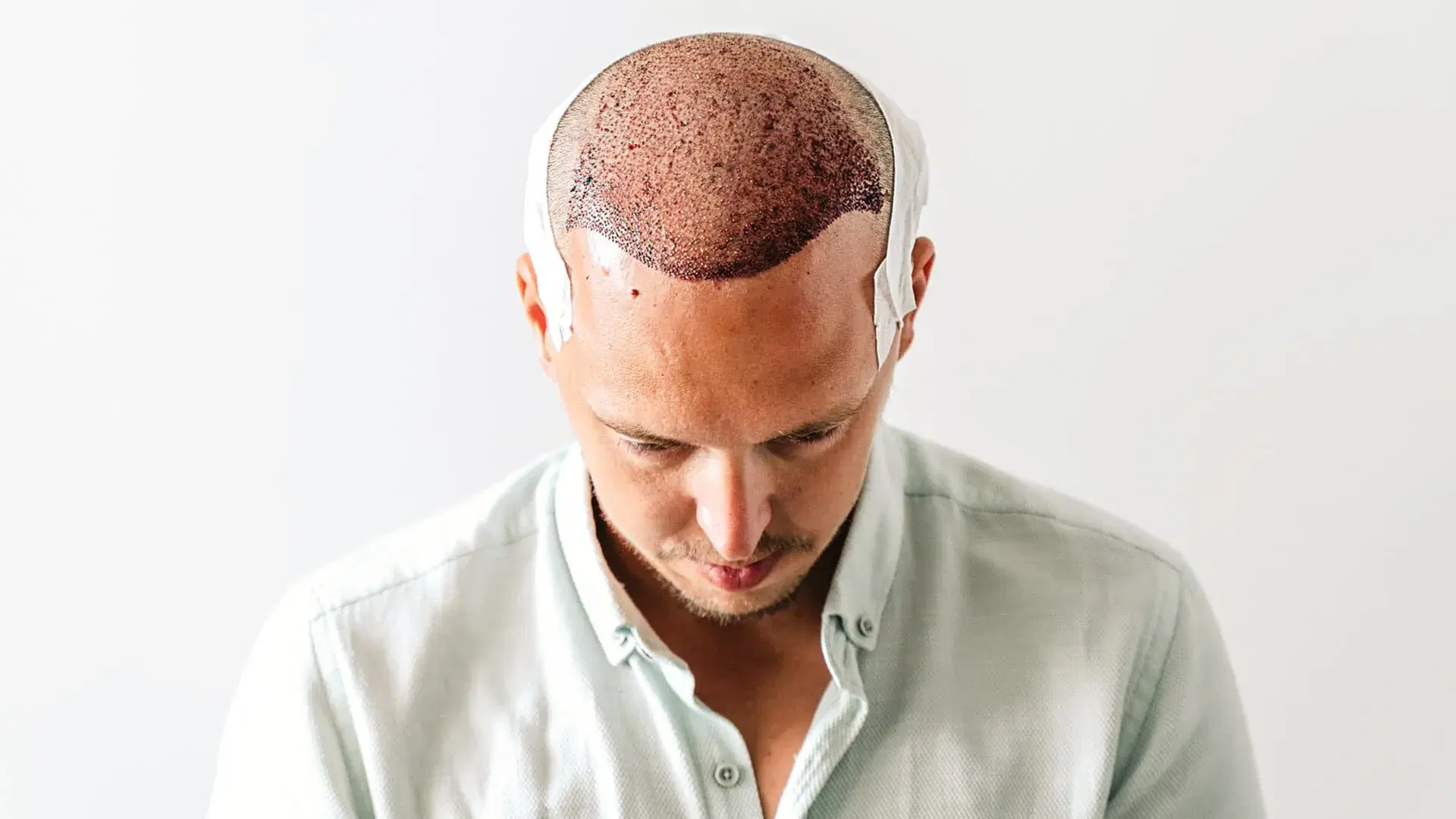
Is Swelling Normal After a Hair Transplant?
Swelling is a common and temporary part of hair transplant recovery, especially around the forehead, temples, and upper face.
The procedure creates controlled trauma in the scalp while local anesthetic and fluid are introduced into the treatment area. These factors can cause fluid to collect beneath the skin during the first postoperative days. Gravity may then move some of this fluid downward toward the forehead and eyes. Mild or moderate swelling generally resolves without affecting the transplanted follicles. The appearance can look more dramatic than the discomfort feels, particularly when swelling reaches the eyelids. Most cases improve steadily as the body absorbs the excess fluid.
Why Does Swelling Happen After a Hair Transplant?
Swelling after a hair transplant develops because surgery triggers inflammation and introduces fluid into the scalp during anesthesia and graft placement.
The body responds to thousands of small incisions by increasing blood flow and sending fluid toward the treated tissues. Local anesthetic solutions can also temporarily remain beneath the scalp. After surgery, gravity gradually pulls this fluid toward lower areas of the forehead and face. This explains why swelling may appear away from the actual transplant zone. The reaction is usually part of normal healing rather than a complication. As inflammation settles and the body processes the remaining fluid, visible swelling progressively decreases.
When Does Swelling Start After a Hair Transplant?
Swelling after a hair transplant usually begins within the first two to three days rather than immediately after the procedure.
The forehead may initially appear normal because postoperative fluid remains distributed throughout the scalp. During the next 24 to 72 hours, gravity and inflammation can move this fluid downward. The forehead often becomes the first visibly swollen area. Swelling can then progress toward the eyebrows and eyelids before beginning to resolve. This delayed pattern is common after both follicular unit extraction and other modern transplant techniques. The timing can make patients think a new problem has developed, although the swelling usually reflects the expected postoperative fluid movement.
How Long Does Swelling Last After a Hair Transplant?
Swelling after a hair transplant usually improves within three to seven days and is often largely resolved by the end of the first week.
The most noticeable period generally occurs during the middle of the first postoperative week. Forehead swelling may peak before moving toward the eyebrows and upper eyelids. Once the body begins clearing the retained fluid, the change can happen relatively quickly. Mild residual puffiness may remain slightly longer, particularly after a larger transplant session. Persistent swelling beyond the expected recovery period deserves closer attention when accompanied by redness, increasing pain, fever, or unusual drainage. Normal postoperative swelling should gradually improve rather than continue worsening.
Why Does Swelling Move From the Forehead to the Eyes?
Hair transplant swelling moves toward the eyes because gravity draws fluid from the scalp into the softer tissues of the forehead and eyelids.
Fluid used during surgery can remain beneath the scalp after treatment. As the patient remains upright during daily activities, this fluid naturally follows gravity toward lower facial areas. The eyelids contain loose tissue that can hold fluid easily, making even a small amount of edema appear dramatic. Swelling may therefore begin at the forehead before reaching the eyebrows and upper eyelids. This movement does not mean the transplant itself has spread inflammation into the eyes. The fluid usually continues dispersing and becomes less visible within several days.
Can Your Eyes Swell Shut After a Hair Transplant?
Severe postoperative swelling can temporarily make the eyelids very puffy and may occasionally make opening the eyes difficult.
This appearance usually develops when fluid moves from the forehead into the loose tissues surrounding the eyes. It can affect one side more strongly because swelling does not always distribute symmetrically. Although dramatic, uncomplicated eyelid swelling generally improves as the fluid is absorbed. Vision itself should remain unaffected once the eyelids are physically opened. Sudden visual changes, severe eye pain, marked redness, fever, or rapidly increasing one-sided swelling are different situations. These symptoms require prompt medical assessment rather than being treated as ordinary postoperative edema.
How Can You Reduce Swelling After a Hair Transplant?
Hair transplant swelling can be reduced by keeping the head elevated, avoiding strenuous activity, using appropriate cooling, and following postoperative medication instructions.
Useful measures include:
Sleep with the head elevated during the first several nights.
Avoid bending forward for prolonged periods.
Limit heavy lifting and intense exercise during early recovery.
Apply cold compresses only to approved areas away from the grafts.
Drink fluids regularly to support normal hydration.
Avoid pressing, rubbing, or massaging the transplanted area.
Take prescribed postoperative medication exactly as directed.
These measures help control fluid accumulation without disturbing newly implanted grafts.
Does Sleeping Position Affect Hair Transplant Swelling?
Sleeping position can influence hair transplant swelling because keeping the head elevated helps limit fluid movement into the forehead and eyelids.
A raised sleeping position is commonly used during the first several nights after surgery. Elevating the upper body reduces the effect of gravity on fluid accumulation around the face. This position also decreases the chance of accidentally rubbing transplanted grafts against bedding. Sleeping completely flat can allow more fluid to settle around the forehead and eyes. However, elevation should remain comfortable rather than placing excessive strain on the neck. The main goal is keeping the head above the level of the chest during early recovery.
Can You Use a Cold Compress After a Hair Transplant?
A cold compress can help reduce facial swelling after a hair transplant when it is applied away from the newly transplanted grafts.
Cooling can temporarily narrow blood vessels and reduce fluid accumulation around the forehead. However, direct pressure should never be placed over the recipient area because recently implanted follicles remain vulnerable to mechanical displacement. Cold packs should not rest directly on bare skin for prolonged periods either. A wrapped cool compress can be positioned carefully on the forehead when postoperative instructions allow it. Cooling the donor area may also be permitted in selected situations. The purpose is to manage swelling without compressing, rubbing, or wetting newly transplanted follicles.
Does Drinking Water Help Reduce Swelling?
Adequate hydration supports normal fluid balance after a hair transplant, although drinking excessive water does not immediately eliminate postoperative swelling.
The body requires sufficient fluid to maintain circulation, kidney function, and normal tissue recovery. Regular hydration can therefore support the natural process that clears excess postoperative fluid. However, swelling develops primarily from inflammation and fluid introduced during surgery, so it cannot simply be flushed away by drinking large volumes quickly. Water should be consumed consistently throughout the day. Alcohol can interfere with recovery and may worsen dehydration, while excessive salt intake can encourage fluid retention. Balanced hydration works best as part of the overall postoperative recovery routine.
Can Exercise Make Swelling Worse After a Hair Transplant?
Strenuous exercise can worsen early hair transplant swelling because increased blood pressure and circulation may intensify inflammation and fluid accumulation.
Heavy lifting, running, intense gym sessions, and similar activities also increase sweating around the scalp. This can irritate healing areas during the first postoperative days. Bending and forceful movements may additionally increase pressure in the head and face. Light walking is generally less demanding and can support normal circulation without creating the same level of stress. Returning to vigorous exercise should happen gradually after the early healing period. Restricting strenuous activity also helps protect grafts from accidental rubbing, impact, and excessive moisture while they become established.
Is Swelling Different After FUE and DHI?
Swelling can occur after both FUE and DHI because both techniques involve anesthesia, scalp manipulation, and placement of follicular grafts.
The amount of swelling usually reflects treatment size, fluid volume, scalp response, and postoperative behavior more than the procedure name alone. FUE describes how individual follicular units are extracted from the donor area. DHI commonly describes a graft implantation approach using specialized implanter devices. Both still require numerous small scalp entry points. Therefore, neither technique completely prevents postoperative edema. Patients undergoing large sessions can experience forehead or eyelid swelling regardless of the implantation method. The recovery pattern usually remains temporary and improves as postoperative inflammation decreases.
Can Swelling Damage Newly Transplanted Hair Grafts?
Normal postoperative swelling does not usually damage transplanted hair grafts because edema develops within surrounding tissues rather than removing implanted follicles.
The greater concern comes from actions used incorrectly to manage the swelling. Pressing ice directly against the transplanted zone, rubbing the scalp, scratching, or applying strong massage can disturb grafts during early healing. Grafts become increasingly secure as the scalp begins sealing around them. Swelling itself can feel tight or uncomfortable but generally does not prevent follicles from establishing normally. Patients should therefore focus on reducing edema without touching the recipient area unnecessarily. Mechanical trauma presents a greater threat to fresh grafts than uncomplicated postoperative swelling.
When Should Swelling After a Hair Transplant Be a Concern?
Hair transplant swelling requires medical attention when it becomes increasingly painful, unusually red, very warm, one-sided, or accompanied by fever, drainage, or visual symptoms.
Normal swelling should follow a gradual pattern of appearing, peaking, and then improving. Concerning changes include:
Swelling that continues worsening after the expected peak
Fever or chills
Increasing scalp or facial redness
Severe or escalating pain
Foul-smelling or unusual drainage
Marked swelling affecting only one side
Difficulty breathing
Sudden visual changes
Significant eye pain
These symptoms can indicate infection, bleeding, an allergic reaction, or another complication requiring timely evaluation.
Can Swelling Cause Headaches After a Hair Transplant?
Swelling can contribute to mild pressure or headache after a hair transplant, although several postoperative factors may produce similar discomfort.
Scalp tightness can create a sensation of pressure across the forehead as edema develops. The procedure itself may also leave the donor and recipient areas temporarily tender. Changes in sleeping position, reduced caffeine intake, dehydration, or medication can add to headache symptoms. Mild discomfort that improves with recovery is generally less concerning than severe or progressively worsening pain. A sudden intense headache accompanied by neurological symptoms, vision changes, vomiting, or unusual swelling should not be attributed automatically to routine hair transplant recovery.
When Does the Face Look Normal Again After a Hair Transplant?
The face usually looks substantially more normal within one week after a hair transplant as forehead and eyelid swelling gradually resolves.
The appearance can change quickly once postoperative fluid begins clearing. Forehead swelling generally decreases first, followed by puffiness around the eyebrows and eyelids. Mild discoloration or residual fullness may remain for several additional days. By this stage, the face often appears normal even though the scalp continues through other recovery changes, including crusting and redness. Larger transplant sessions can produce a slightly longer swelling period. Facial recovery and hair growth follow different timelines, so normal facial appearance usually returns long before transplanted hair begins visible growth.