Esthetic Hair Logo header svg
Thyroid Hair Loss: Causes, Symptoms, and Treatment
Badge Icon

intro

Thyroid Hair Loss: Causes, Symptoms, and Treatment

Thyroid hair loss is a common cause of diffuse hair thinning that occurs when thyroid hormone levels become imbalanced. Because these hormones regulate metabolism and cellular function, even small disruptions can interfere with the normal hair growth cycle and trigger shedding.

Many people notice gradual thinning across the scalp rather than patchy bald spots. Treating the underlying thyroid condition is the key to restoring healthy hair growth.


Share

Start Your Personalized Hair Treatment Journey

Book a consultation and discover the most effective hair transplant or therapy option tailored to your hair needs and expectations.

What Is the Thyroid and What Does It Do?

What Is the Thyroid and What Does It Do?


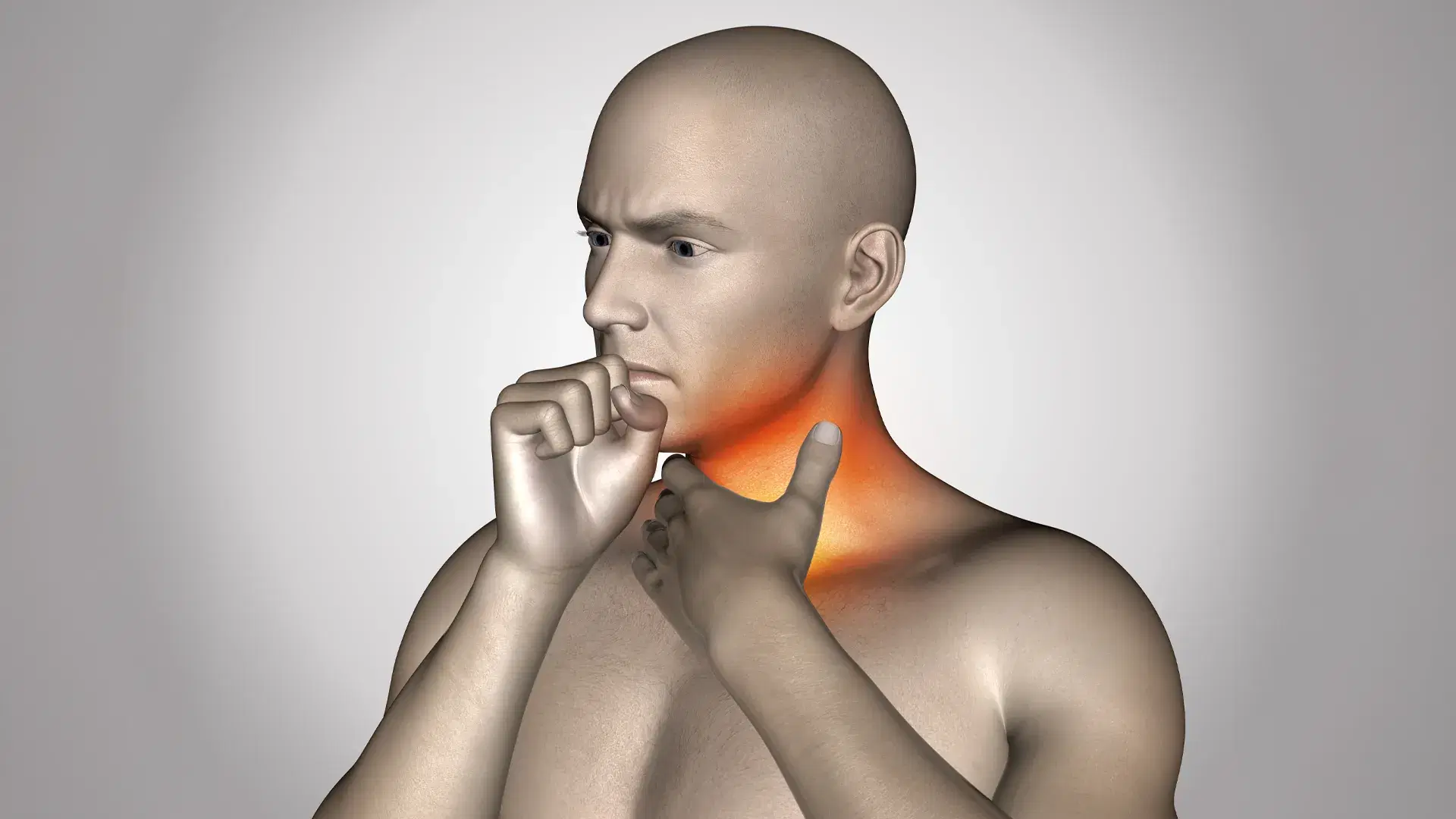
The thyroid is a small butterfly shaped gland located at the front of the neck. Although it is small, it plays a major role in regulating how the body functions.

This gland produces two essential hormones, T3 and T4. These hormones control how your body uses energy. They influence metabolism, heart rate, digestion, body temperature, and brain function. When thyroid hormone levels are balanced, body systems work efficiently and remain stable.

If the thyroid becomes underactive, a condition called hypothyroidism, body processes slow down. If it becomes overactive, known as hyperthyroidism, body systems speed up. Both conditions can disrupt internal balance and trigger noticeable physical symptoms.


What Is Thyroid Hair Loss and How Does It Happen?

What Is Thyroid Hair Loss and How Does It Happen?


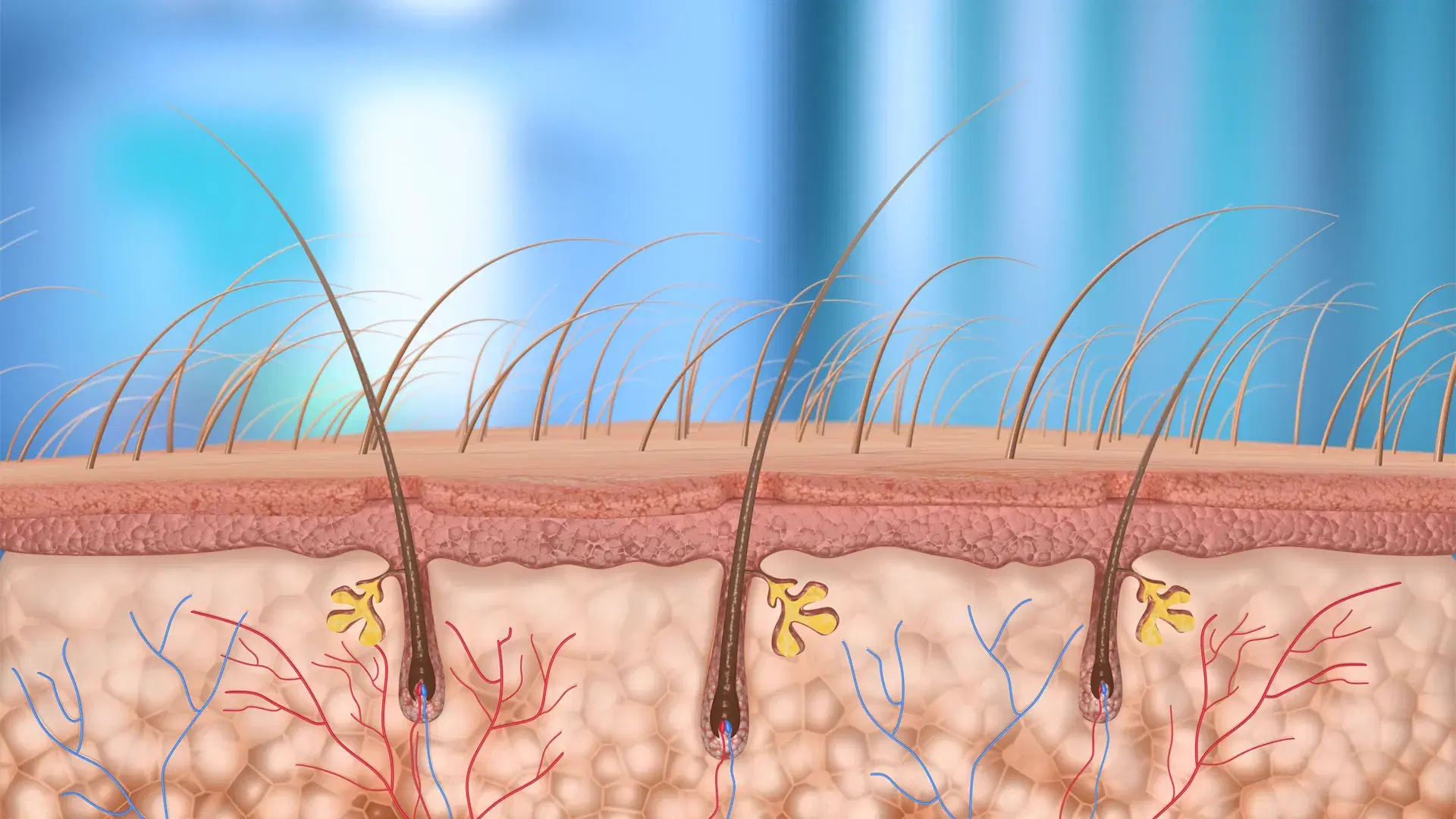
Thyroid hair loss occurs when abnormal thyroid hormone levels interfere with the normal hair growth cycle. Hair grows in three main phases: growth, transition, and shedding. For healthy thickness, most hair follicles need to remain in the growth phase.

When thyroid hormones are too low or too high, a large number of follicles can prematurely move into the shedding phase at the same time. This leads to increased hair fall and visible thinning across the scalp.

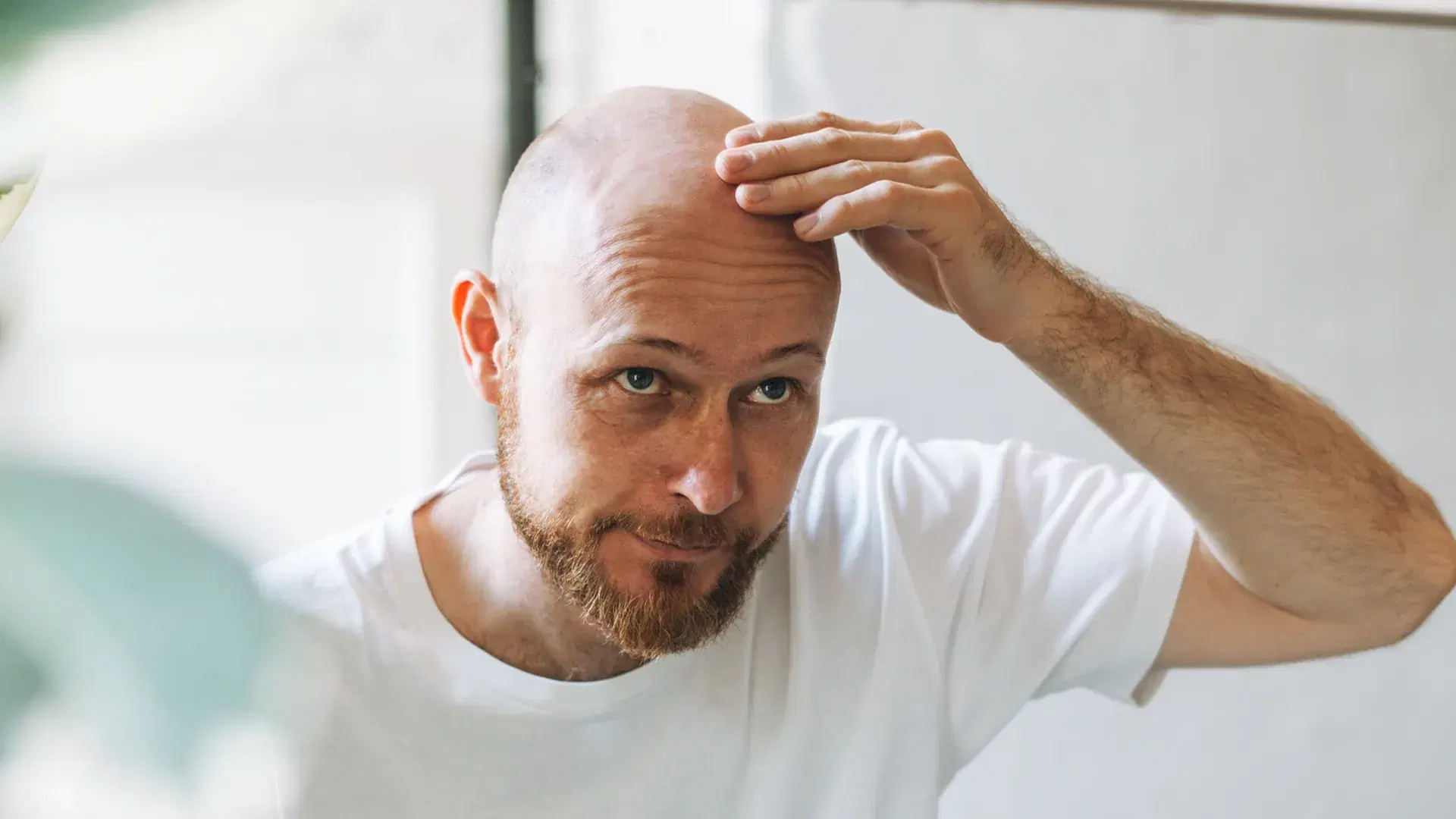
Unlike genetic pattern baldness, thyroid hair loss typically causes diffuse thinning rather than specific bald areas. The condition often improves once thyroid hormone levels are corrected and remain stable.


How the Thyroid Regulates the Hair Growth Cycle

How the Thyroid Regulates the Hair Growth Cycle


To understand thyroid hair loss, it is important to first understand how hair grows.

Hair develops in a repeating cycle consisting of three main phases:

• Anagen phase, the active growth stage
• Catagen phase, the transitional stage
• Telogen phase, the resting and shedding stage

Healthy thyroid hormone levels help maintain balance within these phases. When hormones are stable, most hair follicles remain in the growth phase for several years. However, hormonal disruption can shorten the growth phase and increase the percentage of follicles in the shedding phase.

This shift leads to noticeable thinning over time.

Hypothyroidism and Hair Loss

Hypothyroidism occurs when the thyroid gland produces insufficient hormones. It is one of the most common causes of thyroid hair loss.

When metabolism slows down, cellular activity decreases. Hair follicles receive fewer growth signals, and the production of strong, healthy strands declines. Over time, hair may become dry, coarse, brittle, and thinner.


Symptoms of Hypothyroidism

In addition to hair thinning, common symptoms include:

• Persistent fatigue

• Weight gain

• Dry skin

• Sensitivity to cold

• Depression or low mood

• Constipation

• Thinning of the outer eyebrows

Thyroid hair loss caused by hypothyroidism typically develops gradually. Because the changes happen slowly, many people do not immediately associate their hair thinning with thyroid dysfunction.

Hyperthyroidism and Hair Loss

Hyperthyroidism occurs when the thyroid gland produces excessive hormones. In this case, the body’s metabolism speeds up significantly.

Although faster metabolism might seem beneficial, excessive hormone levels can disrupt the hair growth cycle. Hair follicles may enter the resting phase too soon, leading to increased shedding.


Symptoms of Hyperthyroidism

Common signs include:

• Unexplained weight loss

• Rapid heartbeat

• Anxiety or irritability

• Heat intolerance

• Tremors

• Increased sweating

In hyperthyroidism, thyroid hair loss often presents as diffuse shedding across the scalp. Both men and women can be affected.

What Does Thyroid Hair Loss Look Like?

What Does Thyroid Hair Loss Look Like?


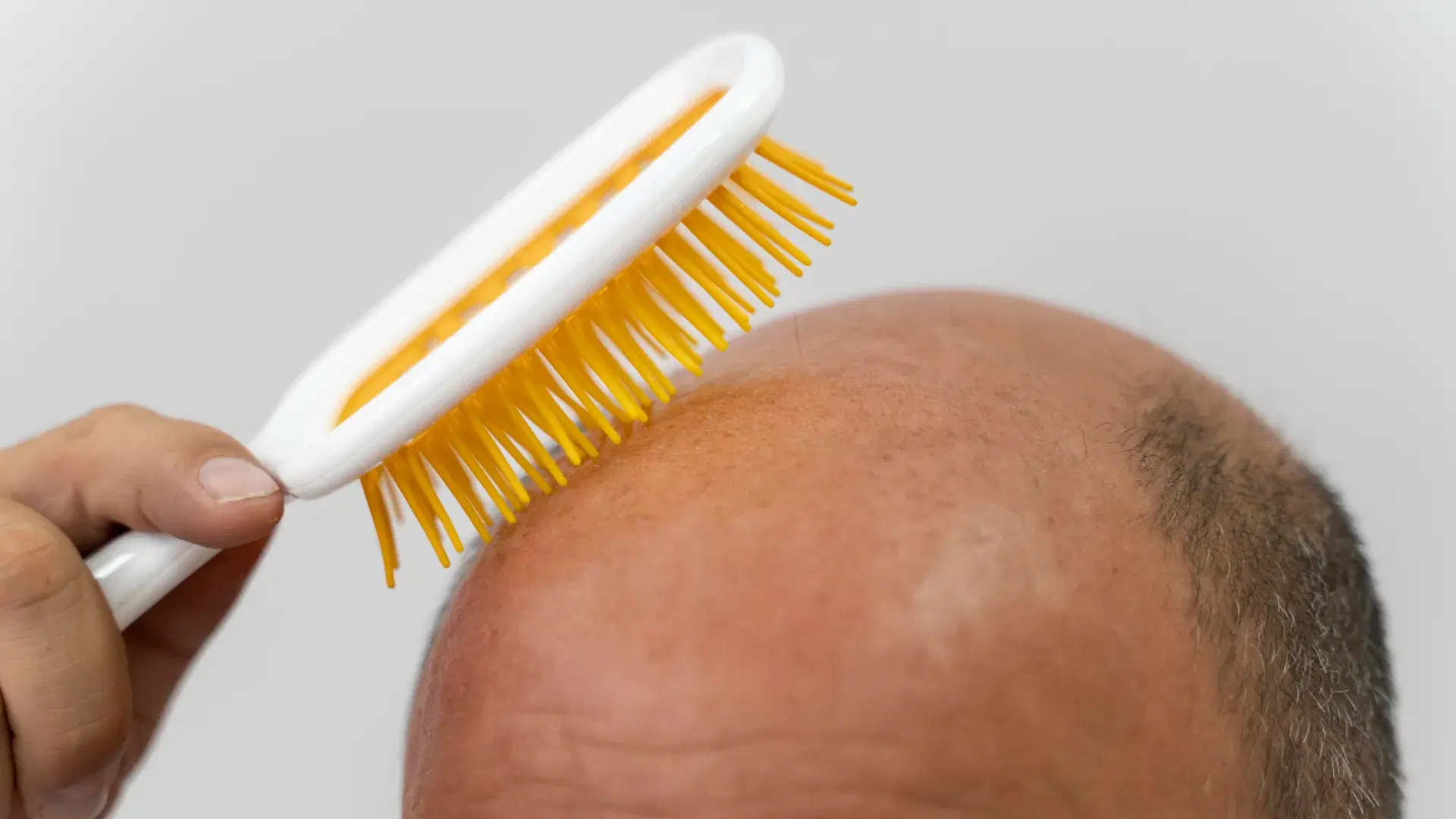
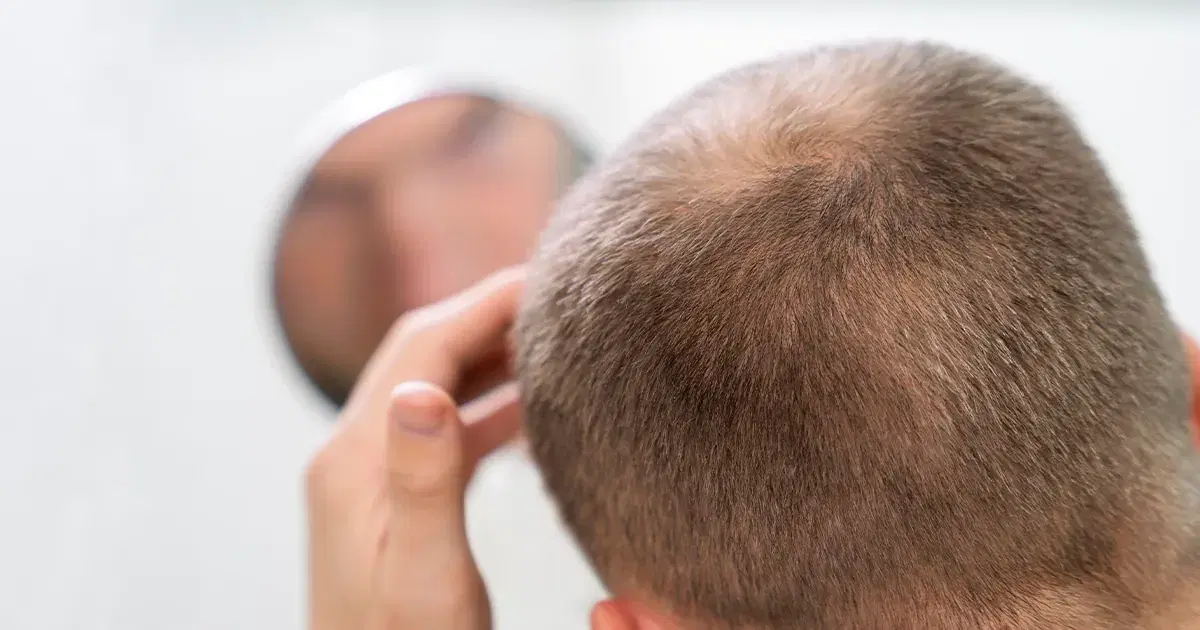
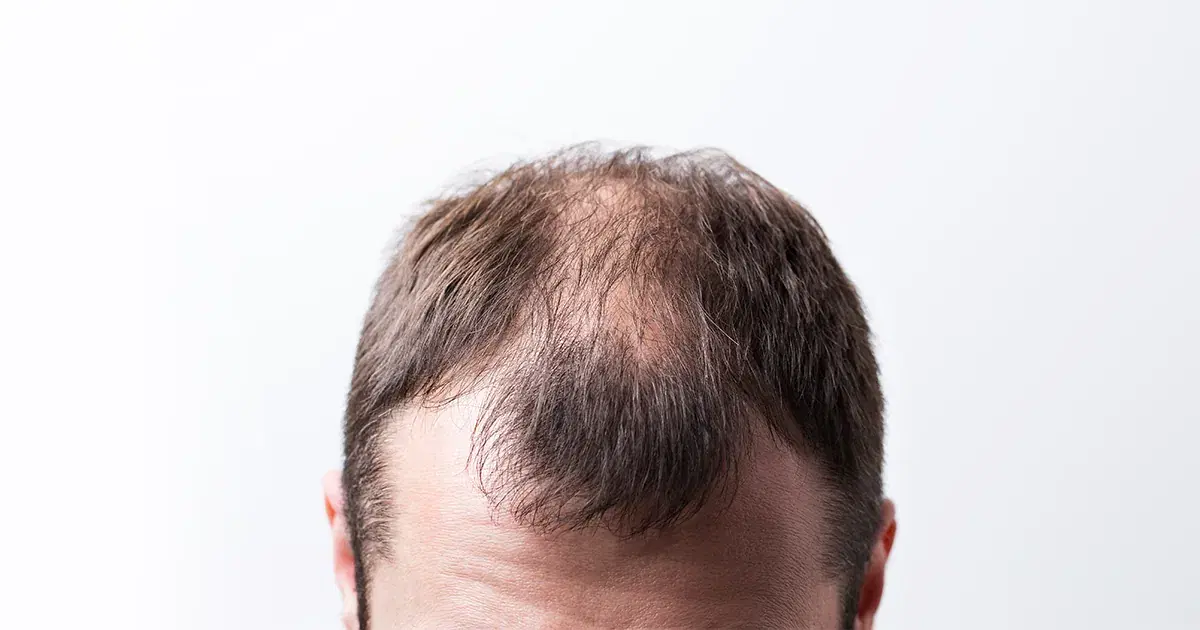
Thyroid hair loss does not usually cause patchy bald spots. Instead, it leads to even thinning across the scalp. Some individuals notice hair accumulating in the shower drain or on their pillow.

Because the shedding is diffuse, it may resemble other forms of telogen effluvium. However, accompanying systemic symptoms often provide clues that the thyroid may be involved.

In some cases, body hair and eyebrow hair may also thin.


Is Thyroid Hair Loss Reversible?

The good news is that thyroid hair loss is often reversible once hormone levels return to normal. However, improvement does not happen overnight.

Hair growth cycles respond slowly to hormonal correction. Even after treatment begins, it may take three to six months before shedding decreases. Full recovery can take longer, depending on how severe the imbalance was and how quickly it was treated.

Early diagnosis increases the likelihood of complete regrowth.

How Is Thyroid Hair Loss Diagnosed?


If thyroid hair loss is suspected, a physician will order blood tests to evaluate thyroid function. The most common tests include:

Thyroid stimulating hormone (TSH)

• Free T3

• Free T4

Abnormal results help determine whether hypothyroidism or hyperthyroidism is present.

Because hair thinning can result from multiple causes, proper medical evaluation is essential. Iron deficiency, stress, autoimmune disorders, and hormonal fluctuations can produce similar symptoms.

Accurate diagnosis ensures appropriate treatment.

Treatment Options for Thyroid Hair Loss

Treatment Options for Thyroid Hair Loss


Treatment focuses on correcting the underlying thyroid imbalance rather than treating hair loss alone.


Thyroid Hormone Replacement

In hypothyroidism, synthetic thyroid hormone medication is typically prescribed. This therapy restores hormone levels to a healthy range and gradually improves metabolic function.

Once hormone balance is achieved, hair follicles often resume normal growth patterns.


Managing Hyperthyroidism

Treatment for hyperthyroidism may involve antithyroid medications, radioactive iodine therapy, or other medical interventions depending on severity.

By stabilizing hormone production, excessive shedding can decrease over time.


Supporting Hair Recovery

While medical treatment addresses the root cause, supportive measures can help optimize recovery:

• Maintain a balanced diet rich in protein and essential nutrients
• Avoid excessive heat styling or chemical damage
• Use gentle hair care products
• Manage stress levels

In some cases, dermatologists may recommend topical treatments such as minoxidil to encourage regrowth while hormone levels stabilize.


 

Can Thyroid Hair Loss Become Permanent?


In most cases, thyroid hair loss is temporary. However, prolonged untreated thyroid dysfunction may weaken follicles over time. Early treatment significantly reduces the risk of long term thinning.

If shedding continues despite normalized hormone levels, further evaluation may be needed to rule out other contributing factors.

When Should You See a Doctor?


You should seek medical evaluation if you experience:

• Persistent diffuse hair thinning
• Sudden increase in hair shedding
• Fatigue combined with hair changes
• Weight changes without explanation
• Other symptoms of thyroid imbalance

Since thyroid disorders affect overall health, early testing is important not only for hair recovery but also for systemic well being.


Final Thoughts on Thyroid Hair Loss


Thyroid hair loss is a medically recognized condition caused by hormonal imbalance. Both hypothyroidism and hyperthyroidism can disrupt the natural hair growth cycle and lead to diffuse thinning. Unlike genetic pattern baldness, this type of hair loss is often reversible with proper treatment.

If you suspect thyroid dysfunction, consult a healthcare professional for blood testing and diagnosis. By correcting the underlying hormonal imbalance, most individuals can restore healthy hair growth over time.

Start Your Personalized Hair Treatment Journey

Book a consultation and discover the most effective hair transplant or therapy option tailored to your hair needs and expectations.