
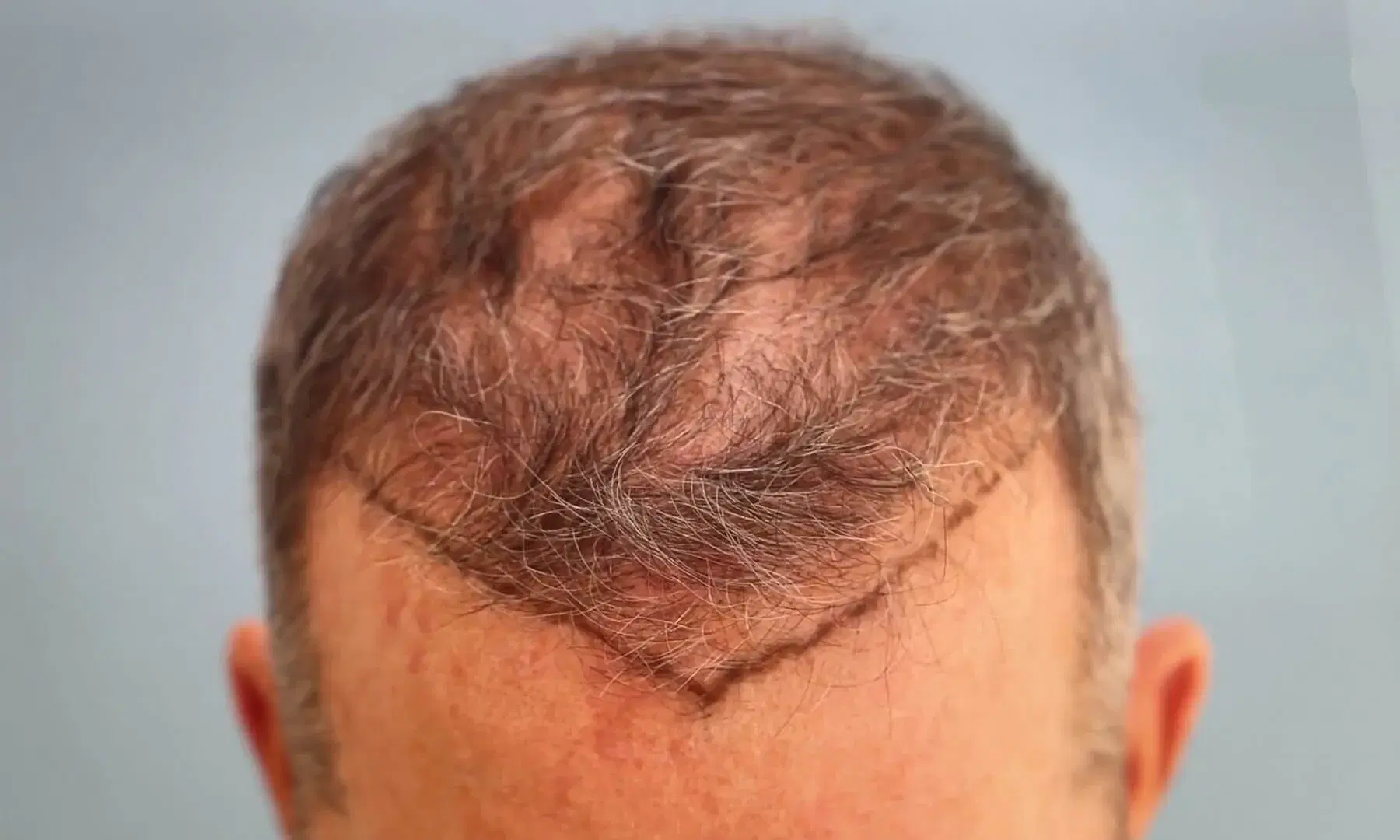
When Can You Have a Second Hair Transplant?
A second hair transplant is generally considered after about 9 to 12 months, with 12 months providing a clearer assessment of the first procedure.
Most transplanted follicles need several months to enter visible growth, thicken, and contribute to the final density. Clinical follow-up commonly continues throughout the first postoperative year. Published FUE studies also assess mature survival and cosmetic outcomes at approximately 12 months. Waiting allows the recipient area to mature while providing time to reassess the remaining donor reserve. Another procedure can occasionally be planned earlier when completely different recipient areas are involved, but this requires careful donor evaluation.
Why Is It Better to Wait Before a Second Hair Transplant?
Waiting allows the first transplant to mature before additional grafts are placed into a result that is still developing.
Transplanted hairs usually pass through shedding and early regrowth phases before their final contribution becomes clear. Density judged at five or six months can therefore appear lower than the eventual result. Performing another procedure too early risks placing grafts where additional growth would have appeared naturally. The waiting period also allows postoperative inflammation and donor wounds to settle. Modern consensus recommendations emphasize close follow-up during the first year after transplantation, supporting a deliberate rather than premature decision about further surgery.
Can a Second Hair Transplant Be Done After Six Months?
A second hair transplant at six months may be technically possible in selected cases, but it is often too early for accurate assessment of the first result.
By six months, many transplanted follicles are growing, yet density and shaft thickness can continue improving afterward. A study evaluating follicular-unit survival found strong growth at six months, with further assessment continuing through 12 months. Earlier surgery may occasionally be considered when the second procedure targets a completely untreated region. Even then, remaining donor capacity must be evaluated first. When new grafts will overlap the original recipient area, waiting closer to 9 to 12 months generally provides better planning information.
Why Is 12 Months Often Recommended for a Second Hair Transplant?
Twelve months is commonly recommended because most transplanted hair has matured enough by then to reveal the true density, direction, and remaining gaps.
Recent FUE outcome research evaluates graft survival at 12 months, when most successful follicles have produced established growth. This interval allows assessment of whether apparently thin areas actually need additional grafts. It also shows how the donor scalp responded to the first extraction pattern. Patients seeking greater density can then plan the next session based on a mature result rather than an incomplete one. The 12-month point is therefore practical for both cosmetic evaluation and conservation of the remaining donor supply.
Does the Timing Change if the Second Transplant Targets Another Area?
A second procedure targeting a completely different recipient area may sometimes be performed sooner, although donor recovery and remaining graft capacity still limit timing.
For example, a first operation may restore the frontal region while a later procedure addresses the crown. Because the second recipient site does not overlap the first, surgeons do not always need complete maturation of frontal density before treating it. However, both procedures still draw from the same finite donor resource. Repeat harvesting should therefore wait until the donor area can be reassessed reliably. Earlier treatment offers little advantage when delaying surgery provides a clearer picture of hair-loss progression and available donor reserves.
When Can More Density Be Added to the Same Transplanted Area?
Additional density in the same recipient area is usually considered after approximately 9 to 12 months, once the existing transplanted hairs can be evaluated accurately.
Placing new grafts among immature transplanted follicles creates unnecessary uncertainty about where genuine density deficits remain. Existing hair direction and spacing must also be visible before new recipient sites are created. A second density procedure should complement surviving grafts rather than compete with them. Waiting also reduces the chance of planning around temporary postoperative shedding. When the first transplant has matured, additional follicles can be positioned between existing hairs while preserving appropriate spacing and reducing avoidable recipient-site trauma.
When Can a Second Crown Hair Transplant Be Planned?
A second crown procedure is usually planned after the first transplant has matured, often around 12 months or later when the vertex remains difficult to evaluate.
The crown requires a large number of follicles because its whorl pattern spreads hairs in several directions. Visual density can therefore develop more slowly than expected. Using excessive grafts in the crown too early can also reduce resources available for future frontal or mid-scalp loss. The second procedure should consider whether the apparent crown deficit reflects insufficient grafts or continuing native hair loss. Long-term donor conservation is particularly important when both frontal and vertex regions require restoration over several procedures.
How Does Donor Area Healing Affect the Timing?
Donor area healing directly affects second-transplant timing because repeated extraction should only occur after the remaining density and previous harvesting pattern can be assessed clearly.
FUE creates thousands of small donor wounds that heal through normal inflammatory and remodeling processes. A recent systematic review confirms that donor healing involves several biological stages and that standardized evidence remains limited. What matters clinically is whether the area has healed without persistent inflammation, excessive scarring, or visible depletion. Previous extraction points should also be distributed carefully during another procedure. Repeatedly harvesting the same small zones increases the chance of creating permanent donor thinning.
How Do You Know You Are Ready for a Second Hair Transplant?
A second procedure becomes more reasonable when the first result has matured and both recipient and donor areas can be evaluated without early postoperative changes.
Useful readiness indicators include:
Most transplanted hairs have completed visible maturation
Density deficits remain after the first-year assessment
The donor scalp has healed without persistent inflammation
Sufficient safe donor density remains
Active hair loss is reasonably controlled
The purpose of the second procedure is clearly defined
Future hair-loss areas have been considered
The first extraction pattern does not show overharvesting
Expectations match the remaining donor capacity
These factors are more useful than choosing another operation from the calendar alone.
How Much Donor Hair Must Remain Before a Second Transplant?
A second transplant requires enough stable donor hair to improve the recipient area without creating visible depletion at the back and sides.
Hair transplant guidelines emphasize that safe harvesting depends on donor density, head size, skin characteristics, technique, age, and potential future sessions. One guideline suggests approximately 4,000 to 6,500 scalp grafts as a possible lifetime range across multiple procedures. This is only a broad planning estimate rather than a guaranteed allowance. The same guidance considers approximately 2,500 to 3,000 grafts an average optimal upper limit for one session without visible donor depletion.
Can the Same Donor Area Be Used for a Second Hair Transplant?
The same general safe donor region can often supply a second transplant, but individual follicles removed during the first procedure cannot simply be harvested again.
FUE removes follicular units from their original locations, so those extraction points reduce the remaining donor density. The second procedure must work around what is left. Harvesting should be distributed across suitable areas rather than concentrated within previously depleted sections. Donor miniaturization must also be checked because unstable hairs provide less predictable long-term coverage. Repeat transplantation is therefore possible when sufficient density remains, but the usable donor area becomes progressively more limited after each session.
Can Overharvesting Prevent a Second Hair Transplant?
Significant donor overharvesting can limit or prevent a useful second transplant because too few safely removable follicular units may remain.
Overharvesting can create patchy density, visible scalp, uneven coverage, and a depleted appearance in short hairstyles. Removing more follicles from an already compromised donor area can make this problem worse. Hair transplant guidelines specifically warn that excessive harvesting can create visible depletion, particularly when donor miniaturization is present. A second procedure should therefore begin with measurement of remaining follicular-unit density rather than a requested graft target. Preserving the donor appearance is as important as improving the recipient area.
Should Ongoing Hair Loss Be Stabilized Before the Second Procedure?
Ongoing androgenetic hair loss should ideally be reasonably stable before another transplant because rapid progression can create new gaps shortly after additional grafts are placed.
Hair transplantation redistributes resistant follicles but does not stop susceptible native follicles from miniaturizing. A second procedure performed during aggressive loss may correct one region while another begins thinning immediately behind it. International consensus recommendations emphasize appropriate medical treatment for alopecia before transplantation when indicated. Stabilization also makes the true surgical target easier to identify. This becomes increasingly important during repeat procedures because every additional operation consumes part of a donor supply that cannot be replaced.
Can Finasteride or Minoxidil Affect Second Hair Transplant Timing?
Finasteride or minoxidil may help stabilize native hair before another transplant, allowing the need for additional surgery to be assessed more accurately.
These treatments do not regenerate previously extracted donor follicles. Their main role is preserving susceptible existing hair or supporting growth in androgenetic alopecia. If medical treatment improves density, fewer additional grafts may ultimately be required. Stabilization is especially useful when thinning behind a previous transplant is still progressing. Current expert consensus supports appropriate medical management before hair transplantation when indicated. Medication suitability depends on individual medical factors, so treatment decisions should be based on the diagnosed cause of hair loss rather than surgery timing alone.
Is Recovery Different After a Second Hair Transplant?
Recovery after a second hair transplant is usually similar to the first procedure, although previous harvesting and scar tissue can make donor planning more complex.
Typical early effects still include redness, crusting, tenderness, swelling, temporary numbness, and shedding. The important difference is that the donor scalp has already lost follicular units and contains previous extraction scars. Another FUE session must therefore avoid excessive concentration within depleted zones. When recipient scars are present from corrective procedures, reduced tissue quality can also influence implantation strategy. Recovery length is not automatically longer, but repeat surgery generally requires more attention to preserving remaining donor density and previously transplanted hairs.
Can a Third Hair Transplant Be Performed Later?
A third hair transplant can be possible when enough safe donor hair remains and additional surgery can still provide meaningful coverage without visible donor damage.
The possibility of future sessions is one reason the first and second procedures should not exhaust the donor supply. Guidelines specifically include age and the likelihood of future sessions when estimating safe harvesting. A younger person with progressive androgenetic alopecia may need donor reserves decades after the first procedure. Hairline placement, crown density, and second-session graft numbers should therefore be planned with future loss in mind. Repeat surgery remains an option only while the donor area continues to support safe extraction.
Is Waiting Longer Than One Year a Problem?
Waiting longer than one year generally does not create a problem and can provide a clearer view of hair-loss progression before additional donor grafts are used.
Many patients return several years after their first procedure because native hair has continued thinning despite stable transplanted hair. This does not mean they waited too long. The important questions remain donor capacity, current hair-loss pattern, scalp health, and whether the proposed procedure will improve overall balance. A longer interval can actually clarify which regions require priority. Second transplantation should therefore be scheduled when the first result is mature and another procedure serves a clear long-term purpose, not simply when the minimum waiting period has passed.