
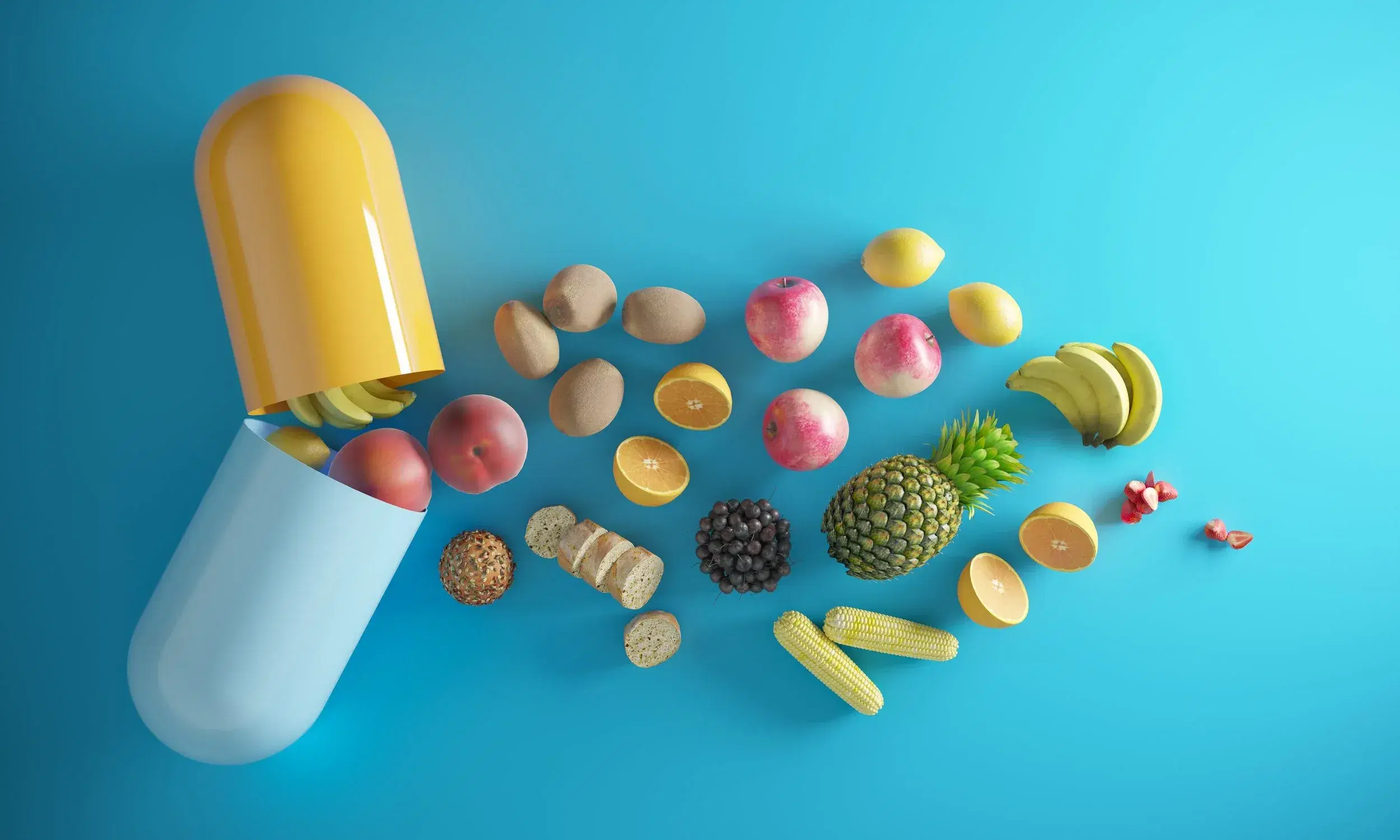
Hair loss can feel sudden, personal, and confusing, especially when you are eating “pretty well” and still seeing more strands in the shower drain. Nutrition is only one piece of the picture, but vitamin deficiencies and hair loss can be connected when the body does not have enough of the nutrients it needs to support normal hair cycling. If you are wondering, “Which Vitamin Deficiencies Can Cause Hair Loss?”, the short answer is that low vitamin D, certain B vitamins, iron, zinc, and sometimes protein or essential fatty acid intake may contribute to shedding, while taking too much of some nutrients can also make hair loss worse.
This does not mean every person with thinning hair needs a cabinet full of hair growth supplements. The smarter approach is to look at the pattern of loss, your overall health, your diet, and whether testing shows a true deficiency. When a deficiency is present, correcting it may help the body return to a healthier growth cycle, but supplements are not a shortcut for every type of hair loss.
Which vitamin deficiencies are most often linked with hair loss?
The deficiencies most often discussed in relation to hair loss include vitamin D, biotin and other B vitamins, iron, zinc, and sometimes low intake of protein or essential fats. These nutrients matter because hair follicles are active, energy-demanding structures that rely on oxygen delivery, cell turnover, immune balance, and steady nourishment. When the body is under-supplied, hair may shift into a shedding phase, grow more slowly, or become weaker over time.
Still, the connection is not equally strong for every nutrient. Iron deficiency and low vitamin D are commonly investigated when someone has diffuse shedding, while biotin deficiency is real but uncommon in people eating a varied diet. Zinc deficiency can affect hair and skin, but too much zinc can create other problems. Vitamins for hair work best when they correct an actual shortage rather than adding large doses on top of already normal levels.
A useful way to think about nutritional hair loss is this: hair is not the body’s first priority. If your body is trying to conserve resources because of low nutrient stores, illness, stress, rapid weight loss, or hormonal shifts, hair growth can be temporarily deprioritized. That is why shedding often shows up weeks or months after the original trigger rather than immediately.
Hair growth depends on a steady nutrient supply
Hair grows in cycles. Some follicles are actively growing, some are transitioning, and some are resting before shedding. A certain amount of daily shedding is normal, but a noticeable increase can happen when more hairs than usual enter the resting phase at once. This pattern is often described as diffuse shedding rather than a single bald patch.
Nutrients help support the processes behind that cycle. Iron helps the body transport oxygen. Vitamin D is involved in cell and immune functions. B vitamins help with metabolism and red blood cell formation. Zinc supports protein synthesis and tissue repair. Protein provides the amino acid building blocks used to form keratin, the structural protein found in hair.
That said, hair loss is rarely explained by one nutrient alone. Genetics, thyroid disease, postpartum changes, menopause, medications, autoimmune conditions, scalp inflammation, tight hairstyles, major stress, surgery, and illness can all play a role. A deficiency may be the main driver, a contributing factor, or completely unrelated to the pattern you are seeing.
Vitamin D deficiency and hair shedding
Vitamin D is one of the nutrients most commonly mentioned in conversations about hair loss. Low vitamin D levels have been observed in some people with certain hair loss conditions, including shedding disorders and autoimmune-related hair loss, but research is not simple enough to say that vitamin D deficiency is the cause in every case. The most practical point is that if testing shows you are low, correcting the deficiency is reasonable for overall health and may support a healthier hair environment.
Vitamin D helps regulate many processes in the body, and hair follicles appear to be sensitive to changes in the internal environment. People with limited sun exposure, darker skin, certain digestive conditions, restrictive diets, or higher body weight may be more likely to have low vitamin D. However, symptoms of low vitamin D can be vague, and you cannot reliably diagnose it based on hair shedding alone.
More is not better with vitamin D. Very high intakes can become harmful, so it is best to supplement based on a lab result and medical guidance rather than guessing. If you are taking a multivitamin, a separate vitamin D product, and a hair formula at the same time, check the combined dose.
Iron deficiency is a common nutritional concern
Iron is not a vitamin, but it belongs in any honest discussion of vitamin deficiencies and hair loss because low iron stores are often checked when someone has diffuse shedding. Iron helps make hemoglobin, the protein in red blood cells that carries oxygen. When iron stores are low, the body may have less support for high-demand tissues, including hair follicles.
People who menstruate heavily, are pregnant or recently postpartum, eat little or no meat, donate blood frequently, have digestive disorders, or have had certain surgeries may be more prone to iron deficiency. Signs can include fatigue, weakness, shortness of breath with exertion, dizziness, cold hands and feet, brittle nails, or cravings for ice, though some people have few obvious symptoms.
Ferritin, a marker of stored iron, is often discussed in relation to hair shedding. However, deciding whether iron is low enough to treat is not always straightforward, and taking iron when you do not need it can cause side effects and may be unsafe for some people. If iron deficiency is suspected, testing is much better than self-prescribing.
Biotin deficiency is possible but often overestimated
Biotin has become almost synonymous with hair growth supplements, but true biotin deficiency is uncommon. When deficiency does occur, it can be associated with hair loss, brittle nails, and skin changes. Risk may be higher in people with certain inherited conditions, long-term use of some medications, heavy alcohol use, prolonged inadequate intake, or frequent consumption of large amounts of raw egg whites.
The gap between biotin marketing and biotin evidence is important. Many people take high-dose biotin hoping for faster growth, but if they are not deficient, the benefit is uncertain. A person with pattern hair loss, scalp inflammation, thyroid imbalance, or stress-related shedding may not see improvement simply because they added biotin.
Biotin can also interfere with some lab tests, depending on the test and the dose being taken. If you use biotin regularly, tell your healthcare professional before blood work. This is especially important if you are being evaluated for thyroid, heart, hormone, or other medical concerns.
Vitamin B12, folate, and other B vitamins
B vitamins support energy metabolism, red blood cell production, and healthy cell turnover. Vitamin B12 and folate are especially important because deficiencies can affect blood health and rapidly dividing tissues. Hair follicles are active structures, so it makes sense that significant deficiencies may show up in hair quality or shedding, particularly when paired with fatigue, mouth soreness, numbness, tingling, or other symptoms.
Vitamin B12 deficiency is more likely in people who follow a vegan diet without supplementation, have low stomach acid, take certain medications long term, have pernicious anemia, or have digestive conditions that affect absorption. Folate deficiency may be related to inadequate intake, pregnancy, alcohol use, or absorption issues.
That does not mean a high-dose B-complex is automatically the answer. B vitamins are often bundled into vitamins for hair, but your needs depend on diet, absorption, medical history, and lab results. If you are already getting enough, taking more may not improve growth.
Zinc deficiency can affect hair and scalp health
Zinc plays a role in immune function, wound healing, protein synthesis, and normal skin health. Because the scalp is skin and hair production depends on protein-building processes, zinc deficiency can contribute to hair changes in some people. Deficiency may be more likely with restrictive diets, digestive disorders, chronic diarrhea, high alcohol intake, or conditions that affect absorption.
Hair related to zinc deficiency may appear thin, brittle, or accompanied by skin irritation, poor wound healing, or changes around the mouth and nails. However, zinc is another nutrient where balance matters. Taking high doses without a reason can interfere with copper status and create new problems.
If a clinician recommends zinc, it is usually because your history, diet, symptoms, or labs suggest a need. If you are choosing an over-the-counter supplement on your own, avoid stacking multiple products that all contain zinc.
Vitamin A and vitamin E deserve caution
Some nutrients are linked with hair loss not because too little is common, but because too much can be a problem. Excess vitamin A has a well-known association with hair shedding, and high intake may come from supplements, certain medications, or multiple products taken together. Vitamin E is also sometimes included in hair formulas, but high supplemental intake is not automatically helpful and may be risky for some people.
This is one reason “more vitamins” is not a safe plan. A person may start with a multivitamin, add a hair supplement, add a skin supplement, and then add separate vitamin A, vitamin D, or vitamin E without realizing the totals are high. Fat-soluble vitamins can accumulate more easily than many water-soluble vitamins.
Food-based intake is usually different from high-dose supplementation. Eating colorful vegetables, nuts, seeds, and balanced meals supports overall nutrition without the same risk of accidentally taking large concentrated doses. Supplements should fill gaps, not create overload.
Protein, calories, and essential fats matter too
A post about vitamins for hair would be incomplete without mentioning the basics: hair needs enough food. Severe calorie restriction, rapid weight loss, low protein intake, and inadequate essential fatty acids can contribute to shedding. This is one reason hair loss may appear after crash dieting, illness, major lifestyle change, or a period of under-eating.
Protein is especially important because hair is largely made from keratin. If your diet is consistently low in protein, your body may prioritize vital functions over hair growth. People using weight-loss medications, recovering from surgery, following highly restrictive diets, or eating very little due to stress may need to pay closer attention to protein and total calories.
Essential fats also support skin and scalp health. Very low-fat diets can leave meals less satisfying and may reduce intake of fat-soluble nutrients. A balanced diet that includes protein, complex carbohydrates, healthy fats, fruits, and vegetables is more useful than trying to solve hair loss with one isolated pill.
How do you know if hair loss is from a deficiency?
You cannot know for sure by looking at shed hairs alone. Nutrient-related hair loss often appears as increased shedding across the scalp rather than a sharply defined patch, but many other triggers can look similar. The best clues come from timing, symptoms, diet history, medical history, scalp examination, and targeted blood work.
Think back over the last three to six months. Hair shedding can lag behind a trigger, so the cause may not be what happened this week. A fever, infection, surgery, childbirth, major emotional stress, new medication, rapid weight loss, or a sudden diet change can push more hairs into a resting phase. By the time shedding becomes obvious, the original event may already feel distant.
It also helps to notice the pattern. Diffuse shedding, widening part lines, circular patches, scalp itching, scaling, breakage along the hair shaft, and recession at the temples can point in different directions. Breakage is not the same as shedding from the root, and scalp irritation deserves attention beyond nutrition.
Signs that nutrition may be involved
A deficiency is more plausible when hair shedding appears alongside other body-wide clues. These clues do not prove the cause, but they can help you decide whether to ask for testing.
New or worsening fatigue, weakness, dizziness, or shortness of breath with activity
Heavy menstrual bleeding, recent pregnancy, blood donation, or a history of anemia
Vegan, highly restrictive, very low-calorie, or low-protein eating patterns
Digestive symptoms, food intolerance, or conditions that affect absorption
Recent rapid weight loss or a major change in appetite
Brittle nails, mouth soreness, skin rashes, poor wound healing, or frequent infections
Limited sun exposure or known past vitamin D deficiency
Use of several supplements that may overlap in high doses
Signs that another cause may be more likely
Nutrition may still matter, but some patterns should prompt a broader evaluation. A round bald patch can suggest an autoimmune process. A gradually widening part or receding hairline may involve genetic pattern hair loss. Itching, pain, redness, scaling, or pustules can suggest a scalp condition that needs direct treatment.
If hair loss is sudden, severe, patchy, painful, or accompanied by illness symptoms, do not wait months while experimenting with supplements. The earlier the cause is identified, the better your chance of choosing the right treatment.
Tests worth discussing with a clinician
A clinician may recommend blood work when your history suggests deficiency, hormonal changes, inflammation, or another medical driver. The exact tests depend on your symptoms and health background. It is better to test thoughtfully than to order a long list without a plan.
Common conversations may include:
Complete blood count to look for anemia or signs of infection or inflammation.
Ferritin and iron studies to understand iron stores and iron availability.
Vitamin D level when deficiency risk is present or past levels have been low.
Vitamin B12 and folate when diet, symptoms, or absorption concerns suggest risk.
Thyroid testing because thyroid imbalance can contribute to shedding.
Zinc or other nutrient testing when diet, digestion, or symptoms make deficiency more likely.
Scalp examination to distinguish shedding, breakage, inflammation, pattern loss, or scarring conditions.
Testing matters because the right solution depends on the cause. If your ferritin is low, an iron plan may be appropriate. If your vitamin D is low, you may need a targeted dose for a defined period. If your labs are normal and the pattern suggests androgenetic hair loss, a supplement-only approach may delay more effective care.
Hair growth supplements are not all the same
Hair growth supplements vary widely. Some are basic multivitamins with minerals, while others contain herbs, amino acids, marine ingredients, collagen, adaptogens, or high-dose blends. The label may look impressive, but a longer ingredient list does not necessarily mean better results.
The most helpful supplement is the one that matches a real need. For one person, that may mean vitamin D. For another, iron under supervision. For someone with a limited diet, a simple multivitamin may be enough. For a person with normal nutrient status, supplements may do little compared with treating scalp inflammation, hormonal factors, or genetic pattern loss.
What to check before buying
Before choosing a product, slow down and read the label as if you are checking for overlap, not just benefits.
Look at the exact dose of each nutrient, not only the front-of-bottle claims.
Compare the supplement with anything else you already take.
Be cautious with high vitamin A, vitamin E, selenium, zinc, or multiple fat-soluble vitamins.
Check whether the product contains biotin, especially if you have upcoming lab tests.
Avoid assuming that “natural” means risk-free.
Ask whether the product addresses your likely cause of hair loss.
Give any medically recommended correction plan enough time, because hair growth changes slowly.
Supplements can be useful tools, but they are not neutral just because they are sold over the counter. A careful plan can save money, reduce side effects, and prevent you from missing a more important diagnosis.
Food-first support for healthier hair
A food-first approach does not mean supplements are never needed. It means your baseline diet should support the body before you rely on capsules. Hair grows best when meals are consistent, varied, and adequate in total energy.
Aim to build meals around recognizable nutrient sources. Protein might come from eggs, fish, poultry, lean meat, tofu, tempeh, beans, lentils, Greek yogurt, cottage cheese, or protein-rich grains. Iron can come from meat, seafood, legumes, spinach, fortified foods, pumpkin seeds, and other sources. Vitamin C-rich foods such as citrus, peppers, strawberries, and tomatoes can support absorption of plant-based iron.
Vitamin D is harder to get from food alone, which is why testing and supplementation may be relevant for some people. Fatty fish, fortified foods, and egg yolks can contribute, but intake varies a lot. B vitamins appear in whole grains, dairy, eggs, meat, fish, legumes, leafy greens, and fortified foods. Zinc is found in oysters, meat, poultry, beans, nuts, seeds, and whole grains.
A simple hair-supportive plate
You do not need a perfect diet. You need repeatable meals that cover the basics.
Protein: Include a meaningful protein source at most meals.
Iron support: Pair plant iron foods with vitamin C-rich produce.
Healthy fats: Add foods such as olive oil, avocado, nuts, seeds, or fatty fish.
Color: Use fruits and vegetables to bring in antioxidants and micronutrients.
Carbohydrates: Include enough energy from whole grains, potatoes, fruit, or other satisfying sources.
Consistency: Avoid long periods of under-eating, especially during stressful seasons.
Small improvements matter because hair growth reflects patterns over time. One balanced meal will not reverse shedding, but months of steady nourishment can support recovery when nutrition has been part of the problem.
What to expect after correcting a deficiency
Hair recovery is slow. Even after a deficiency is corrected, the follicles need time to shift back into a healthier cycle, and new growth has to become long enough to notice. Many people look for instant changes in the shower, but shedding patterns can fluctuate before they improve.
If the cause was temporary and has been addressed, shedding may gradually settle. Regrowth may appear as short, fine hairs along the hairline or part, though this can be easier to see in some hair types than others. If there is an ongoing trigger, such as untreated thyroid disease, heavy bleeding, restrictive eating, scalp inflammation, or genetic pattern loss, improvement may be limited until that issue is managed.
It is also possible to have more than one cause. For example, someone may have low vitamin D and early pattern hair loss. Correcting vitamin D may support health, but it may not fully address the genetic component. This is why follow-up matters if shedding continues.
Common mistakes that can make the problem worse
When hair loss feels urgent, it is tempting to try everything at once. Unfortunately, that can make it harder to know what helped, what caused side effects, and what was unnecessary. A calmer approach usually works better.
Avoid these common mistakes:
Starting many supplements at the same time. If symptoms change, you will not know which product mattered.
Ignoring the scalp. Itching, scaling, tenderness, or inflammation may need targeted care.
Assuming all shedding is deficiency-related. Genetics, hormones, illness, and medications are common contributors.
Taking high-dose nutrients without testing. Excess intake can be harmful and may even contribute to shedding.
Stopping too early. Hair cycles move slowly, so visible regrowth takes patience.
Over-restricting food to “eat clean.” Too little energy or protein can worsen shedding.
Delaying medical care for patchy or scarring hair loss. Some conditions need early treatment.
The goal is not to become fearful of supplements. The goal is to use them with a reason, a dose, and a way to evaluate whether they are helping.
When to seek professional help
Consider seeing a healthcare professional or dermatologist if shedding is sudden, severe, patchy, or persistent. You should also seek help if you have scalp pain, redness, scaling, sores, pus, or smooth bald patches. Hair loss with fatigue, heavy periods, unexplained weight changes, digestive symptoms, or signs of hormonal imbalance also deserves evaluation.
Professional support can help separate shedding from breakage, identify scalp disease, review medications, and choose appropriate labs. It can also prevent months of trial and error with products that do not match your type of hair loss. If a deficiency is found, a clinician can recommend a safe correction plan and decide when to retest.
If you are already using hair growth supplements, bring the bottles or take photos of the labels. This makes it easier to spot duplicate ingredients, high doses, or nutrients that may interfere with testing.