Esthetic Hair Logo header svg
Grafts for Hair Transplant: How Many Do You Really Need?
Badge Icon

intro

Grafts for Hair Transplant: How Many Do You Really Need?

When you start looking into hair restoration, one of the first questions that pops up is simple: how many grafts for a hair transplant do I need? The answer depends on your stage of baldness, your donor area, and the results you’re aiming for. But once you understand what grafts are and how they’re counted, the numbers finally make sense.

Share

Start Your Personalized Hair Treatment Journey

Book a consultation and discover the most effective hair transplant or therapy option tailored to your hair needs and expectations.

What Are Grafts in Hair Transplants?

What Are Grafts in Hair Transplants?

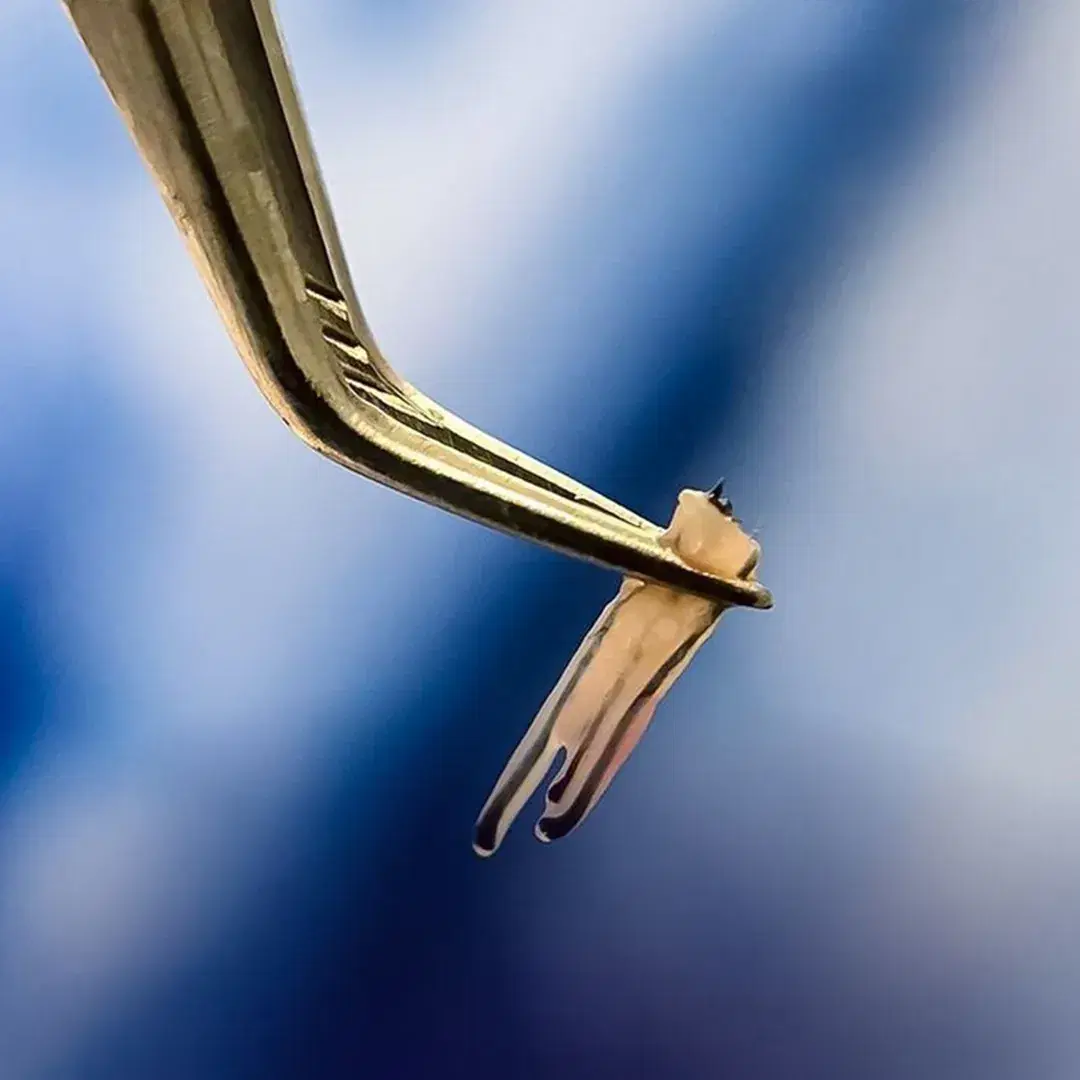
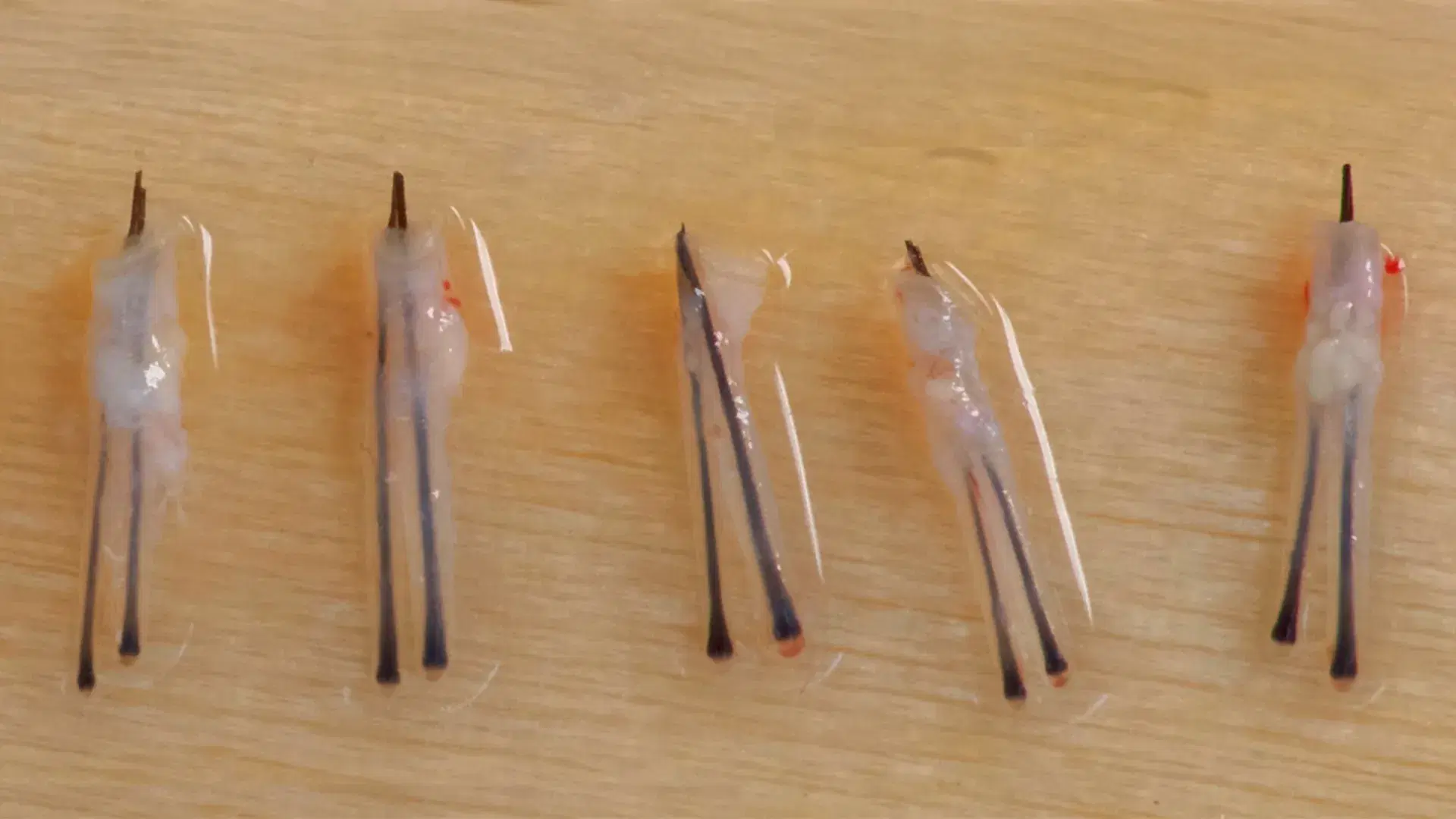
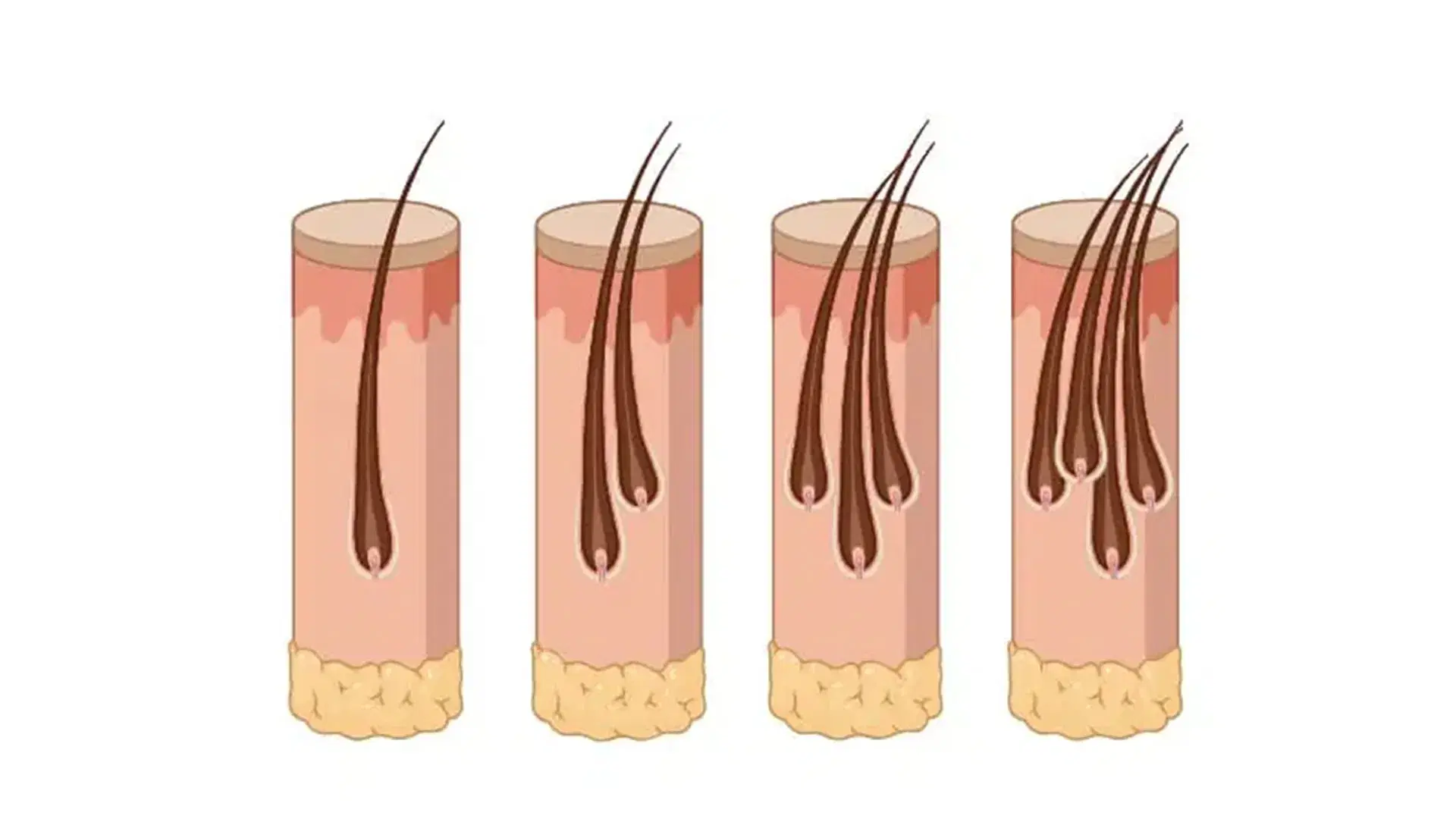
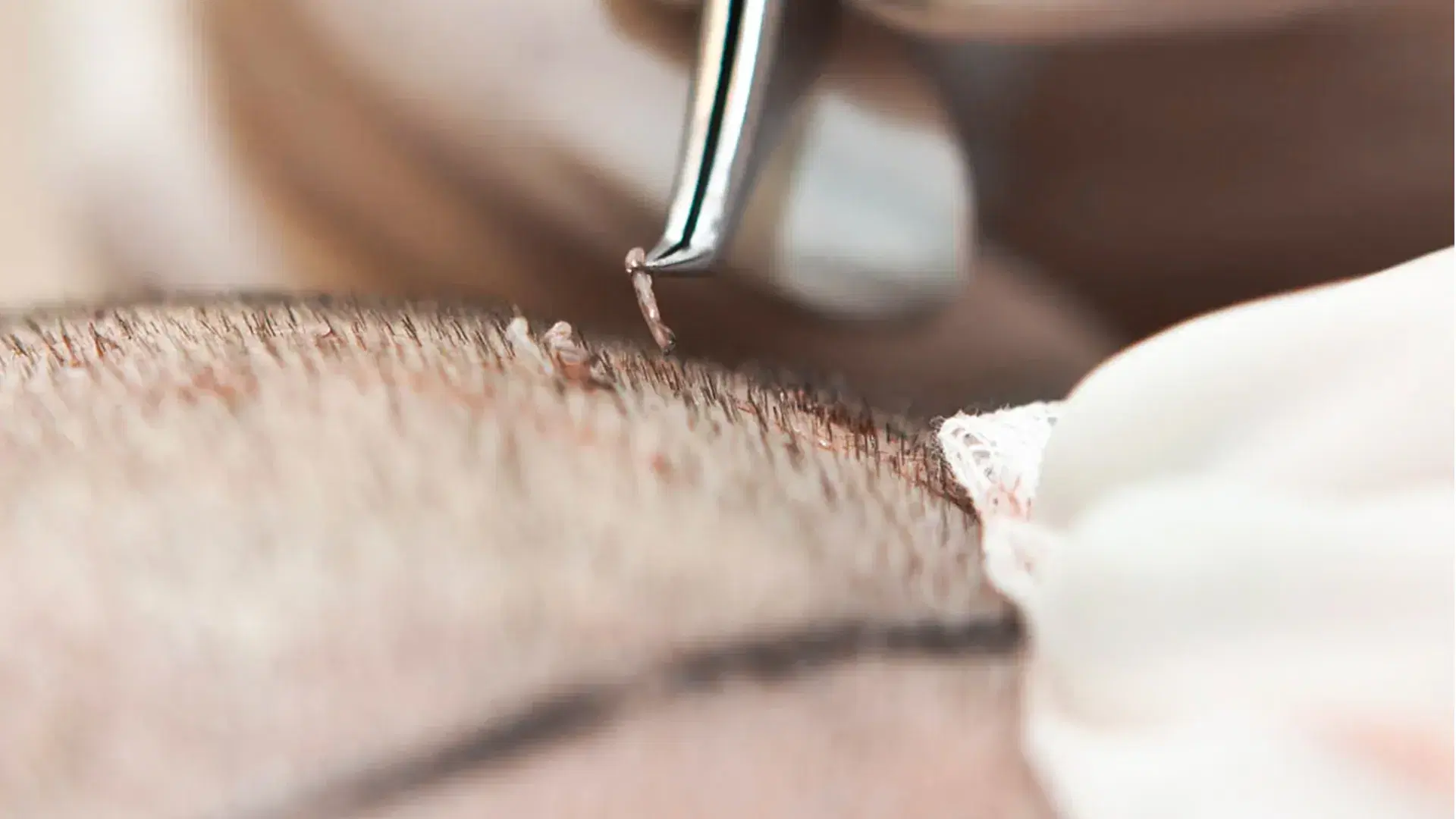
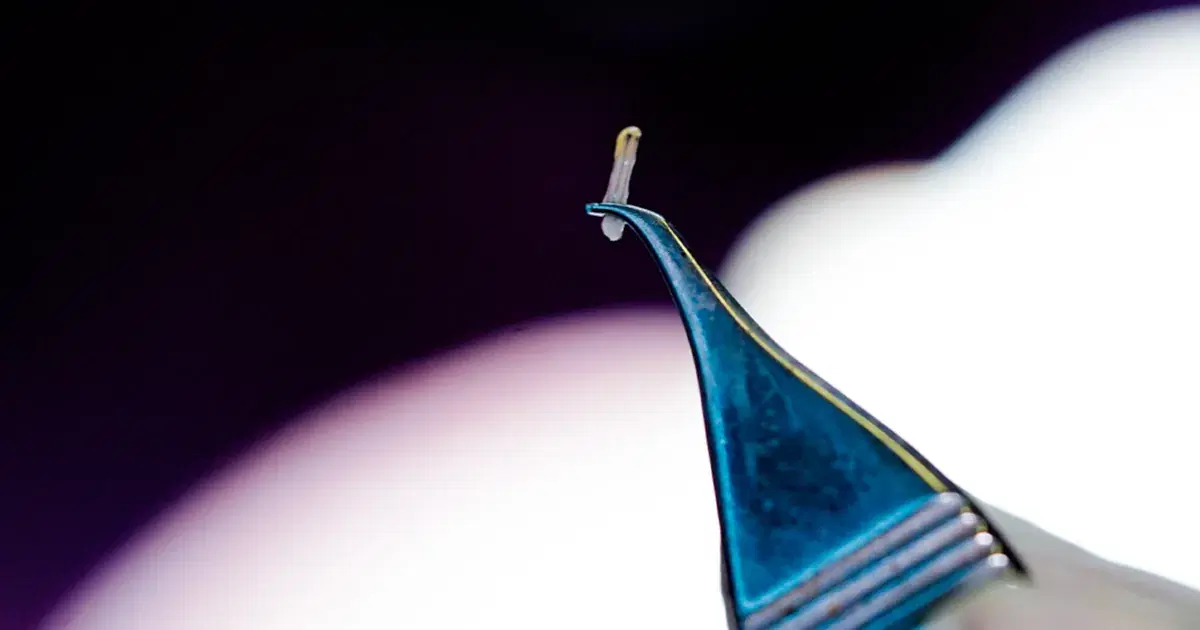
A graft is a tiny unit of scalp tissue that contains one or more hair follicles, usually between 1 to 4 hairs. During a hair transplant, these grafts are carefully extracted from the donor area, typically the back or sides of the head where hair is genetically resistant to hair loss. Each graft is then implanted into thinning or bald areas with precise angles and spacing to mimic natural hair growth.

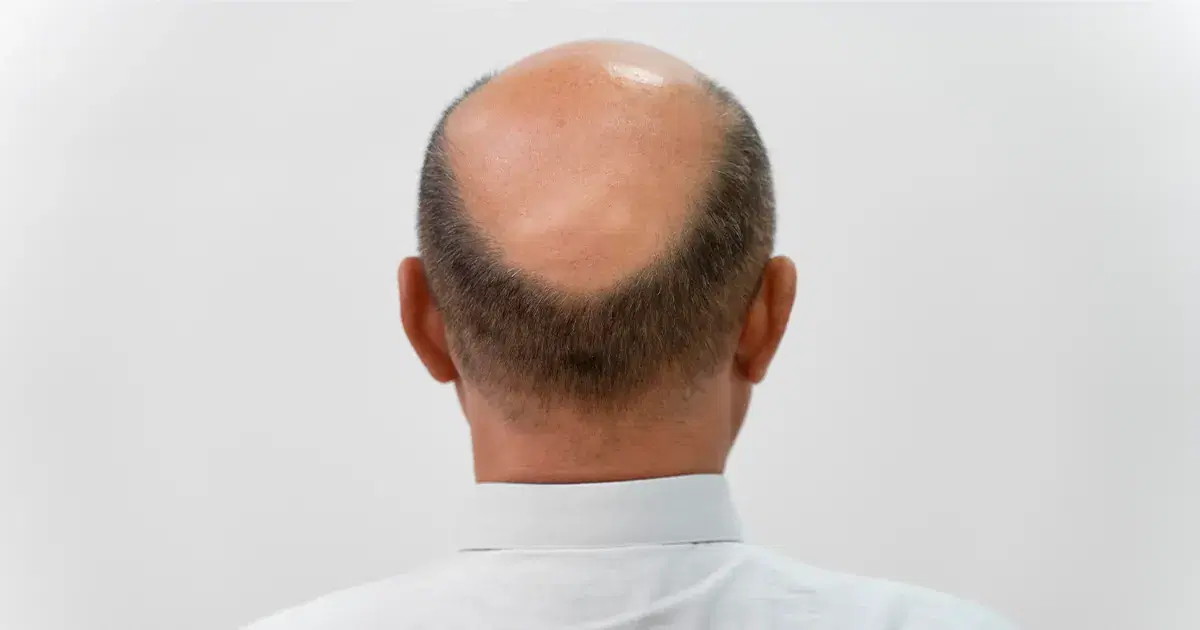
The total number of grafts needed depends on several factors, including the size of the balding area, your existing hair density, hair thickness, and your expectations for the final look. For example, restoring a receding hairline may require fewer grafts, while full crown coverage needs a much higher count. Surgeons also plan graft distribution strategically to achieve a natural density without overharvesting the donor area.


Grafts for Hair Transplant by Baldness Stage

Grafts for Hair Transplant by Baldness Stage


Doctors often use the Hamilton–Norwood Scale to estimate how many grafts you’ll need. Here’s a rough guide:

  • Stage 2: 800–1,200 grafts (temples and slight hairline recession)

  • Stage 3: 1,500–2,000 grafts (more defined “M” shape)

  • Stage 4: 2,000–2,500 grafts (front plus early crown thinning)

  • Stage 5: 2,500–3,000 grafts (front and crown merging)

  • Stage 6: 3,500–4,000 grafts (large bald area connected)

  • Stage 7: 4,500–6,000+ grafts (full coverage required)

These numbers are estimates, but they give you a realistic starting point when talking to a clinic. If you’re curious about the cost per stage, check our hair transplant cost page for a breakdown tailored to DHI and FUE procedures.


Factors That Change the Graft Count

Factors That Change the Graft Count


Every hair transplant is unique, and the number of grafts needed can vary from person to person. Several key factors influence how many hairs are transplanted and how dense the final result looks.


Donor Density

Your donor area determines how many hairs can safely be transplanted. A higher donor density means more follicles are available, which allows for better overall coverage.

Hair Thickness

Thicker hairs cover more scalp area and create a fuller look, so even fewer grafts can provide significant visual density compared to thinner hairs.

Desired Style

The style you want influences graft needs. A dense, youthful hairline or full crown requires more grafts than a subtle, conservative approach.

Previous Surgeries

Scarring from past procedures can reduce graft survival, which may impact how many hairs can be effectively transplanted.

Our Approach at Esthetic Hair

We don’t limit your transplant based on graft numbers. Instead, we transplant as many hairs as your donor area safely allows. Pricing is not per graft, so you get maximum coverage and natural-looking results without worrying about numbers.

If you’re unsure about density, check out this guide on hair density and coverage.

 

Costs and Expectations

Costs and Expectations

Hair transplant costs are influenced by several factors, including the clinic’s location, the surgeon’s experience, the technique used (FUE, DHI, or Sapphire FUE), and the size of the transplant area. Many clinics traditionally price procedures per graft, which can range from $2 to $5 per graft on average. This means a 2,500-graft transplant could cost anywhere from $5,000 to $12,500.

It’s important to note that prices can fluctuate significantly depending on the country. For example, hair transplants in the USA or Europe tend to be on the higher end, while Turkey offers competitive pricing with highly skilled surgeons, often at a fraction of the cost without compromising quality.

At Esthetic Hair, we don’t base our pricing on graft numbers. Instead, we focus on providing maximum coverage and natural results, performing as many grafts as your donor area safely allows. This approach ensures patients get the best possible outcome without worrying about the cost per graft.


Results: What Grafts Can Really Do


It’s not just about numbers. The placement of grafts determines how natural the result looks. A skilled surgeon can create a soft hairline with just 1,500 grafts, while poorly placed 3,000 grafts may still look thin.

If you want to see how graft numbers translate into real-world results, check our post on hair grafts ; it breaks down costs, numbers, and outcomes in detail.


Final Thoughts on Grafts for Hair Transplant

The right number of grafts for hair transplant depends on your stage of baldness, your donor supply, and your goals. Whether you need 1,500 grafts for a subtle hairline fix or 5,000+ for full coverage, knowing your range gives you clarity before booking surgery. Add in a graft counter on this page, and you’ll have the clearest picture yet of what it takes to restore your hair.

Start Your Personalized Hair Treatment Journey

Book a consultation and discover the most effective hair transplant or therapy option tailored to your hair needs and expectations.