Esthetic Hair Clinic logo

Hair Grafts: Cost, Numbers, and Results in Transplants

Hair grafts are the units used in transplants; knowing how they’re counted helps estimate natural-looking results.
Dr. Nadiye HACIÖMEROĞLUPhysician
·
10 min read
·
February 5, 2026
About Us Esthetic Hair

Hair Grafts: Cost, Numbers, and Results in Transplants

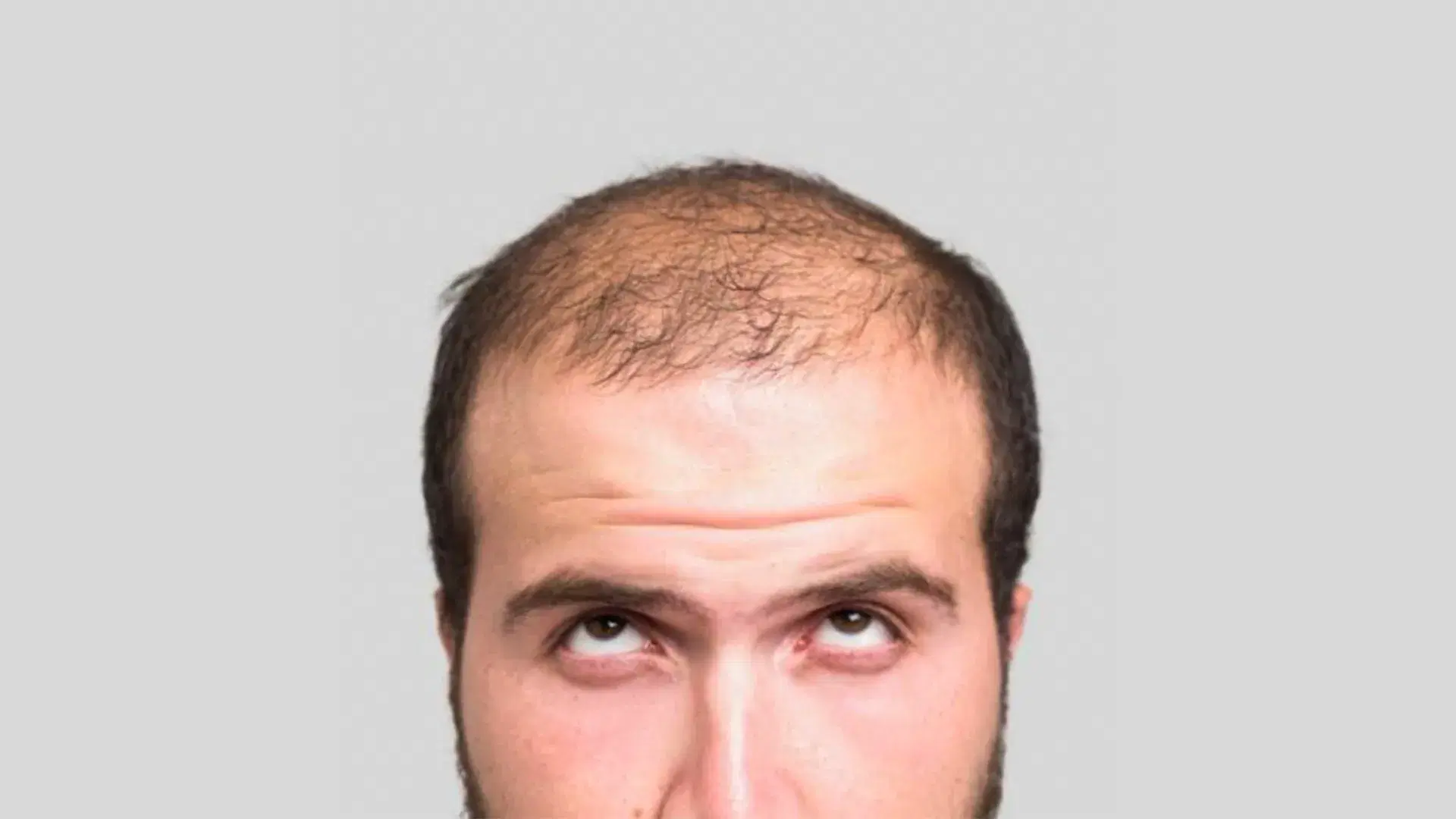
If you’re thinking about a hair transplant, you’ve probably seen the term hair grafts everywhere. But what exactly is a hair graft, how is it measured, and how many do you actually need for a natural result? Let’s break it down with real science, not guesswork.

Start Your Personalized Hair Treatment Journey

Book a consultation and discover the most effective hair transplant or therapy option tailored to your hair needs and expectations.

What Is a Hair Graft?

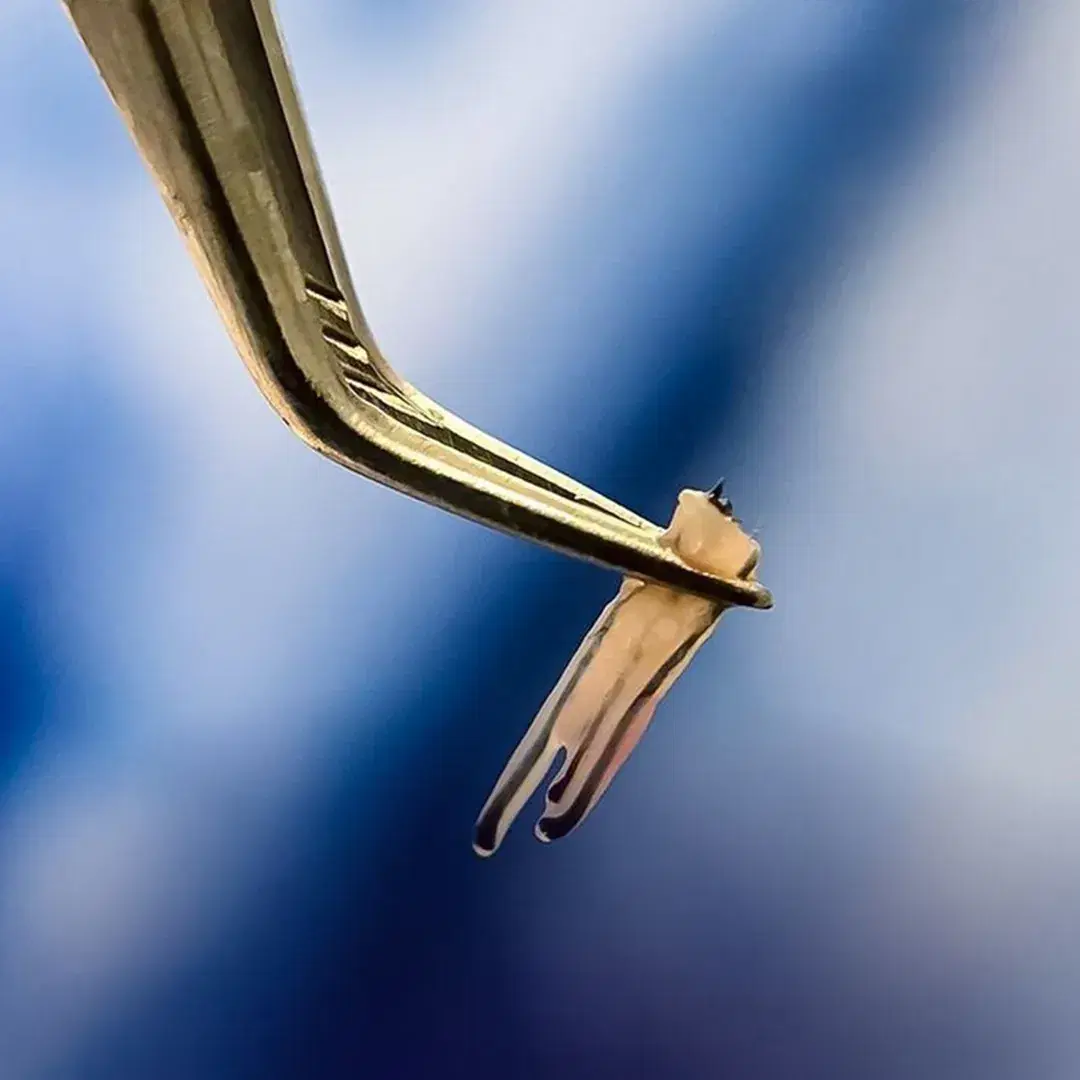
A hair graft is a naturally occurring group of tissue harvested from the donor area of the scalp, most commonly from the back and sides of the head. Each graft contains one or more hair follicles, which are typically resistant to the hormonal factors responsible for pattern hair loss. This characteristic makes donor follicles suitable for transplantation into thinning or bald areas.

Most grafts contain between one and four hairs. During modern hair transplant procedures, these follicular units are extracted and implanted individually to create natural-looking density and growth patterns. The most widely used techniques today are FUE (Follicular Unit Extraction) and DHI (Direct Hair Implantation). Both methods focus on preserving follicular integrity while achieving precise graft placement.

The older FUT (Follicular Unit Transplantation) technique, also known as the strip method, is still performed in some regions but is used less frequently than FUE and DHI in many modern hair restoration centers.

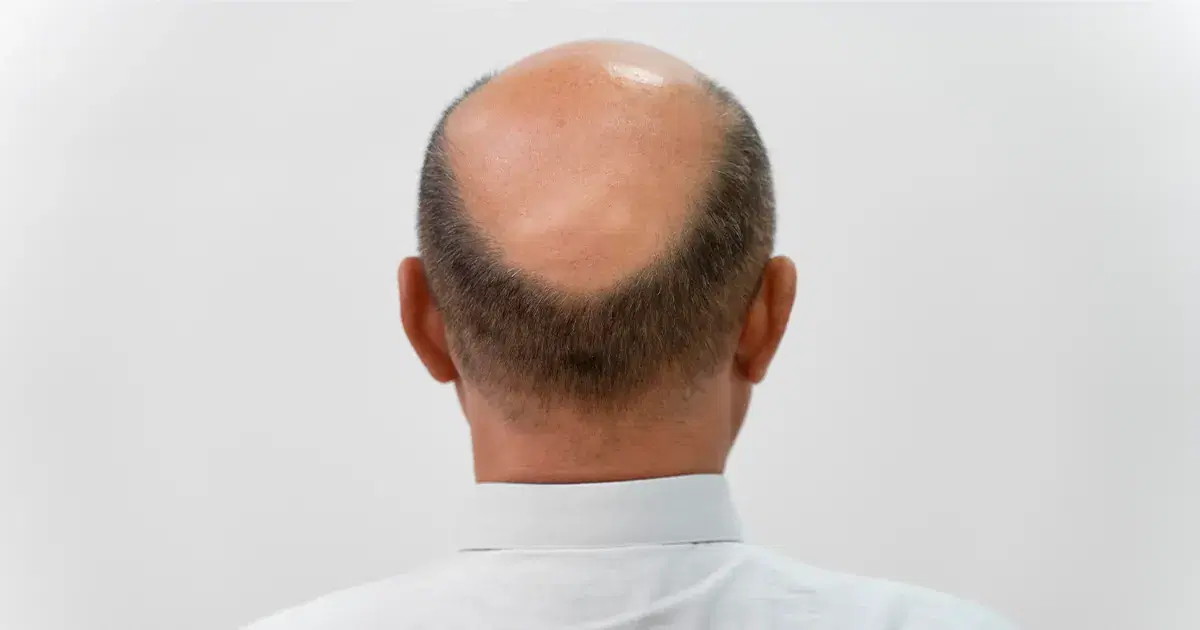
The number of grafts required varies according to the extent of hair loss, donor capacity, hair characteristics, and treatment goals. According to the ISHRS 2022 Practice Census Report, many hair transplant procedures involve approximately 1,500 to 4,000 grafts, although individual requirements may be higher or lower depending on the patient's needs.

How Do Hair Grafts Work in a Transplant?

How Do Hair Grafts Work in a Transplant?

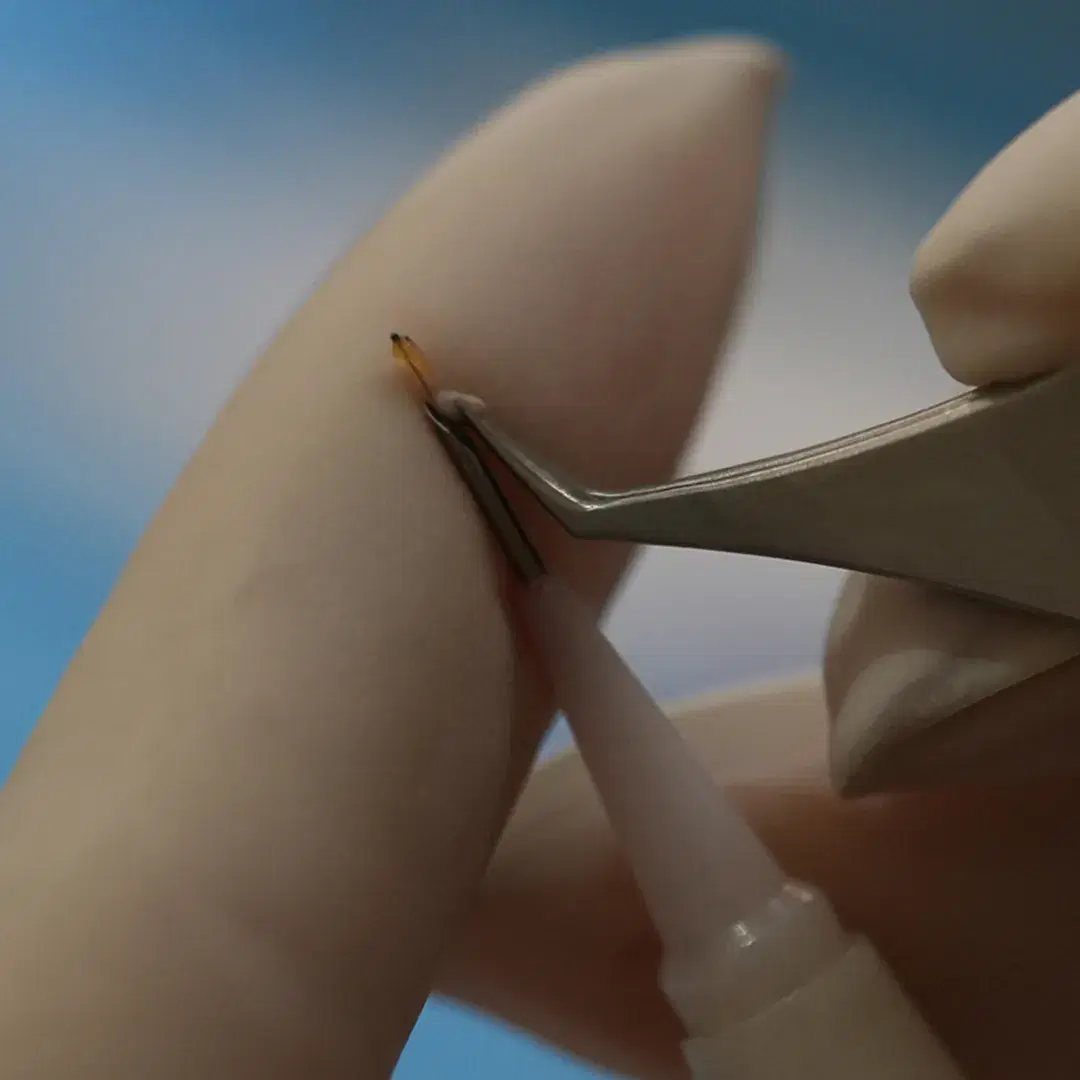
During a hair transplant, grafts are carefully harvested from the donor area using techniques such as FUE or DHI. Each graft contains one or more hair follicles and is handled with precision to preserve follicle viability throughout the procedure. After extraction, the grafts are implanted into strategically planned recipient sites based on the desired hairline design, density, and growth pattern.

The placement of each graft is a critical part of the procedure. Factors such as angle, direction, depth, and spacing influence how naturally the transplanted hair will blend with existing hair. Careful graft distribution helps create a balanced appearance while maximizing the available donor supply.

Following transplantation, the follicles enter a normal healing process. During the first few weeks, many of the transplanted hairs shed in a temporary phase commonly known as shock loss. Although this can be concerning for patients, it is a normal part of the hair growth cycle and does not indicate graft failure.

New hair growth typically begins between three and four months after the procedure. As the follicles enter their active growth phase, the new hairs gradually become thicker and more visible. Noticeable improvements are often observed between six and nine months, while final maturation generally occurs between twelve and eighteen months. Individual results may vary depending on factors such as healing characteristics, hair caliber, graft survival, and adherence to post-operative care recommendations.

Clinical research has shown that transplanted follicles continue to behave like natural hair follicles after implantation and follow a predictable growth cycle. Source: Complications in Hair Transplantation.

Hair Grafts Falling Out: Should You Worry?

Hair Grafts Falling Out: Should You Worry?

Many patients become concerned when transplanted hairs begin to fall out shortly after surgery. In most cases, this is a normal and expected part of the recovery process. Hair shedding typically occurs during the first two to four weeks after a hair transplant and does not indicate that the procedure has been unsuccessful.

What sheds during this period is usually the visible hair shaft rather than the transplanted follicle itself. The follicle remains beneath the skin and continues its natural biological cycle. This temporary shedding phase is commonly known as shock loss.

Shock loss occurs because transplanted follicles temporarily enter a resting phase following the procedure. At the same time, small scabs may form around the grafts as the scalp heals. Both shedding and scab formation are considered normal components of the early recovery process.

New hair growth generally begins around three to four months after transplantation, when the follicles re-enter the active growth phase. The newly growing hairs gradually become thicker and more visible over the following months.

Clinical studies and medical literature consistently describe temporary post-transplant shedding as a predictable stage of recovery. Additional information can be found in NCBI Bookshelf – Hair Transplantation and PMC – Complications in Hair Transplantation.
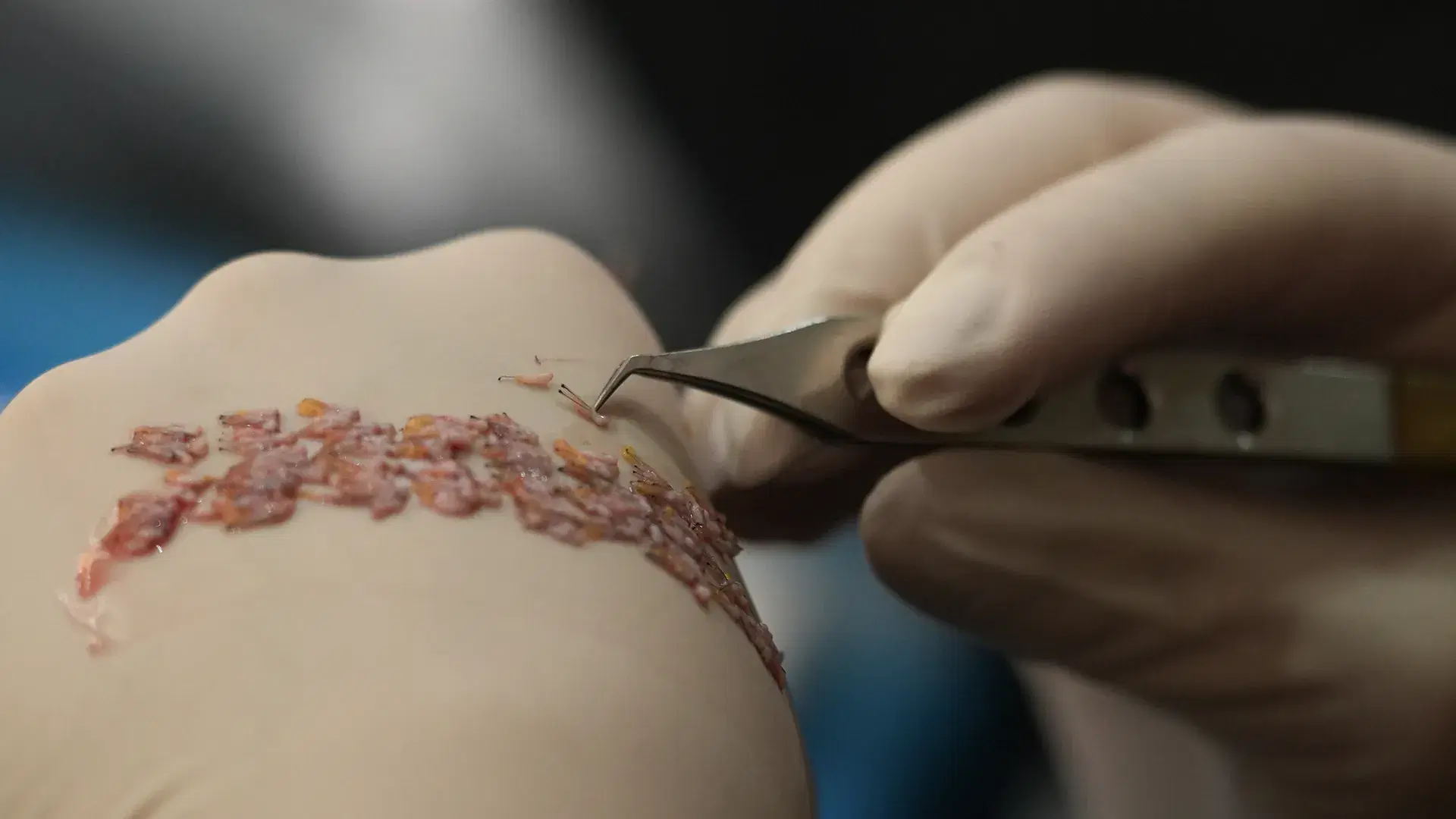
If shedding persists significantly longer than expected or is accompanied by increasing pain, redness, swelling, discharge, or other unusual symptoms, a follow-up evaluation with the treating surgeon is recommended.