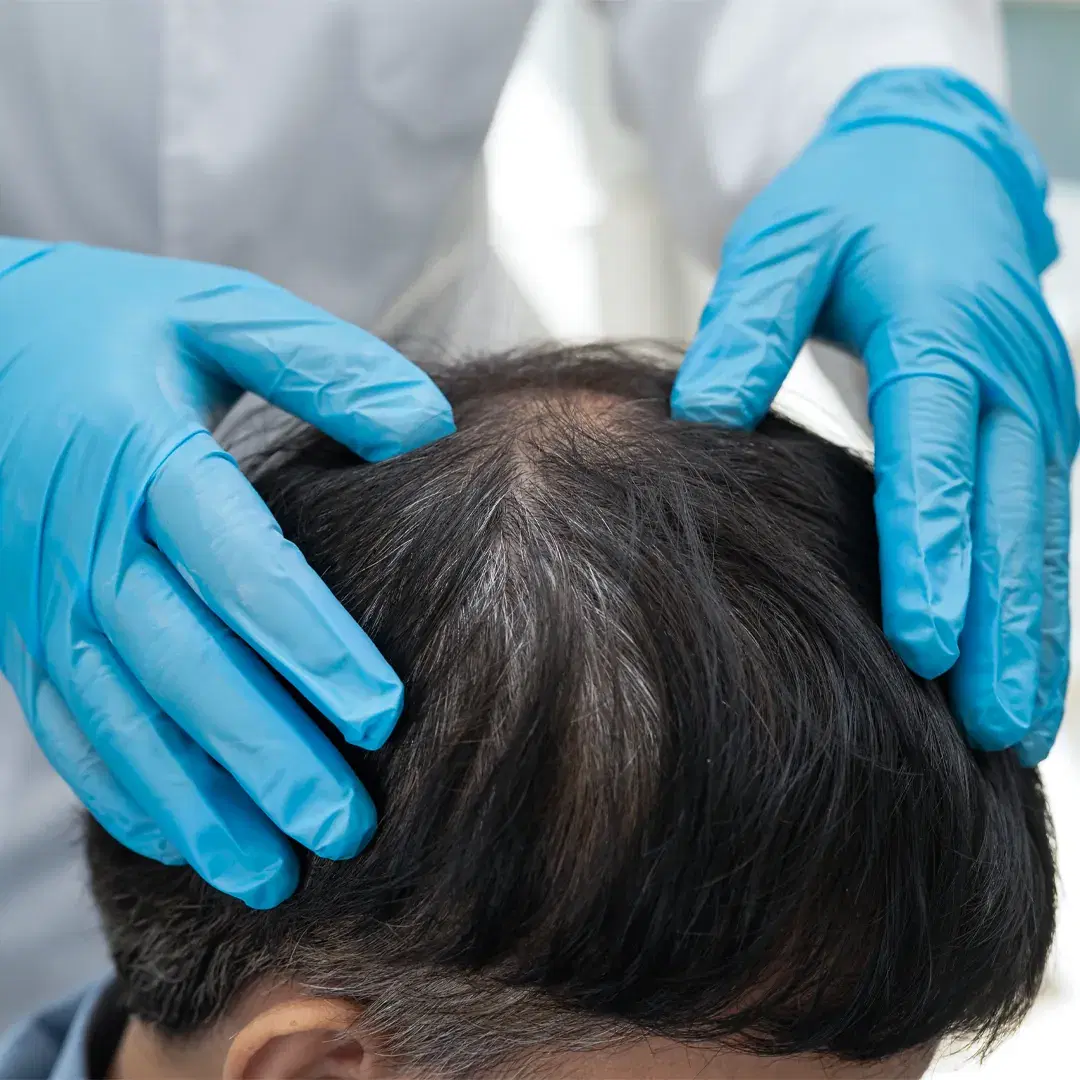
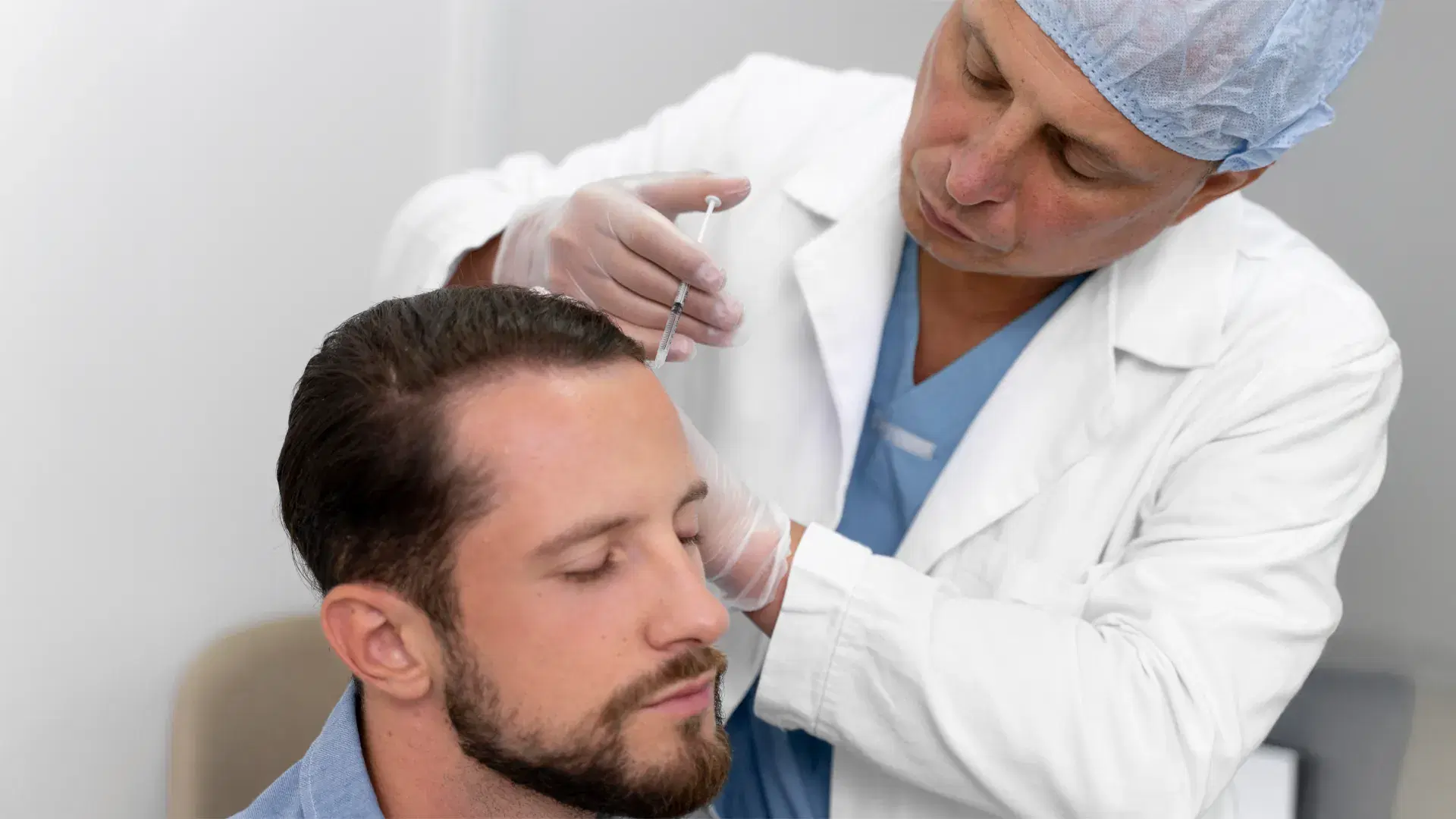
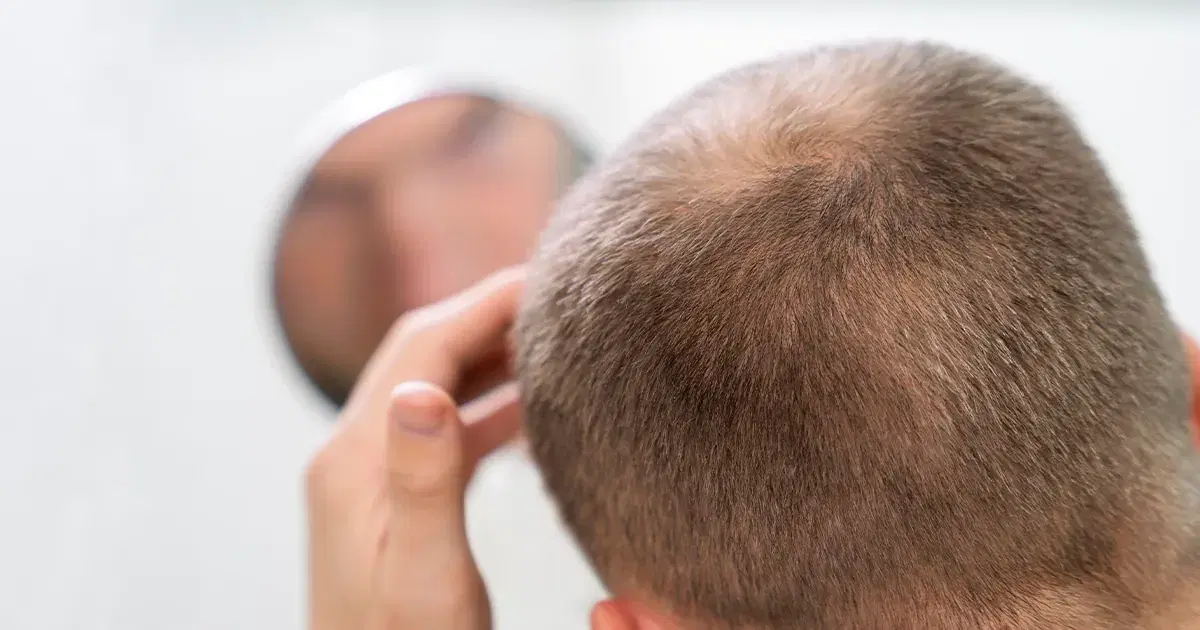
Hair plugs followed a simple but outdated surgical approach to hair restoration. The technique focused on moving groups of hair follicles from a donor area to bald spots, without considering natural hair direction or density.
Donor Hair Removal
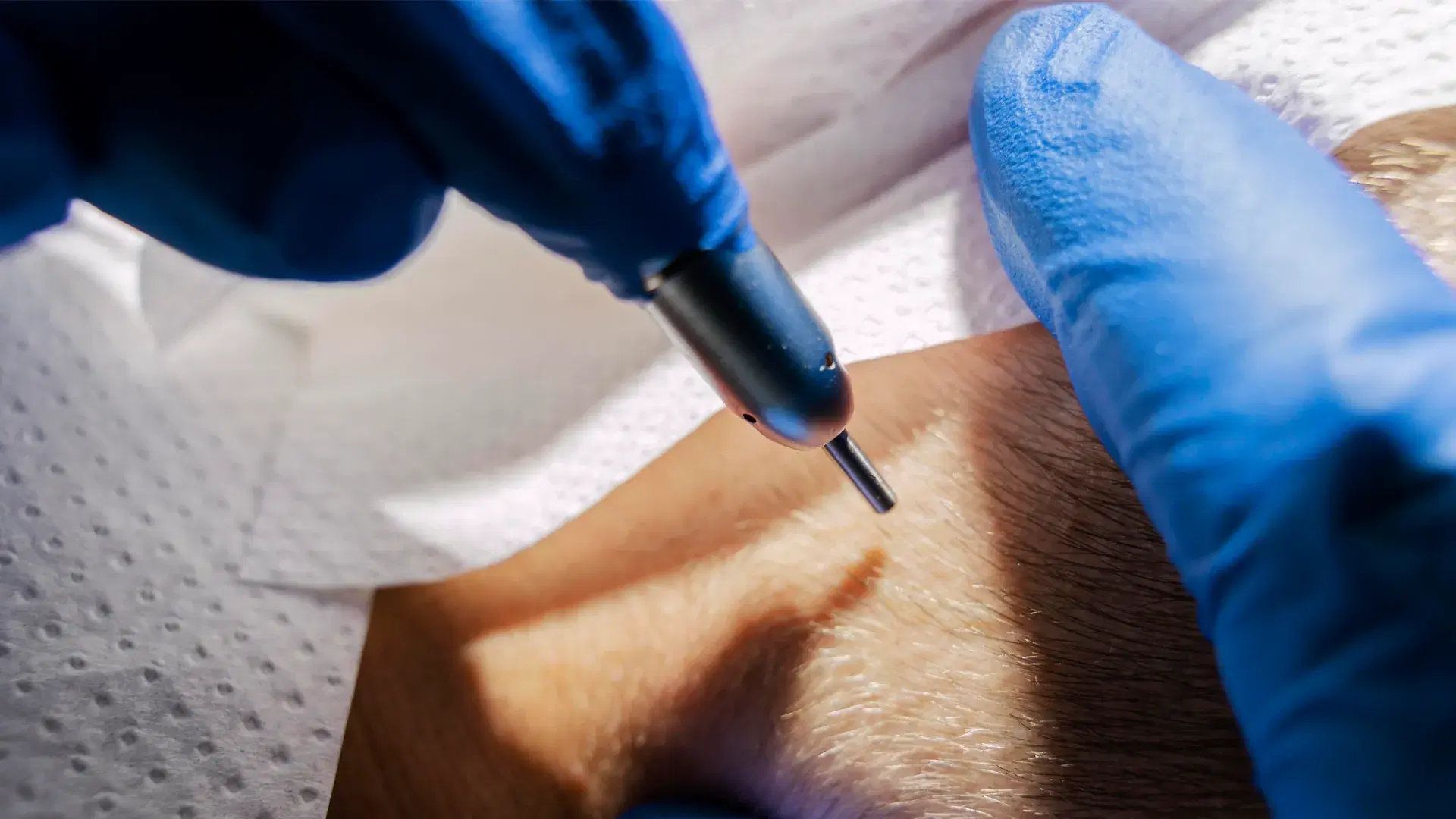
A circular punch tool was used to remove sections of scalp containing multiple hair follicles. These grafts were taken from the back or sides of the head, where hair is more resistant to thinning.
Graft Preparation
Each removed section contained a large cluster of hair follicles. Unlike modern techniques, the grafts were not divided into smaller units, which limited precision and natural placement.
Implantation Into Bald Areas
Small holes were created in the balding areas of the scalp, and the large grafts were inserted into these openings. The spacing between grafts often resulted in a “doll-like” appearance.
Multiple Treatment Sessions
Because each session could only cover a limited area, several procedures were usually required to achieve visible coverage. This increased recovery time and overall discomfort.
Final Appearance and Limitations
Although hair growth did occur, the size and placement of the grafts often produced unnatural results. This is why hair plugs have been replaced by more advanced techniques such as FUE and DHI.