Esthetic Hair Logo header svg
FUT Hair Transplant Cost, Procedure, and What to Expect

FUT Hair Transplant Cost, Procedure, and What to Expect

If you’ve been looking into hair restoration, you’ve probably seen the term FUT hair transplant pop up alongside FUE and even DHI. FUT was one of the earliest methods to treat baldness surgically, and while it’s still used today, it’s not always the top choice. So let’s break down what FUT really is, how much it costs, and why many people now prefer alternatives like FUE or DHI.

Share

Start Your Personalized Hair Treatment Journey

Book a consultation and discover the most effective hair transplant or therapy option tailored to your hair needs and expectations.

What Is a FUT Hair Transplant?

What Is a FUT Hair Transplant?


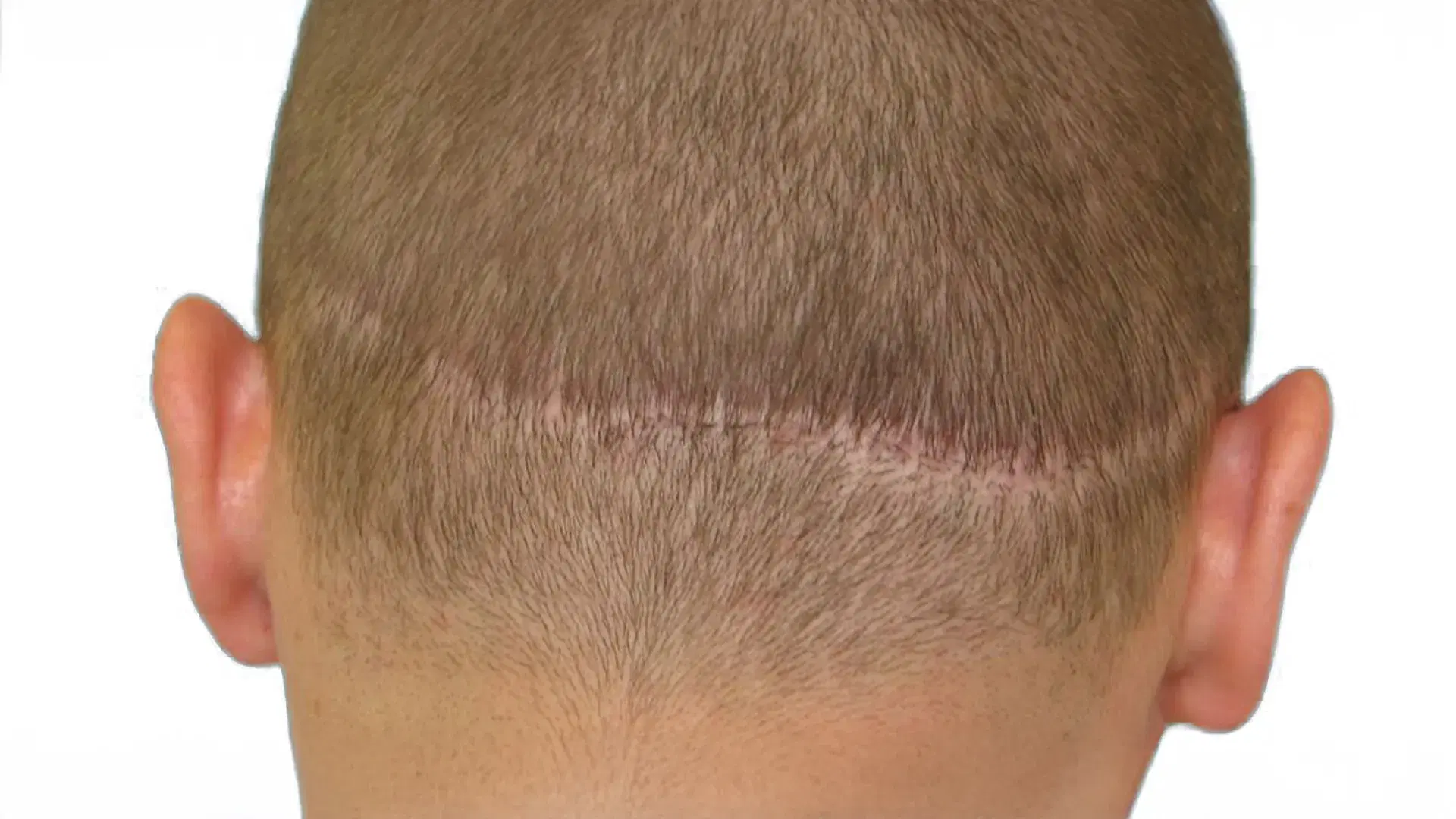
FUT stands for Follicular Unit Transplantation. In this method, a strip of skin is removed from the back of the scalp, and individual hair grafts are then separated and implanted into thinning areas. Because of the strip removal, FUT almost always leaves a linear scar in the donor area. And because the strip is excised and then sutured, tension on the wound edges, skin laxity, and healing capacity influence how visible and wide that scar becomes (NCBI).

In contrast, FUE (Follicular Unit Extraction) and DHI (Direct Hair Implantation) avoid strip removal and usually result in much less noticeable scarring.


How Much Does a FUT Hair Transplant Cost?


Cost depends heavily on the country, clinic reputation, and the number of grafts needed. On average:

  • United States: $4,000–$15,000

  • United Kingdom: £3,000–£8,000

  • India: ₹60,000–₹150,000

  • Turkey: $1,500–$4,000

Turkey is especially popular because prices are lower, and many clinics bundle hotel stays, airport transfers, and aftercare into the package. However, cheap doesn’t always mean better results. FUT is usually cheaper than FUE or DHI, but patients often accept the higher price of the newer methods for less scarring and quicker recovery.


How the FUT Hair Transplant Procedure Works

How the FUT Hair Transplant Procedure Works

The Follicular Unit Transplantation (FUT) method is a structured surgical approach designed to harvest a high number of grafts in a single session. Understanding each step helps set realistic expectations and explains why FUT leaves a linear scar but can deliver strong density in suitable candidates. Proper planning and technique are essential to maximize graft survival and ensure a natural-looking result.


Donor Area Preparation and Local Anesthesia

The procedure begins with trimming the donor area, usually at the back of the head, to expose healthy hair follicles. Local anesthesia is then applied to ensure the patient remains comfortable and pain-free throughout the surgery. The surgeon carefully marks the donor strip area to harvest the optimal number of follicles while preserving scalp integrity.


Surgical Removal of the Donor Strip

Once the area is numb, the surgeon removes a thin strip of scalp from the donor zone. This strip contains a high concentration of healthy, DHT-resistant hair follicles that are ideal for transplantation. The extraction is done carefully to minimize trauma to surrounding tissue and reduce the risk of scarring.


Microscopic Dissection of Follicular Units

The removed strip is meticulously dissected under a microscope into individual follicular units. This step is critical to preserve follicle integrity, separate grafts according to size, and maximize graft survival. Each graft typically contains one to four hairs, depending on its natural structure, which ensures a natural hair pattern when implanted.


Creation of Recipient Incisions

Tiny incisions are made in the thinning or balding areas of the scalp. These incisions are planned based on natural hair direction, angle, and density to ensure a realistic result. Surgeons take special care to mimic the patient’s natural hairline and crown patterns, which is key for achieving a seamless appearance.


Implantation of Hair Grafts

The prepared grafts are carefully implanted into the recipient sites. Proper placement, depth, and orientation of each graft play a major role in achieving natural-looking hair growth. Surgeons may take breaks to evaluate density and spacing, ensuring uniform coverage and optimal aesthetics.


Closure of the Donor Area

After graft extraction, the donor area is closed with sutures or staples. This results in a linear scar, which is typically hidden by surrounding hair once healed. Surgeons may use trichophytic closure techniques to further minimize scar visibility and allow surrounding hair to grow through the incision.


Duration of the FUT Procedure

The entire FUT process usually takes 4 to 8 hours, depending on the number of grafts harvested and implanted, as well as the complexity of the case. Patients are often able to return home the same day, with detailed aftercare instructions provided to ensure proper healing and graft survival.

FUT Hair Transplant vs FUE and DHI

FUT Hair Transplant vs FUE and DHI


When comparing hair restoration methods, the most common debate is FUT vs FUE, with DHI now entering the conversation as well. All three procedures move hair from the donor area to thinning spots, but the techniques, scarring, recovery, and results vary significantly. Understanding the differences can help patients choose the method that best fits their goals, hair characteristics, and lifestyle.


FUT (Follicular Unit Transplantation)

A strip of scalp is removed from the back of the head. Individual follicular units are then extracted from this strip and implanted into thinning areas. This method leaves a linear scar and requires stitches, but it allows surgeons to harvest a high number of grafts in a single session, making it suitable for covering larger bald areas. Proper donor area management is crucial to minimize scar visibility and maintain healthy surrounding hair.


FUE (Follicular Unit Extraction)

Follicles are removed one by one using tiny punch tools. This leaves dot-like scars that are hardly visible and heals faster than FUT. FUE is less invasive, allows for quicker recovery, and gives natural-looking results. It is particularly popular among patients who prefer shorter hairstyles or want minimal downtime. Careful planning ensures uniform density and optimal placement of grafts.


DHI (Direct Hair Implantation)

A newer technique where follicles are implanted directly using a specialized implanter pen. DHI often results in denser, more natural-looking hair, with minimal visible scarring. The method allows surgeons to control the angle, depth, and direction of each follicle precisely, which can improve aesthetic outcomes. Recovery is similar to FUE, and it’s ideal for patients seeking high density without linear scars.


Key Differences at a Glance

  • Scarring: FUT leaves a linear scar, FUE leaves tiny dots, and DHI usually has the least visible scarring.

  • Recovery: FUT recovery takes several weeks, FUE just a few days, and DHI is similar to FUE.

  • Comfort: FUT involves stitches and more discomfort, while FUE and DHI are less invasive.

  • Results: FUT can cover large bald areas, FUE gives natural results, and DHI often provides the highest density.

  • Cost: FUT is usually the cheapest, FUE costs more, and DHI is generally the most expensive.

Choosing the Right Technique

Many clinics recommend FUE or DHI for patients who want minimal scarring, faster recovery, and natural density. FUT still has its place for those needing a large number of grafts in a single session or a more affordable option, but it is no longer the most popular choice. Ultimately, the decision depends on donor area quality, the number of grafts needed, personal goals, and surgeon recommendation.

FUT Hair Transplant in Turkey

Many patients search specifically for FUT hair transplants in Turkey because of the lower cost. While Turkish clinics are known for offering excellent FUE and DHI at affordable prices, FUT is less common there nowadays. Most clinics highlight their advanced FUE or DHI packages instead, because international patients usually prefer newer techniques.

Who Might Still Choose FUT?


Despite its drawbacks, FUT isn’t completely obsolete. It may be recommended if:

  • A large number of grafts are needed in one session

  • The patient doesn’t mind a linear scar hidden by long hair

  • Cost is the biggest factor, and cheaper options are preferred

For everyone else, FUE or DHI tends to be the more comfortable and modern choice.


What to Expect After FUT

Patients can expect swelling, soreness, and scabbing in the first week. Stitches are removed after 10–14 days, but the scar remains permanent. Full results usually show after 9–12 months, though some patients report less natural density compared to FUE or DHI.

Should I Get an FUT Hair Transplant?


If you’re thinking about a FUT hair transplant, it’s worth asking if it’s the right choice today. While FUT can restore hair, the truth is it’s an older method with clear downsides — a visible linear scar, longer recovery time, and results that often look less natural than newer techniques.

If your goal is a confident, natural-looking head of hair, the latest technology matters. That’s why most patients now choose DHI (Direct Hair Implantation). With DHI, there are no stitches, no long scars, and the precision tools allow for perfect density and natural growth direction.

At our clinic, we specialize in advanced DHI procedures performed by experienced surgeons who focus on both results and comfort. If you’re serious about getting the best outcome, FUT simply can’t compete with what modern DHI offers.

Choosing the right method is the difference between covering baldness and truly restoring your look. That’s why if you want lasting results you’ll feel proud of, our DHI hair transplant is the smarter choice.

Start Your Personalized Hair Treatment Journey

Book a consultation and discover the most effective hair transplant or therapy option tailored to your hair needs and expectations.