
Esthetic Hair Logo header svg
Sapphire FUE: Precise and Scar-Free Hair Restoration
Badge Icon

Sapphire

Sapphire FUE Hair Transplant: Precise, Painless, Powerful

Sapphire FUE hair transplant is not just another upgrade in hair restoration, it is a serious leap forward. If you have been researching modern techniques and keep seeing Sapphire FUE pop up everywhere, there is a damn good reason for that. This method combines advanced technology with surgeon-level precision to deliver natural looking results with faster recovery and less trauma.

In this guide, you will learn exactly what Sapphire FUE hair transplant is, how it works, why it beats classic FUE, and who it is best for. No fluff, no hype, just straight facts explained like a human would.

What Is Sapphire FUE Hair Transplant?

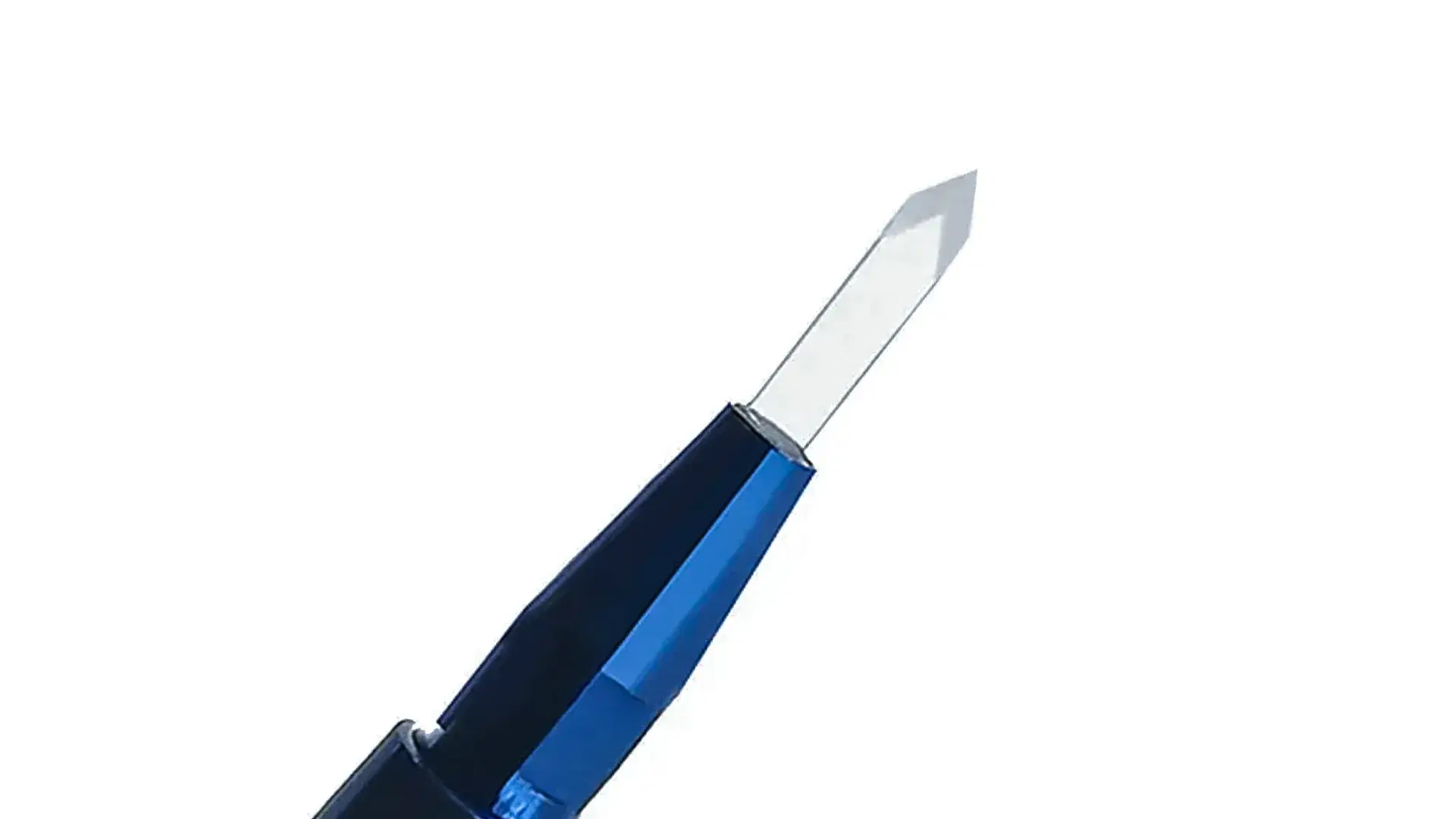
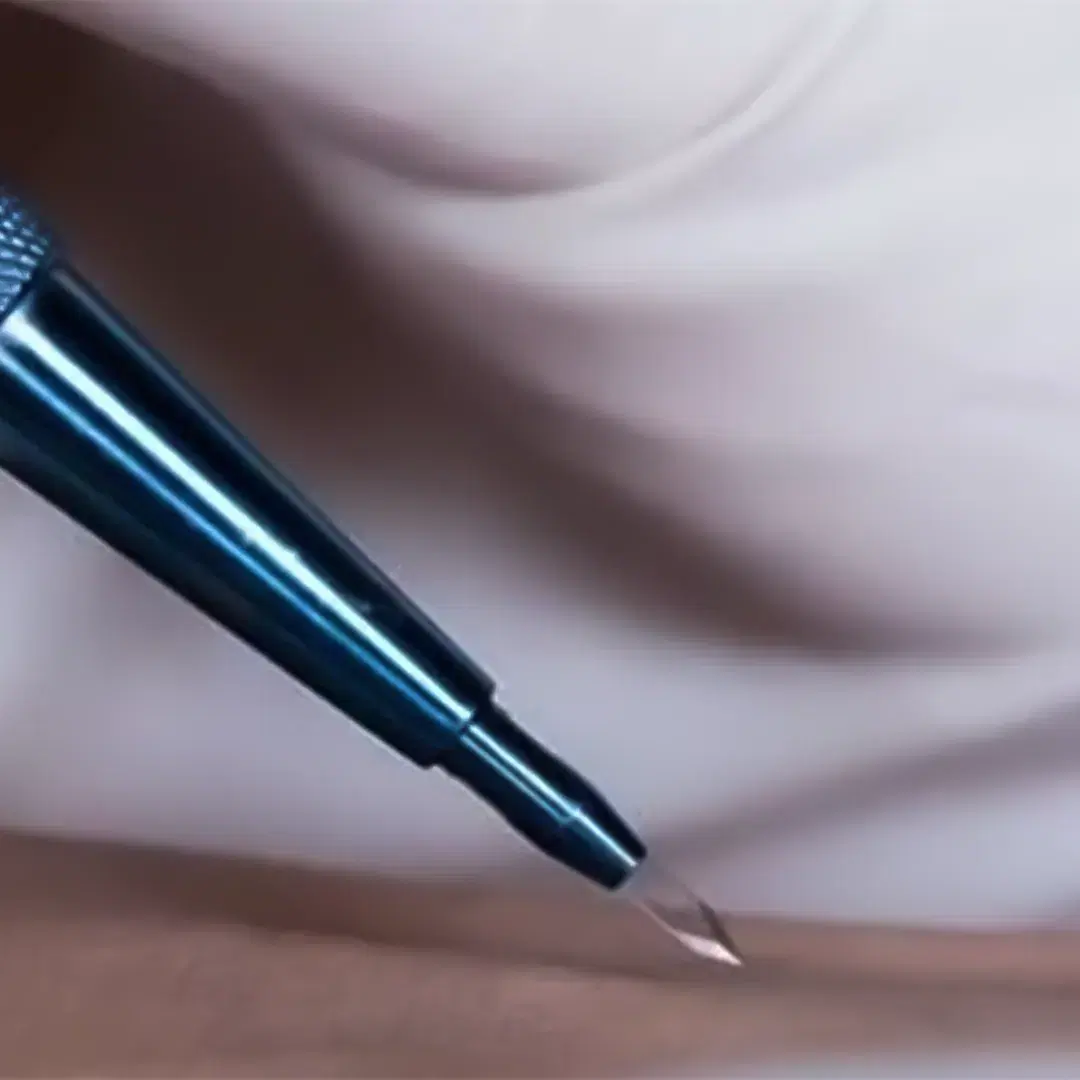
Sapphire FUE hair transplant is an advanced version of the traditional FUE technique. The main difference lies in the blade used to create recipient channels. Instead of standard steel blades, Sapphire FUE uses blades made from synthetic sapphire crystal.

These sapphire blades are ultra sharp, incredibly smooth, and designed to create smaller, cleaner incisions. As a result, the scalp experiences less trauma, which directly impacts healing time and final hair density.

In simple terms, Sapphire FUE hair transplant allows surgeons to work with insane precision. That precision translates into more natural hairlines and better graft survival.


What Makes Sapphire FUE Different

Sapphire FUE Hair Transplant for Hairline Design

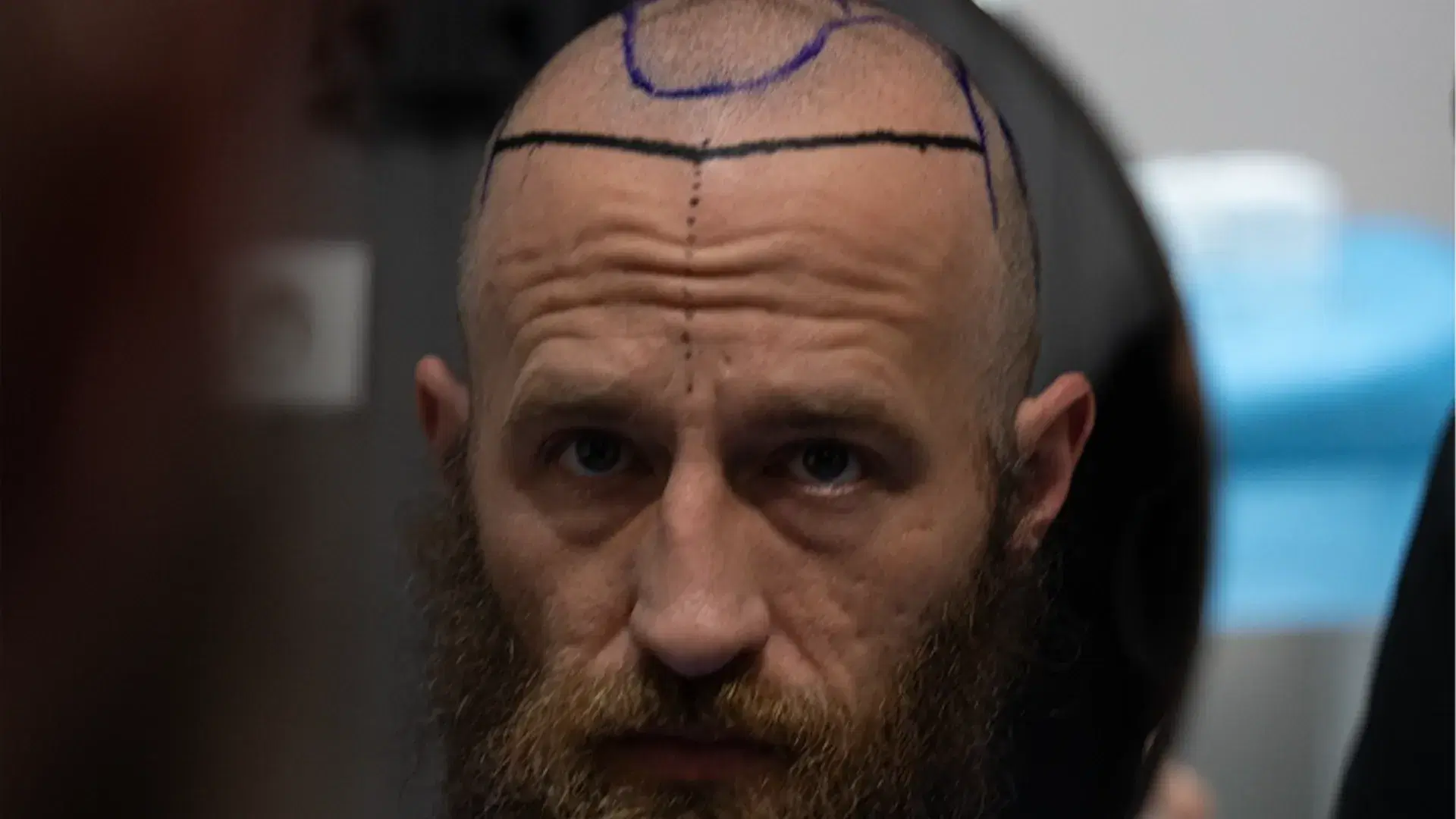
Hairline design can make or break a hair transplant. Sapphire FUE hair transplant allows surgeons to create extremely natural hairlines.

The precision of sapphire blades helps control the angle and direction of each graft. This is crucial for frontal hairlines where mistakes are very visible.

A well designed hairline should match facial features, age, and future hair loss patterns. Sapphire FUE makes this level of customization possible.

Sapphire FUE Hair Transplant for Hairline Design

Density and Natural Appearance

Density is one of the biggest advantages of Sapphire FUE hair transplant. Because channels can be placed closer together, the final result looks fuller.

At the same time, the scalp remains healthy. This balance between density and safety is difficult to achieve with older techniques.

Natural appearance is not just about density. It is also about how hair grows, moves, and blends. Sapphire FUE excels in all of these areas.

Density and Natural Appearance

Who Is a Good Candidate for Sapphire FUE?

Sapphire FUE hair transplant works for a wide range of patients. It is especially suitable for those who want high density and natural looking hairlines.

Good candidates usually have sufficient donor hair at the back or sides of the scalp. Stable hair loss patterns also increase long term success.

This technique is ideal for patients with sensitive scalps. It is also great for people who want minimal downtime.

During consultation, a proper hair analysis determines if Sapphire FUE is the best option for you.

Who Is a Good Candidate for Sapphire FUE?
Badge Icon

Procedure

How Sapphire FUE Hair Transplant Works Step by Step

Understanding the process helps remove a lot of anxiety. Sapphire FUE hair transplant follows a structured, safe, and predictable workflow.

1
<h3><span style="color: rgb(247, 248, 248);">Preparation and anesthesia</span></h3>

Preparation and anesthesia

Before the procedure starts, the donor area is shaved and carefully sterilized. Local anesthesia is applied to keep the entire process comfortable and pain free.

2
<h3 style="color: rgb(37, 39, 44);"><span style="color: rgb(247, 248, 248);">Follicle extraction</span></h3><h3 style="color: rgb(37, 39, 44);"></h3>

Follicle extraction

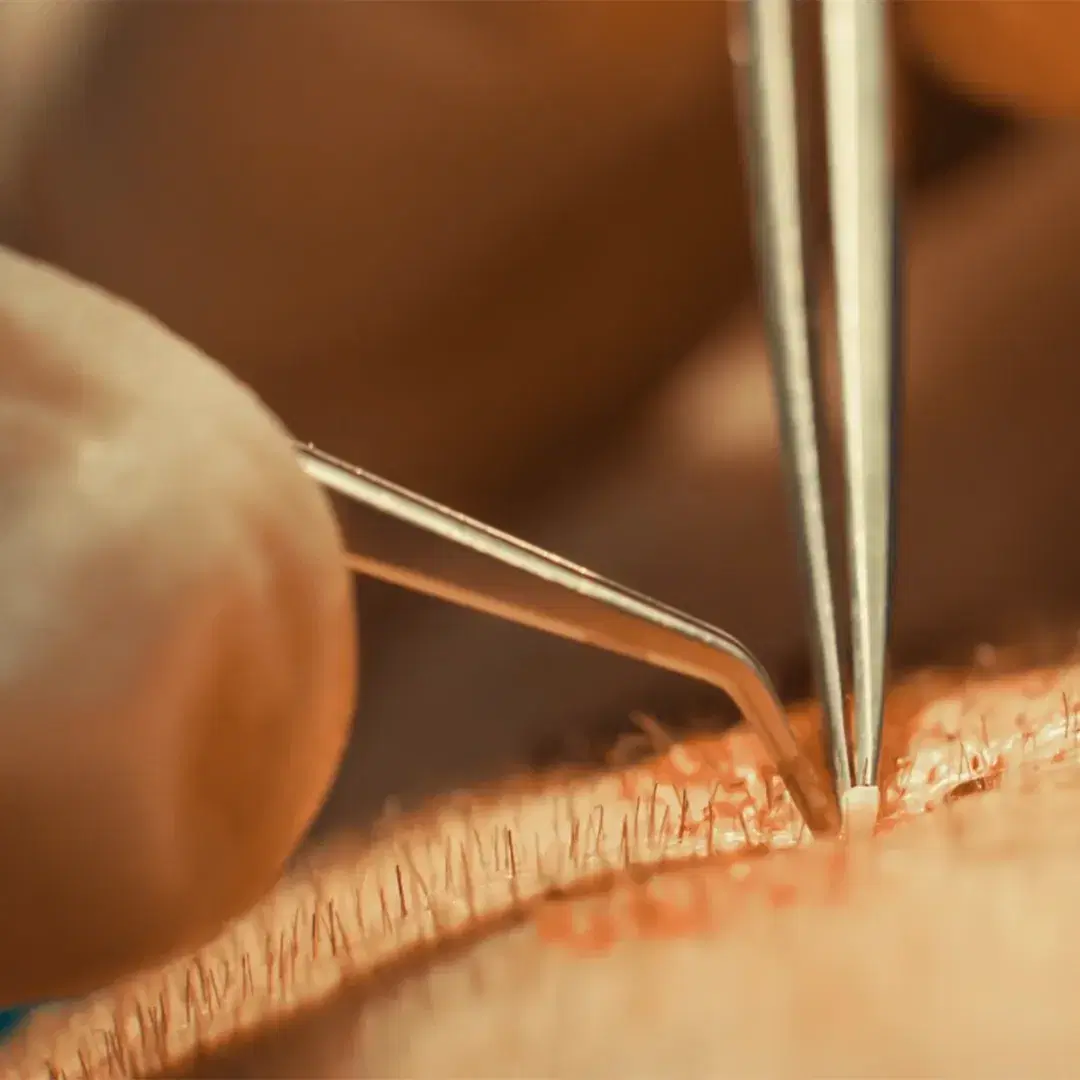
Hair follicles are extracted one by one using micro punches. Each graft is handled gently and stored in a controlled environment to protect its quality.

3
<h3><span style="color: rgb(247, 248, 248);">Sapphire channel opening</span></h3>

Sapphire channel opening

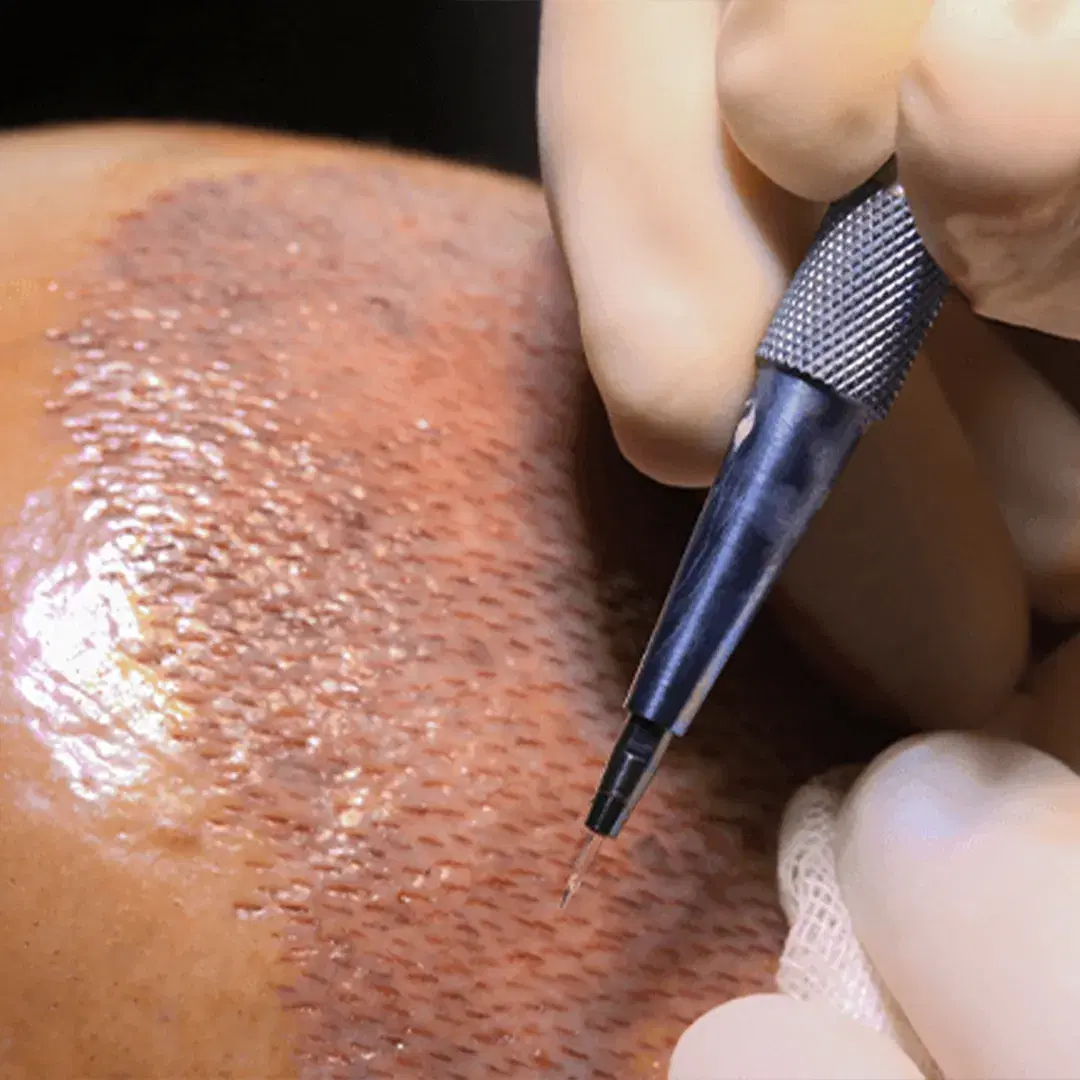
At this stage, sapphire blades are used to create precise recipient channels. The angle, direction, and depth are planned in advance for natural growth and optimal density.

4
<h3><span style="color: rgb(247, 248, 248);">Graft implantation</span></h3>

Graft implantation

The extracted follicles are placed into the sapphire channels with high accuracy. This final step determines the natural look and overall success of the Sapphire FUE hair transplant.

Healing and Recovery After Sapphire FUE

Healing and Recovery After Sapphire FUE


Recovery is where Sapphire FUE hair transplant truly stands out. Because the incisions are smaller and more refined, the scalp tends to heal faster and with less visible irritation.

In the first few days, mild redness and light scabbing are completely normal. These small crusts usually shed within 7 to 10 days as the scalp renews itself. Compared to traditional FUE, this phase is often shorter and more comfortable for patients.

Most people can return to work within a few days, depending on the nature of their job. Swelling is generally minimal and subsides within the first week when post-procedure instructions are followed carefully.

Temporary shedding of the transplanted hairs may occur during the first few weeks. This is a natural part of the cycle, and new permanent growth typically begins within three to four months.

By the end of the first month, the scalp usually appears almost completely normal, with signs of the procedure barely noticeable. This relatively fast and discreet recovery period makes Sapphire FUE a suitable option for individuals who prefer minimal downtime and a smoother healing experience.

Aftercare Tips for Best Results

Proper aftercare is essential for maximizing results after Sapphire FUE hair transplant. The way you treat your scalp during the first few weeks directly affects graft survival and overall density.


Follow Washing Instructions Carefully

Patients should strictly follow the recommended washing routine. The first wash is usually performed at the clinic under professional supervision to demonstrate the correct technique. Gentle cleansing helps remove scabs safely without disturbing newly implanted grafts.


Avoid Strenuous Activity

Heavy exercise, smoking, and alcohol should be avoided during the initial healing phase. These factors can reduce blood circulation and slow down the recovery process, potentially affecting graft retention.


Protect the Scalp

Sleeping with the head slightly elevated helps minimize swelling in the first few days. Direct sun exposure should be avoided for several weeks, as UV rays can irritate the sensitive scalp and delay healing. Wearing a loose protective hat outdoors is often recommended.


Attend Follow Up Appointments

Regular follow up visits allow the medical team to monitor healing and early hair growth. Professional guidance during this phase ensures that recovery stays on track and that the final results develop as expected.
Why Sapphire Blades Change Everything?

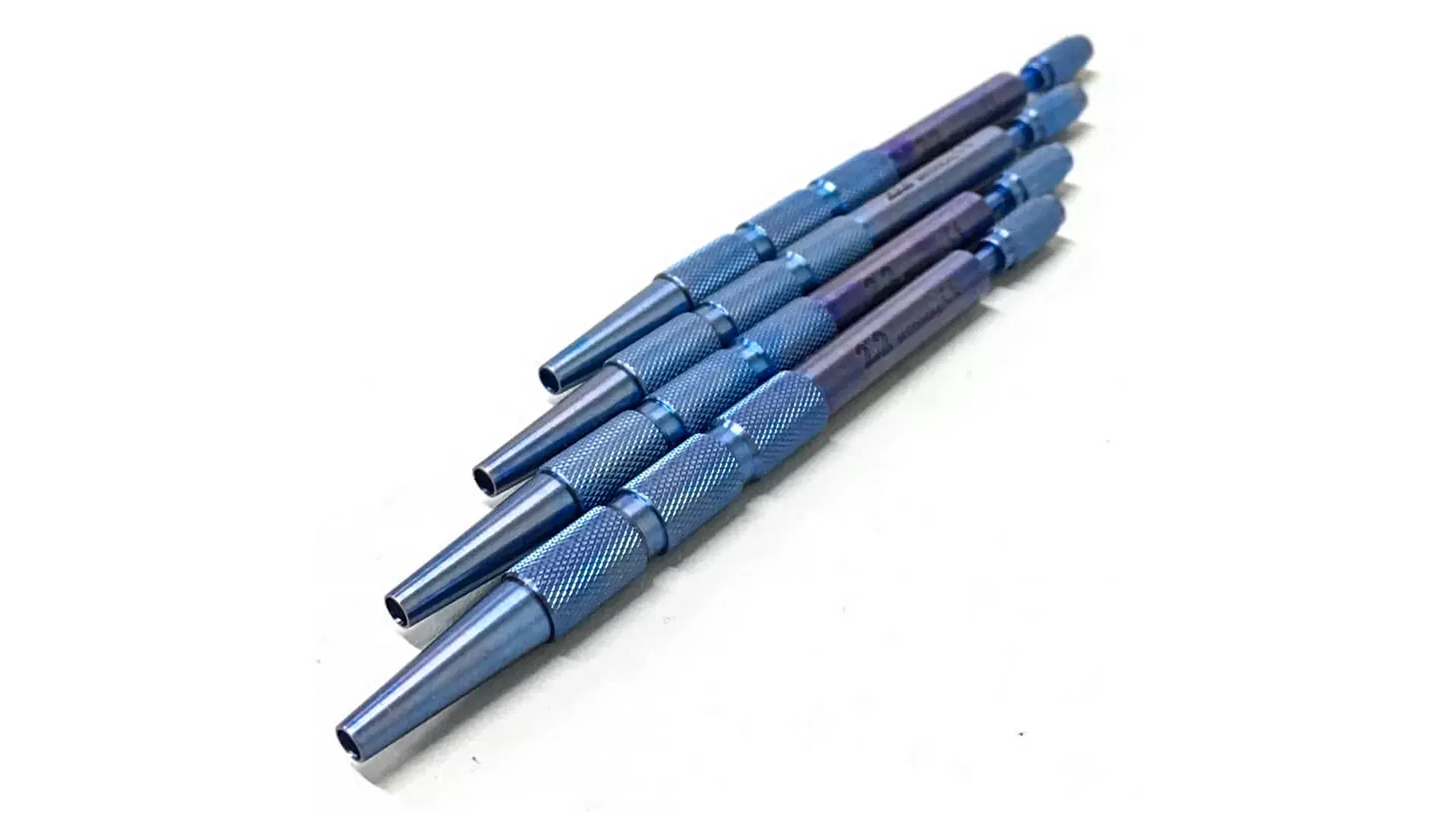
The sapphire blade is the real hero of this technique. Traditional steel blades can lose sharpness quickly and cause micro tearing on the scalp. Sapphire blades stay sharp much longer and create cleaner cuts.

Cleaner incisions mean less bleeding during surgery. They also reduce crust formation after the procedure. This makes the recovery period smoother and more comfortable for patients.

In addition, sapphire blades allow surgeons to open channels closer together. This makes Sapphire FUE hair transplant ideal for patients who want higher density without risking scalp damage.

Why Sapphire Blades Matter for Hair Growth?
Sapphire FUE vs Classic FUE

Sapphire FUE vs Classic FUE

Many patients wonder whether Sapphire FUE hair transplant is truly different from classic FUE. The answer is yes, and the difference directly affects density, healing, and overall comfort.


Blade Technology

Classic FUE uses traditional steel blades to open channels in the recipient area. While this method is effective, steel blades tend to create slightly wider incisions, which can limit how closely grafts are placed.

Sapphire FUE uses blades made from sapphire crystal. These blades are sharper and smoother, allowing surgeons to create finer and more precise channels with less pressure on the scalp.


Density and Placement

Because classic FUE creates wider openings, there is a natural limitation to how tightly grafts can be implanted. Surgeons must protect the scalp from excessive trauma.

Sapphire FUE allows for smaller, cleaner incisions. This makes it possible to place grafts closer together and achieve higher density without compromising scalp health.


Healing and Recovery

Healing time is another important difference. Patients who undergo Sapphire FUE often experience less redness and swelling due to reduced tissue trauma.

Scabs typically shed faster, and the scalp returns to a normal appearance more quickly. This smoother recovery process makes Sapphire FUE a preferred option for patients who want efficient healing along with natural and dense results.

Risks and Side Effects

Direct long hair is a variation of the Direct Hair Implantation technique that allows longer hair follicles to be transplanted without significant trimming. While it offers immediate visual results, patients should still understand the possible risks and temporary side effects associated with any hair transplant procedure.

Mild Swelling and Redness

After the procedure, slight swelling or redness in both the donor and recipient areas is normal. These symptoms usually improve within a few days when post-procedure care instructions are followed properly.

Temporary Shock Loss

Some of the transplanted or surrounding native hairs may shed within the first few weeks. This is a temporary phase known as shock loss, and new permanent growth typically begins within a few months.

Sensitivity in the Scalp

Because longer grafts are handled carefully during implantation, the scalp may feel slightly tender for a short period. This sensitivity gradually fades as healing progresses.

Importance of Surgical Expertise

Since direct long hair transplantation involves implanting longer follicles with precision, the experience of the medical team plays a critical role in minimizing risks and ensuring natural alignment. When performed by skilled specialists, complications are rare and results are both safe and long lasting.

Sapphire FUE Hair Transplant in Turkey

Turkey has become a global leader in hair restoration, and Sapphire FUE hair transplant is widely performed by experienced clinics.

Clinics in Istanbul combine advanced technology with highly trained medical teams. This allows patients to receive world class treatment at competitive prices.

At Esthetic Hair, Sapphire FUE hair transplant is performed using personalized planning and strict medical protocols. Each procedure is tailored to the patient, not rushed or standardized.

In addition, international patients benefit from full service packages including consultation, accommodation, and aftercare support.

Sapphire FUE Hair Transplant in Turkey

Final Thoughts on Sapphire FUE Hair Transplant

Sapphire FUE hair transplant is not a trend, it is the evolution of hair restoration. With higher precision, reduced trauma, and faster recovery, it delivers results that look and feel natural.

If you are serious about restoring your hair and want a technique that actually respects your scalp, Sapphire FUE hair transplant is worth it.

When performed by an experienced clinic like Esthetic Hair, this method offers long lasting results, confidence, and peace of mind.

Hair loss may be frustrating, but modern solutions like Sapphire FUE prove that you still have damn good options.


question

FAQ

Sapphire FUE Hair Transplant