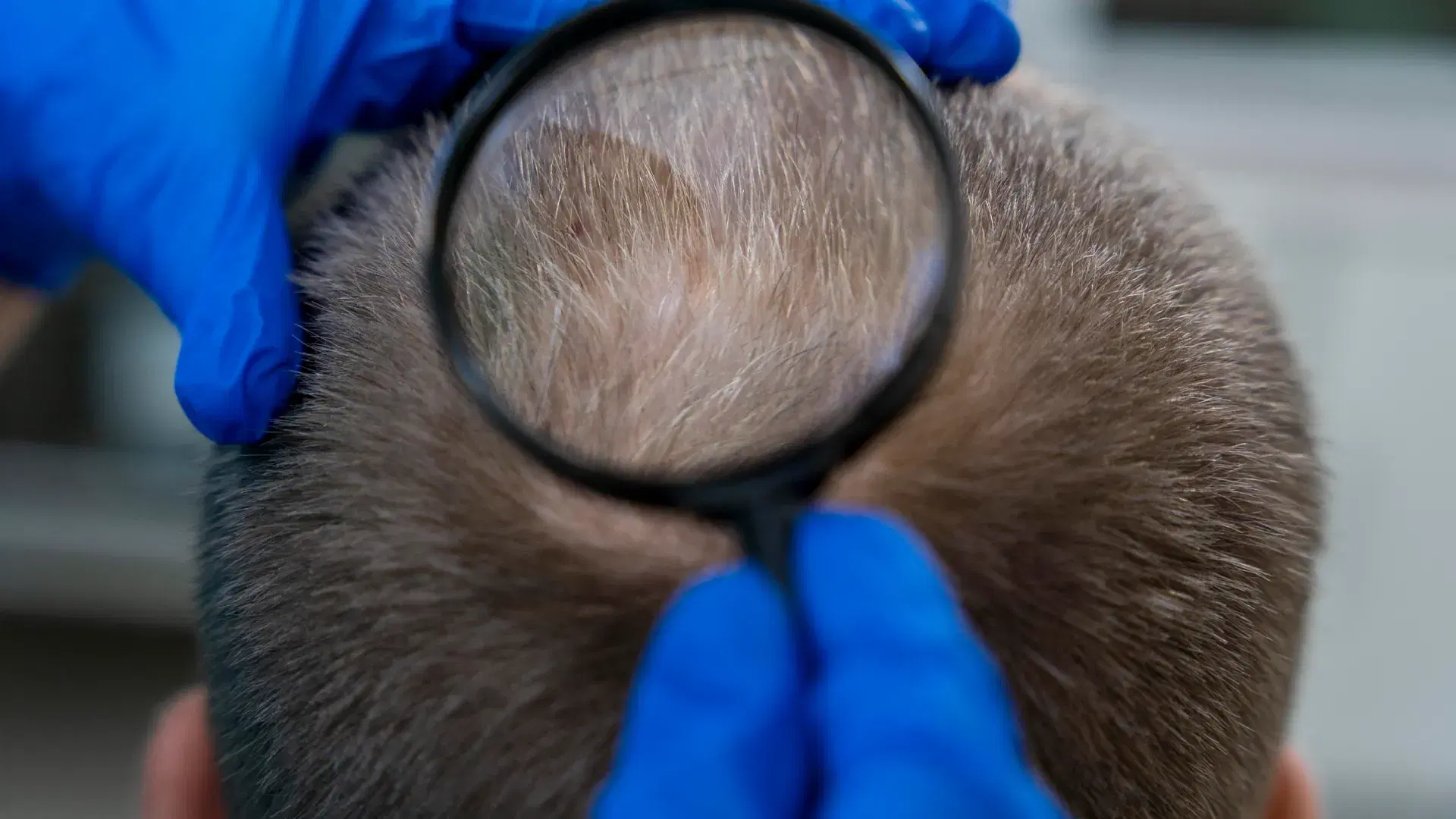
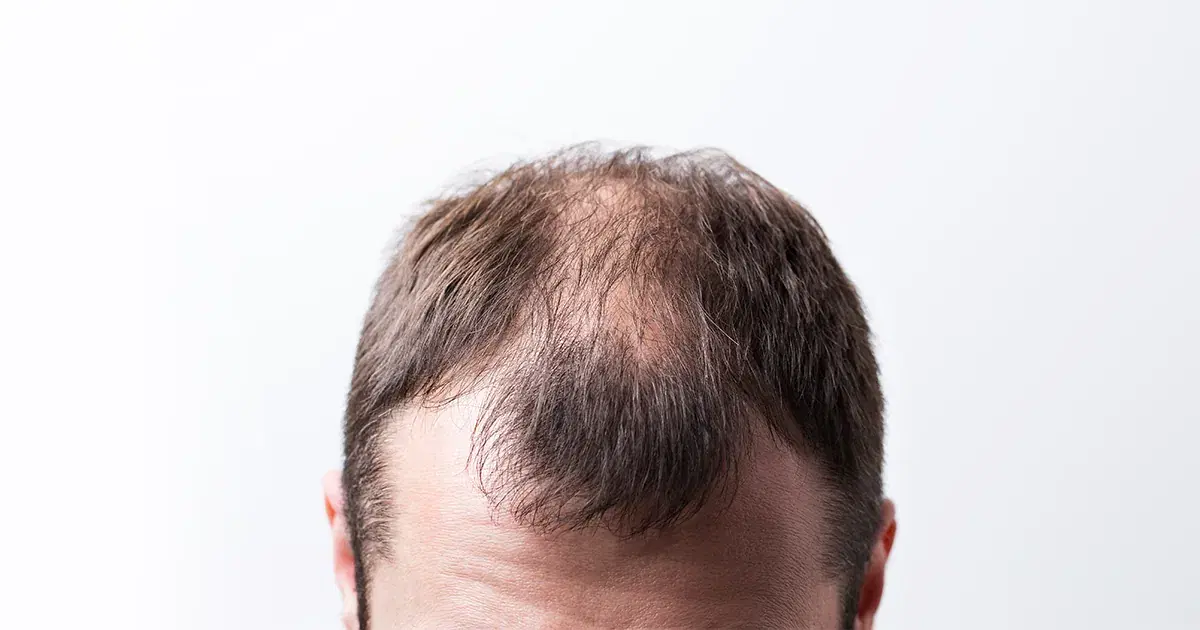
Diabetes affects multiple systems in the body, and hair growth is often impacted as a result. Issues such as reduced circulation, hormonal changes, and increased physical stress can interfere with the natural hair growth cycle and lead to gradual thinning or shedding.
Poor Blood Circulation
Diabetes can damage small blood vessels over time. When blood flow to the scalp is reduced, hair follicles receive less oxygen and fewer nutrients. Weakened follicles are more likely to leave the growth phase early, causing increased hair shedding.
Hormonal Imbalance
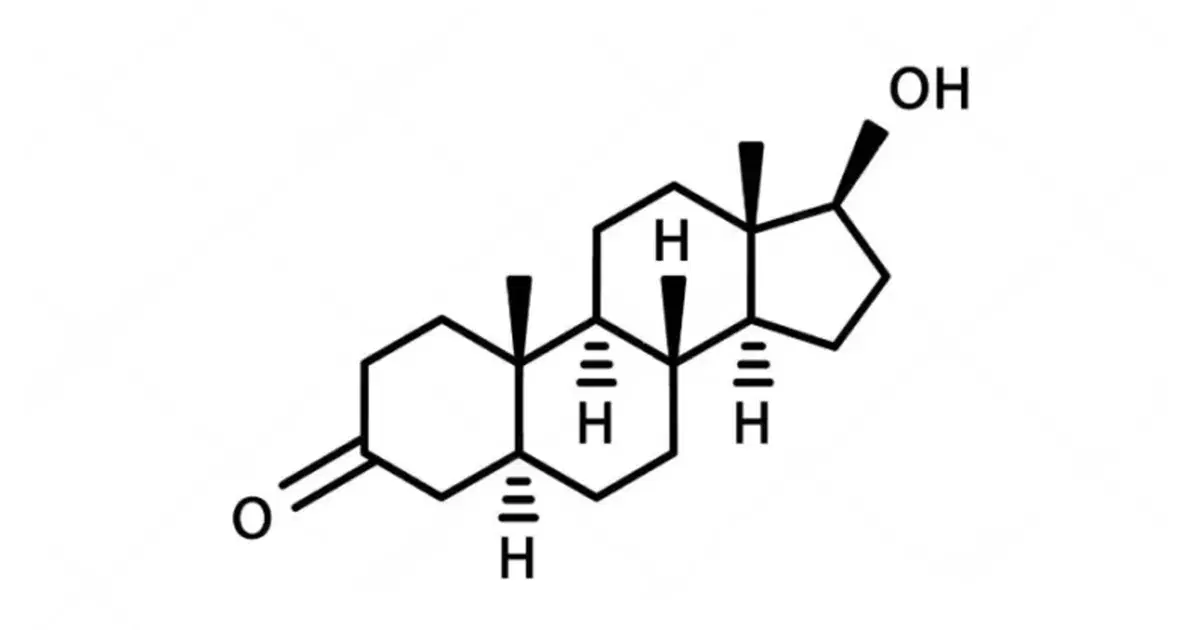
Fluctuations in insulin levels can influence androgen activity in the body. This may shorten the hair growth phase and slow regrowth, especially in individuals prone to pattern hair loss. Related reading: Pattern Baldness and Androgenetic Alopecia.
Autoimmune Response
Some people with diabetes are more likely to develop autoimmune conditions. In these cases, the immune system may attack hair follicles, leading to conditions such as alopecia areata and sudden patchy hair loss. See our guide on Alopecia Areata Causes and Treatment.
Stress and Illness
Diabetes increases physical stress on the body. When combined with mental or lifestyle stress, this can trigger telogen effluvium, a temporary shedding phase where a large number of hairs fall out at once. More details here: Telogen Effluvium.
Medication Side Effects
Certain diabetes medications may list hair thinning as a possible side effect. This type of hair loss is usually temporary and may improve once the medication is adjusted under medical guidance.