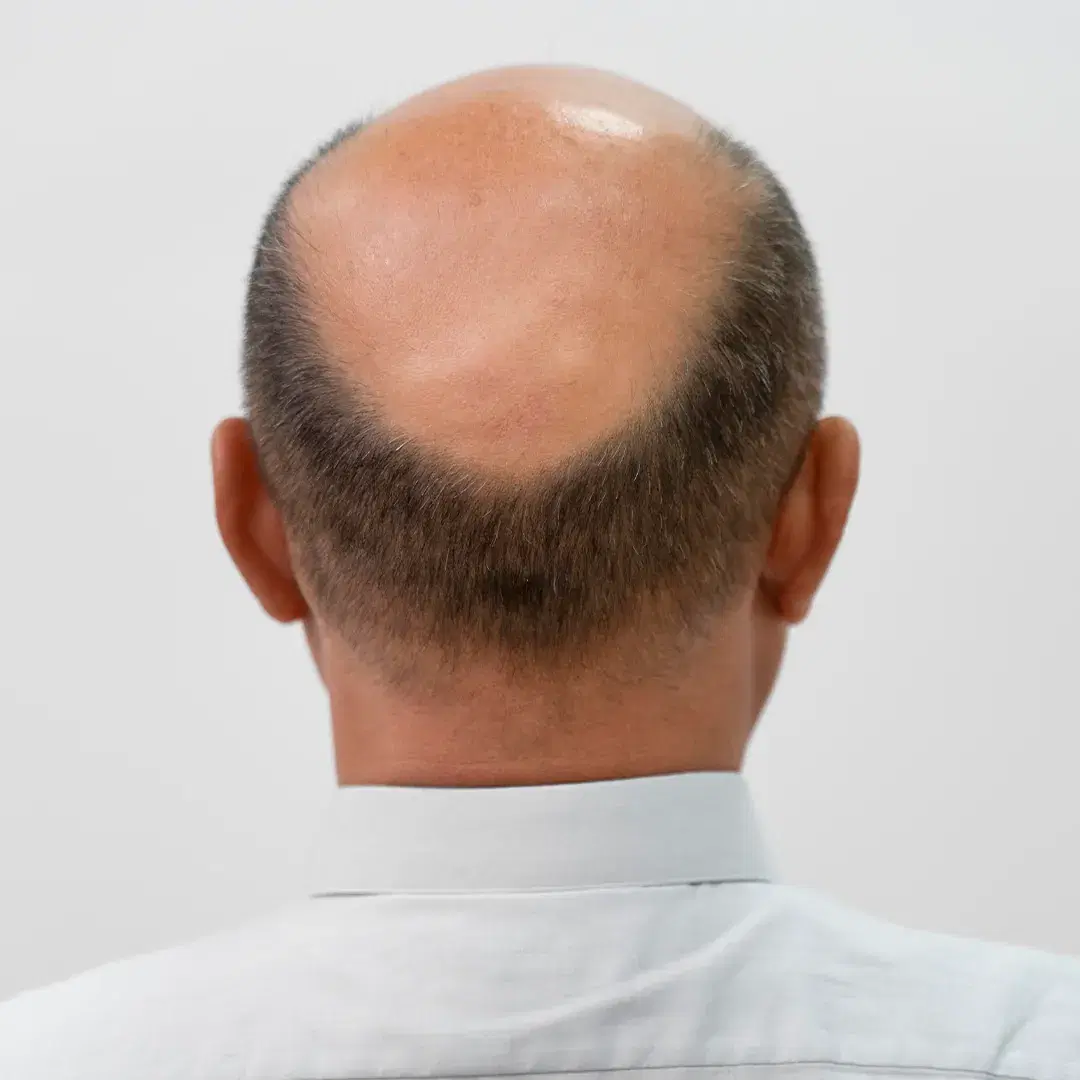
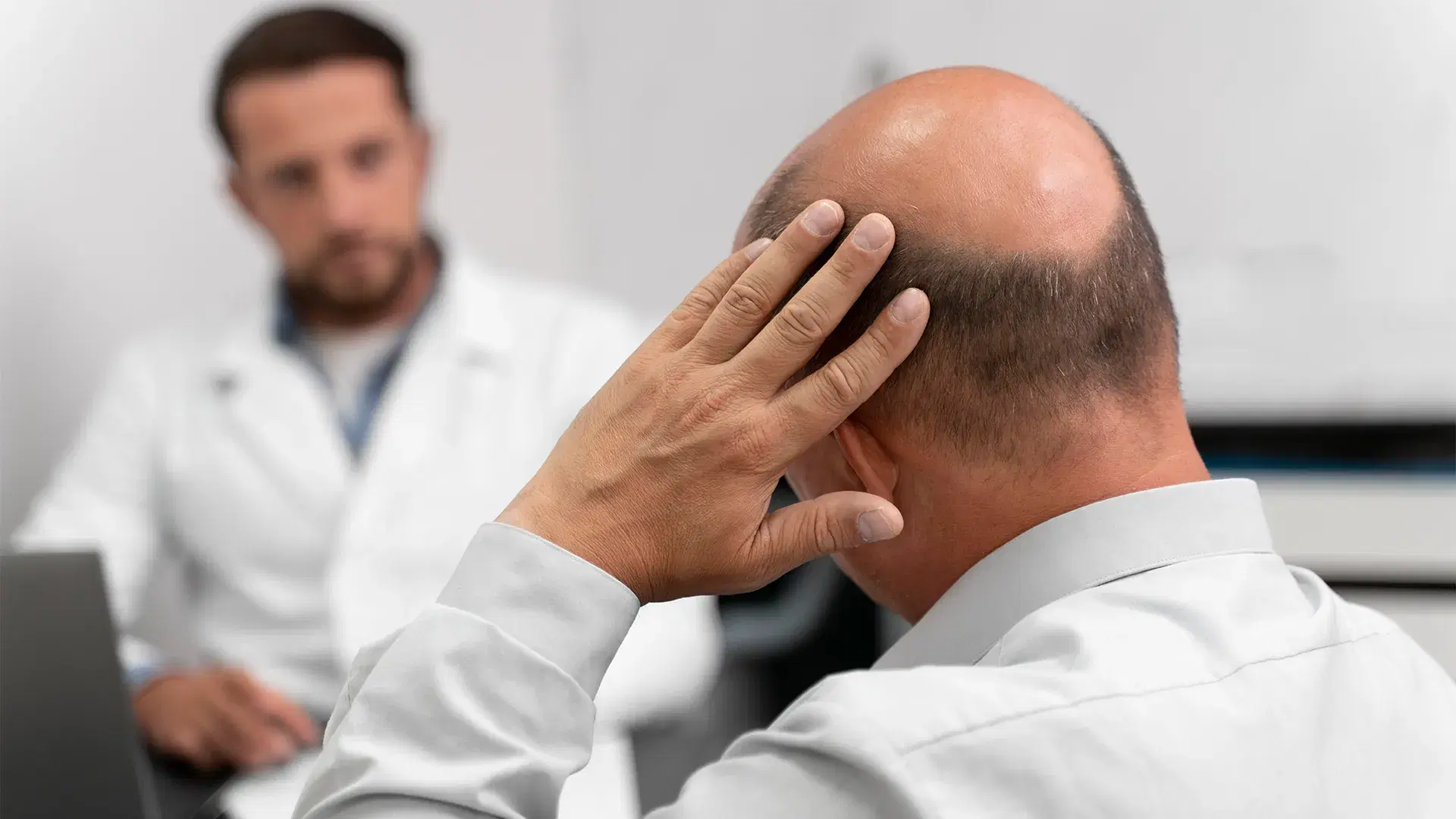
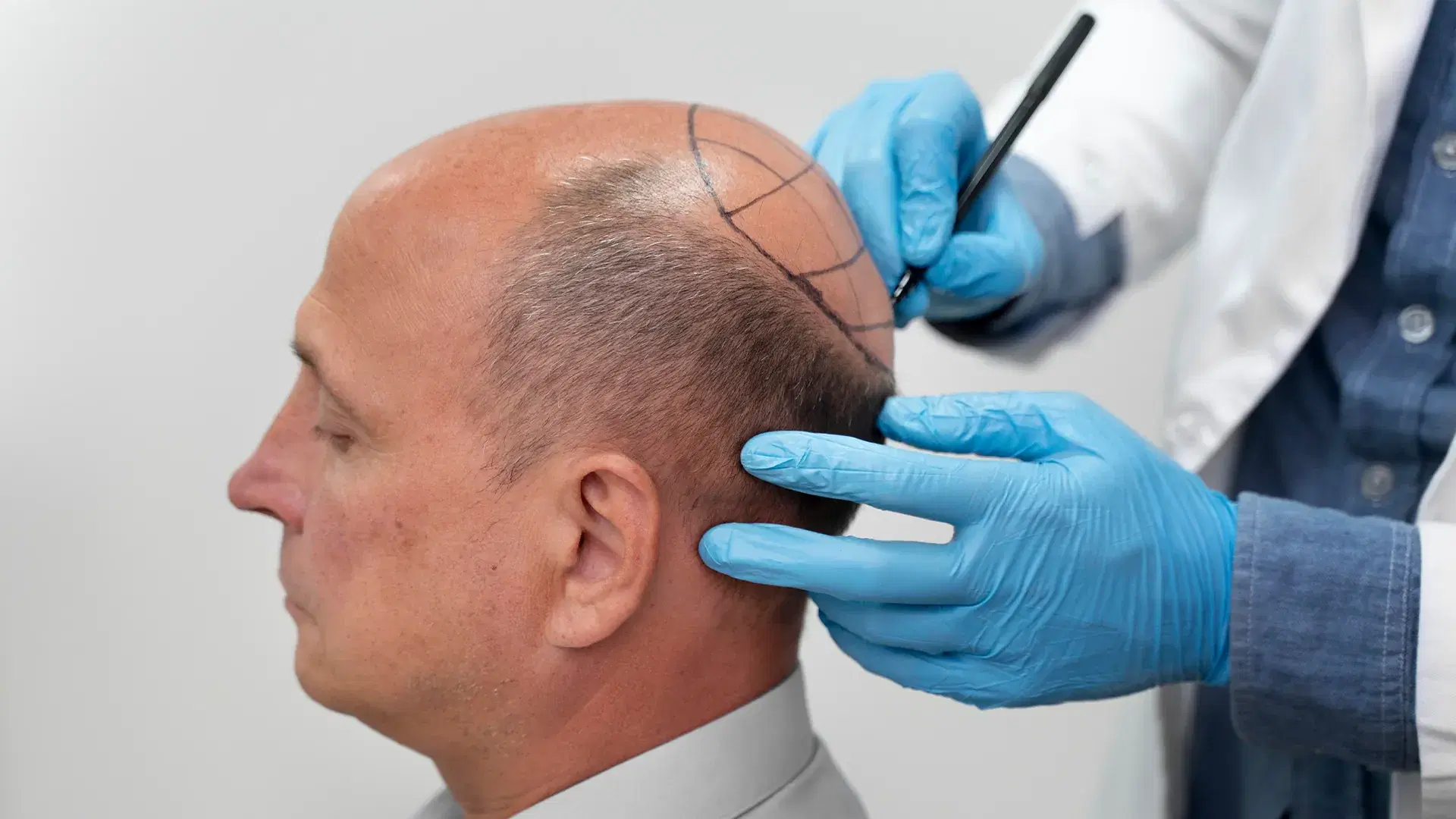
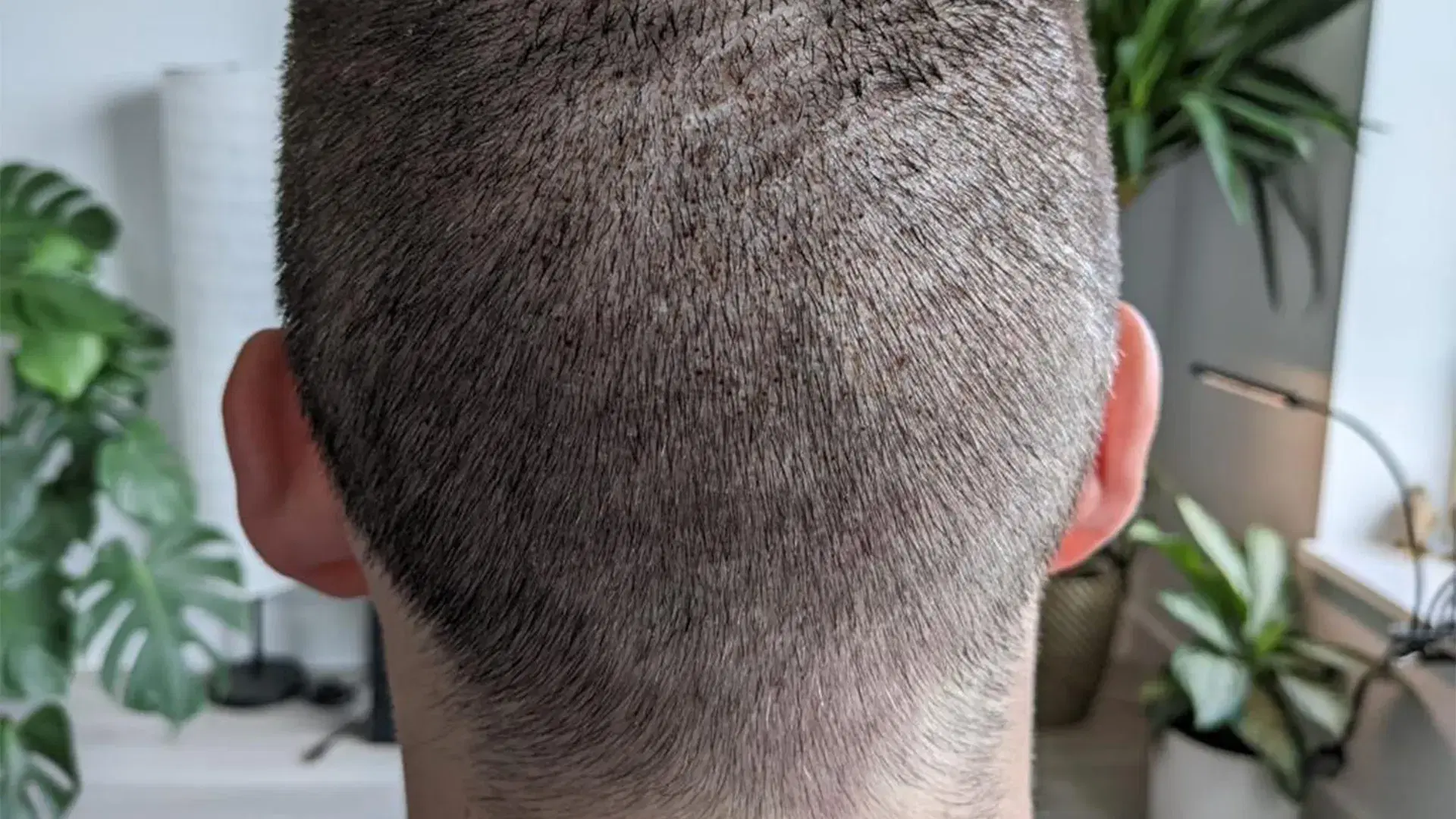
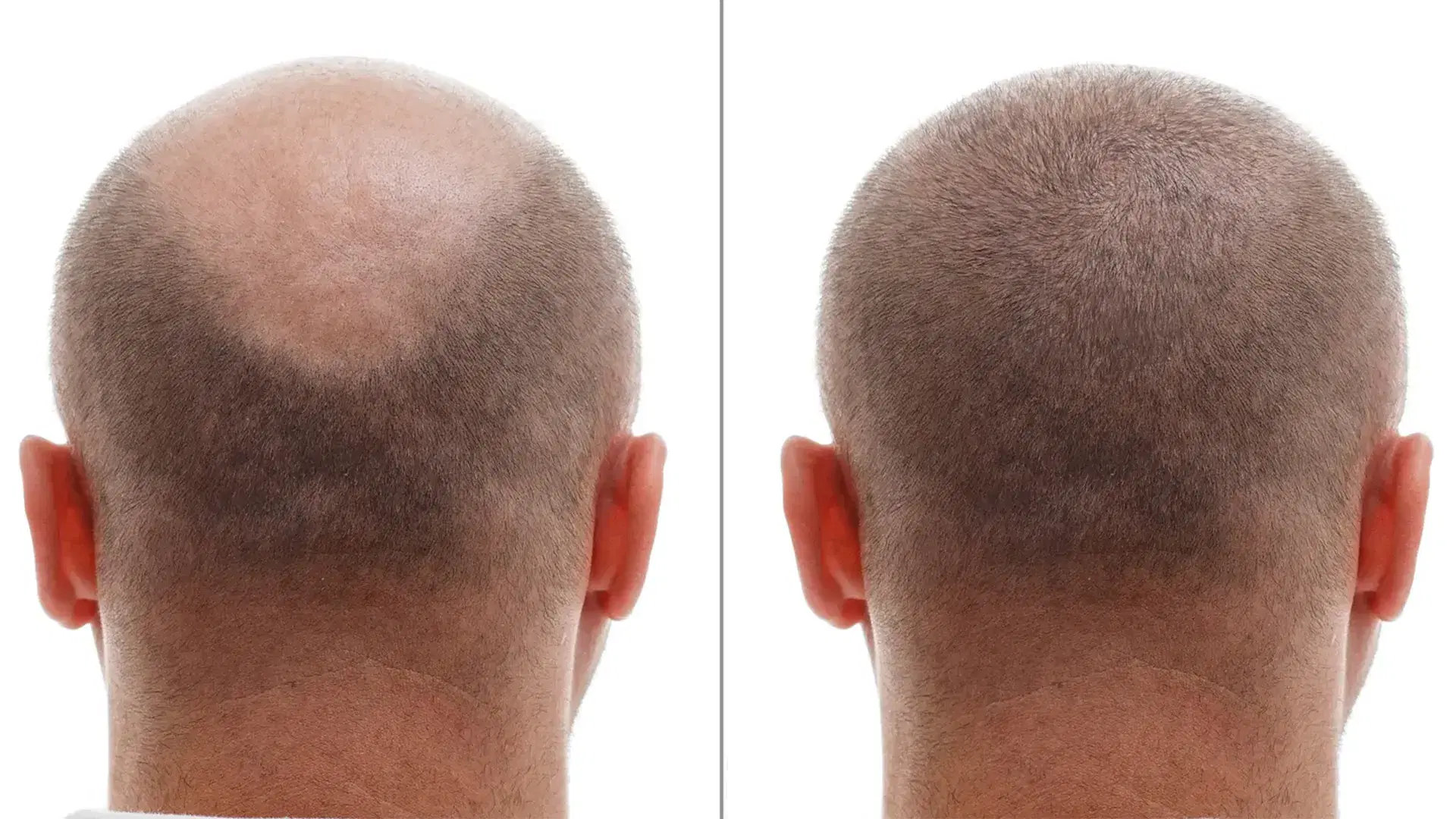
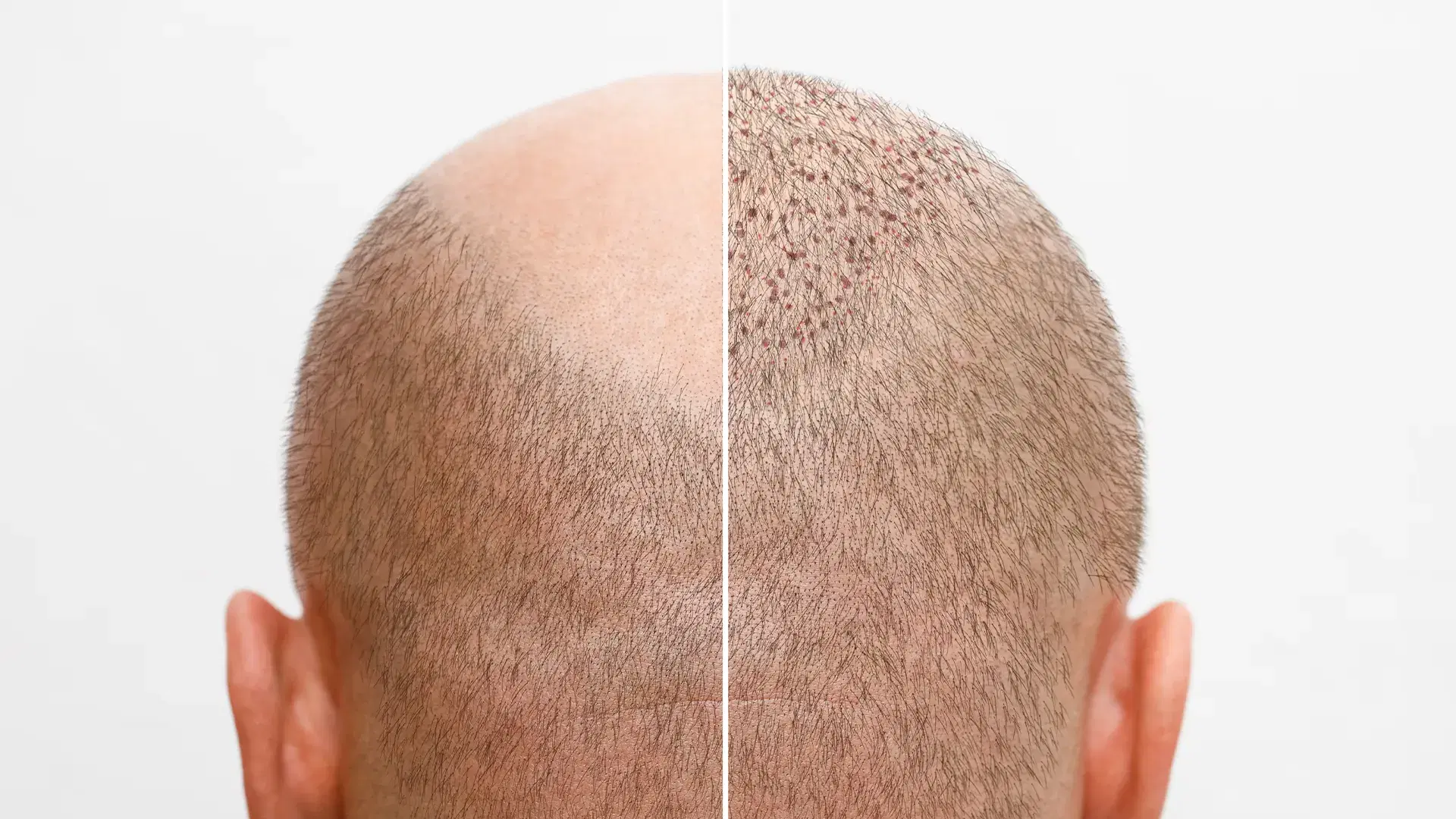
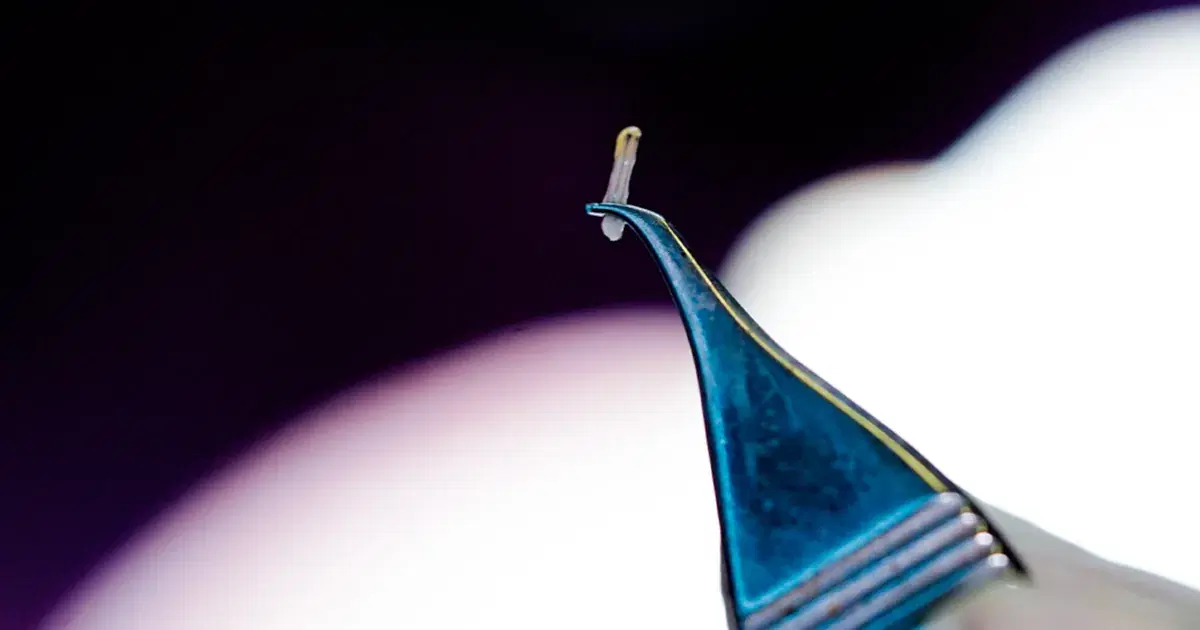
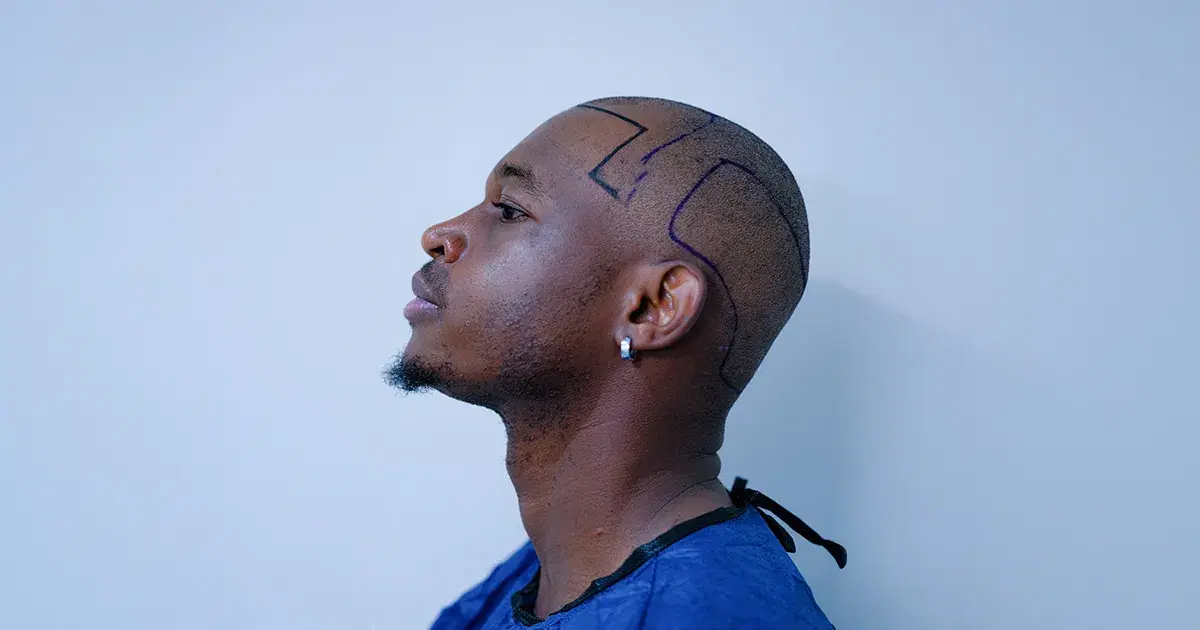
Before any hair transplant procedure, a thorough assessment of your donor area is essential. This region, typically at the back and sides of the scalp, contains hair that is more resistant to hair loss. A skilled surgeon evaluates this area carefully to determine whether you are a suitable candidate and how many grafts can be safely harvested without compromising the donor area’s appearance.
Donor Density
Donor density refers to the number of hair follicles per square centimeter in the donor area. Higher density means more hair grafts can be extracted while still maintaining a natural look. If density is lower, the number of grafts may be limited, but a well-planned procedure can still achieve satisfying coverage.
Scalp Laxity
Scalp laxity describes how flexible and elastic your scalp is. This is especially important in Follicular Unit Transplantation (FUT), where a strip of skin is removed and the area is closed with sutures. In Follicular Unit Extraction (FUE) and Direct Hair Implantation (DHI), grafts are removed individually, so laxity is less critical. However, healthy and elastic scalp tissue can still make extraction easier and support smoother healing.
Follicle Quality
The thickness, texture, and growth pattern of your donor hair play a key role in the final result. Thicker and stronger follicles usually create better visual density. The natural direction and characteristics of the hair also help ensure that transplanted grafts blend naturally with the existing hair in the recipient area.
Future Hair Loss
Your surgeon will also consider the possibility of ongoing hair loss. A long-term strategy is important to avoid overharvesting and to preserve enough donor hair for potential future procedures. Proper planning helps maintain a balanced and natural appearance over time.
This detailed evaluation helps create a personalized treatment plan that maximizes graft yield while protecting the long-term health and look of your donor area.