
Esthetic Hair Logo header svg
Hair Grafts: Cost, Numbers, and Results in Transplants
Badge Icon

intro

Hair Grafts: Cost, Numbers, and Results in Transplants

If you’re thinking about a hair transplant, you’ve probably seen the term hair grafts everywhere. But what exactly is a hair graft, how is it measured, and how many do you actually need for a natural result? Let’s break it down with real science, not guesswork.

Share

Start Your Personalized Hair Treatment Journey

Book a consultation and discover the most effective hair transplant or therapy option tailored to your hair needs and expectations.

What Is a Hair Graft?

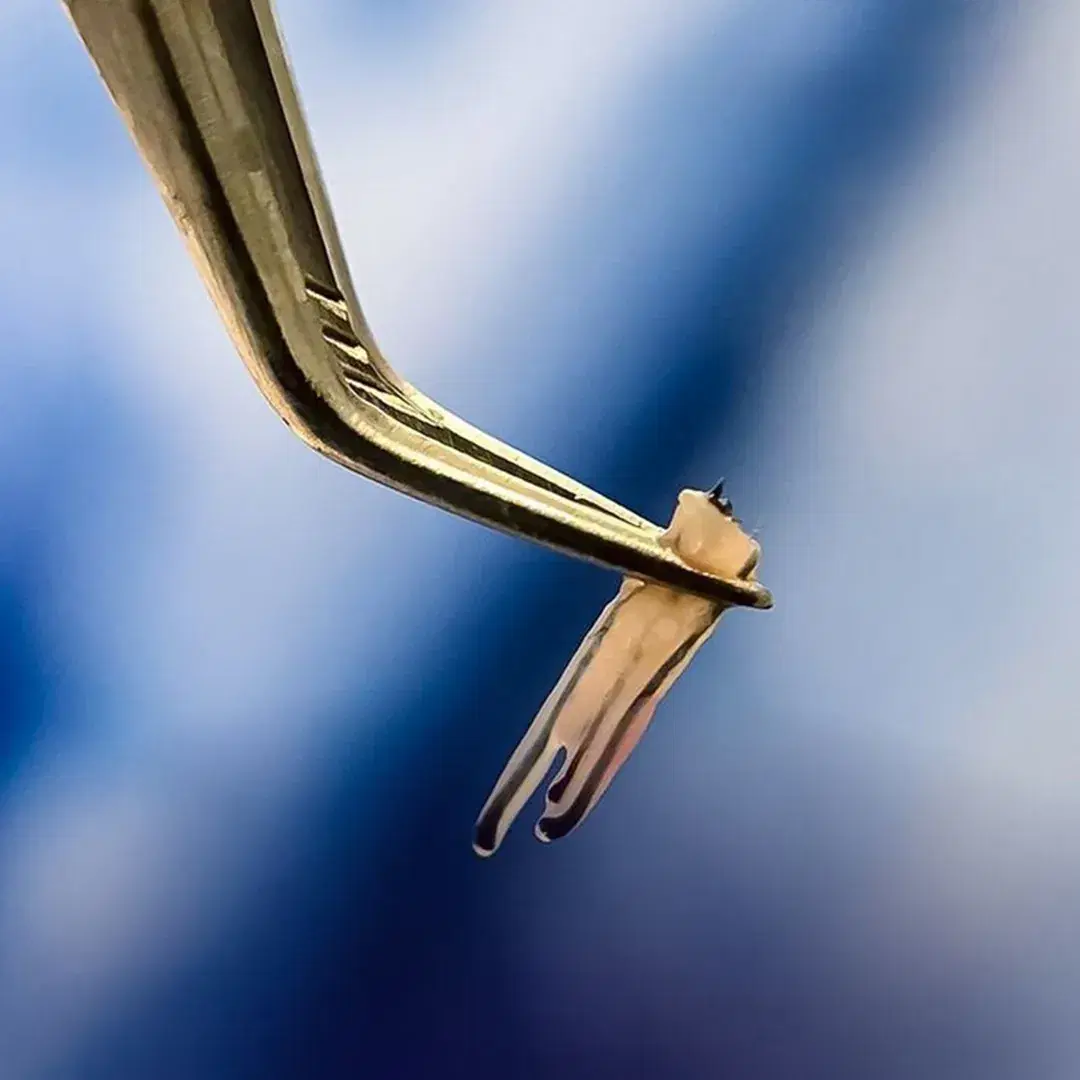
A hair graft is a tiny piece of tissue removed from the donor area of your scalp, usually the back or sides, that contains one or more hair follicles. These follicles are genetically resistant to balding, which makes them ideal for transplantation.

Most grafts contain 1–4 hairs. Today, the most common techniques are FUE (Follicular Unit Extraction) and DHI (Direct Hair Implantation), where surgeons extract and implant grafts one by one to restore natural density. The older FUT (strip method) is still performed in some countries, but it’s now rare and almost phased out in Turkey.

According to the International Society of Hair Restoration Surgery (ISHRS 2022 Practice Census Report), the average patient may need anywhere from 1,500 to 4,000 grafts depending on their level of hair loss source: ISHRS.org.


How Do Hair Grafts Work in a Transplant?

How Do Hair Grafts Work in a Transplant?


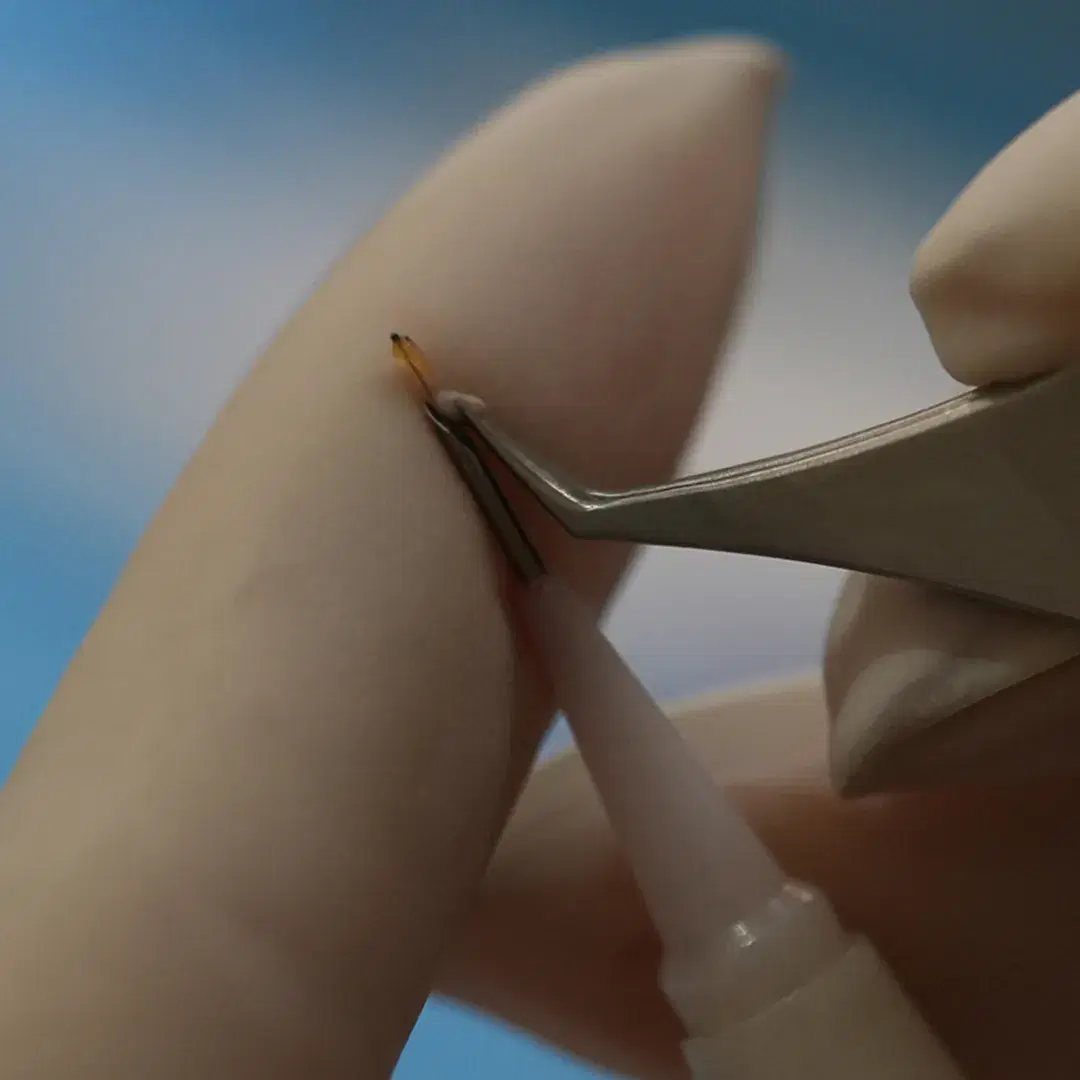
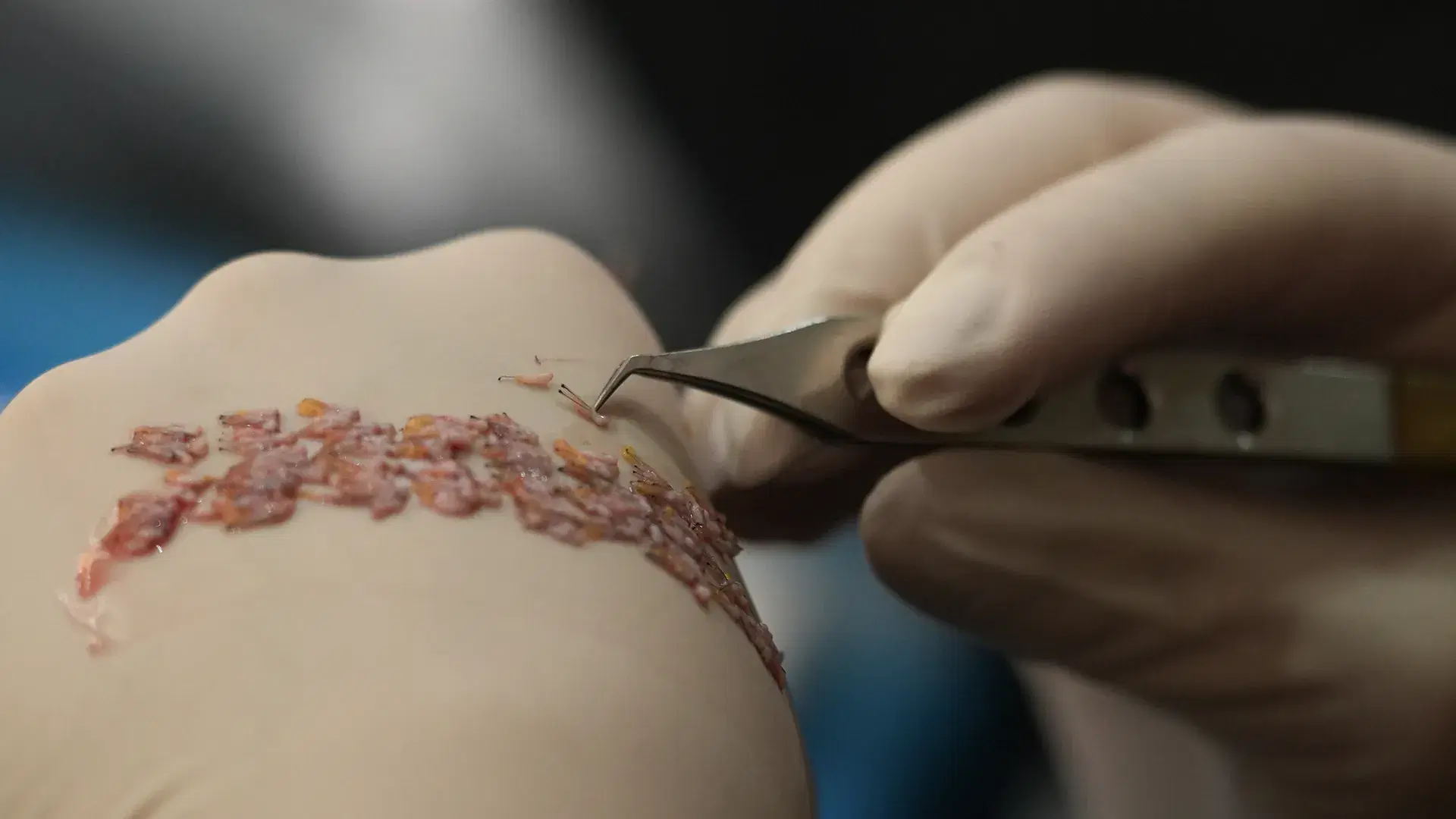
During a hair transplant procedure, grafts are carefully extracted from the donor area using techniques such as FUE or DHI. Each graft is handled under magnification to protect the hair follicles and keep them viable. Once extracted, the grafts are implanted into tiny, pre-planned incisions in the recipient area. The angle, direction, and spacing of each graft are critical, as they determine how natural the final result will look and how well the hair blends with existing growth.

After transplantation, the follicles go through a normal healing and adaptation process. The transplanted hairs usually shed within the first few weeks, a phase known as shock loss. This is temporary and expected. New hair growth typically starts around 3 to 4 months after surgery as the follicles enter a new growth cycle. Over time, the hairs become thicker and longer, with noticeable improvements between 6 and 9 months. Full cosmetic results are usually visible between 12 and 18 months, depending on individual healing, hair characteristics, and post-operative care.

Clinical studies support this timeline, showing that transplanted follicles behave like natural hair follicles and follow a predictable growth cycle after implantation. Source: PMC – Complications in Hair Transplantation.


Hair Grafts Cost: What to Expect

Hair Grafts Cost: What to Expect

Hair transplant cost is often calculated per graft. Prices vary by region and clinic:

  • United States: $4–$10 per graft

  • Europe: $2–$5 per graft

  • Turkey and South Asia: $0.80–$2 per graft

So, a 2,000 graft transplant could range from $2,000 in Turkey to $20,000 in the US.

It’s important to note that price depends not only on graft numbers but also on technique (DHI vs. FUE), surgeon skill, and clinic reputation.

Get detailed information about hair transplantation pricing at Esthetic Hair.

How Many Hair Grafts Do I Need?


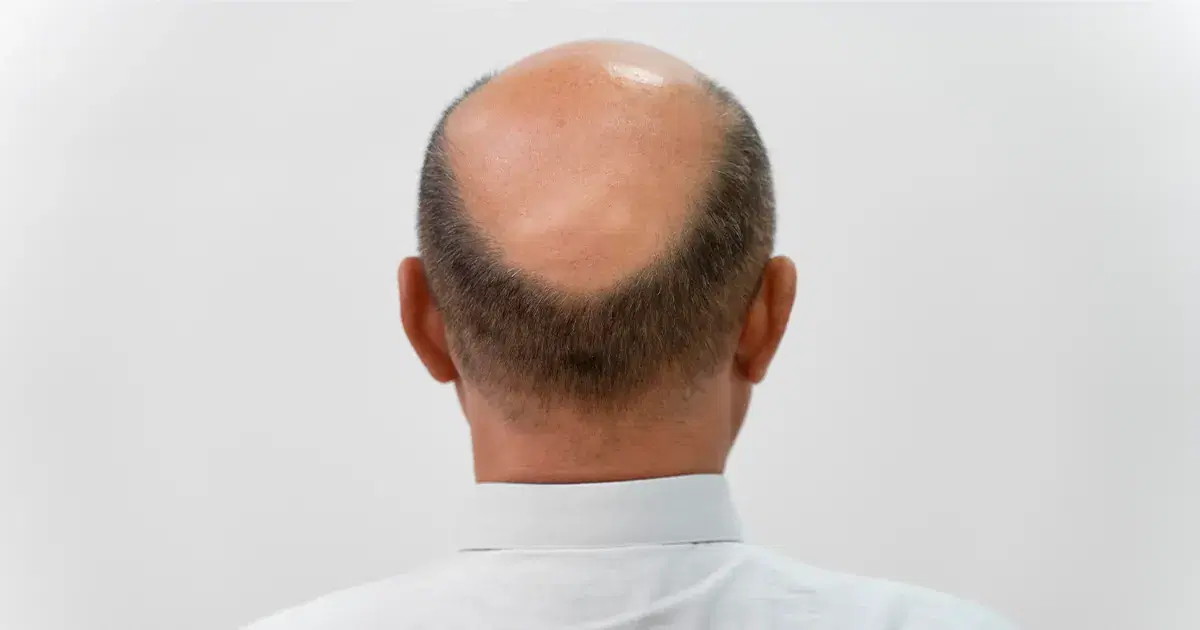
This depends on your level of hair loss, often measured by the Norwood Scale:

  • Norwood 2–3: 1,000–1,500 grafts

  • Norwood 3–4: 2,000–2,500 grafts

  • Norwood 5–6: 3,000–4,000+ grafts

These numbers represent general surgical estimates. However, actual graft requirements vary based on donor capacity, hair characteristics, and long term planning strategy.

According to published surgical approaches in the Journal of Cutaneous and Aesthetic Surgery, treatment planning in advanced baldness prioritizes donor management, frontal density design, and realistic distribution rather than simply maximizing graft count.

Surgeons typically aim for approximately 40–60 grafts per cm² in the frontal hairline to achieve a natural appearance, depending on hair thickness and contrast.

We’ll cover this in detail in a dedicated post, but the key is simple: more grafts do not always mean better results. Strategic placement determines the final outcome.
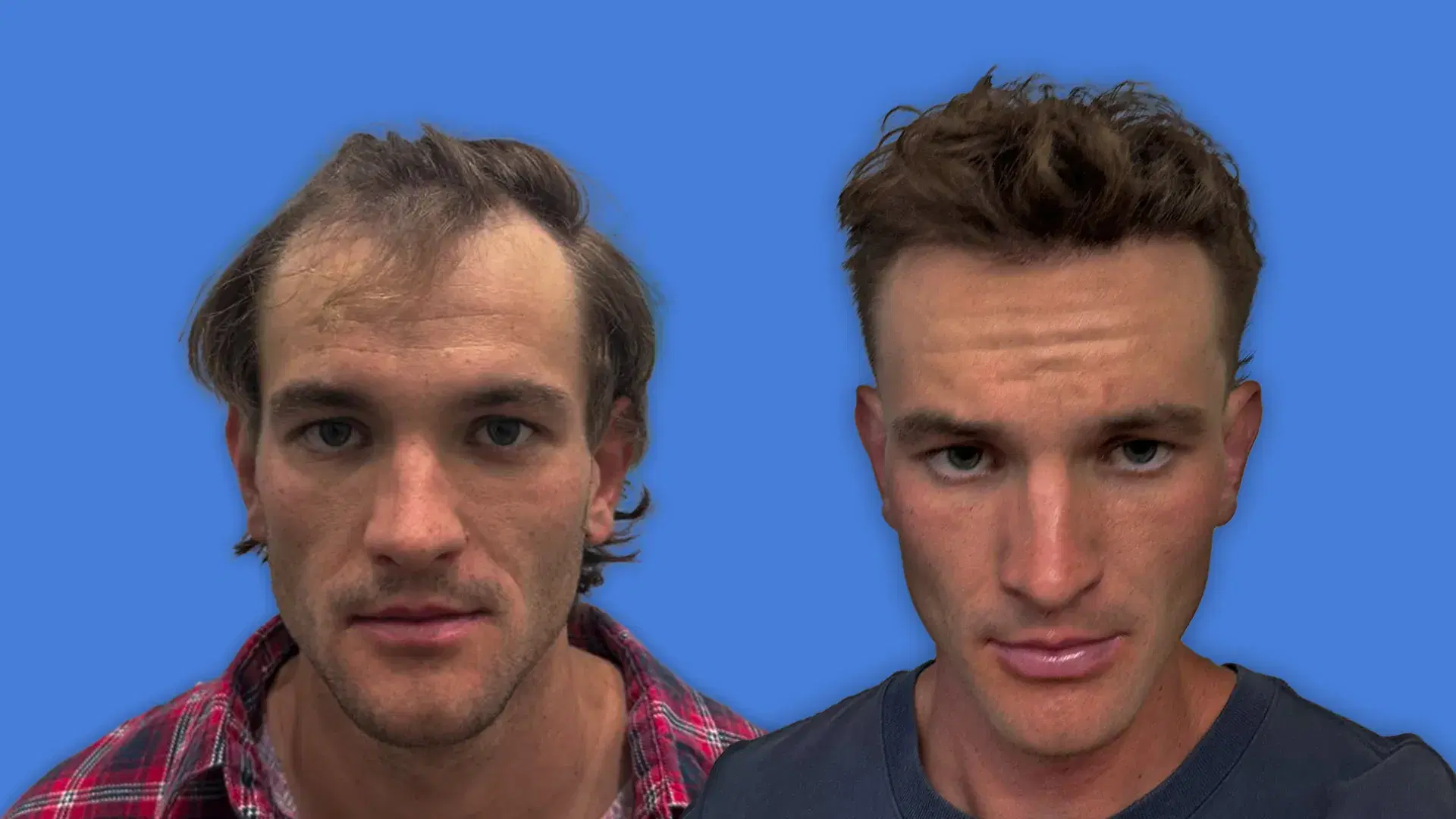
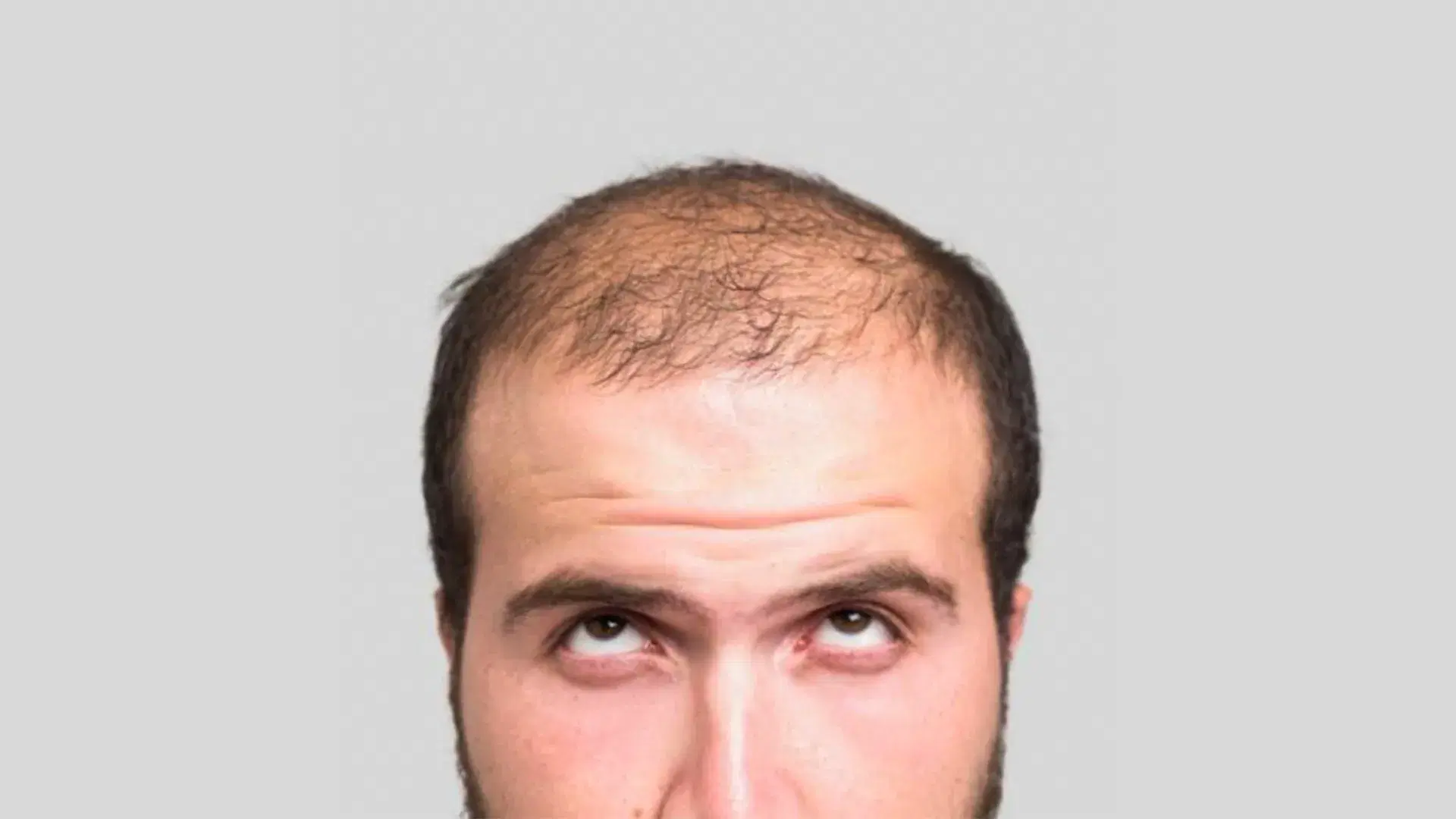
Hair Graft Results: What to Expect Before and After a Transplant

Hair Graft Results: What to Expect Before and After a Transplant

The final outcome of a hair transplant depends on several critical factors, including donor area quality, graft survival rate, surgical technique, and proper aftercare. When modern methods like FUE or Sapphire FUE are performed correctly, clinical studies report graft survival rates of around 90–95%. Source: PubMed.

In the early post-operative phase, the scalp may show redness and scabbing, which usually resolves within the first 7–14 days. The transplanted hairs then shed temporarily before new growth begins. Over the following months, density gradually improves as the grafts enter the active growth phase, with visible changes starting around month three and more noticeable results by months six to nine.

Before and after photos can be a powerful way to evaluate a clinic’s results, but they should always be reviewed carefully. Look for consistent lighting, similar angles, and clear timelines between photos. Reputable clinics provide verified, unedited images and real patient cases rather than heavily filtered or stock visuals.


Hair Grafts Falling Out: Should You Worry?

Hair Grafts Falling Out: Should You Worry?

Seeing transplanted hairs fall out after surgery can be stressful, but in most cases, it’s completely normal. Hair graft shedding usually occurs within the first 2 to 4 weeks after the procedure and does not mean the transplant has failed. What’s falling out is the visible hair shaft, while the follicle itself remains safely under the skin.

This process is known as shock loss and is part of the natural healing and growth cycle. After surgery, the scalp enters a recovery phase, and the follicles temporarily rest before starting new growth. During this time, small scabs may also form and fall off as the skin heals. Early shedding or scabbing is expected and should not be a cause for concern.

Regrowth typically begins a few months later, often around 3 to 4 months, as the follicles re-enter the active growth phase. Several clinical sources confirm that temporary shedding is a well-documented and predictable post-transplant stage source: NCBI Bookshelf, Hair Transplantation. Additional reviews also support this timeline and note that most patients experience full regrowth over time source: PMC – Complications in Hair Transplantation.

However, if shedding continues well beyond the expected window or is accompanied by unusual pain, redness, or inflammation, it’s important to consult your surgeon for proper evaluation and reassurance.


Summery

Hair grafts are the foundation of every hair transplant. Understanding what they are, how much they cost, and how many you may need will help you make informed decisions.

Every scalp is different, and the exact number of grafts depends on your hair loss stage, donor supply, and aesthetic goals. Always consult a qualified surgeon who follows scientific protocols.

Because in hair restoration, success isn’t about chasing the highest graft number, it’s about planning smartly with science on your side.