Esthetic Hair Logo header svg
Hero Image
Badge Icon

intro

Hair Loss: Causes, Symptoms, and Effective Treatments

Hair loss affects appearance, confidence, and daily life more than most people expect. Whether it starts as mild thinning or sudden shedding, the emotional impact can be real. The good news is that many causes of hair loss are treatable, and modern solutions can slow, stop, or even reverse the process. Understanding what’s behind the problem is the first step toward restoring healthier hair and peace of mind.

Share

Start Your Personalized Hair Treatment Journey

Book a consultation and discover the most effective hair transplant or therapy option tailored to your hair needs and expectations.

Early Signs and Symptoms of Hair Loss

Hair loss usually begins gradually rather than all at once. Early warning signs are often subtle and easy to ignore. One of the first indicators is increased shedding, such as noticing more hair on your pillow, in your brush, or in the shower drain. While some daily shedding is normal, consistent excess hair fall may signal an underlying issue.

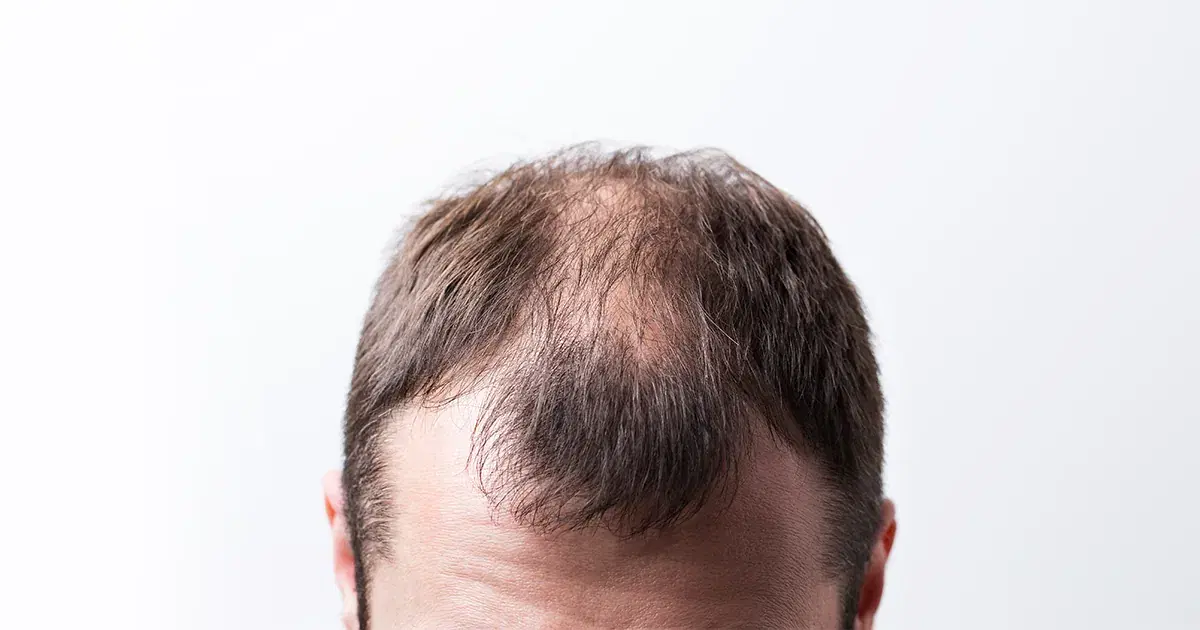
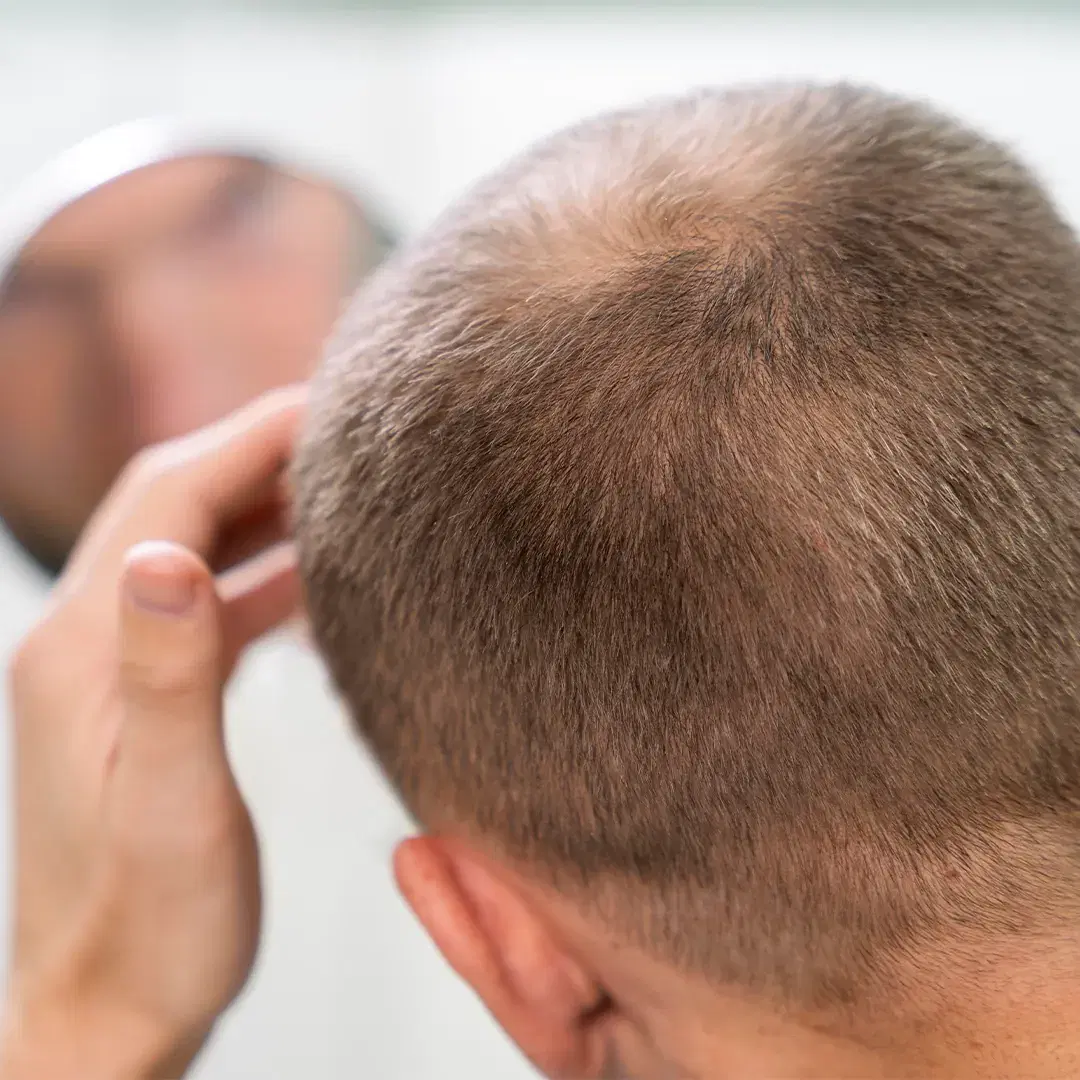
Another common sign is thinning in specific areas. Men often notice recession at the temples or thinning at the crown, while women may experience a widening part or reduced overall volume. Hair may also grow back more slowly or feel weaker and finer than before.

Identifying hair loss early improves treatment success. At this stage, non-surgical therapies are often highly effective and can prevent further progression.


Common Causes of Hair Loss

Common Causes of Hair Loss


Hair loss is a complex condition with multiple possible triggers. In many cases, more than one factor contributes to the problem.


Genetic Hair Loss

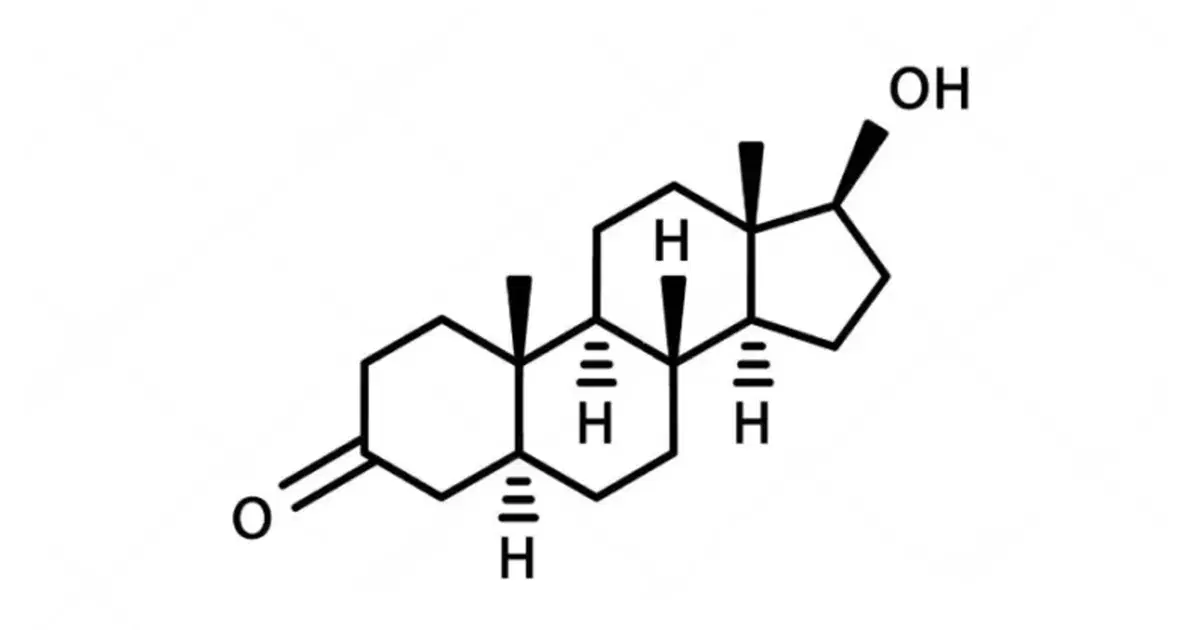
Androgenetic alopecia, commonly known as pattern baldness, is the most common cause of hair loss in both men and women. It is driven by genetic sensitivity to dihydrotestosterone (DHT), a hormone that gradually shrinks hair follicles. Over time, affected follicles produce thinner hairs until growth eventually stops.
Related reading: Pattern Baldness and Androgenetic Alopecia.


Hormonal Changes

Hormonal imbalances can disrupt the natural hair growth cycle. Pregnancy, menopause, thyroid disorders, and conditions such as polycystic ovary syndrome often trigger increased shedding. In men, hormonal shifts can accelerate genetically predisposed hair loss.


Stress and Lifestyle Factors

Physical or emotional stress places strain on the body and hair follicles. Events such as illness, surgery, rapid weight loss, or emotional trauma may trigger telogen effluvium, a condition where a large number of hairs enter the shedding phase at once.
Learn more: Telogen Effluvium Causes and Recovery.


Nutritional Deficiencies

Hair follicles require proper nutrients to function normally. Low iron, vitamin D, zinc, or protein levels can weaken hair and increase shedding. Restrictive diets or sudden weight changes are common contributors, especially in women.


Medical Conditions and Medications

Autoimmune diseases, diabetes, scalp infections, and inflammatory conditions may interfere with healthy hair growth. Certain medications, including chemotherapy drugs, blood pressure medications, and antidepressants, may also contribute to hair thinning as a side effect.

Hair Loss Treatment Options

Hair loss can be managed through different treatment approaches depending on the underlying cause, level of hair thinning, and individual goals. Today, hair loss treatments generally fall into two main categories: surgical and non-surgical options. While non-surgical treatments focus on slowing hair loss and improving hair health, surgical treatments aim to restore hair in areas affected by permanent hair loss. Choosing the right approach depends on factors such as hair loss type, progression, and personal expectations.

Non-Surgical Hair Loss Therapies

Non-Surgical Hair Loss Therapies

Non-surgical hair treatments focus on preserving existing hair, stimulating weakened follicles, and improving scalp health. These options are especially effective in early to moderate hair loss.


PRP Therapy for Hair Loss

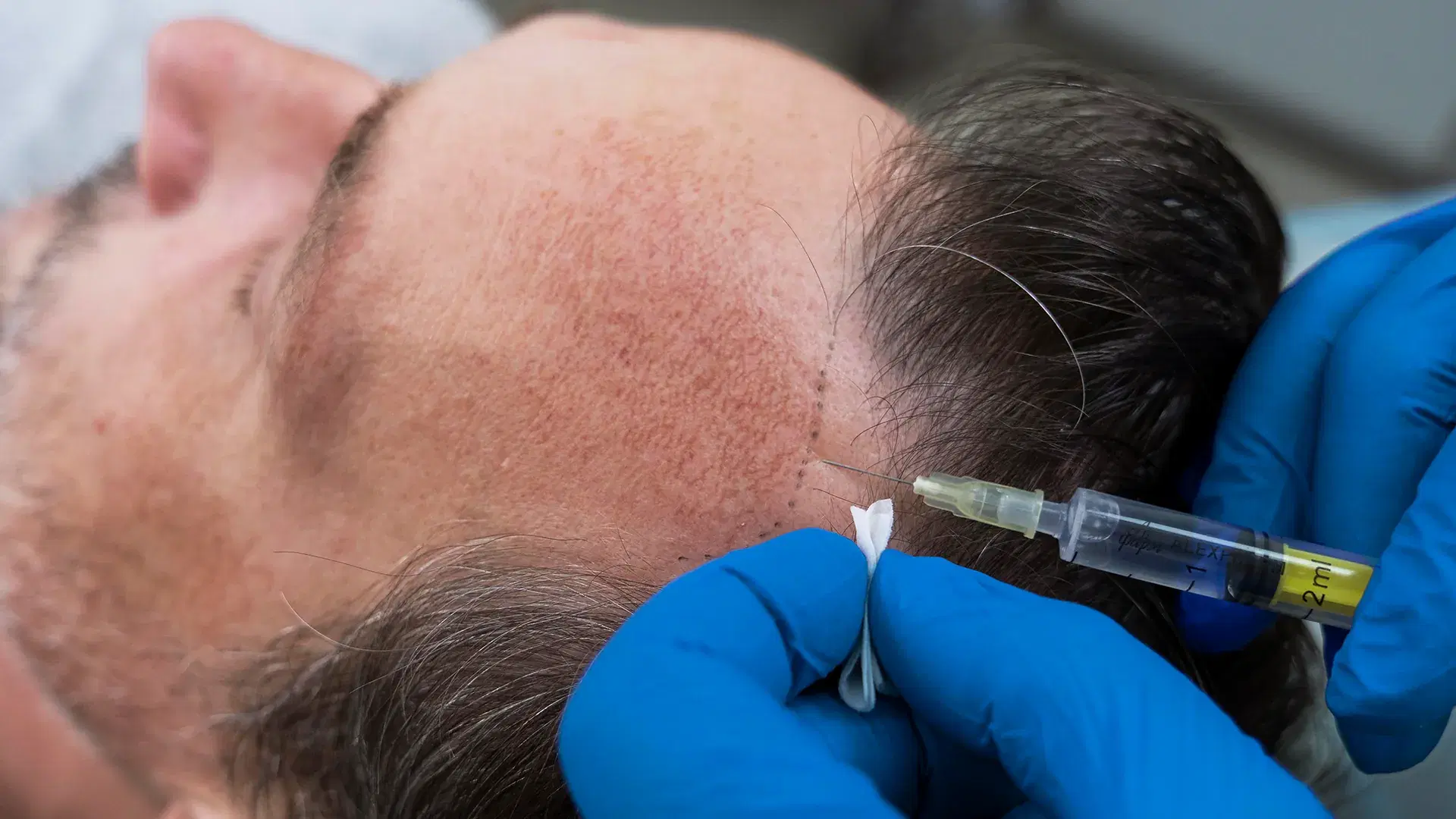
PRP therapy uses growth factors derived from the patient’s own blood to stimulate hair follicles. After processing, platelet-rich plasma is injected into the scalp to improve circulation and support regrowth. Many patients experience reduced shedding and improved density after several sessions.
Internal link: PRP Hair Treatment.


Stem Cell Therapy

Stem cell therapy is an advanced regenerative approach designed to support follicle repair and scalp renewal. By delivering regenerative signals, this treatment may enhance hair quality and density, particularly in patients with early-stage thinning.


Mesotherapy for Scalp Health

Mesotherapy delivers a customized blend of vitamins, minerals, and amino acids directly into the scalp. This localized nourishment strengthens follicles, improves scalp condition, and supports healthier hair growth. It is often used alongside PRP or medical treatments.

Non-surgical therapies can slow hair loss progression, improve hair texture, and delay the need for surgery.

Hair Transplant: A Surgical Solution

Hair Transplant: A Surgical Solution

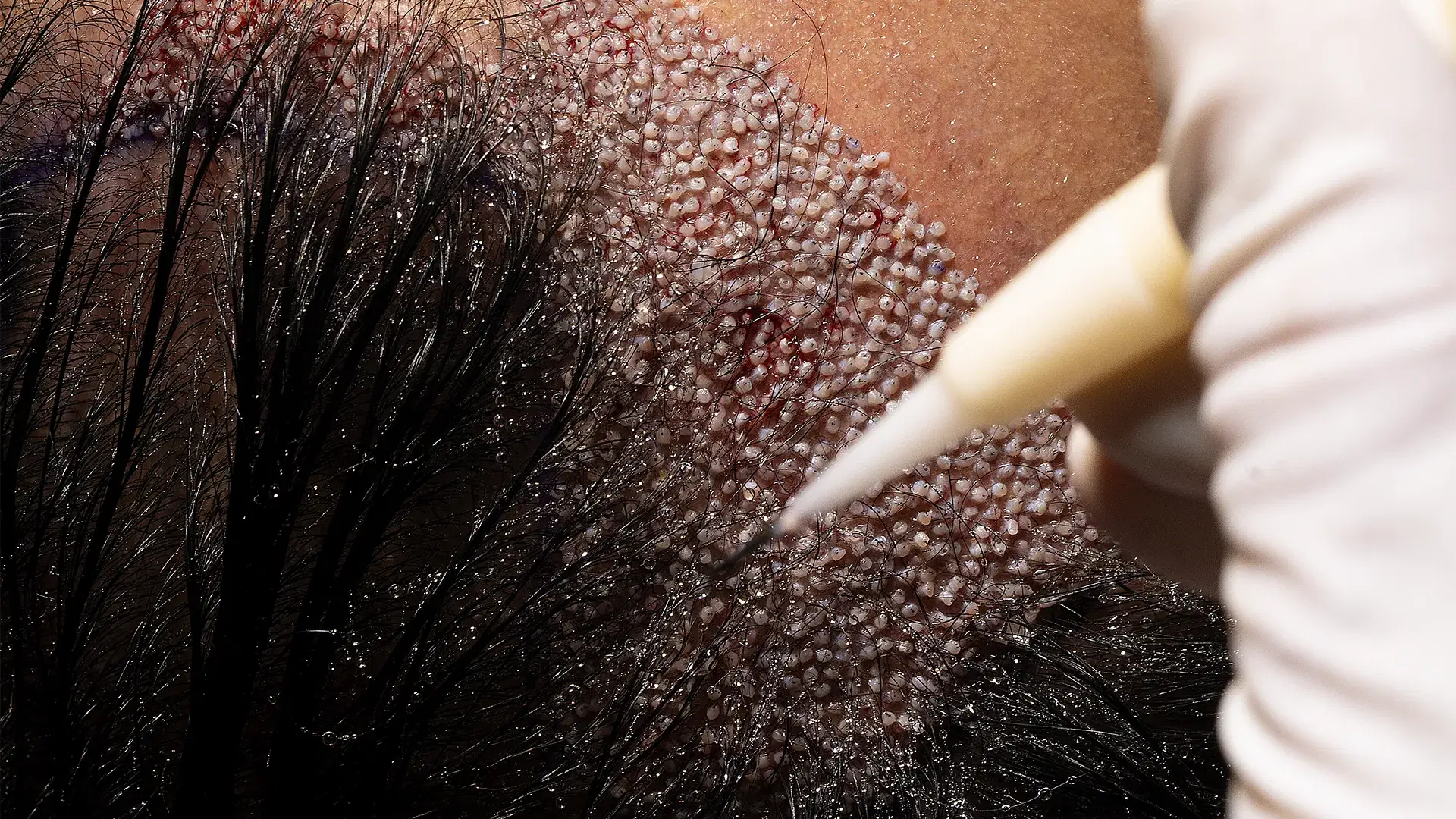
When hair loss becomes advanced or permanent, hair transplant surgery offers a long-term solution. The procedure involves relocating healthy follicles from a donor area, usually the back or sides of the scalp, to thinning or bald areas.


Modern Hair Transplant Techniques

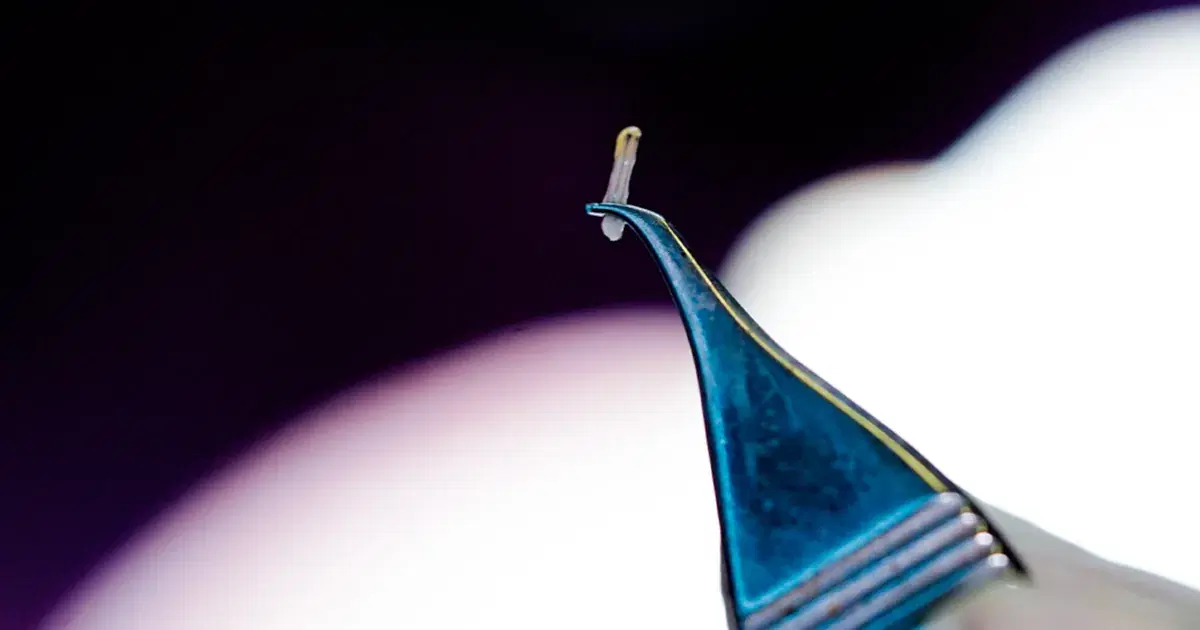
Techniques such as FUE and DHI have revolutionized hair restoration. FUE extracts individual follicular units with minimal scarring, while DHI allows direct implantation using a specialized pen for precise angle and density control.


Who Is a Good Candidate for Hair Transplant?

Hair transplantation is ideal for patients with stable hair loss patterns and sufficient donor hair. A detailed consultation is essential to assess scalp condition, donor capacity, and realistic expectations. When properly planned, results are natural and permanent.

Choosing the Right Hair Loss Treatment

You should consult a specialist if hair loss progresses rapidly, appears in patches, or is accompanied by scalp irritation or discomfort. Sudden changes or shedding that affects confidence should not be ignored.

Early diagnosis allows specialists to identify reversible causes and design a customized treatment plan. Acting early significantly improves the chances of preserving existing hair and achieving successful restoration.


When to Consult a Specialist

Hair loss can feel overwhelming, but it is often manageable with the right approach. Advances in non-surgical therapies and modern hair transplant techniques have made effective treatment more accessible than ever.

By recognizing early signs, addressing the root cause, and choosing a personalized treatment strategy, it is possible to restore healthier hair and renewed confidence. Seeking professional guidance early makes a meaningful difference in long-term results.

Get Your Hair Back

Advanced hair transplants and therapies with natural-looking results.