Esthetic Hair Logo header svg
Diabetes Hair Loss: Why It Happens and What You Can Do
Badge Icon

intro

Diabetes Hair Loss: Why It Happens and What You Can Do

Hair loss can be stressful at any age, but when it is linked to diabetes, it often raises deeper concerns. Diabetes hair loss is not only about thinning strands, it is a sign of how the condition affects blood flow, hormones, and the immune system. The good news is that understanding why it happens can point you toward treatments that really help.

Share

Start Your Personalized Hair Treatment Journey

Book a consultation and discover the most effective hair transplant or therapy option tailored to your hair needs and expectations.

Can Diabetes Cause Hair Loss?

Yes. Both type 1 and type 2 diabetes can contribute to hair loss. Poor blood circulation, hormonal changes, and increased inflammation can weaken hair follicles and disrupt the normal hair growth cycle. Over time, this may lead to thinning hair rather than sudden hair loss.

How Diabetes Leads to Hair Loss

How Diabetes Leads to Hair Loss

Diabetes affects multiple systems in the body, and hair growth is often impacted as a result. Issues such as reduced circulation, hormonal changes, and increased physical stress can interfere with the natural hair growth cycle and lead to gradual thinning or shedding.


Poor Blood Circulation

Diabetes can damage small blood vessels over time. When blood flow to the scalp is reduced, hair follicles receive less oxygen and fewer nutrients. Weakened follicles are more likely to leave the growth phase early, causing increased hair shedding.


Hormonal Imbalance

Fluctuations in insulin levels can influence androgen activity in the body. This may shorten the hair growth phase and slow regrowth, especially in individuals prone to pattern hair loss. Related reading: Pattern Baldness and Androgenetic Alopecia.


Autoimmune Response

Some people with diabetes are more likely to develop autoimmune conditions. In these cases, the immune system may attack hair follicles, leading to conditions such as alopecia areata and sudden patchy hair loss. See our guide on Alopecia Areata Causes and Treatment.


Stress and Illness

Diabetes increases physical stress on the body. When combined with mental or lifestyle stress, this can trigger telogen effluvium, a temporary shedding phase where a large number of hairs fall out at once. More details here: Telogen Effluvium.


Medication Side Effects

Certain diabetes medications may list hair thinning as a possible side effect. This type of hair loss is usually temporary and may improve once the medication is adjusted under medical guidance.

 

What Does Diabetes Hair Loss Look Like?

What Does Diabetes Hair Loss Look Like?


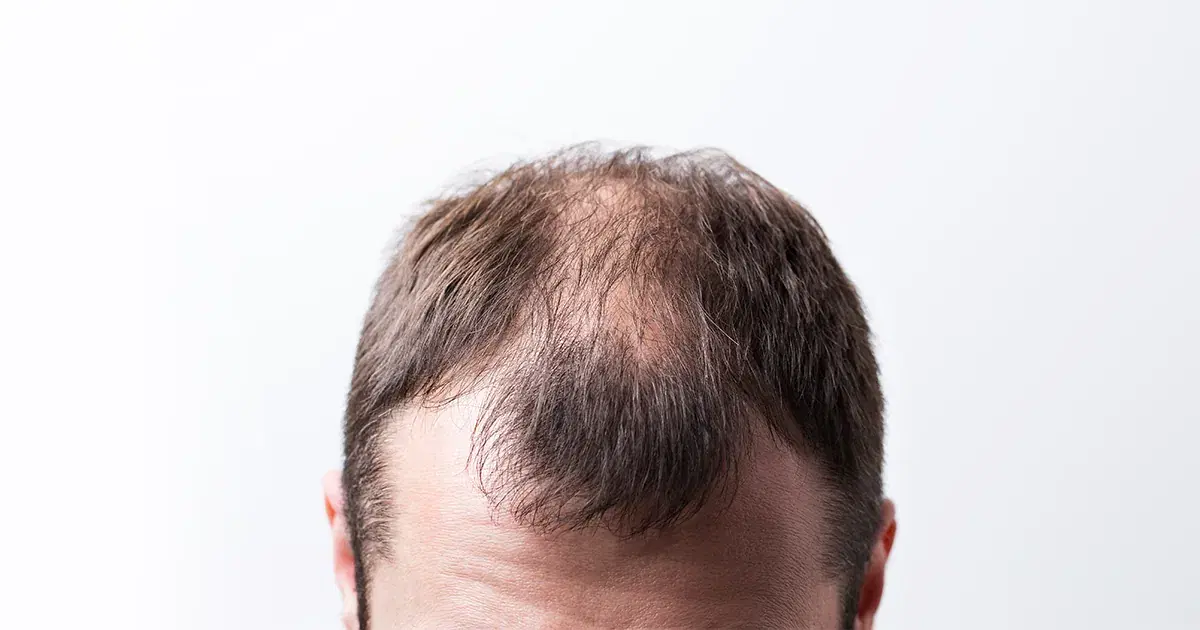
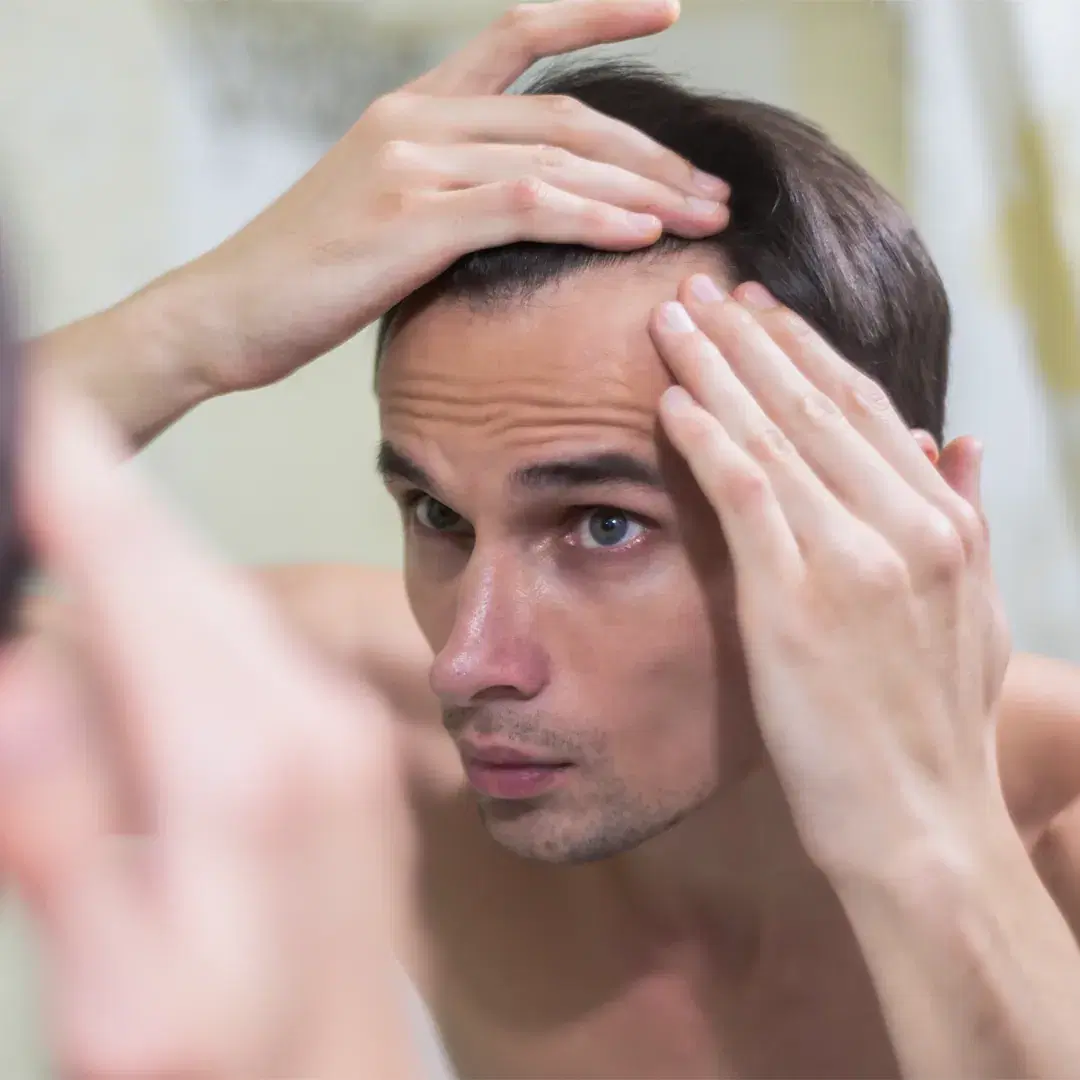
Diabetes-related hair loss usually develops gradually rather than all at once. The changes often affect hair density, texture, and regrowth patterns over time.


Gradual Thinning Across the Scalp

Hair may slowly lose volume across the scalp, especially around the crown or top of the head. This thinning is usually even rather than concentrated in one specific area.


Patchy Bald Spots

If autoimmune conditions such as alopecia areata are involved, hair loss may appear suddenly in small, round patches. These areas are usually smooth and clearly defined.


Slower Hair Regrowth

After normal shedding, new hair may take longer to grow back. This delay can make the hair look consistently thinner, even without excessive daily shedding.


Finer and Weaker Hair Texture

Over time, individual hair strands may become thinner and more fragile. Hair may break more easily and feel weaker compared to its previous texture.


Will Hair From Diabetes Grow Back?


In many cases, yes. Hair loss related to diabetes is often reversible, especially when blood sugar levels are well controlled. When the underlying cause is poor circulation, physical stress, or medication side effects, hair follicles can return to a normal growth cycle over time.

Regrowth usually happens gradually and may take several months to become noticeable. Consistent diabetes management, reduced inflammation, and proper nutrition all play a role in recovery.

However, if hair loss is linked to autoimmune conditions such as alopecia areata, regrowth may be unpredictable and require long-term treatment and monitoring. Early diagnosis and targeted care significantly improve the chances of maintaining healthy hair.

How to Stop Hair Loss From Diabetes

How to Stop Hair Loss From Diabetes

Managing diabetes-related hair loss focuses on reducing stress on hair follicles and supporting healthy regrowth. Treatment plans usually depend on the severity of hair loss and the underlying cause.


Improve Blood Sugar Control

Stable blood sugar levels help protect blood vessels and improve circulation to the scalp. Better glucose control reduces inflammation and allows hair follicles to stay in the growth phase longer.


Use Topical Hair Treatments

Doctors may recommend topical treatments such as minoxidil to stimulate hair follicles and support regrowth. These treatments work best when used consistently over several months.


Correct Nutritional Deficiencies

Low iron or vitamin D levels can worsen hair thinning. If blood tests show deficiencies, targeted supplements may help restore normal hair growth and improve hair strength.


Follow Scalp-Friendly Hair Care Routines

Using sulfate-free shampoos and gentle hair products helps protect the scalp barrier. Avoiding harsh chemicals and excessive heat reduces breakage and further follicle stress.


Reduce Physical and Emotional Stress

Chronic stress can trigger or worsen hair shedding. Regular exercise, quality sleep, and mindfulness practices can help balance hormones and support the hair growth cycle.


Consider Advanced Medical Treatments

In more advanced cases, dermatologists may recommend PRP therapy to stimulate weakened follicles. If hair loss is permanent and scalp health is suitable, hair transplantation may be considered. For background: PRP Hair Treatment.


Can Women Experience Diabetes Hair Loss Differently?


Yes. Women with diabetes may also face diffuse thinning linked to hormonal imbalance, especially if polycystic ovary syndrome is present. This combination can worsen shedding and delay regrowth.

When to See a Doctor


If you notice sudden patches, extreme thinning, or scalp irritation, consult a dermatologist. They can test whether your hair loss is directly tied to diabetes or another medical issue. According to the World Health Organization’s information on diabetes complications, early medical attention is essential for protecting long term health.

Conclusion

Diabetes hair loss can feel overwhelming, but it is often manageable. With proper blood sugar control, medical treatment, and healthy scalp care, many people see their hair grow back. The key is recognizing the signs early and working with your doctor to address the cause. By taking action now, you can protect both your health and your hair.

Start Your Personalized Hair Treatment Journey

Book a consultation and discover the most effective hair transplant or therapy option tailored to your hair needs and expectations.