What Happens During a PRP Session in Mexico?
A PRP session includes blood collection, plasma preparation, scalp assessment, and targeted injections into thinning areas.
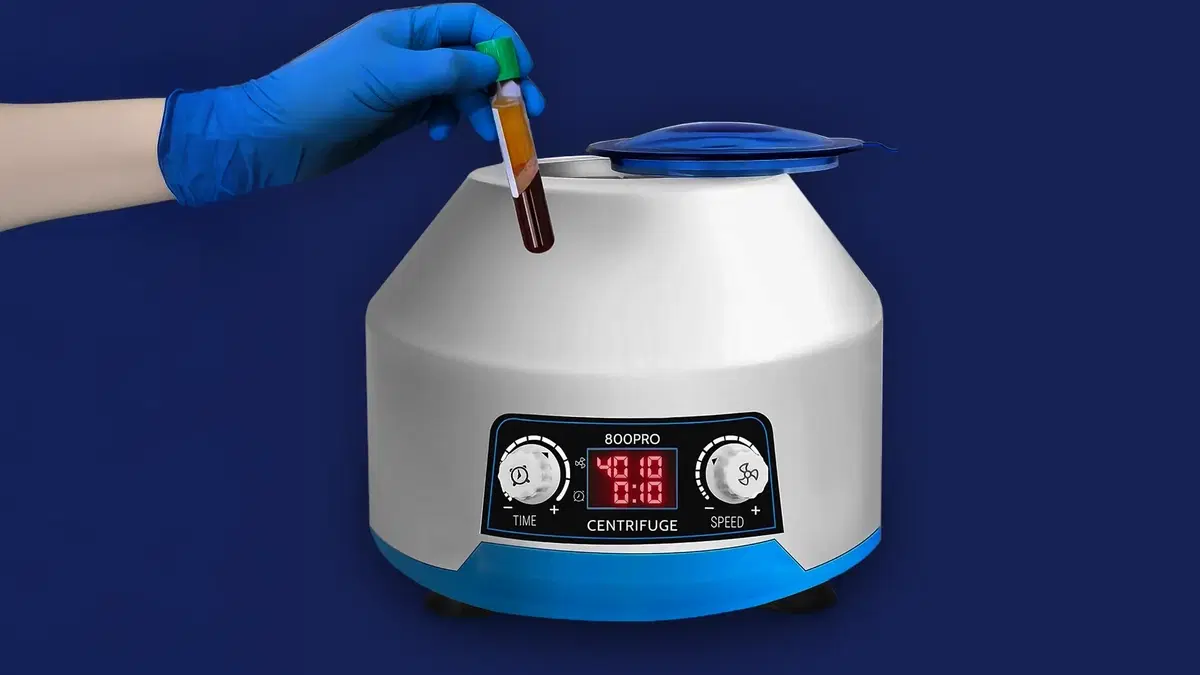
Your appointment usually begins with cleaning and examining the planned treatment zones. A small blood sample is then collected using a standard clinical process. The centrifuge separates the platelet-rich portion needed for scalp application. Your specialist distributes the prepared plasma across areas requiring support. Injection points follow your individual thinning pattern rather than one standard layout. The entire process generally remains focused and controlled. Afterward, you receive instructions covering scalp care and temporary activity restrictions.
Who Is Suitable for PRP Hair Treatment?
Suitable candidates usually have early thinning, weakened follicles, stable scalp health, and realistic expectations about possible improvement.
PRP often supports patients whose follicles remain active but produce thinner or weaker strands. Early pattern hair loss may respond better than advanced baldness with inactive follicles. Your specialist also reviews your medical history, medications, and scalp condition before treatment. Certain blood disorders or active scalp problems may affect suitability. A consultation therefore helps determine whether your follicles can benefit from regenerative support. This assessment also clarifies whether PRP should stand alone or accompany another hair restoration approach.
What Types of Hair Loss Can PRP Address?
PRP can address selected cases of pattern thinning, diffuse hair loss, weakened density, and reduced follicle activity.
The treatment works best when hair follicles remain present within the affected scalp areas. Pattern hair loss may respond when thinning has not progressed to complete baldness. Diffuse thinning can also receive support when the underlying cause remains suitable for treatment. PRP may strengthen miniaturized follicles and improve the appearance of existing hair. However, it cannot recreate follicles where they no longer function. Your specialist must therefore identify the hair loss pattern before recommending an appropriate treatment plan.
What Are the Benefits of PRP in Mexico?
PRP in Mexico can strengthen existing hair, support scalp health, improve density appearance, and require minimal recovery time.
Because the treatment uses your own blood components, it avoids synthetic fillers or donor materials. The procedure also targets specific thinning areas without surgical incisions or follicle extraction. Many patients return to routine activities shortly after their appointments. PRP can fit within a broader hair care plan because sessions require limited interruption. Progressive treatment may improve strand quality and support more consistent follicle activity. However, benefits vary according to your hair loss stage and biological response.
How Many PRP Sessions Are Usually Needed?
Most PRP treatment plans require several initial sessions followed by maintenance appointments based on your individual response.
Your specialist may schedule treatments at planned intervals during the first stage. This sequence allows platelet-rich plasma to support follicles repeatedly over time. The exact number depends on hair loss severity, scalp condition, and treatment goals. Some patients need additional sessions before visible improvement becomes noticeable. Maintenance appointments may help preserve benefits after the initial program ends. Your progress should therefore be reviewed regularly. These assessments allow your medical team to adjust timing according to follicle response.
How Long Does a PRP Session Take?
A PRP hair treatment session usually takes less than one hour, depending on preparation and treatment area size.
Blood collection generally requires only a short period at the beginning. Centrifuge processing then separates the plasma needed for your scalp treatment. The injection stage varies according to the number and size of thinning areas. Broader coverage may require more application points and careful distribution. Your appointment can also include scalp evaluation and progress photography. Although session times vary, PRP usually requires limited disruption. You can often continue light daily activities after completing the treatment.
Is PRP Hair Treatment Painful?
PRP hair treatment may cause mild discomfort because several small injections are placed across sensitive scalp areas.
The sensation varies according to your sensitivity and the number of treated zones. Some injection points may feel like brief pressure, pinching, or stinging. Your medical team can use appropriate comfort measures when necessary. The discomfort usually remains temporary and decreases soon after treatment ends. Mild scalp tenderness may continue briefly during early recovery. However, most patients complete their sessions without extended interruption. Discussing sensitivity beforehand helps your specialist plan a more comfortable treatment experience.
How Long Is Recovery After PRP Treatment?
Recovery after PRP treatment is usually brief, allowing most patients to resume normal activities within the same day.
Your scalp may feel tender or appear slightly red around injection points. These effects generally decrease gradually without requiring an extended healing period. You should avoid rubbing or scratching the treated areas immediately afterward. Intense exercise, heat exposure, and certain hair products may require temporary limitation. Your clinic will explain when normal washing and styling can resume. Following these instructions protects scalp comfort while the treated areas settle. Recovery may vary slightly according to individual sensitivity.
How Should You Care for Your Scalp After PRP?
You should keep your scalp clean, avoid unnecessary pressure, and follow the aftercare instructions provided by your medical team.
Washing may require temporary delay depending on your clinic’s treatment protocol. When washing resumes, gentle products and controlled movements help prevent irritation. You should avoid scratching areas that feel tender after the injections. Direct heat, strong sunlight, and intense sweating may also require short-term limitation. Hair coloring or chemical treatments should wait until your specialist confirms suitability. These precautions support scalp comfort and reduce avoidable sensitivity. Your normal routine can usually return gradually after the initial recovery period.
When Do PRP Hair Treatment Results Become Visible?
PRP results usually become noticeable after several months because existing follicles need time to produce stronger hair.
Early changes may involve reduced shedding or improved strand quality rather than immediate density. Hair growth follows natural cycles, so visible progress develops gradually between sessions. Existing hairs may appear thicker as weakened follicles become more active. Broader density improvements usually require consistent treatment and sufficient follicle potential. Your response can differ according to age, hair loss pattern, and scalp condition. Progress photographs help compare changes accurately. Regular assessments also show whether your treatment schedule requires adjustment.
Are PRP Hair Treatment Results Permanent?
PRP results are not necessarily permanent because ongoing hair loss can continue after the initial treatment program ends.
The treatment supports existing follicles but does not permanently stop every cause of thinning. Benefits may gradually decrease without appropriate maintenance or broader hair loss management. Your specialist can recommend follow-up sessions according to observed progress. Maintenance timing depends on follicle response, hair loss stage, and individual goals. Supporting treatments may also become relevant when thinning continues. Therefore, realistic planning should include both initial improvement and long-term care. Regular evaluation helps preserve results whenever possible.
Can PRP Replace a Hair Transplant?
PRP cannot replace a hair transplant when bald areas lack enough functioning follicles to produce visible growth.
Hair transplantation moves healthy follicles into areas requiring permanent structural coverage. PRP instead supports follicles already present within thinning scalp regions. Therefore, both treatments address different hair restoration needs. Early thinning may benefit from PRP without requiring surgical intervention. Advanced hair loss may require transplantation when inactive areas cannot respond sufficiently. Your specialist should evaluate donor availability and remaining follicle activity before recommending treatment. This comparison ensures your plan matches the actual condition of your scalp.
Can PRP Support Hair Transplant Recovery?
PRP can support a hair transplant plan by improving scalp conditions and strengthening suitable existing follicles.
Your medical team may recommend treatment before or after transplantation according to your individual needs. Before surgery, PRP can support surrounding hair within thinning regions. After surgery, carefully timed sessions may complement the broader recovery plan. However, PRP does not replace proper surgical technique or postoperative care. Treatment timing must also protect newly implanted grafts during sensitive healing stages. Your surgeon should therefore coordinate every session. A personalized schedule prevents unnecessary interference with the transplant recovery process.
Is PRP in Mexico Safe?
PRP in Mexico is generally safe when qualified professionals use sterile equipment and appropriate medical protocols.
The treatment uses plasma prepared from your own blood, reducing concerns about donor incompatibility. However, injection procedures still require careful hygiene and controlled application. Temporary redness, tenderness, swelling, or minor bruising can occur around treated areas. Your medical history should be reviewed before confirming suitability. This review identifies conditions that may affect blood collection, healing, or treatment response. Choosing an experienced clinic supports accurate plasma preparation and safe scalp application. Clear aftercare guidance further reduces avoidable discomfort.
How Much Does PRP Hair Treatment Cost in Mexico?
PRP hair treatment costs in Mexico depend on session numbers, treatment areas, clinic standards, and included services.
A single appointment usually costs less than a complete multi-session treatment plan. Broader scalp coverage may also influence preparation, application time, and overall pricing. Some clinics offer packages covering several sessions and progress evaluations. However, package details should be reviewed before comparing quoted prices. Your treatment frequency may change according to follicle response and maintenance needs. Therefore, the total cost depends on your personalized schedule. A consultation provides the clearest estimate for your specific hair loss pattern.
Why Choose Esthetic Hair Mexico for PRP Treatment?
Esthetic Hair Mexico provides personalized PRP treatment planning based on your scalp condition, hair loss pattern, and restoration goals.
Your assessment focuses on existing follicle activity and the areas requiring targeted support. The medical team then plans session frequency according to your individual needs. Treatment progress can be reviewed through regular scalp evaluations and comparison photographs. Clear guidance also helps you understand recovery, expected changes, and possible maintenance requirements. This structured approach keeps the treatment focused on suitable thinning areas. Your PRP plan can also be coordinated with broader hair restoration care when appropriate.