Who Is Suitable for an Unshaven Hair Transplant in Mexico?
Suitable candidates have stable hair loss, adequate donor density, longer hair, and realistic expectations about achievable coverage.
Your donor area must provide enough healthy follicles without creating noticeable thinning. Patients requiring smaller or moderate graft numbers often suit this approach more easily. Longer surrounding hair can conceal trimmed donor sections during early recovery. Localized hairline recession, temple loss, or limited crown thinning may respond well. However, extensive hair loss can require broader shaving for efficient extraction. Your scalp health, hair texture, and treatment goals also influence suitability. A personalized consultation clarifies whether unshaven transplantation matches your needs.
Which Techniques Support Unshaven Hair Transplantation?
Unshaven hair transplantation commonly uses FUE or DHI techniques because both allow individual follicle extraction and controlled placement.
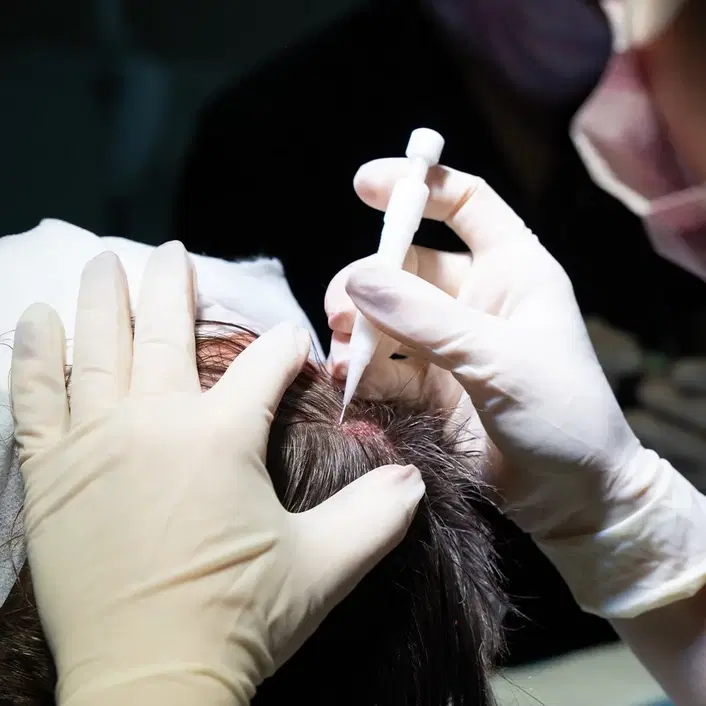
Unshaven FUE removes selected follicles from small concealed sections within the donor area. The surgeon then creates recipient channels before implanting each prepared graft. Unshaven DHI uses an implanter pen for controlled follicle placement in thinning regions. This approach can support treatment between existing hairs without broadly shaving the recipient zone. Technique selection depends on your graft requirements, density goals, and scalp condition. Your medical team should choose the method that protects existing hair while supporting accurate implantation.
Is Complete Shaving Required for an Unshaven Hair Transplant?
Complete shaving is usually unnecessary, although selected donor hairs may require discreet trimming before follicle extraction.
The amount of trimming depends on your chosen technique and required graft number. Some patients need only narrow donor sections trimmed beneath longer surrounding hair. Others may require partial shaving when larger areas need treatment. The recipient area often remains unshaven, especially when implantation occurs between existing strands. However, keeping every hair untouched can limit surgical visibility and treatment efficiency. Your specialist should explain which preparation supports safe extraction and accurate placement without unnecessary shaving.
What Are the Benefits of an Unshaven Hair Transplant?
An unshaven hair transplant offers discreet healing, preserved hairstyle length, natural placement, and reduced visibility during recovery.
Existing hair can cover small donor sections and early signs within the recipient area. This concealment may help you return confidently to social or professional activities. The procedure also allows specialists to compare transplanted grafts with your natural growth direction. That visibility supports careful placement between existing strands and along the hairline. You can maintain much of your hairstyle throughout the process. However, the method still requires detailed planning to protect nearby follicles and achieve balanced density.
Are There Limitations to Unshaven Hair Transplantation?
Unshaven hair transplantation can require more time, offer fewer grafts, and create additional technical challenges during extraction.
Long surrounding hair may reduce visibility while the medical team works within the donor area. Follicle extraction can therefore become slower than fully shaved procedures. Larger graft sessions may also be difficult without broader trimming or partial shaving. Existing strands can complicate implantation when dense areas require precise placement. These factors do not automatically prevent treatment, but they influence planning. Your surgeon should evaluate whether preserving hair length supports your desired result without reducing safety or graft quality.
How Long Does an Unshaven Hair Transplant Take?
An unshaven hair transplant usually takes several hours, depending on graft numbers, technique, and treatment complexity.
The procedure may take longer than a fully shaved transplant because extraction requires careful hair separation. Your medical team must identify trimmed follicles while protecting surrounding uncut strands. Graft preparation and recipient planning also require detailed attention throughout the session. Smaller procedures may finish within one day, while larger sessions can need extended treatment time. Regular breaks may be included to maintain your comfort. Your estimated duration becomes clearer after the required graft count is calculated.
How Long Is Recovery After an Unshaven Hair Transplant?
Most patients resume light daily activities within several days after an unshaven hair transplant in Mexico.
Temporary redness, swelling, tenderness, and small scabs may appear during early healing. Existing hair can conceal many visible signs while the scalp gradually recovers. You should avoid rubbing, scratching, or placing pressure on newly implanted grafts. Gentle washing usually begins according to your clinic’s postoperative instructions. The donor area also heals as the small extraction points close naturally. Following your aftercare plan supports graft stability, scalp comfort, and a smoother transition into normal activities.
Can You Return to Work After an Unshaven Hair Transplant?
You can usually return to nonphysical work within several days, depending on healing and visible treatment signs.
Existing hair may cover donor trimming, redness, and scabs more effectively than a shaved procedure. This advantage can make workplace return feel more comfortable and discreet. However, swelling or tenderness may remain noticeable during the earliest recovery period. Physically demanding work can require additional rest because sweating and pressure may affect healing. You should also avoid helmets or tight headwear until your clinic approves them. Your return schedule should therefore reflect your occupation and recovery progress.
How Should You Wash Your Hair After the Procedure?
You should wash your hair gently using the method and timing provided by your medical team.
The first washes protect scalp cleanliness while preventing unnecessary pressure on transplanted follicles. You should avoid strong water flow, aggressive rubbing, and scratching during early recovery. Instead, apply recommended products carefully and rinse the scalp with controlled movements. Longer existing hair may require extra attention because strands can become tangled near treated areas. Gentle separation helps prevent accidental pulling around implanted grafts. As healing progresses, you can gradually return to your regular washing routine after medical approval.
When Do Unshaven Hair Transplant Results Become Visible?
Unshaven hair transplant results usually become noticeable after several months and continue improving during the first year.
Temporary shedding can occur before transplanted follicles begin producing permanent strands. Existing hair may help maintain visual coverage while new growth develops gradually. Early transplanted hairs can initially appear thin, uneven, or lighter than expected. Density improves as more follicles enter active growth and individual strands become stronger. Your final timeline depends on hair characteristics, healing speed, and natural growth patterns. Consistent aftercare supports recovery while the transplanted area develops fuller and more balanced coverage.
Will the Results Look Natural?
Unshaven hair transplant results can look natural when grafts follow your existing hair direction, angle, and density pattern.
Keeping surrounding hair visible helps the medical team assess your natural growth characteristics during placement. This reference supports smooth blending between transplanted follicles and existing strands. Hairline design also considers facial proportions, age, and future hair loss progression. Appropriate graft distribution prevents unnatural rows or excessive density within limited areas. However, natural results depend on careful planning and controlled implantation. Your donor capacity must also support the planned coverage without creating visible thinning elsewhere.
Does an Unshaven Hair Transplant Leave Scars?
An unshaven hair transplant usually leaves tiny scattered extraction marks rather than one long linear donor scar.
Individual follicles are removed through small openings within selected donor sections. These points normally become less noticeable as healing progresses and surrounding hair grows. Longer hair can also conceal the donor area during early recovery. However, complete absence of scarring cannot be guaranteed with any surgical procedure. Extraction size, skin healing, and follicle distribution influence final visibility. Careful donor management helps prevent concentrated removal and noticeable thinning. Your medical team should plan extraction evenly across suitable areas.
Is an Unshaven Hair Transplant in Mexico Safe?
An unshaven hair transplant in Mexico is generally safe when qualified professionals follow appropriate medical and hygiene standards.
Your treatment should begin with a detailed review of your health, scalp condition, and hair loss pattern. This assessment helps identify factors that could affect healing or treatment suitability. Sterile conditions and controlled follicle handling support safety throughout extraction and implantation. Careful separation of longer hair also protects existing strands during the procedure. Aftercare instructions reduce avoidable irritation and support graft stability. Choosing an experienced clinic remains essential for a carefully managed treatment and recovery process.
How Much Does an Unshaven Hair Transplant in Mexico Cost?
Unshaven hair transplant costs in Mexico depend on graft numbers, technique, complexity, clinic standards, and included services.
The procedure may cost differently from fully shaved transplantation because extraction can require additional time and precision. Your graft count usually has the greatest influence on the final treatment price. Smaller hairline procedures may require fewer follicles than broader density restoration. The selected technique can also affect equipment, staffing, and operating time. Some packages include consultations, medication, transfers, accommodation, or postoperative support. A personalized assessment provides the clearest estimate for your specific treatment plan.
Why Choose Mexico for an Unshaven Hair Transplant?
Mexico offers unshaven hair transplantation with accessible treatment options, modern techniques, and services designed for international patients.
Many clinics provide organized consultations, individualized planning, and postoperative guidance throughout the treatment process. International patients may also receive assistance with local transfers, accommodation, and appointment coordination. However, your decision should focus on medical expertise rather than convenience alone. The clinic should explain donor planning, graft estimates, shaving requirements, and expected recovery clearly. Reviewing these details helps you understand the proposed approach. Esthetic Hair Mexico can prepare a personalized plan based on your hair characteristics and restoration goals.