
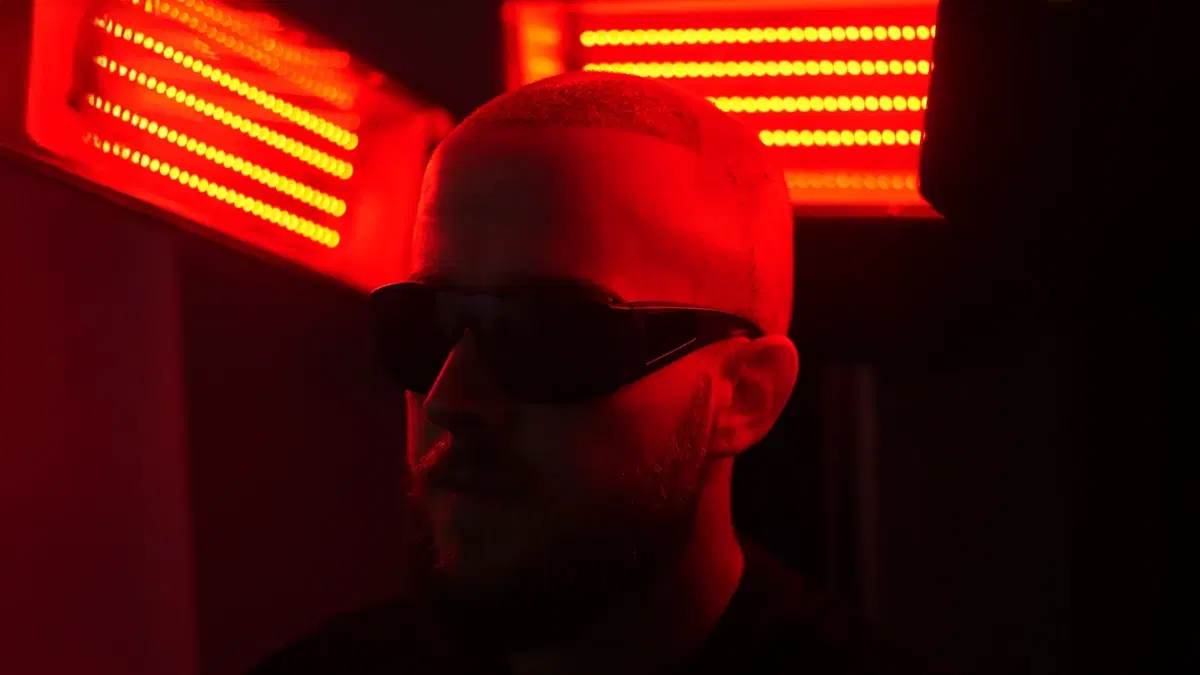
Red light therapy is a noninvasive treatment using low-intensity light to support hair growth within thinning scalp areas.
This approach is also called low-level light therapy or photobiomodulation. Specialized devices deliver red light through helmets, caps, panels, or combs. The light targets existing follicles without cutting your scalp or extracting donor hair. Therefore, treatment mainly supports follicles that remain active but produce weaker strands. It cannot reliably create new follicles within completely bald areas. Research shows promising results for pattern hair loss, although individual responses differ considerably.
Red light therapy works by delivering controlled light energy to cells surrounding active hair follicles.
The light penetrates the scalp without creating heat damage or removing tissue. Cellular structures may absorb this energy and support processes associated with follicle activity. These responses could influence energy production, local circulation, and the natural hair growth cycle. Consequently, weakened follicles may produce stronger or thicker strands over time. However, treatment success depends on your diagnosis and remaining follicle function. Consistent application also matters because one session cannot produce immediate visible density. Current evidence supports potential benefits without guaranteeing regrowth for every patient.
Send your photos on WhatsApp — receive your personal plan and all-inclusive quote within 24 hours.
Suitable candidates generally have early pattern thinning, functioning follicles, healthy scalp tissue, and realistic expectations about gradual improvement.
Your specialist should identify the cause of hair loss before recommending treatment. Early thinning may respond better because miniaturized follicles can retain measurable growth activity. Men and women with pattern hair loss may both consider this approach. However, your medical history, medications, scalp condition, and previous treatments influence suitability. Active infections or unexplained shedding may require further evaluation first. A detailed assessment helps determine whether red light therapy matches your condition. Suitability does not guarantee visible growth because biological responses vary between patients.
Red light therapy mainly addresses male and female pattern hair loss where active follicles remain within thinning areas.
This condition gradually miniaturizes follicles, causing shorter, finer, and less visible strands. Controlled light treatment may support these weakened follicles before complete inactivity develops. However, evidence remains less established for scarring alopecia, autoimmune hair loss, or medically caused shedding. Diffuse thinning also requires diagnosis because nutritional, hormonal, or systemic factors may contribute. Completely bald areas usually show limited response when functioning follicles are absent. Therefore, your hair loss type should guide treatment selection. Current reviews describe stronger evidence for androgenetic alopecia than other conditions.
Red light therapy offers noninvasive application, minimal recovery, gradual density support, and convenient treatment scheduling.
The procedure does not require incisions, injections, anesthesia, or donor follicle extraction. Therefore, you can usually continue routine activities without an extended healing period. Regular treatment may strengthen existing strands and improve the appearance of thinning areas. Some patients may also notice reduced shedding as follicle activity becomes more stable. However, results develop gradually and depend on consistent device use. Treatment benefits remain most realistic when suitable follicles are still active. Red light therapy cannot guarantee complete restoration or replace missing follicles.
A red light therapy session exposes thinning scalp areas to controlled light from a specialized treatment device.
Your appointment usually begins with scalp assessment and correct device positioning. The light source must cover the planned areas evenly without excessive distance or obstruction. You then remain beneath the device for the recommended treatment period. No injections, incisions, or follicle extraction occur during application. Protective measures may be provided according to the device design and manufacturer instructions. Your specialist should also monitor treatment consistency and scalp tolerance. After the session, you can generally continue normal activities without bandages or a structured surgical recovery.
Red light therapy usually requires several weekly sessions followed by ongoing use according to your selected device protocol.
Treatment frequency differs because devices use different wavelengths, power levels, and exposure durations. Some programs recommend alternate-day application, while others use fewer weekly sessions. Therefore, you should follow the approved instructions for your specific device. Increasing treatment frequency does not automatically produce faster or stronger results. Excessive exposure may instead cause unnecessary discomfort or reduce treatment consistency. Your progress should be reviewed after a defined period. Regular photographs and density measurements can show whether continued treatment remains worthwhile.
A red light therapy session usually lasts several minutes, depending on the device and recommended exposure protocol.
Helmet and cap systems can treat broad scalp areas during one scheduled application. Comb devices may require additional time because you must move them across several regions. Clinical panels also vary according to their distance, intensity, and treatment coverage. Therefore, session duration should follow device-specific instructions rather than one universal standard. Longer exposure does not necessarily improve hair growth. Consistent use over several months matters more than extending individual sessions unnecessarily. Your provider should explain the exact schedule before starting treatment.
Red light therapy is generally painless because it delivers low-intensity light without injections, incisions, or tissue removal.
You may notice gentle warmth depending on the device and treatment environment. However, the application should not cause burning, sharp pain, or significant scalp discomfort. Sensitive patients may experience temporary tightness, dryness, itching, or mild irritation. These reactions should remain limited and improve after treatment stops. Incorrect positioning or unsupported device use can increase discomfort unnecessarily. Therefore, you should follow every operating instruction carefully. Report persistent headaches, eye discomfort, worsening irritation, or unexpected scalp changes before continuing further sessions.
Red light therapy usually requires no recovery period because the treatment does not break or remove scalp tissue.
You can generally return to work, exercise, and routine activities immediately after each session. Washing and styling can also continue unless scalp irritation develops. However, your provider may adjust treatment when sensitivity, redness, or dryness appears. Existing scalp conditions could also require separate product or activity restrictions. You should avoid combining several irritating treatments without professional guidance. Although formal recovery remains unnecessary, consistent scalp monitoring still matters. Any persistent discomfort should be assessed before your next scheduled application.
Red light therapy results may become noticeable after several months of consistent use and accurate treatment application.
Hair grows slowly because every follicle follows a natural biological cycle. Early changes may include reduced shedding or stronger existing strands. Visible density improvements generally require additional time as more follicles enter active growth. Your response depends on diagnosis, treatment consistency, follicle condition, and device quality. Standardized photographs can help you evaluate progress without misleading lighting differences. Clinical trials commonly assess changes after several months rather than several days. Therefore, you should expect gradual development instead of immediate coverage.
Red light therapy results are not necessarily permanent because underlying hair loss can continue after treatment stops.
The procedure may support weakened follicles without permanently changing genetic hair loss mechanisms. Consequently, improvements could decrease when regular application ends. Continued maintenance may help preserve benefits for suitable patients. However, the ideal schedule depends on your response and specific device protocol. Surrounding untreated follicles may also continue thinning over time. Therefore, long-term planning should include progress reviews and appropriate hair loss management. Possible outcomes include meaningful improvement, limited change, temporary benefits, or no visible response.
Clinical treatment offers professional supervision, while home devices provide convenience and easier long-term scheduling.
Clinic equipment may cover larger scalp areas with controlled positioning and structured monitoring. Professional assessment can also confirm whether your hair loss pattern suits light therapy. Home devices allow repeated applications without frequent clinic visits. However, their quality, coverage, power, and treatment instructions differ considerably. A suitable home device should provide clear technical specifications and reliable operating guidance. Some red light hair devices have received regulatory clearance for specific intended users. However, clearance does not guarantee identical results for everyone.
Red light therapy can accompany selected hair treatments when your medical plan confirms their compatibility and timing.
Your specialist may combine it with topical products, prescribed medication, PRP, or postoperative hair restoration care. Each combination should address a defined purpose rather than increasing treatment quantity unnecessarily. Certain scalp products can cause sensitivity, which may affect comfortable device use. Recently treated or healing skin may also require temporary scheduling changes. Therefore, you should disclose every medication, product, and procedure before starting light therapy. Coordinated treatment reduces avoidable irritation while supporting consistent application. Combined care cannot guarantee better results without suitable follicles and accurate diagnosis.
Red light therapy may complement hair transplant recovery when your surgeon approves the device, schedule, and application timing.
The treatment could support surrounding native hair and the general scalp environment. However, newly implanted grafts remain sensitive during early healing. Device contact, pressure, heat, or unsuitable timing may interfere with postoperative instructions. Therefore, you should never begin light therapy immediately after transplantation without surgical approval. Your surgeon must decide when the scalp can tolerate the selected device safely. Red light therapy cannot compensate for poor graft handling or inadequate aftercare. It should remain a supporting option within a coordinated recovery plan.
Red light therapy cannot replace hair transplantation when bald areas require new follicles and permanent structural coverage.
Hair transplantation moves healthy donor follicles into areas with insufficient natural density. Red light therapy instead supports follicles already present within thinning scalp regions. Therefore, advanced baldness may require transplantation to create visible coverage. Light therapy might help early thinning or support surrounding native hair. However, it should not be presented as guaranteed follicle creation within empty scalp areas. Your donor capacity, hair loss stage, and restoration goals determine transplant suitability. A detailed assessment should compare realistic outcomes before choosing either approach.
Red light therapy is generally well tolerated when an appropriate device is used according to professional instructions.
Reported reactions can include temporary redness, dryness, itching, tenderness, headaches, or eye discomfort. Device quality and correct positioning influence both safety and treatment consistency. You should not stare directly into exposed light sources without approved protection. Photosensitizing medications or conditions may also require medical review before treatment. Stop using the device when severe discomfort, skin changes, or worsening symptoms develop. Although studies generally report favorable safety, individual reactions remain possible. Professional evaluation helps identify avoidable risks before regular application begins.
Red light therapy costs in Mexico depend on the device, session frequency, treatment duration, and included clinical services.
Single clinical appointments generally cost differently from multi-session programs. Home devices require a larger initial purchase but can support repeated long-term application. Premium helmets may cost more because they contain additional light sources and broader coverage. However, higher pricing does not automatically guarantee stronger results. Clinic packages may include scalp analysis, progress photography, consultations, and follow-up reviews. You should request a detailed quotation before comparing treatment options. Your total cost depends on whether you choose supervised sessions, home treatment, or combined care.
Esthetic Hair Mexico provides personalized red light therapy planning based on your hair loss pattern and existing follicle activity.
Your consultation focuses on identifying suitable treatment areas and realistic density goals. The recommended plan should explain device type, session frequency, treatment duration, and expected progress monitoring. Standardized photographs can support accurate comparisons throughout your program. Your medical team can also coordinate light therapy with other appropriate restoration options. This structured approach prevents unnecessary sessions and unrealistic expectations about instant regrowth. Esthetic Hair Mexico helps you understand whether supervised treatment or home application better matches your needs.
Red light therapy is a noninvasive treatment using low-intensity light to support hair growth within thinning scalp areas.
10+ years international experience
Operation, hotel, transfers
Consultants reply in minutes
Direct flights across the Americas