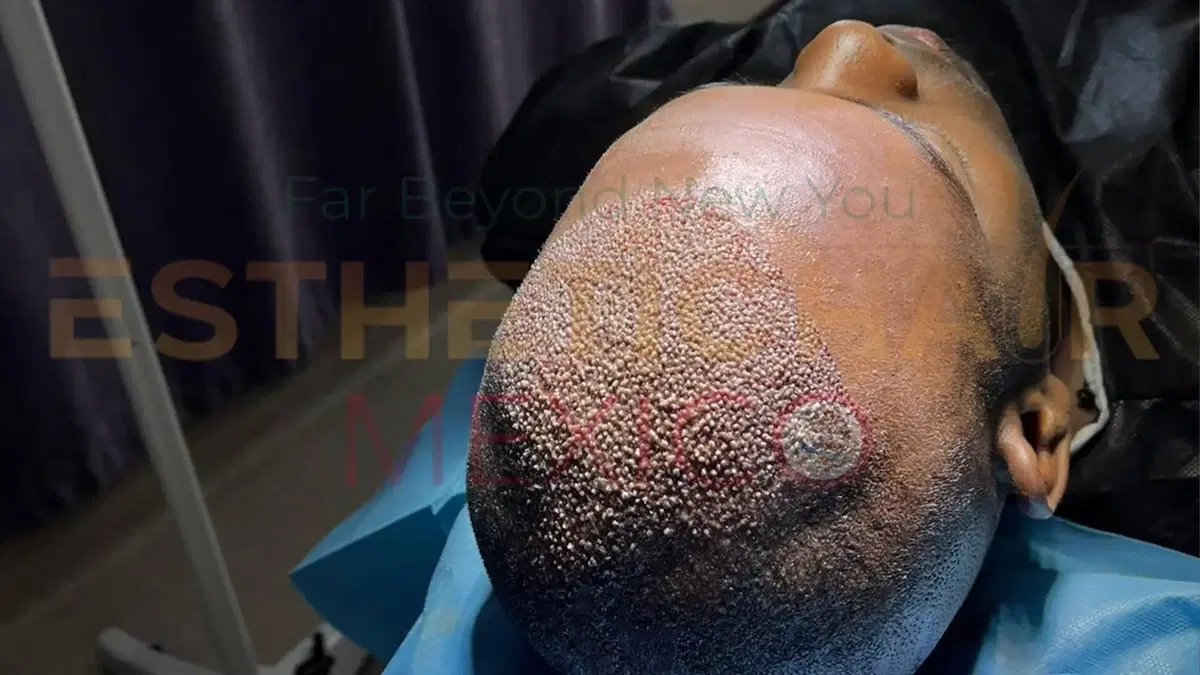
How Should You Wash Your Hair After Transplantation?
You should wash your hair gently according to the schedule and technique provided by your clinic.
The first washes remove dried residue while protecting newly implanted follicles. Apply approved products carefully without rubbing the recipient area. Use gentle water pressure because strong streams may disturb sensitive grafts. You should rinse slowly and allow water to flow naturally across the scalp. Avoid fingernails, aggressive massage, and rough towel drying during early recovery. Pat nearby areas carefully when drying becomes necessary. Your medical team will explain when normal washing pressure and regular products can gradually return.
When Can You Touch the Transplanted Area?
You should avoid touching the transplanted area until your medical team confirms that grafts are secure.
Unnecessary contact can irritate healing skin and increase the risk of disturbing follicles. You may need to touch surrounding areas during approved washing, but movements should remain controlled. Never inspect grafts by pressing, pulling, or scratching the scalp. Temporary itching can occur as healing progresses, although scratching should still be avoided. Use only clinic-approved products when discomfort develops. Once the grafts stabilize, your care routine can become less restrictive. Follow your personalized timeline because healing speed differs between patients.
How Should You Manage Scabs After a Hair Transplant?
You should allow scabs to loosen naturally while following the washing routine provided by your clinic.
Scabs protect healing points during the early recovery period. Removing them forcefully can irritate the scalp and disturb implanted follicles. Gentle washing gradually softens the crusts without aggressive pressure. You should avoid scratching, picking, or rubbing stubborn areas. Your medical team may later recommend careful massage after grafts become secure. Follow that timing precisely because premature massage can interfere with healing. Contact Esthetic Hair Mexico when scabs remain unusually persistent or appear with discharge, increasing pain, or worsening redness.
How Can You Reduce Swelling After Hair Transplantation?
You can reduce swelling by elevating your head, resting properly, and following your prescribed medication plan.
Swelling often appears around the forehead and may move toward the eye area. Keeping your head raised can limit fluid accumulation during early recovery. You should avoid bending forward repeatedly because this position may increase pressure. Drink water regularly unless your medical team provides different instructions. Apply only approved cooling methods and never place ice directly over implanted grafts. Mild swelling usually improves gradually. However, severe swelling, breathing problems, or vision changes require immediate medical evaluation.
How Should You Care for the Donor Area?
You should keep the donor area clean, avoid scratching, and follow the recommended washing instructions.
The donor region may feel tender, tight, or itchy while small extraction points heal. Gentle cleansing supports hygiene without creating unnecessary irritation. You should avoid rubbing the area against pillows, clothing, or tight headwear. Apply only medications or products approved by your medical team. Small scabs may form and separate naturally as healing continues. Temporary numbness can also occur in some patients. Contact the clinic when increasing pain, discharge, excessive bleeding, or spreading redness develops within the donor area.
When Can You Return to Work?
You can usually return to light work after several days, depending on healing and your occupation.
Office duties may require less recovery time than physically demanding employment. Visible redness, scabs, swelling, or donor trimming may influence your preferred return date. Jobs involving dust, heat, sweating, helmets, or heavy lifting require additional caution. You should follow your medical team’s recommendation rather than using another patient’s timeline. Remote work may offer greater comfort during early recovery. Plan enough leave before treatment so you can protect your scalp without unnecessary pressure from professional responsibilities.
When Can You Exercise After a Hair Transplant?
You should avoid strenuous exercise until your medical team confirms that your scalp has healed sufficiently.
Heavy activity increases sweating, blood pressure, and accidental contact risks during early recovery. Therefore, running, weightlifting, swimming, and intense sports usually require temporary restriction. Gentle walking may become suitable earlier when your clinic approves it. You should also avoid bending repeatedly or performing movements that strain the scalp. Resume activities gradually instead of returning immediately to your previous intensity. Stop exercising when pain, throbbing, swelling, or bleeding appears. Follow Esthetic Hair Mexico’s personalized recovery schedule for safe progression.
When Can You Wear a Hat After Hair Transplantation?
You should wear a hat only after your clinic approves its shape, fit, and timing.
Tight hats can place pressure on implanted grafts and create unnecessary friction. Therefore, early head coverings may interfere with healing when they touch the recipient area. Your medical team may permit a loose, clean hat after a specific period. The hat should sit without rubbing the transplanted zones. You should also remove it carefully without dragging fabric across the scalp. Avoid helmets until the clinic confirms complete safety. Always follow individualized guidance because treatment areas and graft locations differ between patients.
How Should You Protect Your Scalp From Sunlight?
You should protect your healing scalp from direct sunlight according to your clinic’s recovery instructions.
Freshly treated skin can remain sensitive to heat and ultraviolet exposure. Therefore, avoid prolonged outdoor activity during the early healing period. Seek shade whenever you need to leave your accommodation. Use only clinic-approved head coverings after grafts become sufficiently secure. Sunscreen may require delayed application because products can irritate healing areas. Your medical team will explain when topical protection becomes appropriate. Continued sun protection also helps reduce avoidable redness and discoloration while the recipient and donor areas recover.
Can You Smoke After a Hair Transplant?
You should avoid smoking and nicotine for the period recommended by your medical team.
Nicotine can affect circulation and reduce oxygen delivery to healing scalp tissues. Therefore, smoking may interfere with recovery and comfortable wound healing. Cigarettes, vaping products, nicotine pouches, and similar products should all be discussed. You should continue the recommended restriction even when the procedure has already finished. Resuming too early may undermine the preparation followed before surgery. Ask your medical team about appropriate support when avoiding nicotine becomes difficult. Following this guidance helps create better conditions for scalp healing and graft recovery.
Can You Drink Alcohol After a Hair Transplant?
You should avoid alcohol until your medical team confirms that drinking will not affect recovery.
Alcohol can influence hydration, swelling, bleeding, sleep quality, and medication tolerance. Therefore, drinking during early healing may create unnecessary discomfort or complications. You should never combine alcohol with prescribed medicines unless your doctor confirms safety. Continue drinking enough water throughout the recovery period. Wait for the clinic’s specific timeline because recommendations can vary between patients. When alcohol becomes permitted, moderate consumption remains more appropriate than heavy drinking. Careful timing supports stable healing while your scalp remains sensitive.
Which Medications Should You Take After Surgery?
You should take only medications approved or prescribed by your hair transplant medical team.
Follow every dosage, timing, and duration exactly as instructed. Prescribed treatments may support comfort, swelling control, infection prevention, or scalp care. Do not increase doses when discomfort continues without contacting the clinic. You should also avoid adding pain relievers, supplements, or herbal products independently. Some products can affect bleeding, blood pressure, or medication interactions. Keep an organized schedule to prevent missed or repeated doses. Report unexpected reactions, severe dizziness, breathing difficulties, or widespread rashes immediately.
Is Hair Shedding Normal After a Hair Transplant?
Temporary shedding is usually normal because transplanted hairs often enter a resting phase after surgery.
The visible strands may fall while the implanted follicles remain beneath the scalp. This process does not automatically indicate graft failure. Shedding can also affect some existing hairs around the treated areas. New growth begins gradually after follicles complete their resting phase. Therefore, early appearance changes should not be judged as final results. Continue following your aftercare plan during this period. Contact Esthetic Hair Mexico when shedding appears with severe inflammation, persistent pain, or unusual scalp changes.
When Will New Hair Start Growing?
New hair usually begins appearing several months after transplantation and develops gradually throughout the first year.
Early strands may look thin, soft, uneven, or lighter than surrounding hair. Density improves as additional follicles enter their active growth phase. The transplanted hair also becomes stronger and more visible over time. Your timeline depends on healing, hair characteristics, treatment area, and natural growth speed. Therefore, avoid comparing daily changes or expecting immediate density. Standardized photographs can help you monitor progress more accurately. Follow-up assessments allow your medical team to evaluate growth and address any concerns.
When Can You Cut or Style Your Hair?
You should cut or style your hair only after your clinic confirms that treated areas can tolerate normal handling.
Early trimming may disturb healing skin when tools touch the recipient or donor regions. Hairdryers, straighteners, curling tools, and heated equipment may also require temporary restriction. You should avoid gels, sprays, fibers, oils, and strong styling products during initial recovery. Once healing progresses, these products can return gradually with medical approval. Inform your hairdresser about the recent transplant before receiving any service. Gentle handling remains important while redness, tenderness, scabs, or sensitivity continue.
When Can You Color Your Hair After Transplantation?
You should delay hair coloring until your medical team confirms that the scalp has healed properly.
Hair dye, bleach, and chemical treatments can irritate sensitive recipient and donor areas. Therefore, applying these products too early may increase redness, dryness, or discomfort. The waiting period depends on your healing progress and the treatment used. You should also avoid patch testing directly on recently treated scalp areas. When coloring becomes appropriate, choose gentle products and inform your stylist about the procedure. Stop immediately when burning, swelling, or unexpected irritation appears. Clinic approval helps protect recovery while restoring your usual grooming routine.
Can You Travel After a Hair Transplant?
You can travel after transplantation when your clinic confirms that your recovery and transportation plan are suitable.
Short journeys may become possible soon after treatment, although crowded environments require additional caution. You should protect your scalp from luggage, seats, doors, and accidental contact. Keep prescribed medications and aftercare supplies within easy reach. During flights, remain hydrated and follow movement instructions provided by your medical team. Avoid placing tight travel pillows against implanted areas. Confirm your follow-up schedule before leaving Mexico. Contact details should remain accessible throughout your journey in case concerns develop.
When Should You Contact Esthetic Hair Mexico?
You should contact Esthetic Hair Mexico when symptoms become severe, unusual, persistent, or different from your recovery instructions.
Seek guidance for increasing pain, uncontrolled bleeding, spreading redness, discharge, fever, or significant swelling. Breathing problems, severe allergic reactions, and vision changes require urgent medical attention. You should also contact the clinic when grafts experience noticeable trauma or accidental impact. Questions about washing, medication, travel, exercise, or products should be clarified before making changes. Early communication helps the medical team assess whether symptoms require monitoring or treatment. Keep photographs available when visual evaluation may support remote follow-up.