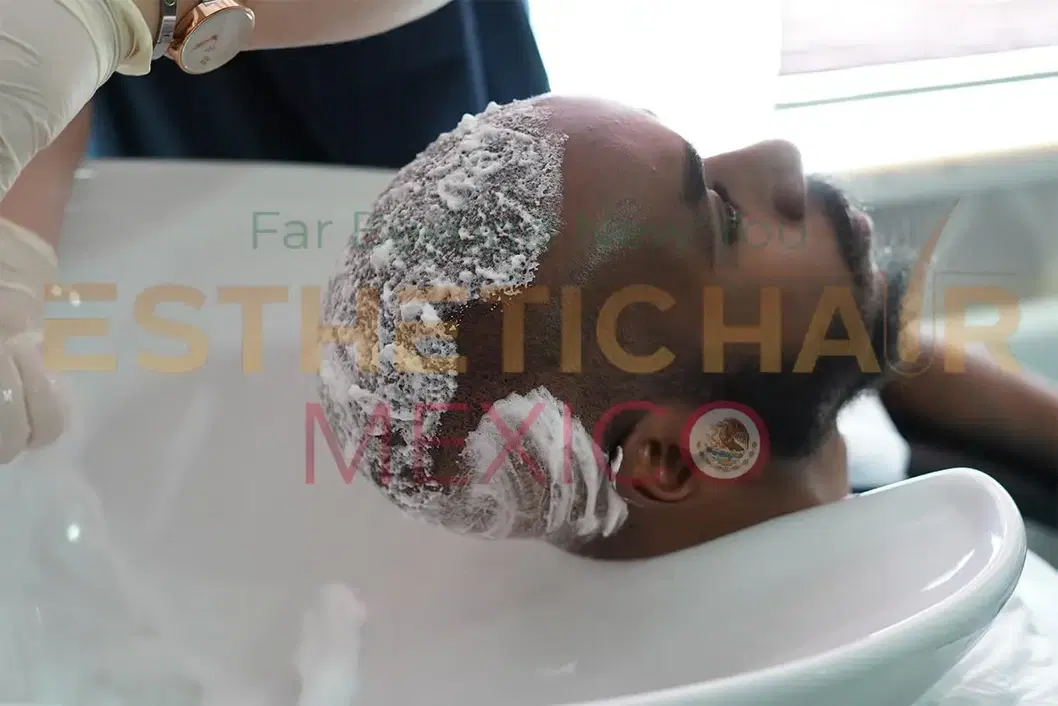
How Should You Prepare for the First Hair Wash?
You should prepare approved products, lukewarm water, clean towels, and a calm washing environment.
Keep every required product within easy reach before starting the process. This preparation prevents sudden movements while your scalp remains sensitive. You should also remove rings or accessories that could accidentally touch treated areas. Check the water temperature before applying anything to your scalp. The bathroom should remain clean, comfortable, and free from unnecessary distractions. If someone assists you, explain the clinic’s instructions clearly beforehand. Organized preparation helps you complete each step slowly and protects the grafts from avoidable contact.
Which Shampoo Should You Use After a Hair Transplant?
You should use only the gentle shampoo approved by your hair transplant medical team.
The recommended product should cleanse without creating unnecessary dryness, fragrance irritation, or strong chemical exposure. Regular shampoos may contain ingredients unsuitable for recently treated scalp areas. Therefore, you should avoid switching products without clinic approval. Medicated or anti-dandruff shampoos may also require temporary restriction. Apply the approved shampoo using the technique provided during your aftercare consultation. Esthetic Hair Mexico will explain which product suits your recovery stage and when your normal shampoo can return.
What Water Temperature Is Best After Hair Transplantation?
Lukewarm water is best because very hot or cold water can irritate your healing scalp.
Hot water may increase redness, sensitivity, and discomfort within recipient or donor areas. Very cold water may also feel unpleasant against tender skin. Therefore, test the temperature with your hand before rinsing your scalp. The water should feel comfortable rather than noticeably warm. Keep the temperature consistent throughout the washing process. Sudden changes can make the experience uncomfortable and difficult to control. Gentle lukewarm water supports careful cleansing while helping your scalp remain calm during early recovery.
How Should You Apply Shampoo to the Recipient Area?
You should apply shampoo gently without rubbing, scratching, or pressing the implanted grafts.
Create a soft foam in your hands before bringing the product near your scalp. Then place the foam carefully across the recipient area using light contact. Avoid circular massage movements during the earliest recovery stage. Your fingernails should never touch the treated skin. Allow the product to sit for the recommended period before rinsing. This method cleans the area while limiting unnecessary movement around grafts. Follow the exact technique provided by Esthetic Hair Mexico throughout your initial washing schedule.
How Should You Wash the Donor Area?
You should clean the donor area gently while avoiding aggressive rubbing and scratching.
The donor region may tolerate slightly different contact than the recipient area. However, tenderness, scabs, and small extraction points can remain during early healing. Apply the approved shampoo carefully and follow the clinic’s recommended pressure. Avoid using fingernails when itching develops. Gentle fingertip contact may become suitable after your medical team gives approval. Rinse the area slowly and inspect it without pulling nearby hair. Proper donor care supports cleanliness while reducing irritation during recovery.
How Should You Rinse Your Scalp After Transplantation?
You should rinse your scalp with gentle water flow that does not strike the grafts directly.
Strong shower pressure can disturb sensitive areas during the earliest recovery period. Therefore, use a cup, low-pressure spray, or approved rinsing method when instructed. Let water move slowly across the scalp instead of hitting one point forcefully. Make sure all shampoo residue leaves the recipient and donor areas. Remaining product may increase dryness or irritation. Keep your movements controlled throughout the process. Gentle rinsing supports effective cleaning while protecting newly implanted follicles from unnecessary pressure.
Can You Use a Showerhead After a Hair Transplant?
You can use a showerhead only when the water pressure and timing match your clinic’s instructions.
Direct high-pressure water should not hit the transplanted area during early healing. Some patients begin with a cup or low-pressure rinsing method instead. Later, a gentle shower setting may become suitable as grafts stabilize. Keep the showerhead at a safe distance and avoid focused streams. You should also control the water temperature carefully. Esthetic Hair Mexico will explain when direct shower use becomes appropriate. Following that timeline helps protect your scalp while gradually restoring your normal washing routine.
How Should You Dry Your Hair After Washing?
You should dry your hair without rubbing the scalp or dragging fabric across treated areas.
Allow excess water to drain naturally after rinsing. You may gently pat surrounding areas with a clean, soft towel when approved. However, the towel should not press directly against sensitive grafts. Air drying often provides the safest option during early recovery. Avoid vigorous shaking, brushing, or towel wrapping. A hairdryer may also require temporary restriction because heat and airflow can irritate the scalp. Your clinic will explain when normal drying methods can safely return.
How Often Should You Wash Your Hair After Transplantation?
You should wash your hair according to the daily schedule provided by your medical team.
Regular gentle washing helps remove residue while gradually softening developing scabs. However, excessive washing can irritate sensitive skin and increase dryness. Skipping washes may also allow crusts and oil to accumulate. Therefore, follow the recommended frequency rather than changing the routine independently. Your schedule may become less restrictive as healing progresses. Esthetic Hair Mexico will adjust washing guidance according to graft stability, scalp condition, and recovery progress. Consistency supports cleanliness and helps each stage proceed predictably.
How Should You Manage Scabs During Hair Washing?
You should soften scabs gradually and never remove them forcefully during early washing.
Scabs form naturally around implantation and extraction points while your scalp heals. Gentle shampooing and rinsing help them loosen over several days. Picking, scratching, or scraping can irritate the skin and disturb healing follicles. Your medical team may later approve controlled massage after grafts become secure. Follow that timing carefully because premature pressure can create avoidable problems. Contact Esthetic Hair Mexico when scabs remain unusually persistent or appear with increasing redness, discharge, or pain.
What Should You Do About Itching While Washing?
You should manage itching without scratching, rubbing, or using unapproved products.
Mild itching often develops as the scalp heals and scabs begin loosening. During washing, use gentle water and the recommended shampoo to reduce surface irritation. Do not use your fingernails, even when the sensation becomes uncomfortable. Scratching can damage healing skin and disturb sensitive grafts. Your clinic may suggest an approved product when itching becomes persistent. Contact the medical team when itching appears with rash, swelling, discharge, or severe redness. Controlled care helps protect recovery while easing temporary discomfort.
Can You Massage Your Scalp After a Hair Transplant?
You should massage your scalp only after your medical team confirms that the grafts are secure.
Early massage can create pressure and movement around newly implanted follicles. Therefore, avoid circular rubbing during the first washing stage. Later, gentle massage may help loosen remaining scabs and improve scalp cleansing. Your clinic will explain the correct timing, pressure, and treated areas. Use only your fingertips and keep your fingernails away from the skin. Stop immediately when pain, bleeding, or unusual tenderness develops. Following the approved timeline protects grafts while helping your washing routine return gradually.
Which Hair Washing Mistakes Should You Avoid?
You should avoid hot water, strong pressure, scratching, rubbing, harsh products, and aggressive drying.
Each mistake can irritate healing areas or place unnecessary force around sensitive grafts. You should also avoid washing earlier than your clinic recommends. Applying shampoo directly from the bottle may create concentrated pressure in one area. Towel rubbing and high-heat drying can also increase discomfort. Therefore, complete every step slowly and use only approved products. Keep your movements consistent with the aftercare instructions. Avoiding these common errors supports safer cleansing and a more comfortable recovery process.
When Can You Use Regular Hair Products Again?
You should use regular hair products only after your scalp has healed and your clinic provides approval.
Gels, sprays, waxes, oils, fibers, and dry shampoos may irritate treated areas. These products can also leave residue around healing follicles and developing scabs. Hair dye, bleach, and chemical treatments require additional caution because they contain stronger ingredients. Therefore, do not restart your usual routine based on appearance alone. Your scalp may still remain sensitive after redness decreases. Esthetic Hair Mexico will explain when each product category can return safely according to your individual healing progress.
When Can You Return to Normal Hair Washing?
You can return to normal hair washing gradually after grafts stabilize and visible healing signs improve.
The transition should follow your medical team’s timeline rather than a fixed date. Water pressure, fingertip contact, shampoo type, and drying methods may change in separate stages. You should continue gentle care while tenderness, redness, or scabs remain. As healing progresses, normal showering and light scalp massage may become appropriate. However, aggressive scratching should always be avoided. Esthetic Hair Mexico will confirm when your regular washing routine can resume without special restrictions.
When Should You Contact Esthetic Hair Mexico About Washing?
You should contact Esthetic Hair Mexico when washing causes unusual pain, bleeding, discharge, swelling, or worsening redness.
Mild tenderness can occur during early recovery, but symptoms should generally improve over time. Persistent bleeding or severe discomfort requires professional guidance before your next wash. You should also report unpleasant odors, increasing warmth, or spreading irritation. Contact the clinic when you accidentally apply strong pressure or disturb a visible graft. Photographs may help the medical team review the affected area remotely. Early communication allows your aftercare plan to be adjusted before avoidable irritation becomes more serious.