Who Is Suitable for a Beard Transplant in Mexico?
Suitable candidates have sparse facial hair, adequate donor follicles, healthy skin, and realistic expectations about achievable density.
Your donor area must provide enough strong follicles for the planned beard design. The medical team also examines your facial skin, existing growth, and hair characteristics. Men with patchy beards, uneven density, or limited facial hair may consider treatment. Beard transplantation can also restore selected areas affected by stable scarring. However, active skin conditions may require treatment before the procedure. A personalized assessment determines whether your donor quality supports the desired shape and coverage without causing noticeable thinning elsewhere.
Which Beard Areas Can Be Treated?
A beard transplant can treat the cheeks, jawline, chin, mustache, goatee, and sideburn areas.
Your treatment may focus on one isolated region or several connected facial zones. Sparse cheek growth can receive additional follicles for more balanced coverage. A weak jawline can also appear more defined through carefully planned graft placement. Mustache and goatee areas require precise direction because visible growth patterns change within small spaces. Sideburn restoration should connect naturally with both scalp hair and beard growth. Therefore, each area needs an individual implantation plan that supports consistent density and smooth transitions across your face.
Which Techniques Are Used for Beard Transplantation?
Beard transplantation commonly uses FUE or DHI techniques for individual extraction and controlled facial hair placement.
FUE removes follicular units separately from your donor area using a small surgical instrument. The medical team then creates recipient openings before implanting the prepared grafts. DHI uses an implanter pen to place follicles with controlled depth and direction. Both approaches can support natural facial hair growth when planning remains accurate. The most suitable technique depends on your graft count, beard design, and donor characteristics. Your specialist should select the method that supports precise placement while protecting surrounding skin and existing facial hair.
Where Does Donor Hair for a Beard Transplant Come From?
Donor hair for a beard transplant usually comes from the back or sides of your scalp.
These areas often contain follicles with suitable strength and long-term growth potential. The medical team selects grafts that resemble the thickness of your natural facial hair. Single-hair follicles may be preferred around visible beard borders and mustache edges. Multi-hair grafts can support density within central areas when appropriate. Careful selection helps create natural transitions between implanted and existing beard hair. Your donor supply also determines the possible coverage, because excessive extraction could create visible thinning within the scalp donor area.
How Many Grafts Are Needed for a Beard Transplant?
A beard transplant usually requires a personalized graft count based on the treated area, existing growth, and desired density.
Small gaps may need fewer grafts than complete cheek or jawline restoration. A mustache, goatee, or sideburn treatment also requires a different distribution pattern. Your specialist measures each recipient zone before estimating the necessary follicle number. Existing facial hair can reduce graft requirements because transplanted follicles only fill selected spaces. However, dense designs usually require more grafts and longer operating time. Your available donor supply must support the plan without creating excessive scalp thinning. Therefore, the final graft count follows both aesthetic goals and donor limitations.
Can a Beard Transplant Create a Natural-Looking Result?
A beard transplant can look natural when follicles match your existing growth angle, direction, thickness, and distribution.
Facial hair grows differently across the cheeks, jawline, chin, and mustache. Your specialist must adjust implantation angles for each zone rather than using one uniform pattern. Single-hair grafts help create softer outlines along visible beard borders. Denser grafts can then strengthen central areas without producing an artificial appearance. The beard design should also complement your facial shape and existing hair. When these details remain coordinated, transplanted follicles can blend naturally as growth develops and surrounding hairs become longer.
How Is the Beard Shape Designed?
The beard shape is designed around your facial proportions, existing growth, preferred style, and available donor follicles.
Your medical team first reviews your cheeks, jawline, chin, mustache, and sideburn connections. The proposed borders should follow natural facial contours rather than creating rigid or excessively sharp lines. Existing beard hair also guides density and direction throughout the planned zones. You can discuss whether you prefer fuller coverage, stronger definition, or selective patch correction. However, the design must remain achievable with your donor supply. A balanced plan supports natural proportions while allowing future trimming and styling after the transplanted hair matures.
How Long Does a Beard Transplant Take?
A beard transplant usually takes several hours, depending on graft numbers, treated zones, and implantation complexity.
Smaller procedures may finish sooner because fewer follicles require extraction and placement. Full beard restoration generally takes longer due to detailed design and extensive graft distribution. Your treatment begins with facial marking and donor area preparation. Follicle extraction then proceeds carefully to protect each selected graft. Implantation may require additional time because facial hair directions change across different areas. Regular breaks can support your comfort during the session. Your estimated duration becomes clearer after the final beard design and graft count are confirmed.
How Long Is Recovery After a Beard Transplant?
Most patients resume light daily activities within several days after a beard transplant in Mexico.
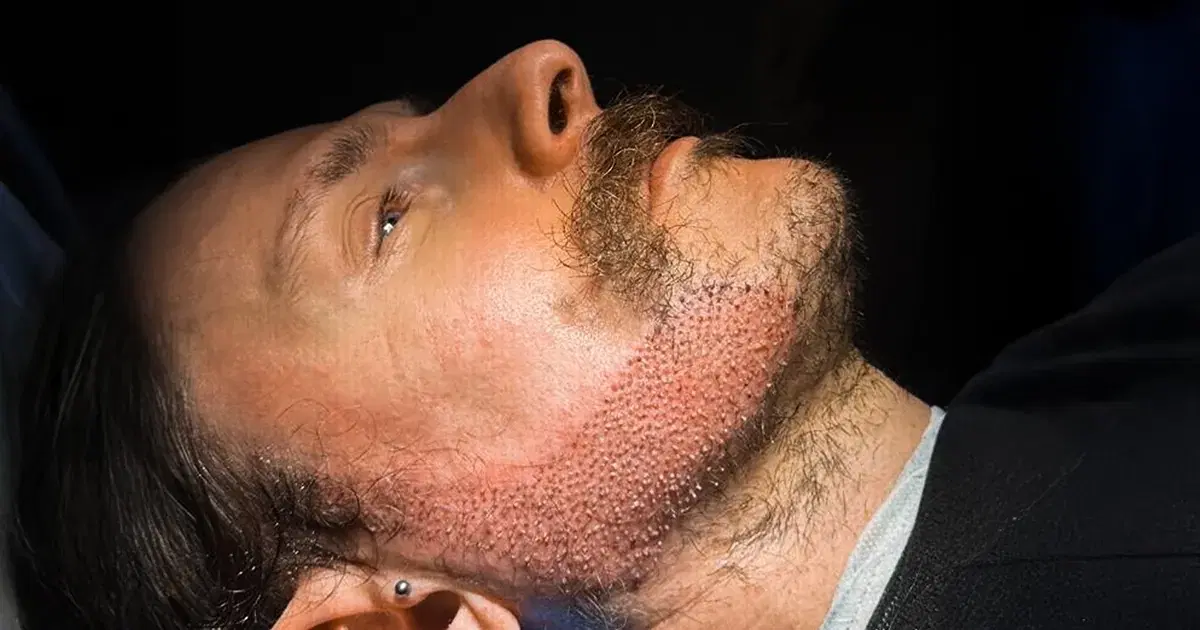
Temporary redness, swelling, tenderness, and small scabs may appear across treated facial areas. These effects usually decrease gradually as your skin heals and implanted follicles settle. The donor region also recovers as small extraction points begin closing. You should avoid rubbing, scratching, or pressing the transplanted beard during early healing. Following the recommended washing routine helps maintain cleanliness without disturbing grafts. Visible treatment signs may remain briefly, although their appearance usually improves as scabs separate naturally and facial redness declines.
How Should You Care for Your Beard After Transplantation?
You should protect the transplanted beard, follow washing instructions, and avoid unnecessary pressure during early recovery.
Your medical team will explain when and how the facial area should be cleaned. Gentle application prevents sudden movement around newly implanted follicles. You should avoid scratching scabs because premature removal can irritate healing skin. Direct sunlight, heavy sweating, and intense exercise may also require temporary limitation. Sleeping with your head elevated can support comfort when swelling appears. As recovery progresses, normal cleansing and grooming can resume gradually. Following each aftercare step helps the grafts remain secure during their most sensitive healing period.
When Do Beard Transplant Results Become Visible?
Beard transplant results usually become noticeable after several months and continue improving throughout the first year.
Temporary shedding often occurs after the implanted facial hairs complete their initial growth phase. This expected stage does not mean the transplanted follicles have been lost. New strands then begin appearing gradually as follicles enter active growth. Early hairs may look thin, light, or uneven before gaining greater strength. Density improves as additional follicles produce visible facial hair. Your individual timeline depends on healing, hair characteristics, and natural growth speed. Regular trimming can help maintain a balanced appearance while the beard continues developing.
Are Beard Transplant Results Permanent?
Beard transplant results are generally long lasting because the implanted follicles retain their donor-area growth characteristics.
Once established, transplanted follicles continue producing hair through their natural growth cycles. The new beard can usually be trimmed, shaped, and maintained like existing facial hair. However, individual hair quality and long-term appearance can vary between patients. Proper graft handling and secure implantation influence successful follicle growth. Your donor characteristics also affect strand thickness and overall density. Although transplanted hairs remain durable, surrounding natural facial hair may change over time. Therefore, realistic planning should consider both current growth and future appearance.
Does a Beard Transplant Leave Scars?
A beard transplant usually leaves tiny scattered extraction marks rather than one long donor-area scar.
Individual follicles are removed through small openings within the scalp donor region. These marks generally become less noticeable as healing continues and surrounding hair grows. The facial recipient area may show temporary redness and small scabs during early recovery. These visible signs usually fade as the skin heals and implanted follicles settle. However, every surgical procedure can create some degree of tissue change. Extraction size, skin characteristics, and healing response influence final visibility. Careful donor distribution helps reduce concentrated thinning and noticeable marking.
Is a Beard Transplant in Mexico Safe?
A beard transplant in Mexico is generally safe when qualified professionals follow appropriate medical and hygiene standards.
Your treatment should begin with a review of your health history, skin condition, and donor capacity. This assessment helps identify factors that could affect healing or procedure suitability. Sterile conditions support safety during follicle extraction and facial implantation. Controlled graft handling also protects follicles while reducing unnecessary tissue irritation. Clear postoperative instructions help you manage swelling, scabbing, and facial sensitivity. Choosing an experienced medical team remains important because beard transplantation requires precise placement across visible and directionally complex facial areas.
How Much Does a Beard Transplant in Mexico Cost?
Beard transplant costs in Mexico depend on graft numbers, treated areas, technique, complexity, and included services.
Small patch corrections usually require fewer follicles than full beard reconstruction. Extensive cheek, jawline, and mustache coverage can increase operating time and graft requirements. The selected implantation technique may also influence staffing, equipment, and procedure duration. Some treatment packages include consultation, medication, transfers, accommodation, or postoperative support. You should review included services before comparing different prices. A personalized facial assessment provides the clearest estimate because every beard pattern, donor area, and desired density requires an individual treatment plan.
Why Choose Mexico for a Beard Transplant?
Mexico offers beard transplantation with modern techniques, international patient services, and personalized facial hair planning.
Many clinics organize consultations, procedure schedules, local transfers, and postoperative guidance for visiting patients. However, convenience should support rather than replace medical quality and careful planning. Your clinic should explain the proposed beard design, graft count, donor strategy, and recovery process clearly. The medical team should also show how implantation direction changes across different facial zones. Esthetic Hair Mexico can prepare a treatment plan based on your donor characteristics, existing beard growth, and preferred facial hair style.