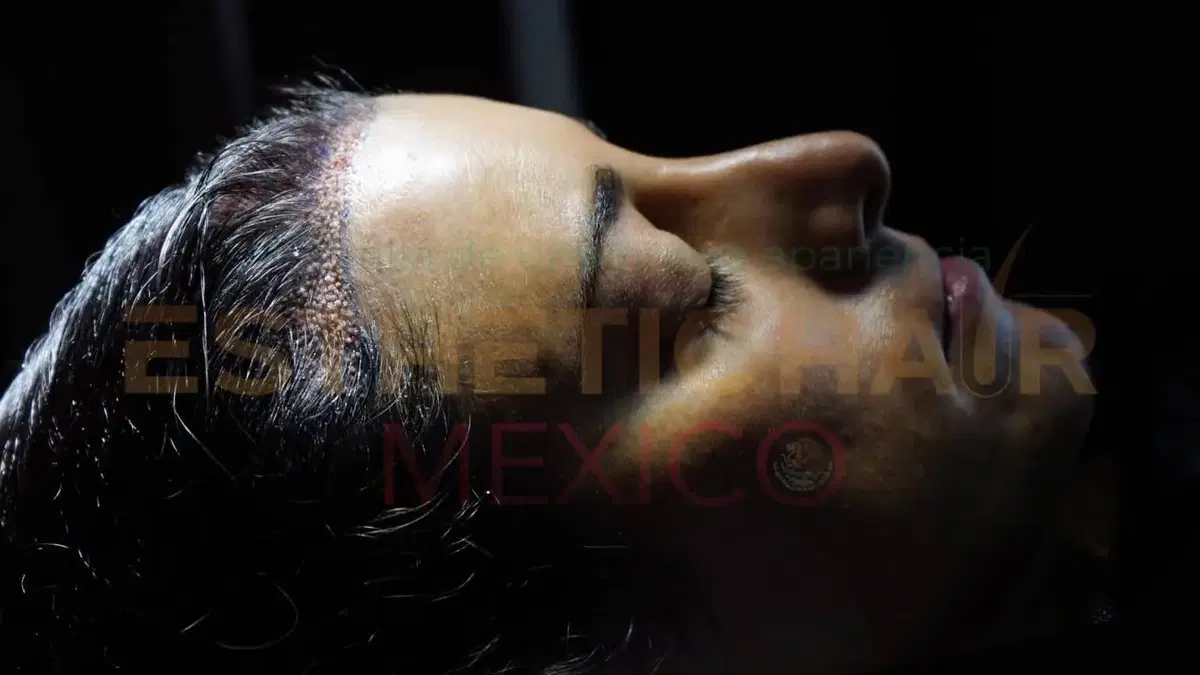
What Hair Loss Types Can Female Hair Transplant Treat?
Female hair transplant can treat selected cases of hairline recession, localized thinning, traction loss, and scar-related hair loss.
The procedure works best when healthy donor follicles remain available for transplantation. Hairline changes may be corrected by placing grafts along carefully designed frontal zones. Localized thinning can also receive additional density when surrounding hair remains stable. Traction-related loss may improve after the damaging hairstyle or tension has stopped. Scarred areas can sometimes accept follicles, depending on tissue condition and blood supply. Therefore, your treatment options depend on the cause, location, and stability of hair loss.
Which Techniques Are Used for Female Hair Transplant in Mexico?
Female hair transplant in Mexico commonly uses FUE, Sapphire FUE, or DHI techniques for individualized follicle placement.
FUE removes follicles separately from the donor area using a small extraction instrument. Sapphire FUE follows similar extraction steps but uses sapphire blades for recipient channel creation. DHI places follicles with an implantation pen, allowing controlled depth, angle, and direction. The most suitable method depends on your hair loss pattern and desired density. Your donor strength and existing hair also influence technique selection. Therefore, the chosen approach should support precise placement while protecting nearby healthy follicles.
Can Female Hair Transplant Be Performed Without Shaving?
Female hair transplant can sometimes be performed without fully shaving the donor or recipient areas.
An unshaven approach may allow surrounding hair to conceal early signs of treatment. However, partial trimming might still be necessary for accurate follicle extraction and safe handling. The available option depends on your hair length, donor density, and required graft number. Larger procedures may need broader preparation because the medical team requires clear access. Your specialist should explain how much trimming supports effective treatment. Therefore, shaving decisions remain personalized rather than following one standard approach for every patient.
How Long Is Recovery After Female Hair Transplant?
Most patients resume light daily activities within several days after a female hair transplant in Mexico.
Temporary redness, swelling, tenderness, or small scabs may appear during early healing. These effects generally improve as your scalp recovers and implanted follicles settle. Gentle washing helps maintain cleanliness without applying unnecessary pressure to treated areas. You should also avoid rubbing, scratching, and direct sun exposure during initial recovery. Existing longer hair may help conceal visible redness or scabbing. Following your aftercare plan supports comfortable healing and protects the grafts during their most sensitive stage.
When Do Female Hair Transplant Results Become Visible?
Female hair transplant results usually become noticeable after several months and continue improving throughout the first year.
Temporary shedding often occurs before transplanted follicles begin producing permanent strands. This expected stage forms part of the natural growth cycle after transplantation. New hair then appears gradually, although early strands may look fine or uneven. Density improves as additional follicles enter active growth and existing strands become stronger. Your timeline may vary according to healing speed, hair texture, and individual growth patterns. Therefore, patience remains important while the transplanted areas develop fuller and more natural coverage.
Is Female Hair Transplant in Mexico Safe?
Female hair transplant in Mexico is generally safe when qualified professionals follow appropriate medical and hygiene standards.
A thorough consultation should review your medical history, hair loss cause, and scalp condition. This assessment helps identify factors that could affect healing or treatment suitability. During the procedure, sterile conditions and controlled graft handling support patient safety. Careful extraction also protects the donor area from unnecessary thinning or visible overharvesting. Structured postoperative guidance then reduces avoidable irritation during recovery. Therefore, choosing an experienced clinic remains important for a well-managed procedure and consistent aesthetic results.
How Much Does Female Hair Transplant in Mexico Cost?
Female hair transplant costs in Mexico depend on graft numbers, technique, treatment complexity, and included services.
Your required graft count usually influences the final price most directly. Hairline restoration may need detailed design, while broader thinning can require additional implantation work. The chosen technique can also affect pricing because each method involves different tools and preparation. Some treatment packages include consultations, medication, transfers, accommodation, or postoperative support. You should compare package details rather than reviewing the price alone. A personalized assessment provides the most accurate estimate for your specific hair restoration requirements.