

Afro hair
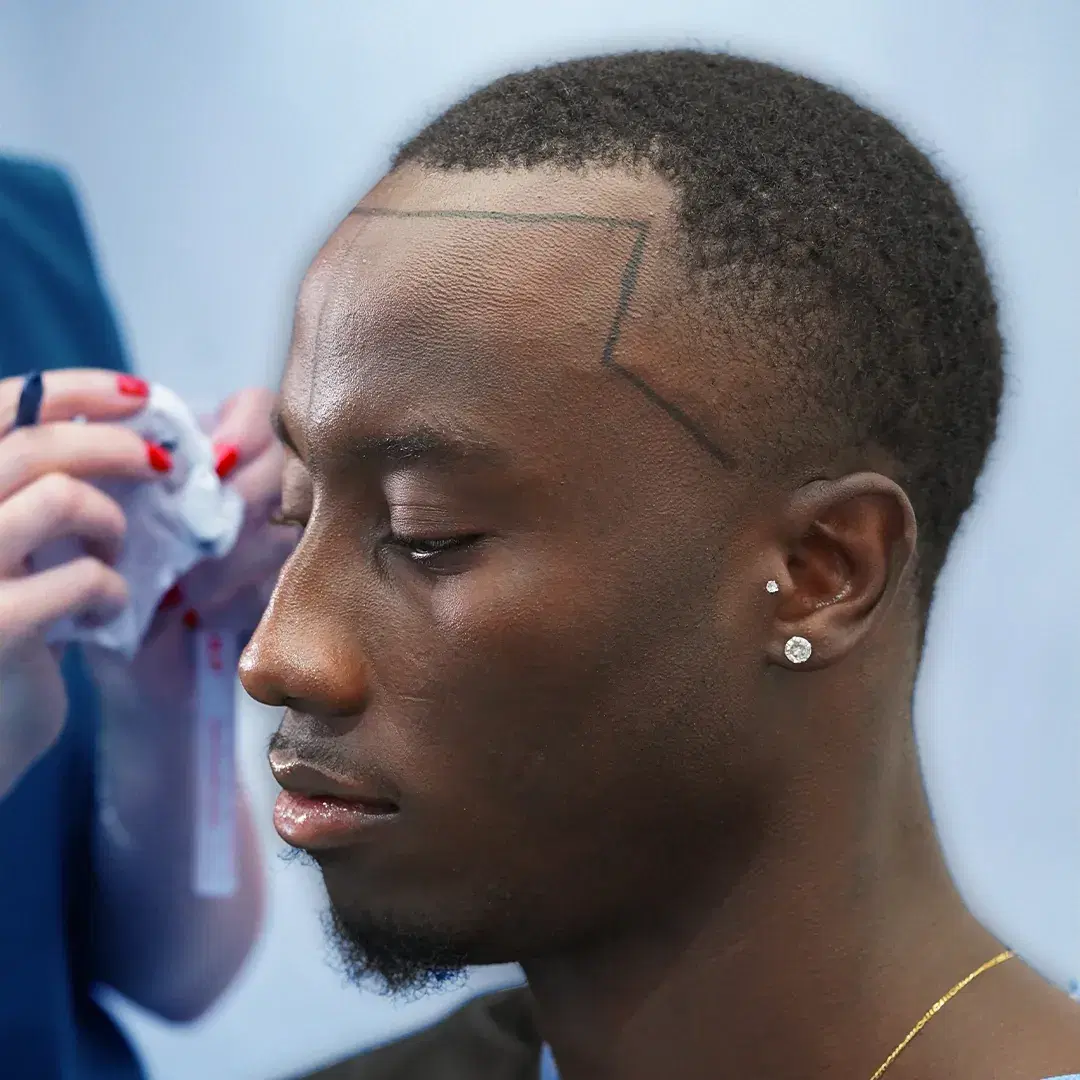
Afro hair transplant is a specialized procedure designed to address the unique characteristics of afro-textured or kinky hair. Men and women with curly, coiled strands often face challenges with hair loss and thinning. This method offers a tailored solution to restore natural volume, curl pattern, and texture with precision.
But an afro hair transplant is not just a cosmetic fix. It is a careful blend of science and artistry aimed at bringing back your natural curls exactly as they were meant to be. Because afro hair has tightly coiled strands and curved follicles, it needs special techniques and experienced hands to achieve natural, lasting results.

Causes
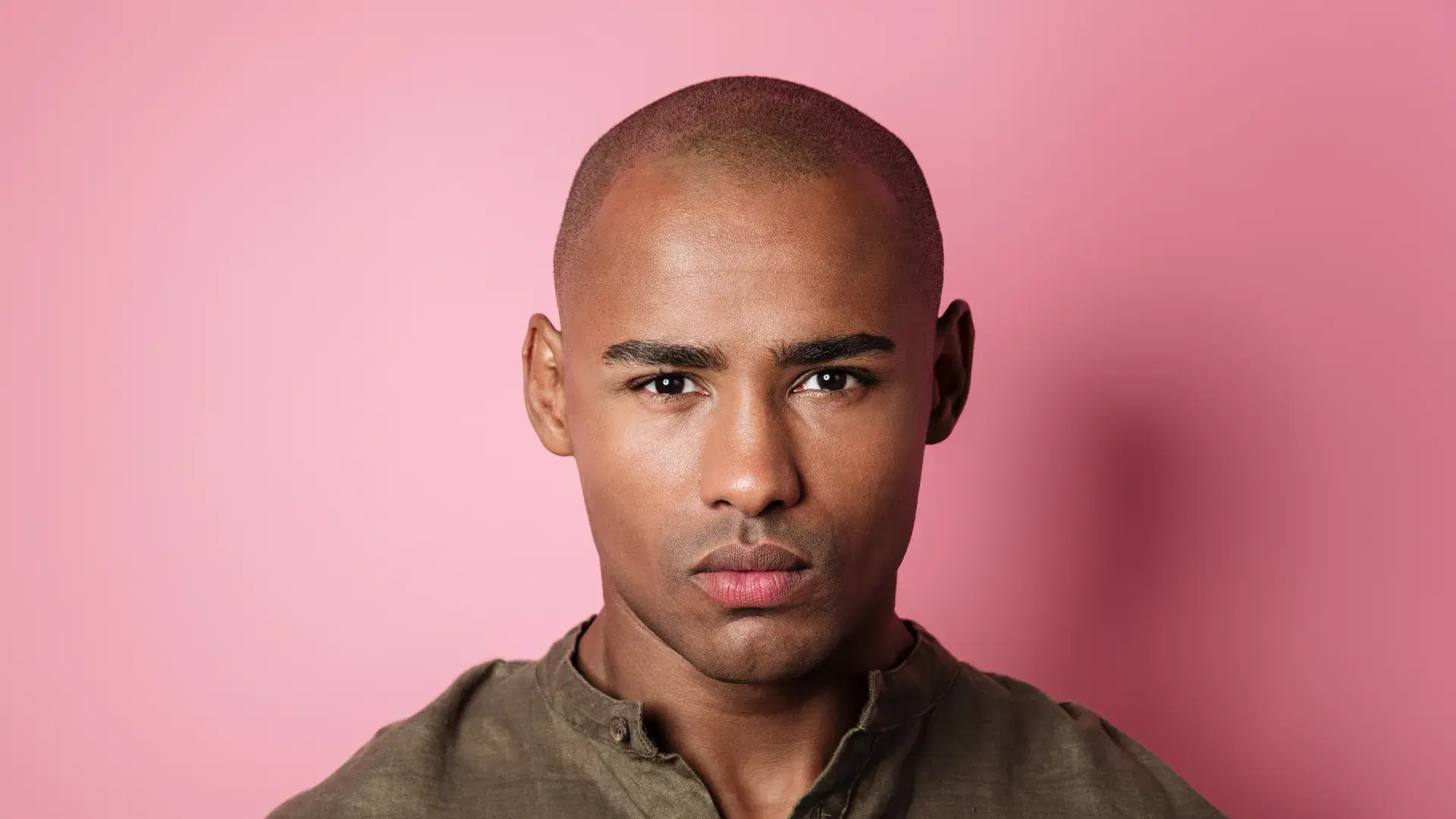
Afro textured hair has a unique structure that makes it both beautiful and more vulnerable to certain types of hair loss. The tightly coiled shape of the hair strand and the curved hair follicle create natural volume, but they can also increase fragility and sensitivity of the scalp. Understanding the causes of afro hair loss is essential for prevention and proper treatment planning.
One of the most common causes of hair loss in African hair types is traction alopecia. Tight braids, cornrows, weaves, dreadlocks, and frequent use of extensions can place continuous tension on the hair follicles. Over time, this pulling weakens the follicles, especially around the hairline and temples. If the tension continues for years, the damage can become permanent.
Relaxers, chemical straightening treatments, and frequent heat styling can weaken the hair shaft and irritate the scalp. Afro hair is naturally drier due to its curl pattern, which makes it more prone to breakage. Repeated chemical processing may lead to thinning, breakage, and in some cases, follicle damage.
CCCA is a type of scarring alopecia that is more commonly seen in women of African descent. It typically starts at the crown and gradually spreads outward. This condition damages the hair follicles permanently if not diagnosed early. Early medical intervention is crucial to slow progression.
Like all hair types, afro hair can also be affected by hereditary hair loss. Androgenetic alopecia may appear as thinning at the crown or gradual recession along the hairline. Genetics combined with styling habits can accelerate visible hair loss.
Scalp conditions such as seborrheic dermatitis, fungal infections, or chronic inflammation may also contribute to shedding. Since afro textured hair can make the scalp less visible, early signs of irritation or inflammation may sometimes go unnoticed.
Afro hair loss often results from a combination of mechanical stress, chemical exposure, genetics, and scalp health factors. Early evaluation and the right treatment approach are essential to protect existing follicles and determine whether medical therapy or hair transplant solutions are appropriate.
info
Afro-textured hair is beautiful and complex. Its coily pattern, curved follicles, and natural thickness make it more challenging to transplant compared to straight or wavy hair. That’s why this procedure requires both expertise and a tailored approach.
The roots of Afro hair are curly beneath the skin, not just above it. This makes graft extraction more delicate, as improper handling can damage follicles. Our specialists use fine-tuned DHI tools to ensure every curl is preserved from root to tip.
The aim is to restore density without altering your natural texture. Each follicle is placed in a way that keeps your curl pattern consistent, giving a natural, balanced look that matches your original style.

Method
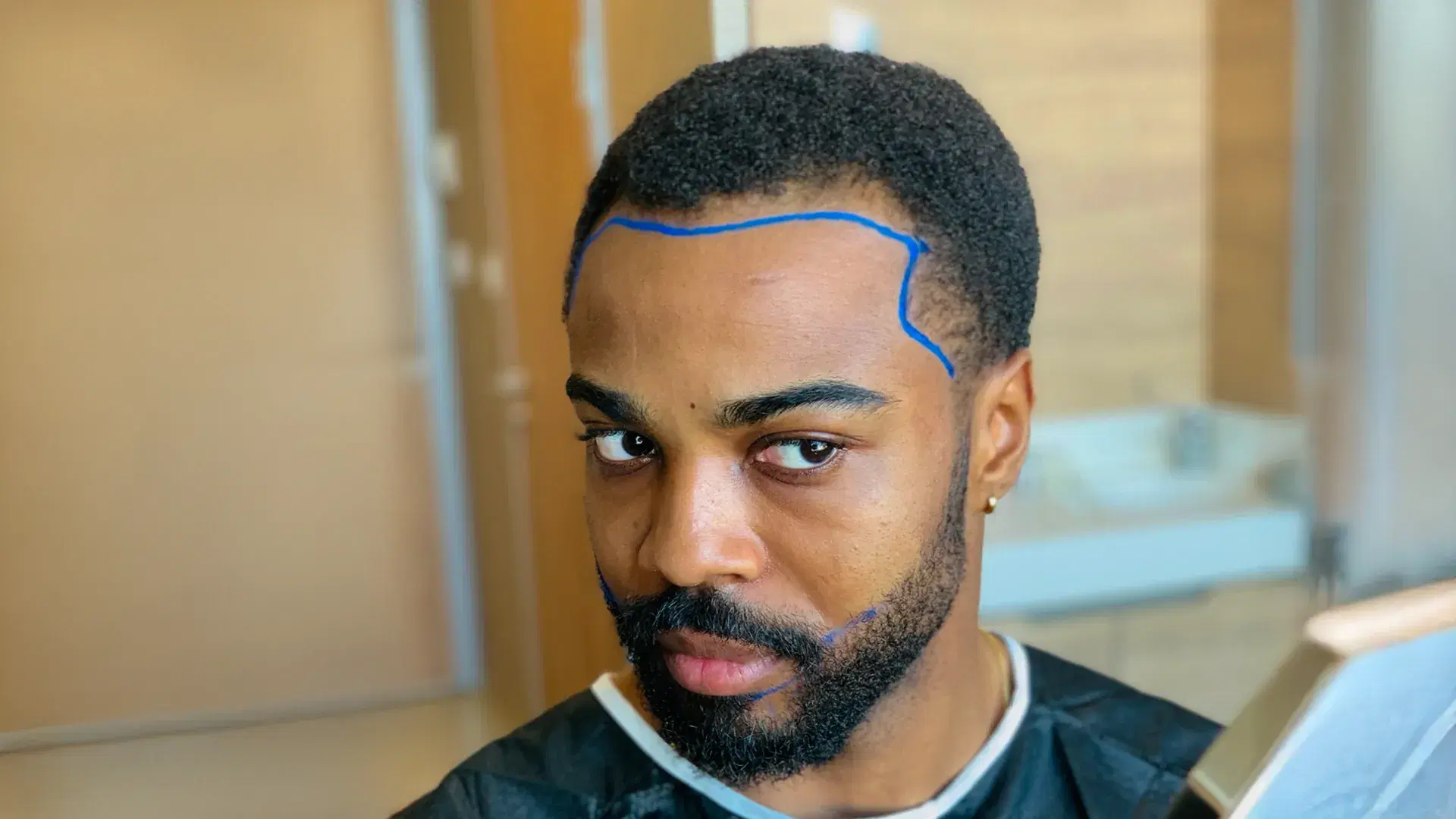
At Esthetic Hair, we rely exclusively on Direct Hair Implantation (DHI) which is one of the most advanced and accurate hair restoration techniques available today.
DHI uses a specialized implanter pen to extract and implant hair follicles directly into thinning areas. This process minimizes handling, reduces scarring, and gives the surgeon full control over depth, direction, and angle which is essential for maintaining natural curl flow.
Traditional techniques such as FUE can be riskier for Afro-textured hair because of the follicle’s curved shape. DHI allows for gentle extraction and precise implantation, protecting the integrity of each graft and preserving the curl.

Procedure
Afro hair transplant requires a specialized approach because curly follicles grow beneath the scalp at unique angles. The procedure is carefully planned to protect each graft and achieve natural density.
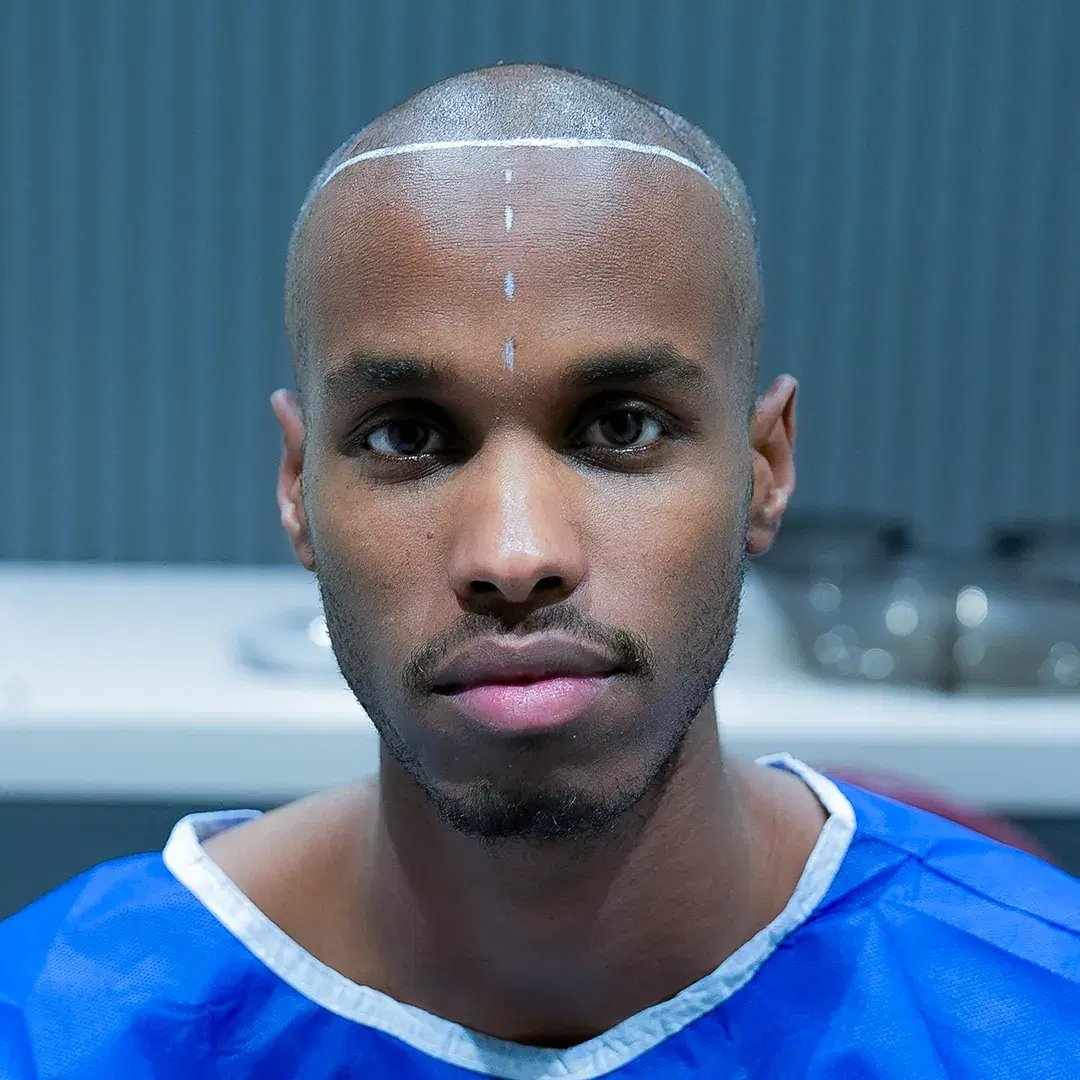
The process starts with a detailed scalp and hair analysis. The surgeon evaluates curl pattern, donor strength, and hair density to design a hairline that suits Afro-textured hair naturally. This step is critical, no copy-paste hairlines here.
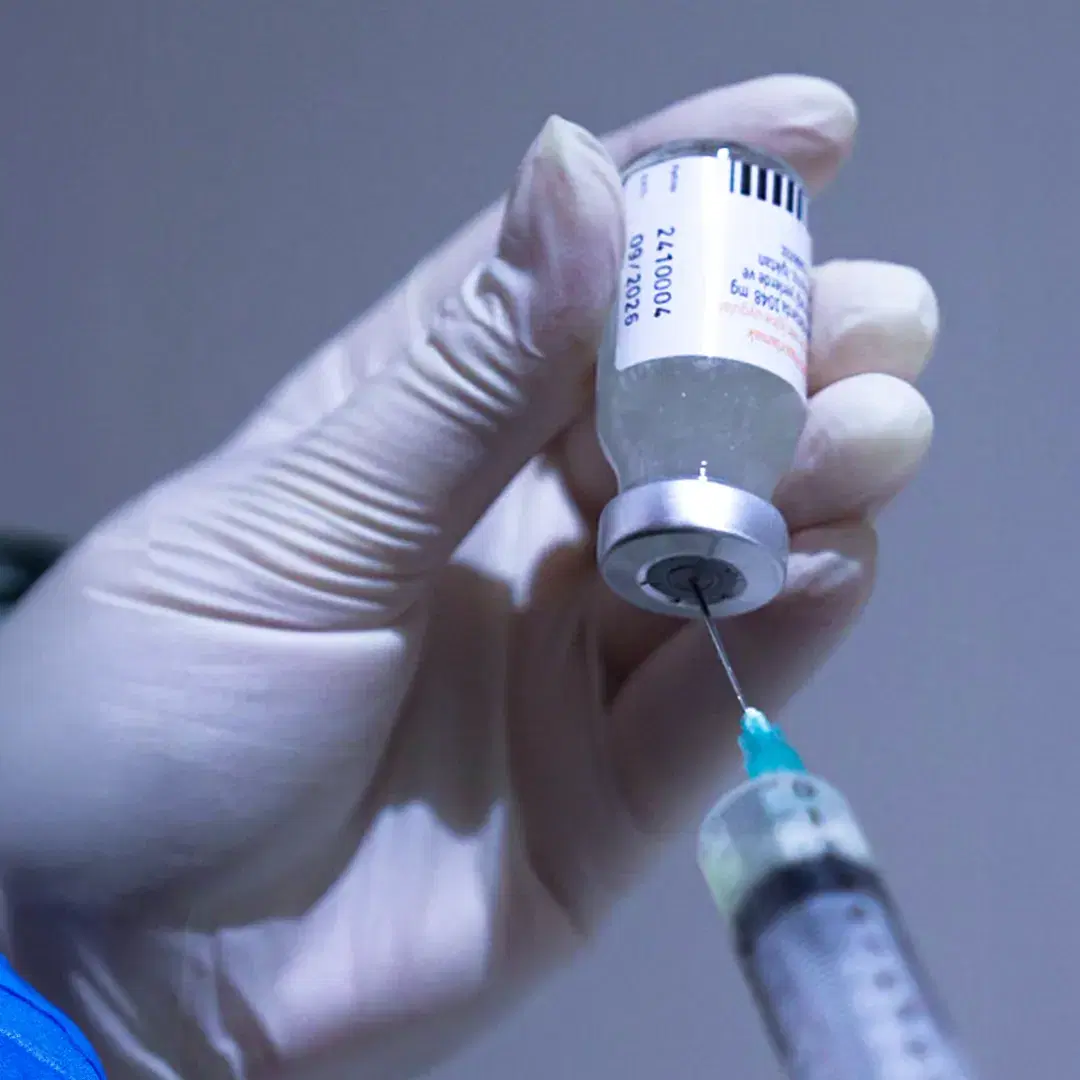
On the day of the procedure, the donor and recipient areas are prepared. Local anesthesia is applied, so you stay awake but feel no pain during the transplant.
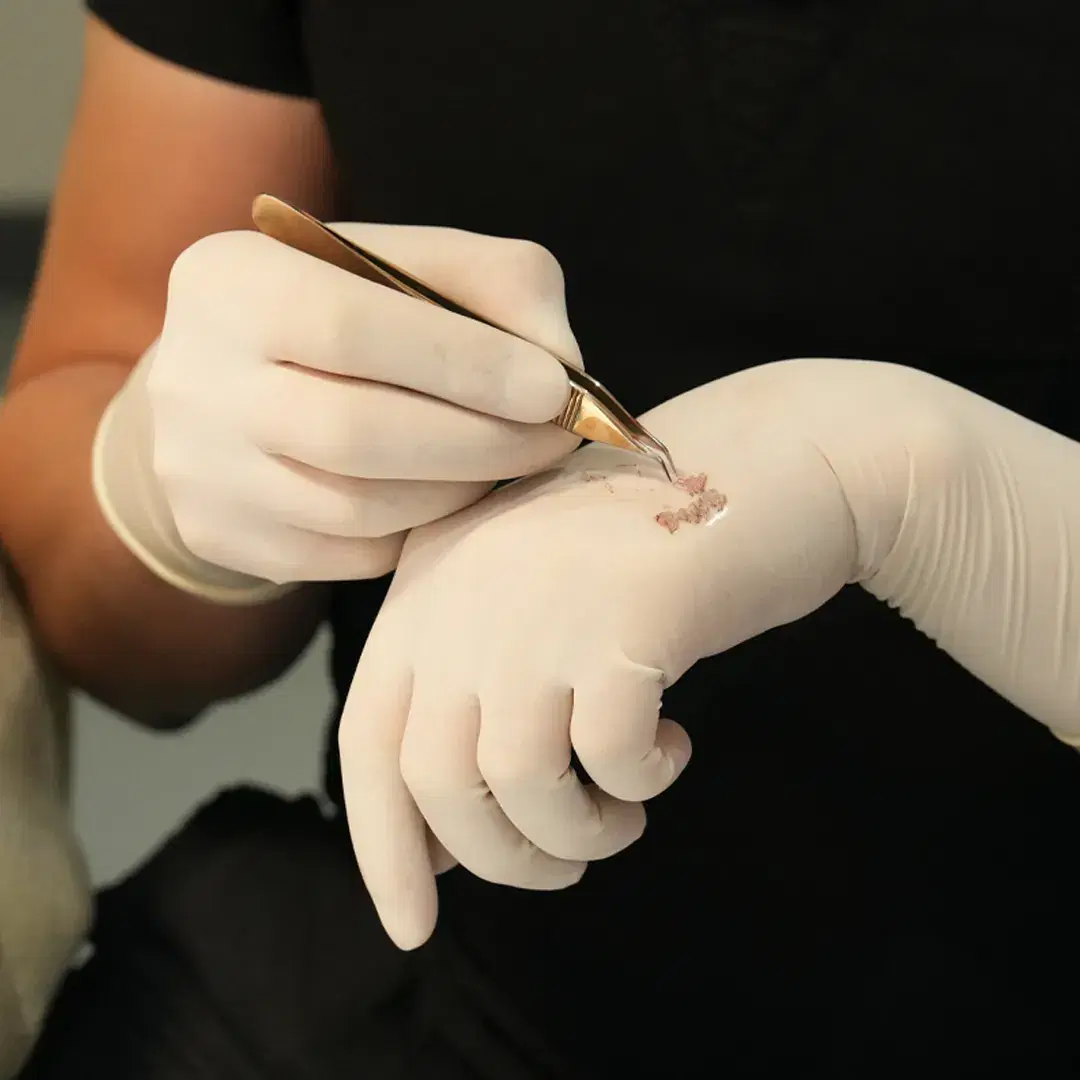
Hair follicles are extracted one by one from the donor area, usually the back of the scalp. Because Afro hair follicles are curved under the skin, extraction is done slowly and precisely to avoid graft damage.
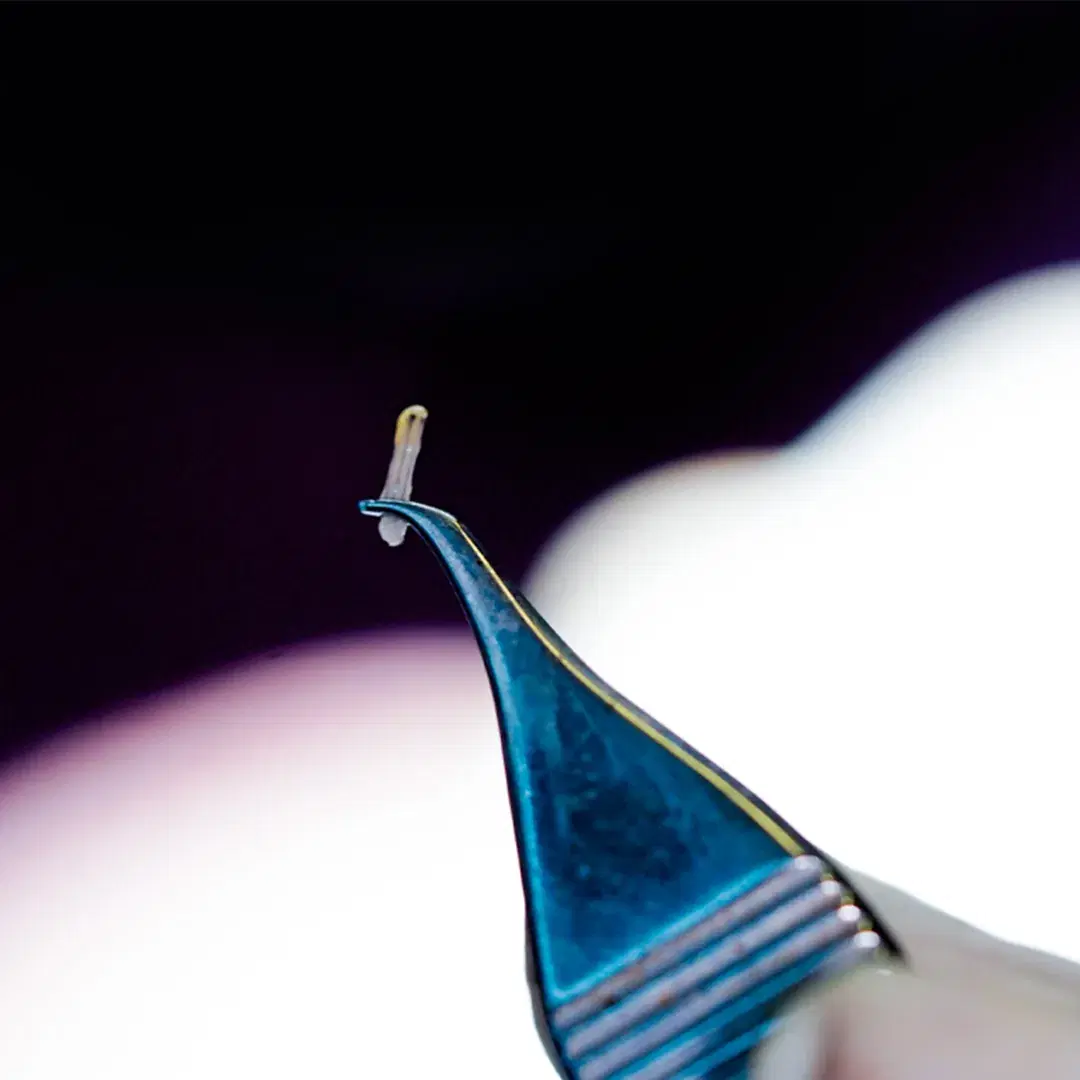
Each extracted follicle is carefully preserved to maintain its natural curl structure. Proper handling at this stage directly affects survival rate and final texture.
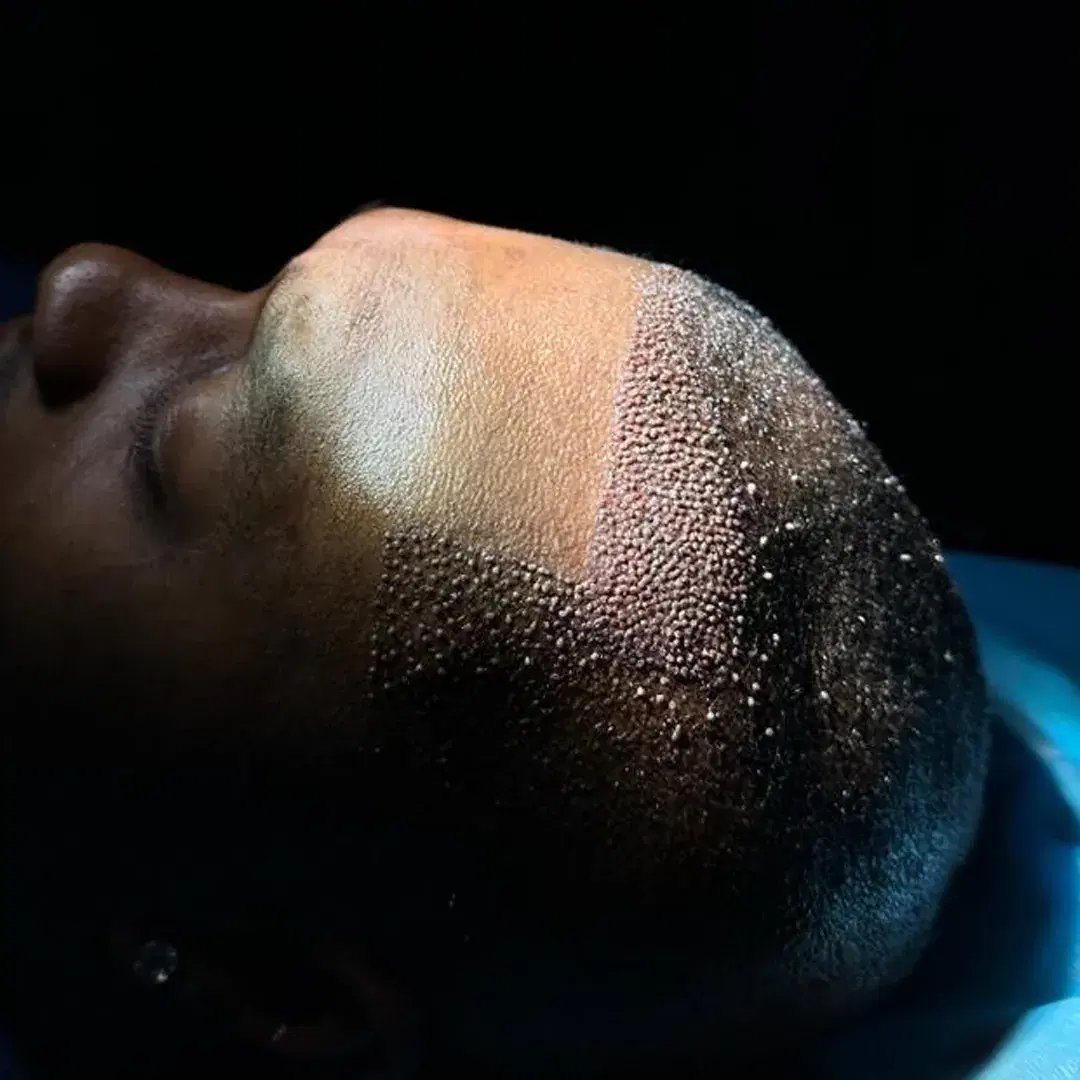
Using advanced implantation techniques, often DHI for maximum control, grafts are placed at the correct angle and depth. This ensures the transplanted hair grows with the same curl pattern and direction as your existing hair.
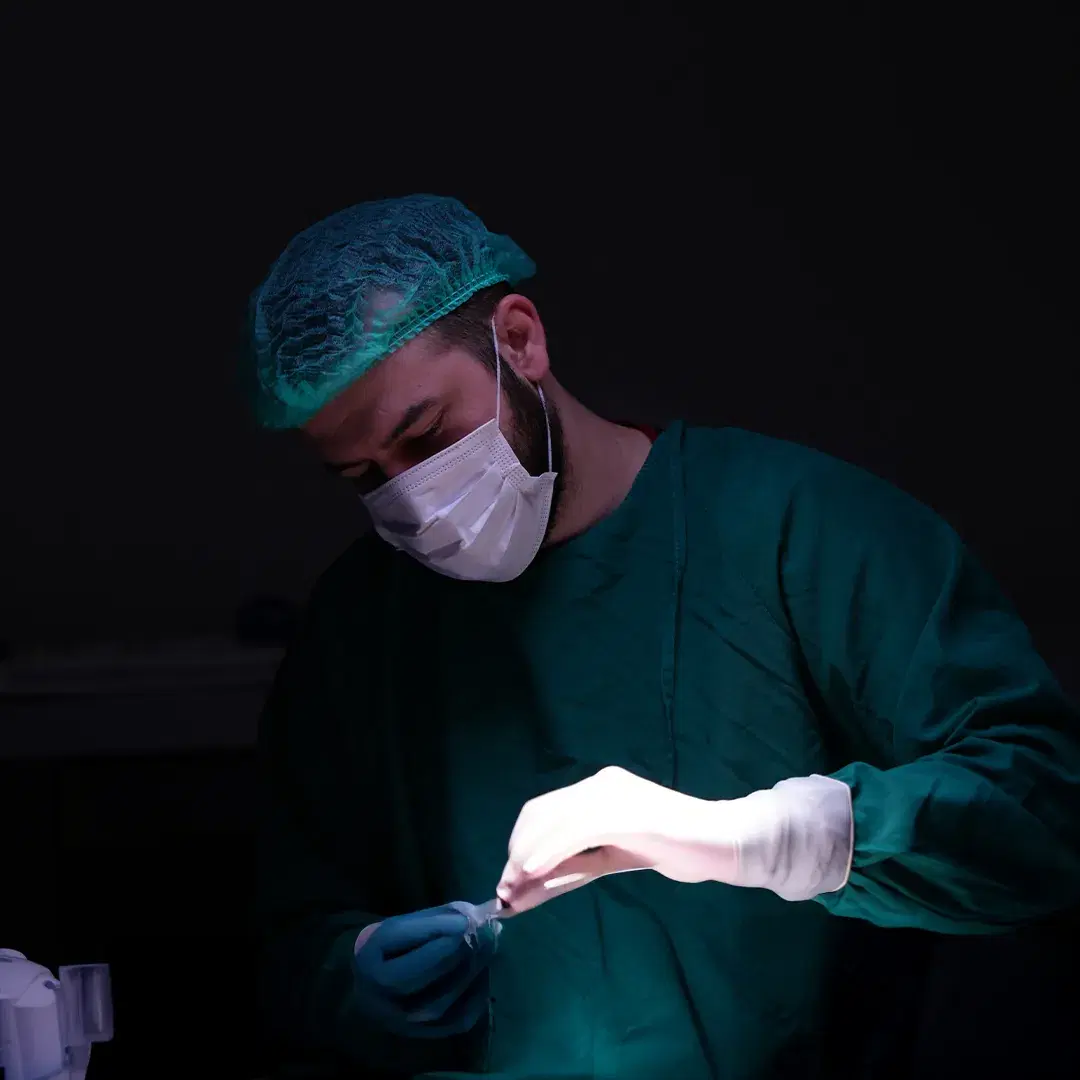
The transplant can take several hours depending on the number of grafts. You can rest, listen to music, and take breaks if needed. Most patients describe it as comfortable and relaxed.
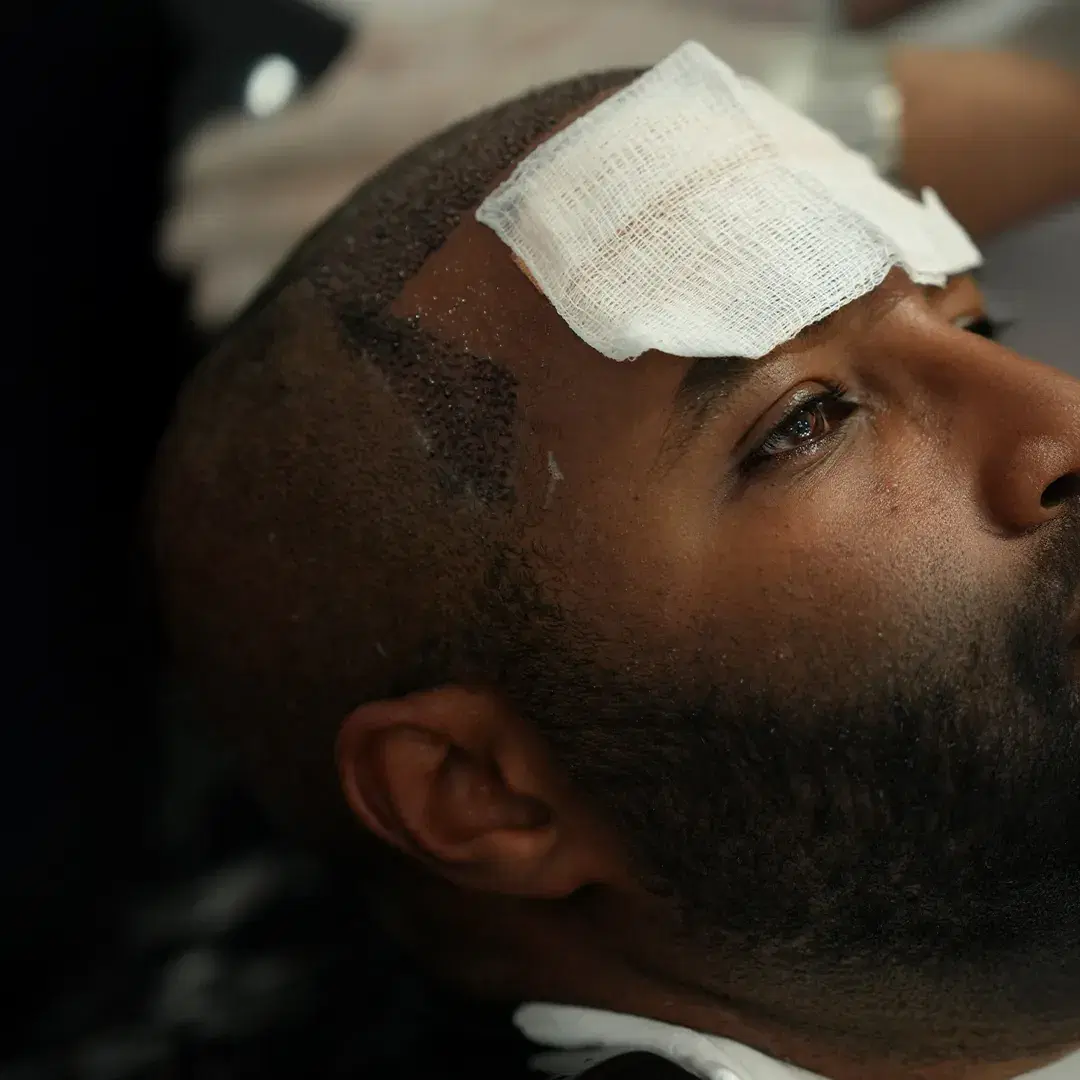
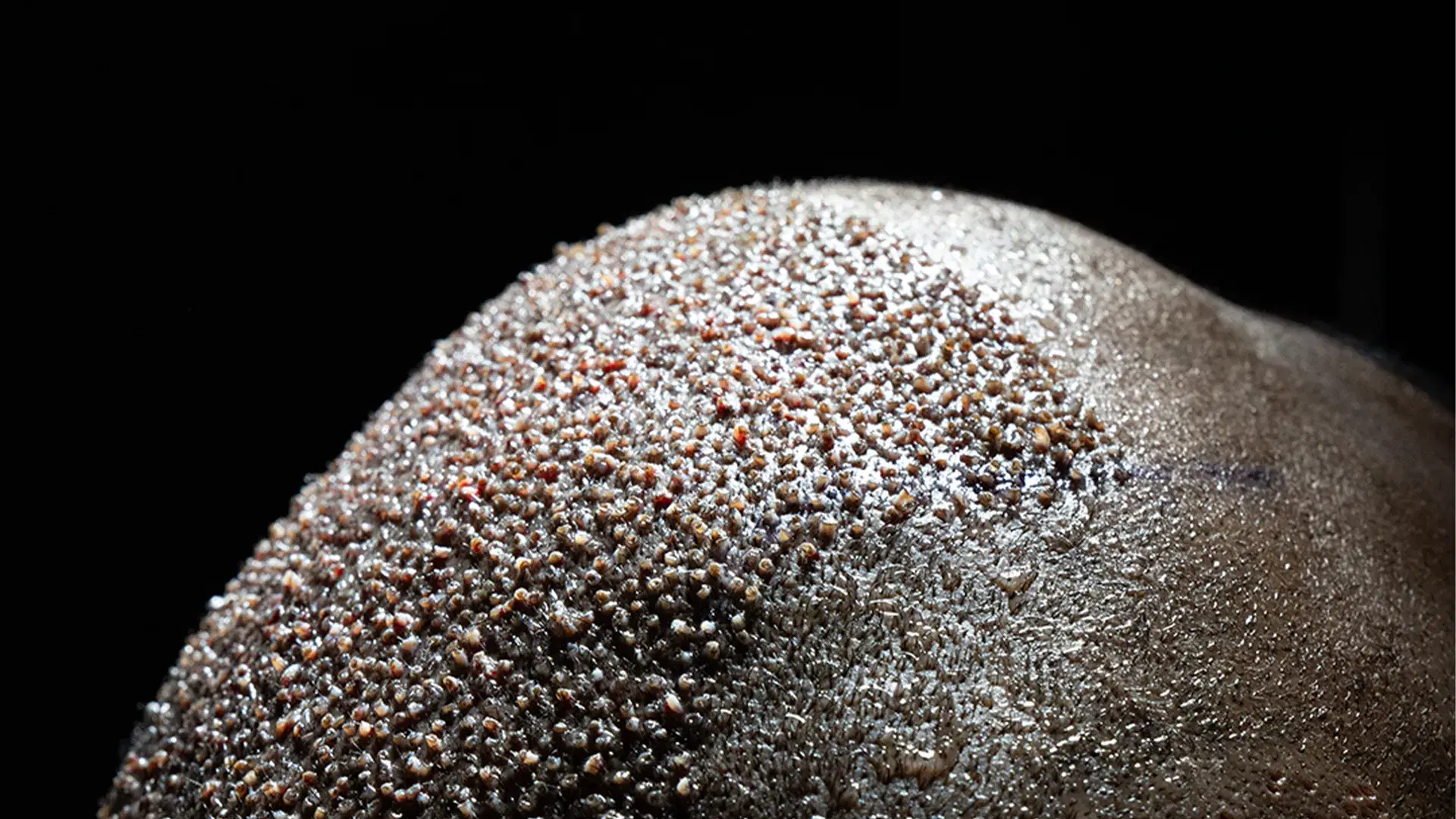
Once implantation is complete, the scalp is cleaned and checked. Mild redness is normal, but discomfort is minimal. You’ll receive clear aftercare instructions before leaving the clinic.

You can usually return to daily activities shortly after. The transplanted area is discreet, and healing begins quickly when proper aftercare is followed.
The process starts with a detailed scalp and hair analysis. The surgeon evaluates curl pattern, donor strength, and hair density to design a hairline that suits Afro-textured hair naturally. This step is critical, no copy-paste hairlines here.
On the day of the procedure, the donor and recipient areas are prepared. Local anesthesia is applied, so you stay awake but feel no pain during the transplant.
Hair follicles are extracted one by one from the donor area, usually the back of the scalp. Because Afro hair follicles are curved under the skin, extraction is done slowly and precisely to avoid graft damage.
Each extracted follicle is carefully preserved to maintain its natural curl structure. Proper handling at this stage directly affects survival rate and final texture.
Using advanced implantation techniques, often DHI for maximum control, grafts are placed at the correct angle and depth. This ensures the transplanted hair grows with the same curl pattern and direction as your existing hair.
The transplant can take several hours depending on the number of grafts. You can rest, listen to music, and take breaks if needed. Most patients describe it as comfortable and relaxed.
Once implantation is complete, the scalp is cleaned and checked. Mild redness is normal, but discomfort is minimal. You’ll receive clear aftercare instructions before leaving the clinic.
You can usually return to daily activities shortly after. The transplanted area is discreet, and healing begins quickly when proper aftercare is followed.

Result
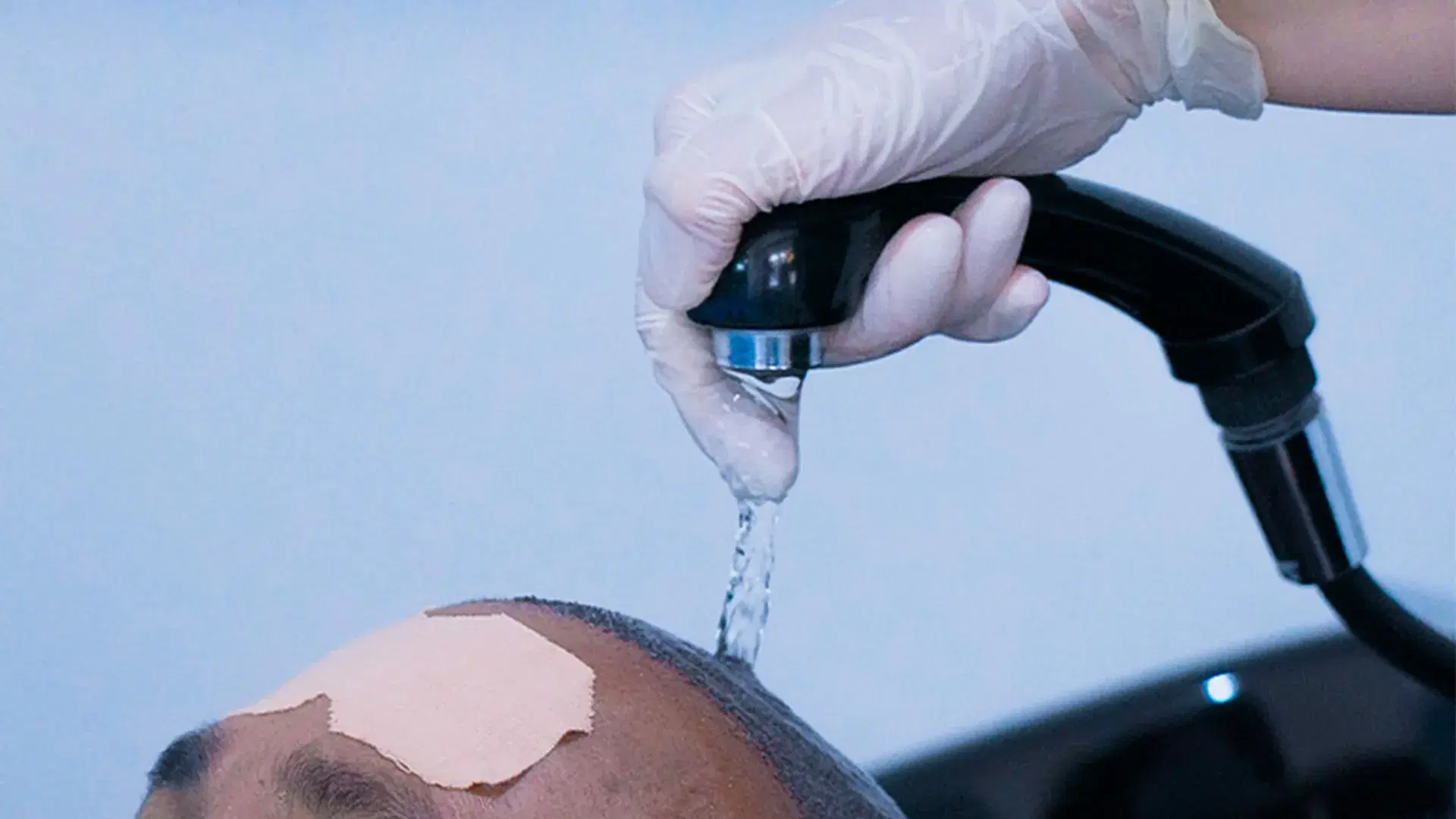
Recovery after a DHI procedure for afro textured hair is typically smooth and well tolerated. Mild redness or slight sensitivity may appear during the first few days, but because the technique is minimally invasive, the healing process is generally faster with limited visible scabbing. Proper aftercare is essential to protect the newly implanted grafts and support healthy growth.
• Keep the scalp clean and gently moisturized according to medical instructions.
• Avoid tight braids, twists, or any hairstyle that creates tension on the new grafts.
• Sleep with your head slightly elevated during the first few nights.
• Protect the scalp from direct sun exposure in the early healing phase.
• Follow your doctor’s washing and medication schedule carefully.
• Be patient, as curly hair patterns take time to fully form and settle naturally.
For detailed recovery steps, read our guide on after hair transplant care.
The cost of an afro hair transplant varies depending on medical complexity and technical requirements. Because afro textured hair has a unique follicle structure, proper evaluation is essential before determining the final price. Below are the main factors that influence overall cost.
The total graft count significantly affects pricing. Larger bald areas require more grafts, which increases surgical time, planning, and team involvement. A higher graft number naturally leads to a more detailed and time intensive procedure.
Afro hair follicles grow in a curved shape beneath the scalp. This makes extraction and implantation more delicate compared to straight hair types. The more complex the curl pattern, the more precision and expertise are required during surgery.
Experience plays a critical role in afro hair transplantation. A skilled medical team understands correct implantation angles, density control, and natural hairline design for curly hair. Clinics with specialized expertise may reflect this in their pricing.
Operational standards, medical technology, and geographic location also impact cost. In Turkey, optimized medical infrastructure allows high quality procedures at more competitive prices compared to many clinics in the US or Europe.
Each treatment plan is personalized after consultation to ensure accurate graft calculation, proper technique selection, and transparent pricing based on your specific needs.
Start Your Personalized Hair Treatment Journey
Book a consultation and discover the most effective hair transplant or therapy option tailored to your hair needs and expectations.
Afro hair transplant requires precision, experience, and a deep understanding of curly follicle anatomy. When performed correctly, it delivers natural density and long lasting results that match your original curl pattern.
Choosing the right medical team makes all the difference. With proper planning and expert implantation, afro hair restoration can be both safe and highly effective.
If you are considering an afro hair transplant, contact our specialists for a personalized consultation and clear treatment guidance.

FAQ