


Esthetic Hair Logo header svg
Hair Transplantation
Badge Icon

intro

Hair Transplant Methods, Benefits, Cost and Recovery

Hair transplant is a permanent solution for hair loss, helping men and women restore natural hairlines and density. This complete guide covers everything you need to know about hair transplant methods, expected results, pricing, and what recovery really looks like.

Badge Icon

info

What Is a Hair Transplant?

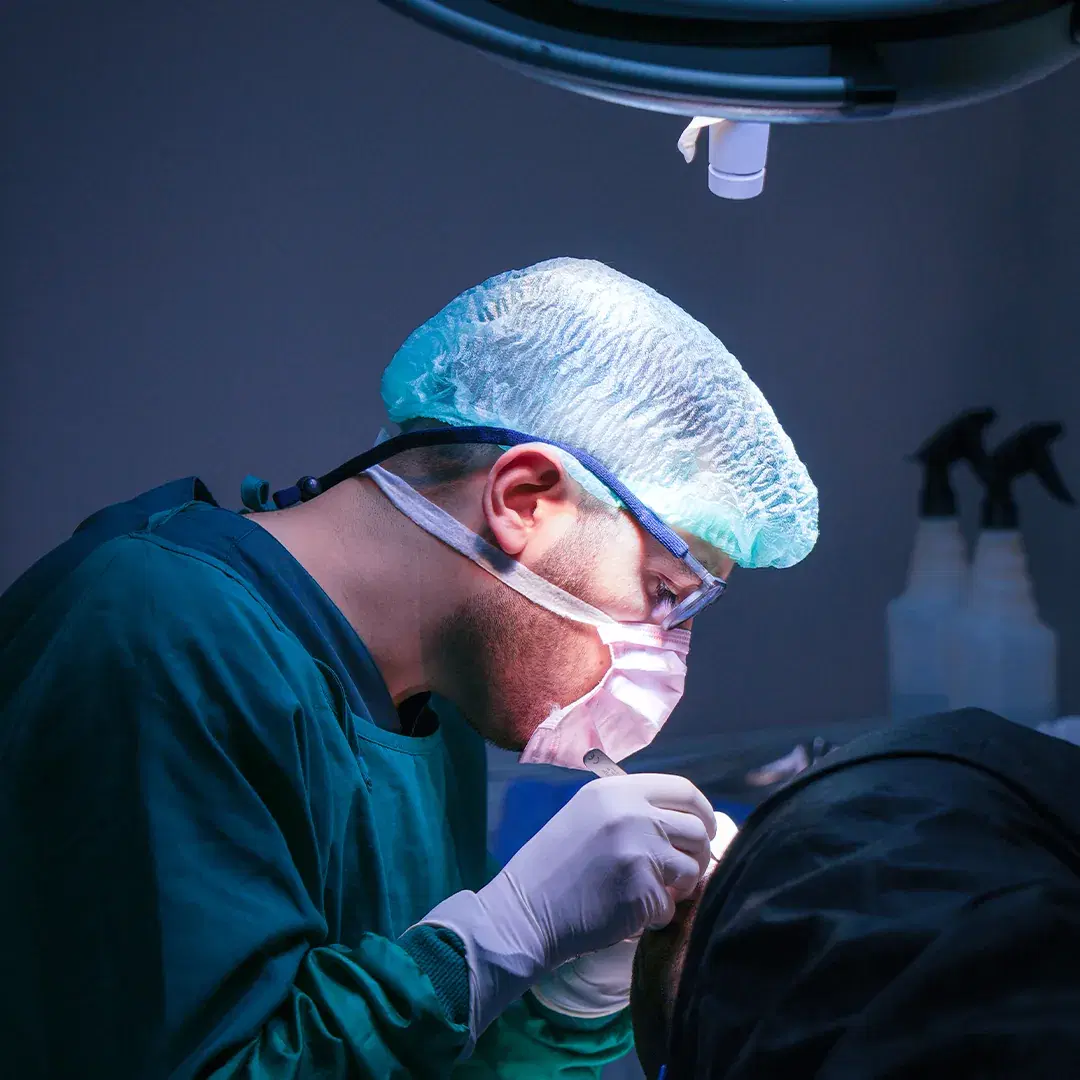
A hair transplant is a medical procedure designed to restore hair in areas affected by thinning or baldness by relocating healthy hair follicles from a donor area, usually the back or sides of the scalp. These donor follicles are genetically resistant to hair loss, which makes them ideal for long-term transplantation. Once moved, they continue to grow naturally in their new location.

This procedure is widely used to treat male and female pattern hair loss, receding hairline, thinning crowns, and localized bald patches. Because the transplanted follicles behave like they did in the donor area, the results are considered permanent and predictable when performed correctly.

Modern hair transplant techniques focus on precision, natural density, and minimal scarring. By carefully selecting, extracting, and implanting each follicle, surgeons can recreate natural hair patterns that blend seamlessly with existing hair. This makes a hair transplant not just a cosmetic fix, but a long-term solution for restoring both hair and confidence.

What Is a Hair Transplant?
Badge Icon

Methods

Hair Transplant Methods

Modern techniques offer natural-looking results with minimal scarring and downtime. The two most commonly used methods today are FUE and DHI.


FUE (Follicular Unit Extraction)

FUE involves extracting individual hair follicles and implanting them one by one. It’s minimally invasive, leaves tiny scars, and has a faster healing time.


DHI (Direct Hair Implantation)

DHI uses a special implanter pen to place follicles directly into the scalp. It offers greater precision, density, and control over the angle and depth of each graft.


FUE vs DHI: Which Technique Should You Choose?

Both methods are highly effective. FUE may be better for larger areas or quicker procedures, while DHI offers more control for detailed areas like the hairline. Your choice depends on your hair type, goals, and medical evaluation.

Hair Transplant Methods in Turkey
Badge Icon

Good Candidates

Who Is a Good Candidate for a Hair Transplant?

Ideal candidates typically have stable hair loss and sufficient healthy hair follicles in the donor area. Realistic expectations about results are also important for satisfaction. Both men and women experiencing pattern baldness or thinning in specific scalp areas are commonly eligible.


Common traits of good candidates include:

  • Stable hair loss: Hair loss has slowed or stopped to ensure lasting results

  • Good donor area density: Healthy hair follicles available, usually at the back or sides of the scalp

  • Age considerations: Generally over 25 years old to allow hair loss patterns to stabilize

  • Overall health: Good general health without conditions that impair healing

  • Realistic expectations: Understanding what a transplant can and cannot achieve

  • No active scalp diseases: Conditions like psoriasis or severe dandruff should be controlled before surgery


Who Is a Good Candidate for a Hair Transplant?

Hair Transplant Results: What to Expect

Hair transplant results develop gradually and follow a natural biological timeline. Patience is an important part of the process because new hair growth does not happen overnight. Each stage is planned and expected, allowing the follicles to adapt and grow in a healthy way.


First Weeks: Shedding Phase

During the first two to four weeks after the procedure, the transplanted hairs usually shed. This stage can feel concerning, but it is completely normal. The follicles remain secure under the skin while the visible hair shafts fall out. This temporary shedding prepares the follicles for a stronger growth cycle.


Months Three To Four: Early Growth

Around the third or fourth month, new hairs begin to grow from the transplanted follicles. At this stage, the strands may appear thin, soft, or slightly uneven. This is part of the natural maturation process. Over time, the texture and thickness gradually improve.


Month Six: Visible Improvement

By the sixth month, most patients notice a clear increase in density and better overall coverage. The new hair starts blending naturally with existing strands. Styling becomes easier, and the hairline appears more defined as small gaps continue to fill.


Months Nine To Twelve: Final Results

Final results are typically visible between nine and twelve months. At this point, the transplanted hair grows just like natural hair. It can be washed, cut, and styled freely. Since the follicles are taken from a genetically resistant donor area, the outcome is permanent and designed to last for many years.


Proper aftercare plays a major role in achieving these results. To understand how to protect your grafts and support healthy growth, you can read our detailed guide on after hair transplant care.

Hair Transplant Cost: What Affects The Price?

Hair transplant cost is not a fixed number because every patient has a unique level of hair loss and different expectations. The final price is determined after a medical evaluation and treatment planning. Several important factors influence how the cost is calculated.


Number Of Grafts Needed

The number of grafts required is one of the biggest pricing factors. Patients with mild hair thinning usually need fewer grafts, while advanced baldness requires a higher graft count. Since graft number directly affects surgery duration, team effort, and planning, it plays a major role in the overall cost. For a more precise estimate, you can explore our detailed guide on the number of grafts needed for a hair transplant.


Technique Used

The selected method also impacts the final price. FUE is a widely preferred and effective technique. More advanced methods such as DHI require specialized tools and more detailed implantation. Procedures that demand higher precision and longer operating time may increase the cost.


Clinic Expertise And Medical Team

The experience of the surgeon and medical team significantly affects pricing. A clinic with strong expertise, advanced technology, and strict hygiene protocols may have higher costs, but these standards directly influence safety and natural looking results.


Scope Of Services Included

Hair transplant cost may also vary depending on what is included in the treatment package. Some clinics offer consultation, medical tests, medication, PRP support, accommodation, airport transfer, and structured aftercare. Others may only include the surgical procedure itself.

Each of these factors shapes the complexity of the treatment and the quality of the final outcome. That is why prices can differ from one patient to another.

The Advantages of Hair Transplant in Turkey

Getting a hair transplant in Turkey offers more than just affordable prices. Patients from all over the world choose Turkey for its world-class medical expertise, advanced technology, and patient-centered care. Here’s why it has become the global leader in hair restoration.


Highly Experienced Surgeons

Turkey is home to some of the most experienced hair transplant specialists in the world. Many surgeons perform hundreds of successful transplants each year, ensuring consistent, natural results. Their precision and skill make the difference between a good and an exceptional outcome.


Advanced Hair Transplant Technology

Clinics in Turkey use state-of-the-art equipment and the latest techniques such as DHI and FUE. This means faster procedures, minimal scarring, and high graft survival rates — all contributing to better, more natural hair growth.


Affordable Pricing Without Compromising Quality

One of the biggest advantages of getting a hair transplant in Turkey is the balance between cost and quality. Procedures can be up to 70% more affordable compared to Western countries, while maintaining international standards of safety and care.


All-Inclusive Medical Packages

Many Turkish clinics, including Esthetic Hair, offer all-inclusive treatment packages that cover accommodation, transportation, medications, and aftercare. This makes the entire experience seamless and stress-free for international patients.


Quick Recovery and Tourism Appeal

Patients often combine their treatment with a short stay in one of the world’s most beautiful destinations. With quick recovery times and exceptional hospitality, Turkey offers a unique blend of medical excellence and travel comfort.

Hair Transplant Recovery and Aftercare

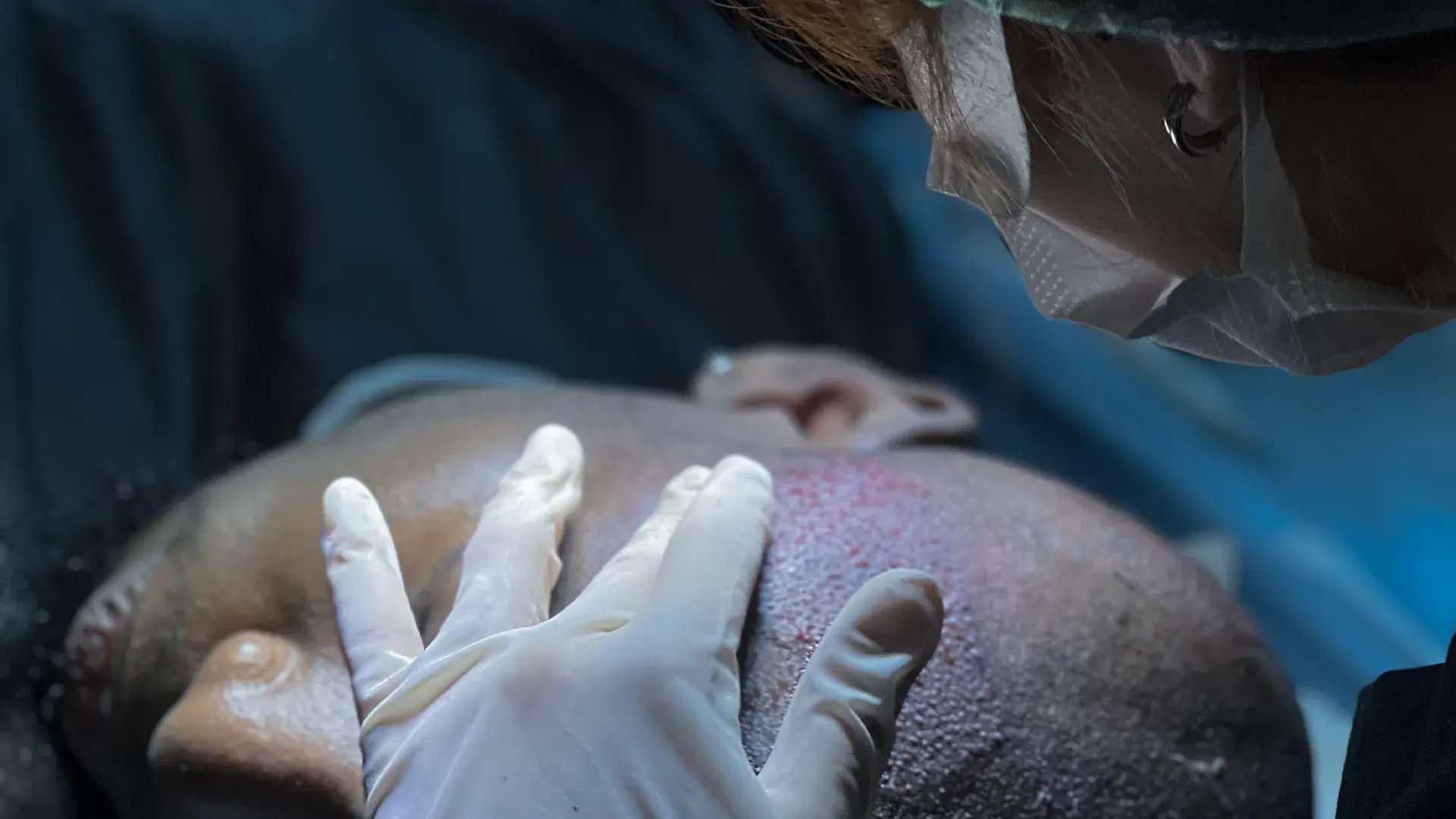
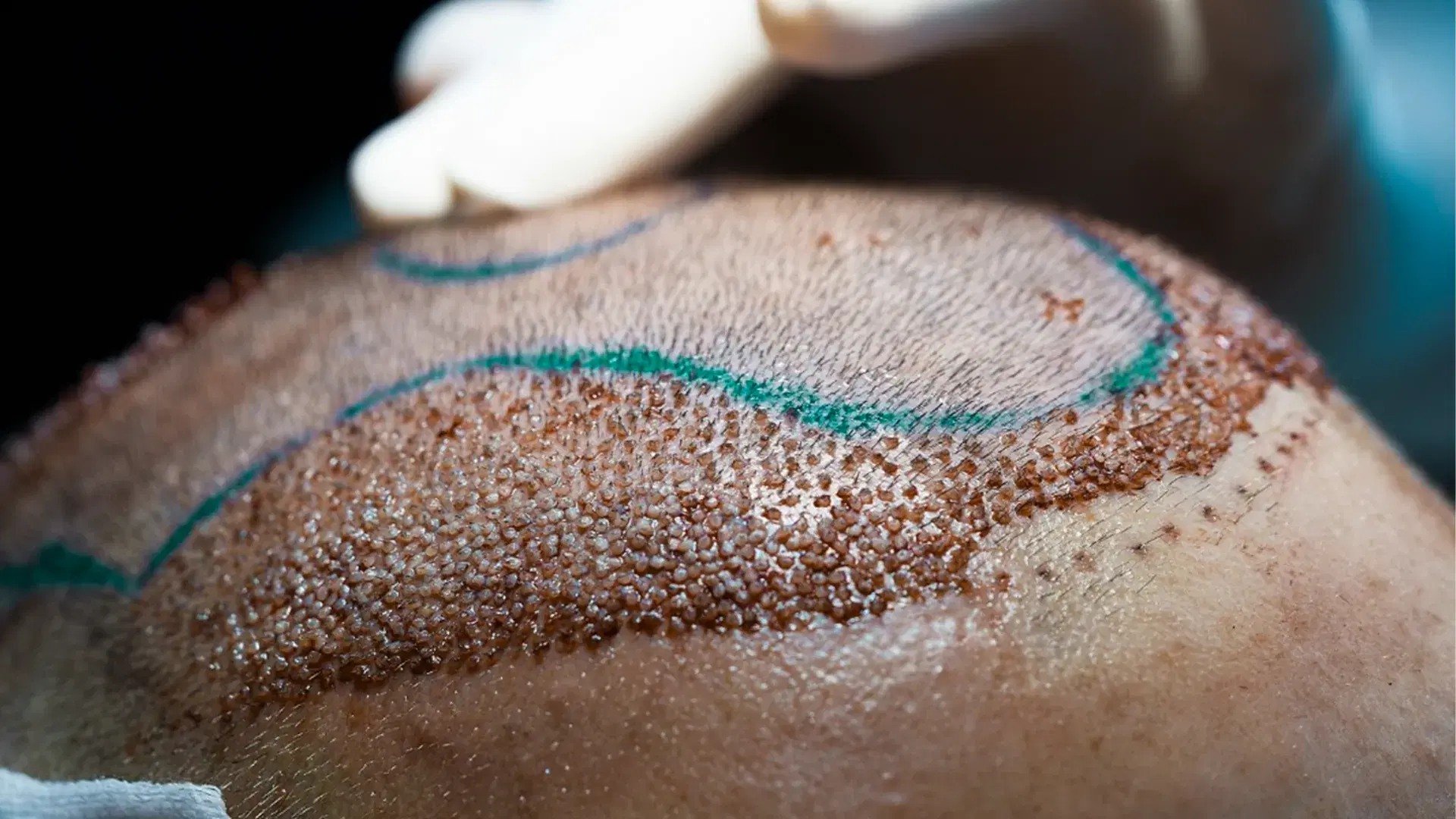
Hair transplant recovery is usually smooth and well tolerated. The initial healing period takes around seven to ten days, during which mild redness, scabbing, or sensitivity may appear in the treated areas. These effects are temporary and part of the normal healing process.

Most patients return to work and daily activities within a week. Proper aftercare plays a key role in protecting the transplanted grafts and supporting healthy growth. Following washing instructions, avoiding pressure on the scalp, and using prescribed medications help ensure strong graft survival and optimal long-term results.


If you are researching clinics and want to understand what truly defines quality, safety, and natural results, you can also read our detailed guide on choosing the best hair transplant clinic in Turkey.

About Us Esthetic Hair
Badge Icon

Hair Therapy

Non-Surgical Alternatives to Hair Transplant


Not every patient needs surgery to improve hair density or slow down hair loss. In early stages especially, non-surgical hair therapies can strengthen existing follicles, improve scalp health, and support natural growth. These treatments are often used alone or combined with a hair transplant to enhance results.


PRP Therapy

PRP therapy uses the patient’s own blood plasma, rich in growth factors, to stimulate weakened hair follicles. After a simple blood draw, the concentrated plasma is injected into targeted areas of the scalp. This process helps improve circulation, reduce shedding, and support thicker, healthier hair over time.


Stem Cell Therapy

Stem cell therapy aims to regenerate and repair damaged hair follicles. By using powerful regenerative cells, this treatment supports follicle activity and encourages stronger hair production. It is often preferred by patients looking for advanced, science-based solutions without surgery.


Mesotherapy

Mesotherapy involves injecting vitamins, minerals, amino acids, and growth boosters directly into the scalp. These nutrients nourish hair follicles at the root level. The goal is to improve hair quality, increase strength, and slow down progressive thinning.


Ozone Therapy

Ozone therapy enhances oxygen delivery to the scalp and improves blood circulation. A healthier scalp environment allows follicles to function more efficiently. This therapy is often used to support overall scalp health and complement other hair treatments.


Red Light Therapy

Red light therapy uses low-level laser technology to stimulate cellular activity in hair follicles. It is a non-invasive and painless method designed to improve hair density and reduce hair shedding. Regular sessions may help maintain stronger and fuller looking hair.

Non-surgical treatments can be highly effective when applied at the right time and with proper medical guidance. If you are not sure whether surgery or therapy is the right option for you, explore our dedicated hair therapy page to learn which treatment plan fits your hair goals best.

Choosing The Right Hair Treatment

Selecting the right solution for hair loss is not just about choosing between surgery and non surgical therapies. It requires a detailed analysis of your hair loss pattern, scalp condition, age, medical background, and long term expectations. What works perfectly for one person may not be the best option for another.

A professional evaluation helps determine whether you need a hair transplant, supportive therapies, or a combination of both. In many cases, strengthening existing follicles first can significantly improve overall outcomes. The key is building a personalized treatment strategy rather than following a one size fits all approach.

At Esthetic Hair, our specialists carefully assess each case and guide patients step by step. From diagnosis to planning and aftercare, the goal is to create natural, balanced, and sustainable results.

If you are unsure which path is right for you, the best next step is a professional consultation. Get in touch with our team and let us design a treatment plan tailored specifically to your hair needs.

Start Your Personalized Hair Treatment Journey

Book a consultation and discover the most effective hair transplant or therapy option tailored to your hair needs and expectations.

question

FAQ

Frequently Asked Questions About Hair Transplant