Esthetic Hair Logo header svg
DHI Hair Transplant
Badge Icon

Treatment

DHI Hair Transplant Guide: Cost, Results & Recovery

A DHI hair transplant is one of the most advanced techniques in modern hair restoration. Using a specialized implanter pen, this method provides precise control, natural results, and minimal recovery time compared to traditional procedures.

Badge Icon

what

What Is DHI Hair Transplant?

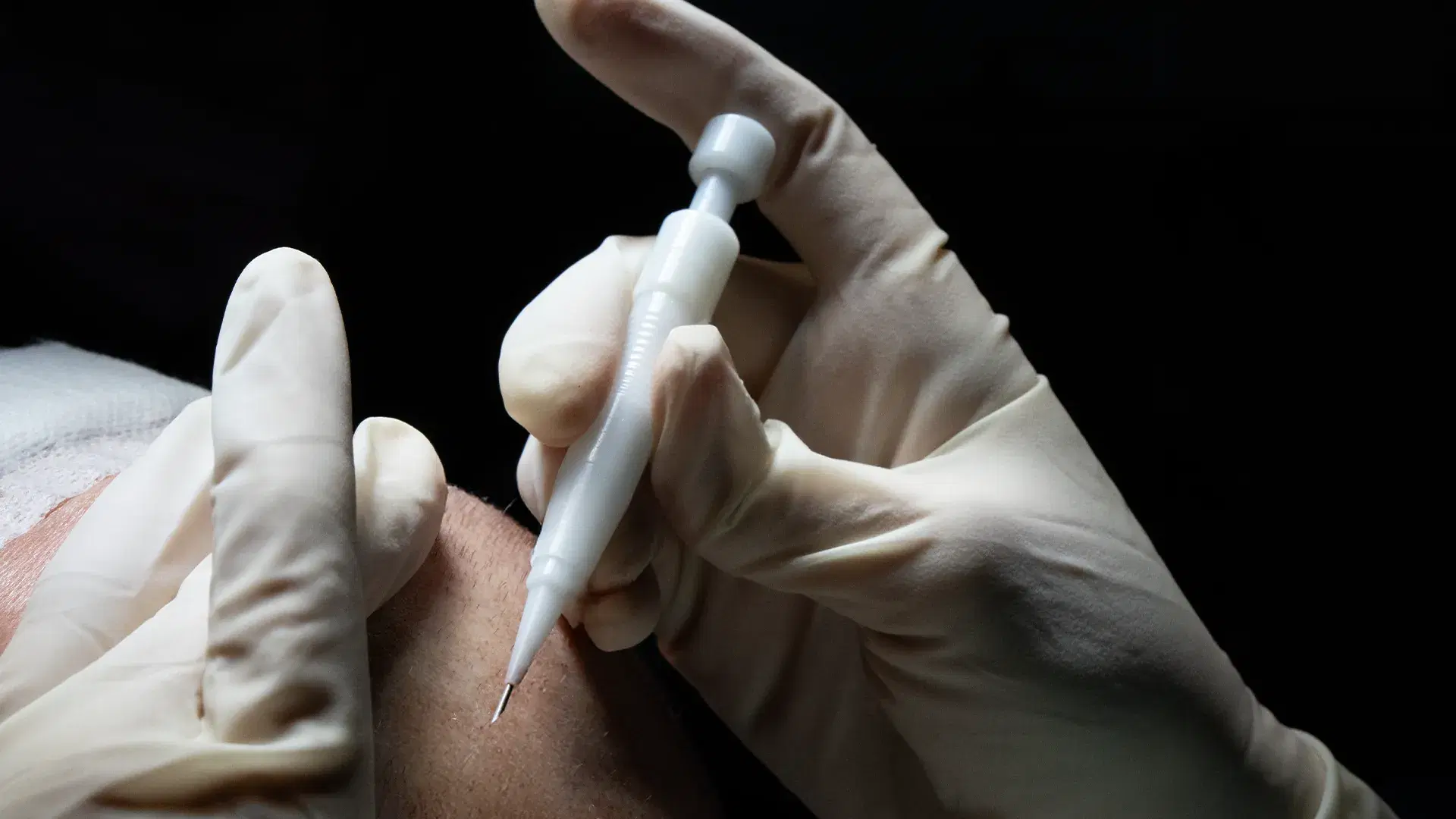
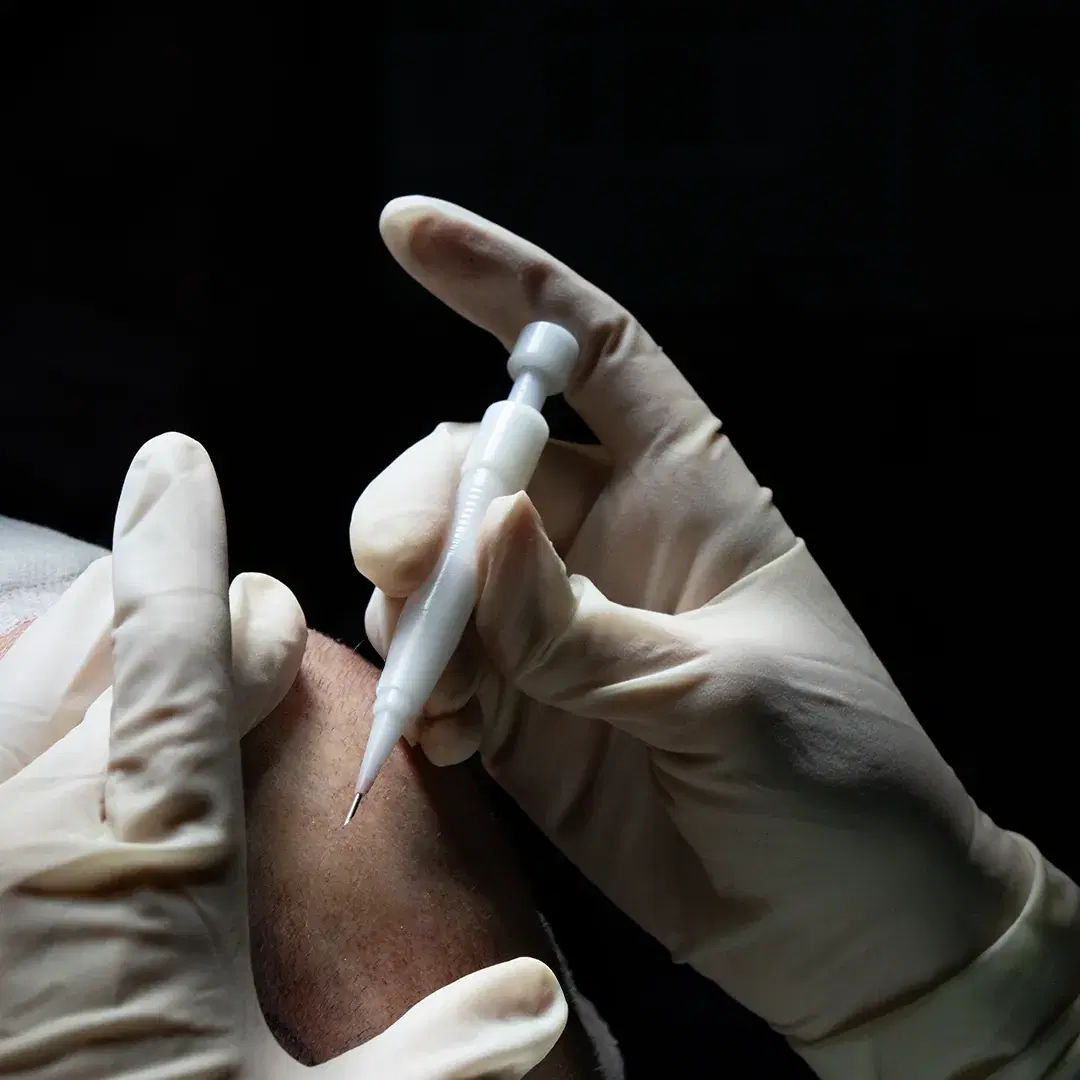
DHI, or Direct Hair Implantation, is an advanced hair transplant technique developed as a refined version of the FUE method. While the extraction phase is similar to FUE, the implantation stage is different and more precise. Instead of opening channels in advance, the surgeon uses a special medical tool called the Choi Implanter Pen to place each graft directly into the scalp.

With this technique, hair follicles are implanted one by one in a controlled and calculated manner. The implanter pen allows the surgeon to adjust the angle, depth, and direction of every graft during placement. This level of control helps create a more natural hairline design and improved density, especially in the frontal area.

Because the channels are created and grafts are placed at the same time, the procedure may reduce trauma to the scalp and support faster healing. DHI is often preferred by patients who want precise hairline work, dense packing, and a minimally invasive approach with natural looking results.

DHI Hair Transplant
Who Is a Good Candidate for DHI?

Who Is a Good Candidate for DHI?

DHI hair transplant is suitable for both men and women who:

  • Want to restore a receding hairline or fill thinning areas

  • Prefer a less invasive technique

  • Have limited donor areas and require precise placement

  • Want to avoid shaving their entire scalp

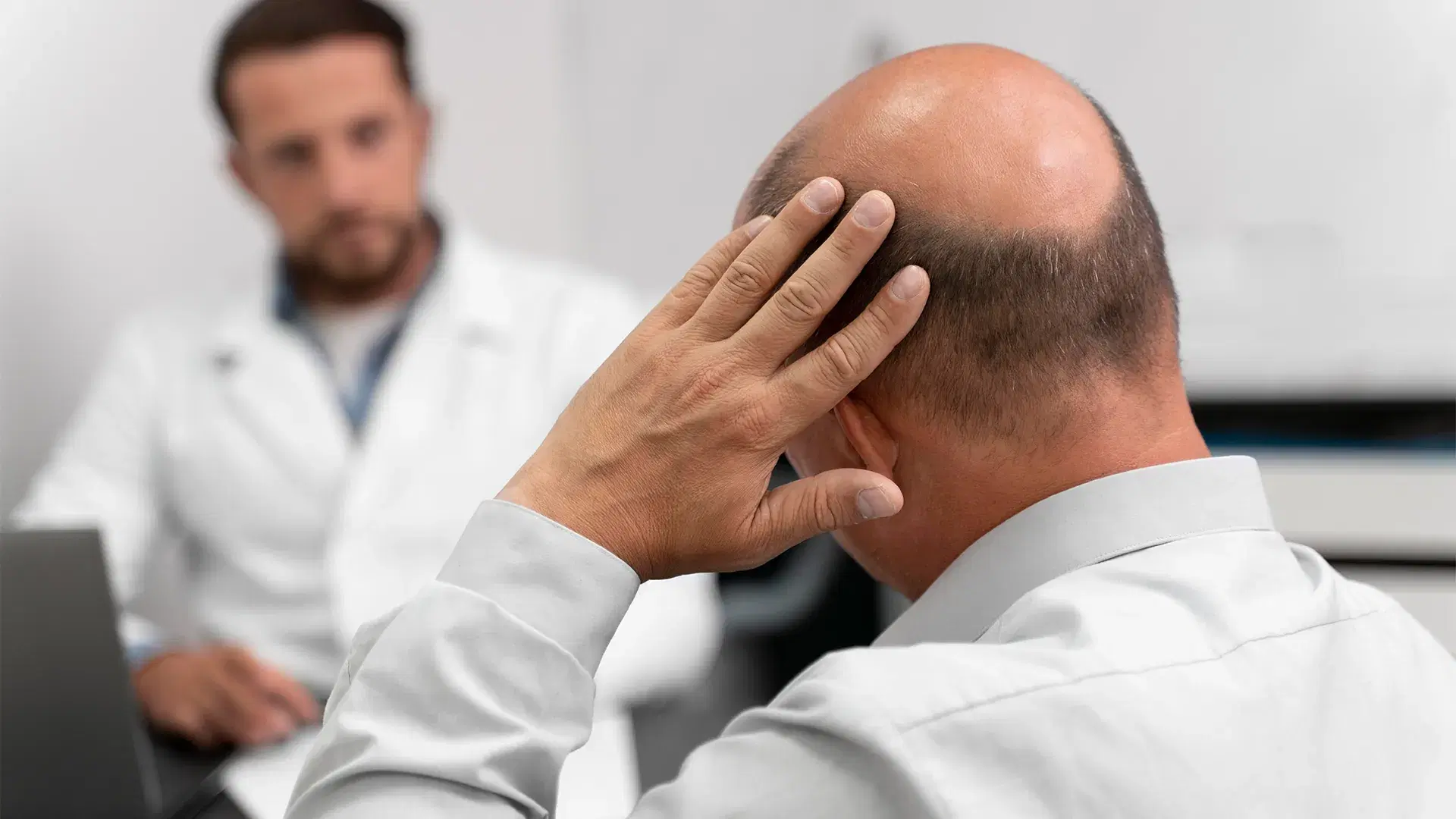
A professional consultation is essential to determine if DHI is the best method for your hair type and goals.

Badge Icon

Procedure

How Does the DHI Technique Work?

The DHI technique follows a streamlined three-step process designed for accuracy and comfort:

1
<h3><span style="color: rgb(247, 248, 248);"><strong>Donor hair extraction</strong></span></h3><p></p>

Donor hair extraction

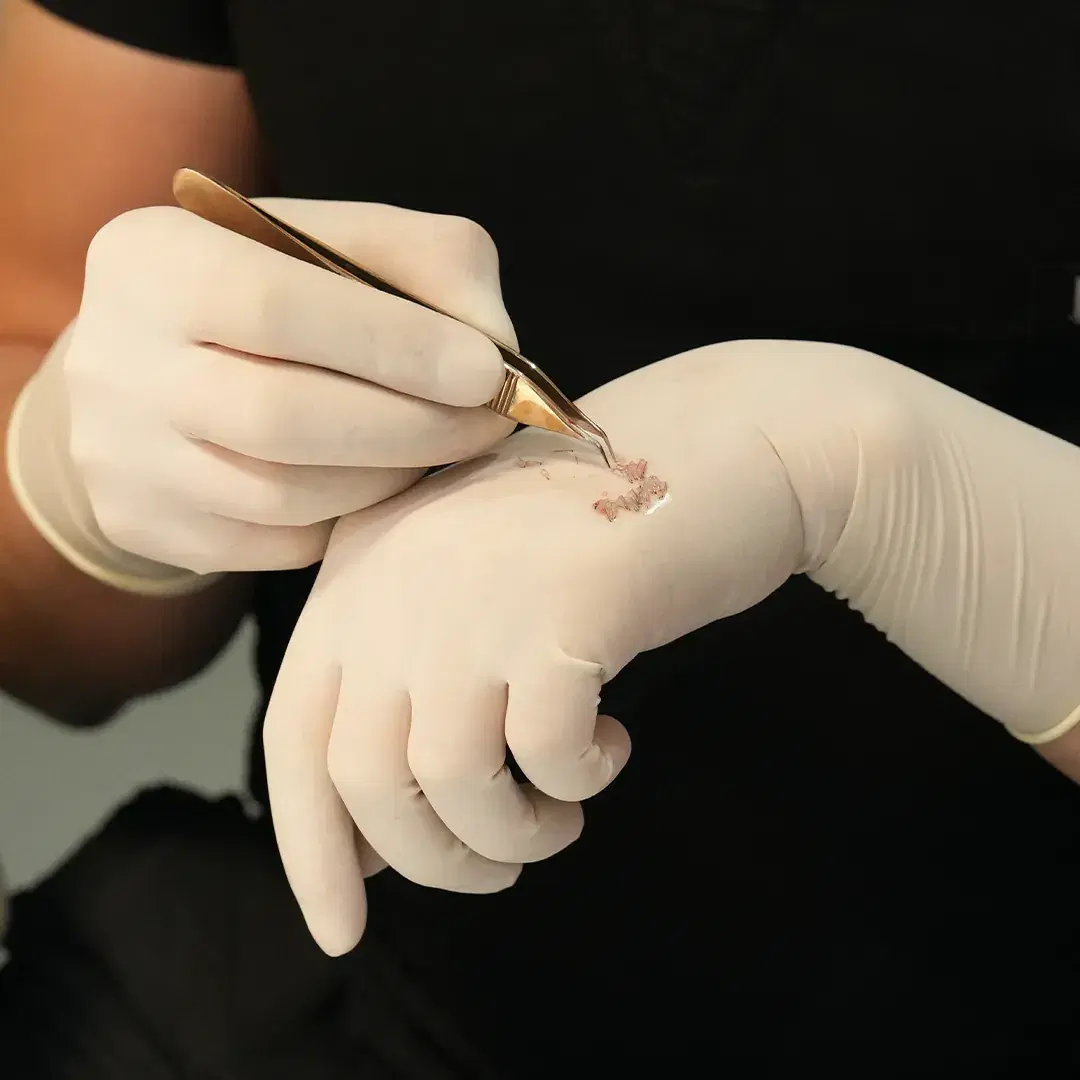
Hair follicles are extracted individually from the donor area using the FUE method. Each graft is selected carefully to ensure strong and healthy growth.

2
<h3><span style="color: rgb(247, 248, 248);"><strong>Loading the Choi Implanter Pen</strong></span></h3><p></p>

Loading the Choi Implanter Pen

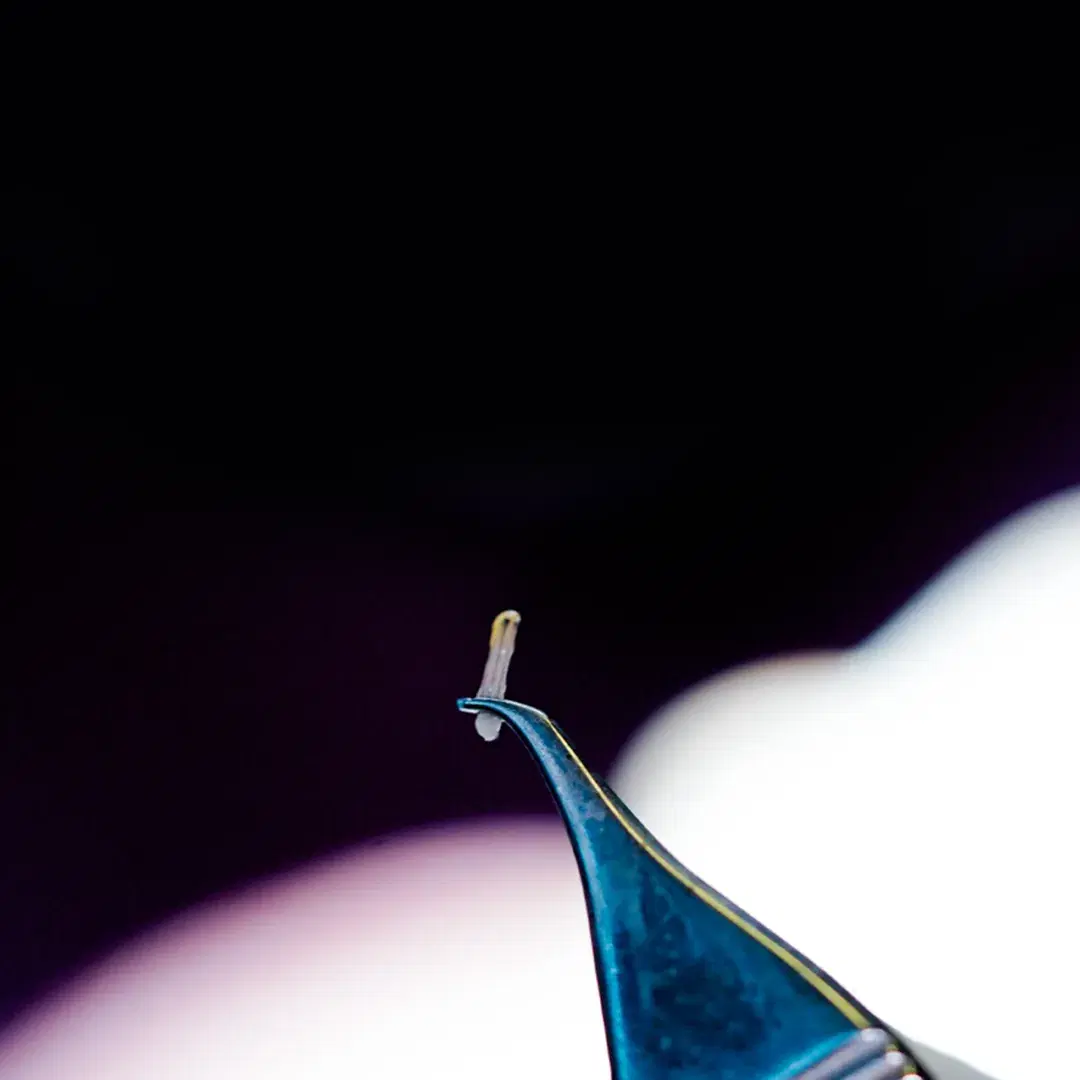
The extracted grafts are placed into the Choi Implanter Pen one by one. This tool protects the follicles and prepares them for precise implantation.

3
<h3><span style="color: rgb(247, 248, 248);"><strong>Direct implantation</strong></span></h3>

Direct implantation

Using the Choi Implanter Pen, the surgeon implants each follicle directly into the recipient area. Depth, angle, and direction are controlled in a single motion for natural and dense results.

4
<h3><span style="color: rgb(247, 248, 248);"><strong>Reduced trauma and faster recovery</strong></span></h3>

Reduced trauma and faster recovery

Since no channels are pre opened, the DHI technique causes less bleeding and trauma. This allows for quicker healing and accurate placement in targeted areas.

benefits
Badge Icon

Benefits

Benefits of DHI Hair Transplant

DHI hair transplant offers several important advantages for patients who want precision, natural density, and a comfortable recovery process. Because the technique focuses on controlled implantation and minimal scalp trauma, it is often preferred for detailed hairline work and high-density areas.


No Incisions Or Stitches

One of the biggest benefits of DHI is that it does not require traditional incisions or sutures during the implantation phase. The Choi Implanter Pen allows the surgeon to create the channel and place the graft at the same time. This reduces unnecessary trauma to surrounding tissues. As a result, there is less bleeding, minimal scarring, and a smoother post operative experience.


Maximum Precision In Implantation

The DHI technique provides full control over the depth, angle, and direction of every single graft. Each follicle is placed individually according to the natural growth pattern of the patient’s hair. This precision is especially important when designing the frontal hairline, temples, and crown. Proper angulation ensures that the transplanted hair blends seamlessly with existing strands.


Natural Hairline Design

Because grafts are implanted one by one with careful planning, surgeons can create a softer and more realistic hairline. The density can be adjusted gradually, mimicking natural hair distribution. This artistic control plays a key role in achieving results that do not look artificial or overly compact.


Higher Density Placement

DHI allows for closer spacing between grafts when medically appropriate. Since implantation is highly controlled, surgeons can perform dense packing in targeted areas. This is particularly beneficial for patients seeking fuller coverage in smaller zones such as the frontal region.


Quick Recovery

The minimally invasive nature of DHI supports faster healing compared to more traditional approaches. Patients often experience reduced swelling and less visible scabbing. Most individuals can return to daily activities within a short period, making it a practical option for those with busy lifestyles.


Reduced Risk Of Graft Damage

Because the grafts are loaded into the implanter pen and placed directly into the scalp, the time they remain outside the body is minimized. This controlled handling helps protect follicle vitality and may contribute to strong, healthy growth after the procedure.


No Full Shaving Required

In many cases, DHI can be performed with partial shaving rather than shaving the entire head. This makes the procedure more discreet, especially for patients who want to maintain their existing hairstyle during the recovery phase.

Overall, DHI hair transplant combines surgical precision with aesthetic planning. For suitable candidates, it offers a refined approach focused on natural appearance, density control, and patient comfort.

DHI vs FUE: What’s the Difference?

DHI vs FUE: What’s the Difference?

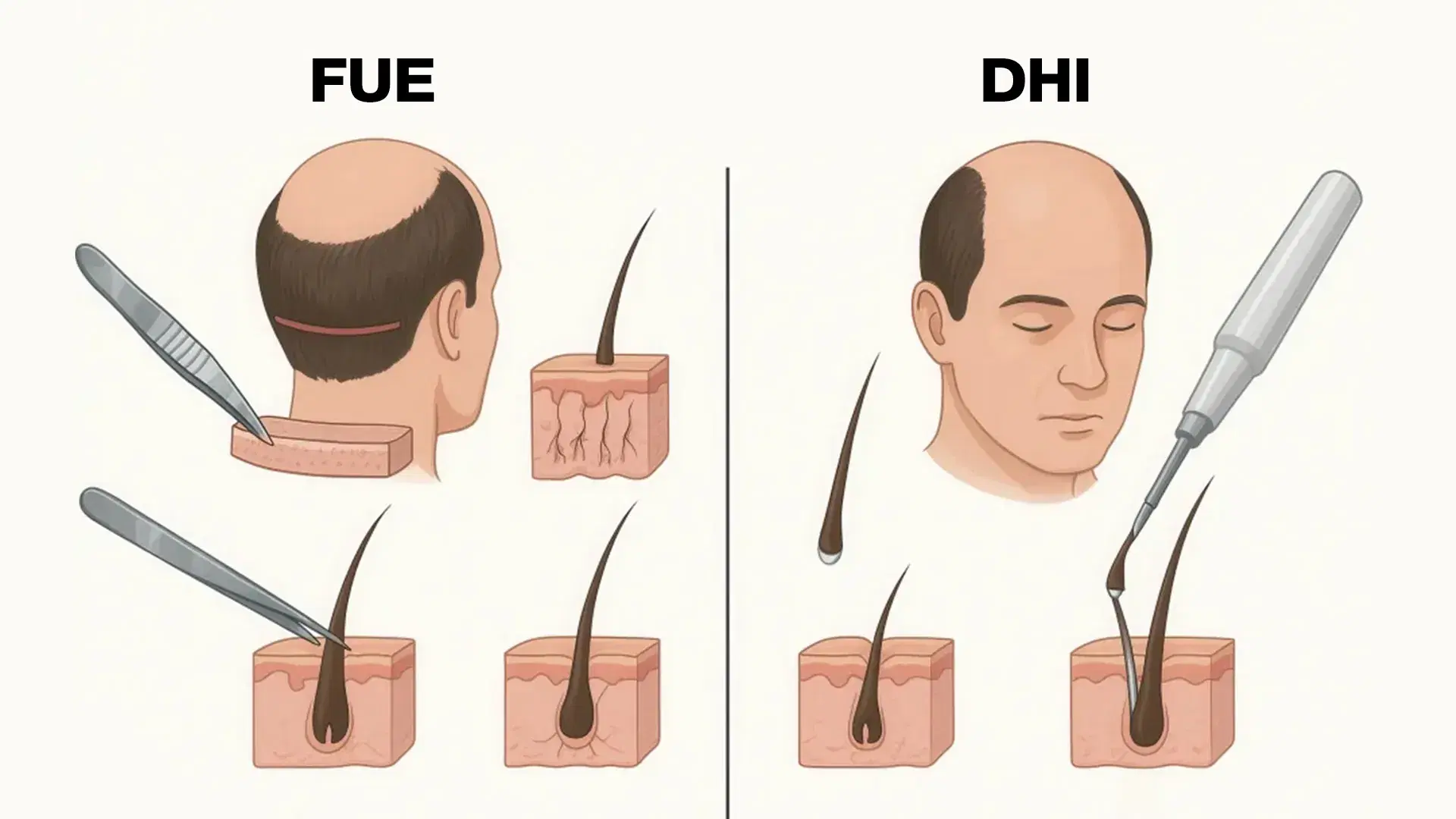
Although DHI is technically based on the FUE extraction method, the main difference lies in the implantation stage. Both techniques involve harvesting individual hair follicles from the donor area. However, the way those grafts are placed into the recipient area changes the overall precision, workflow, and recovery experience.

To better understand the distinction, here is a simplified comparison:


Implantation Method

DHI uses a Choi Implanter Pen to place grafts directly into the scalp in a single step. The channel is created and the graft is implanted simultaneously.
Traditional FUE requires the surgeon to first create micro incisions in the recipient area, then insert the grafts into those pre opened channels.


Precision Level

DHI provides high control over the angle, depth, and direction of each graft during placement. This makes it particularly suitable for detailed hairline design and dense frontal work.
FUE offers good precision as well, but since channels are created in advance, the level of implantation control is slightly less refined compared to DHI.


Healing Time

Because DHI minimizes additional scalp trauma, healing time may be slightly shorter. Patients often notice reduced scabbing and faster recovery.
FUE healing is still relatively quick, but since incisions are created beforehand, recovery can take slightly longer in comparison.


Shaving Requirement

DHI can often be performed with partial shaving or without shaving the entire head, depending on the case. This makes it more discreet for certain patients.
Traditional FUE usually requires shaving a larger area or the full head to allow efficient graft extraction and implantation.


Procedure Duration

DHI sessions can take longer because implantation is performed one graft at a time with detailed control.
FUE may be more time efficient when covering larger areas with a high number of grafts.


Cost

DHI is typically more expensive due to the specialized tools, precision work, and longer operating time.
FUE is generally more affordable and widely accessible.


In summary, DHI is often ideal for patients who prioritize precision, dense packing, minimal downtime, and refined hairline artistry. Traditional FUE, on the other hand, may be more suitable for individuals who need coverage over larger bald areas or prefer a cost effective solution with proven long term success. The best choice depends on your hair loss pattern, expectations, and medical evaluation.

DHI Hair Transplant Cost

The total cost of a DHI hair transplant varies depending on several key factors:

  • Number of grafts required – More extensive hair loss requires a higher number of grafts, which can increase the overall cost.

  • Clinic reputation and experience – Clinics with highly skilled surgeons and a track record of excellent results may charge more, reflecting their expertise.

  • Patient’s hair loss and goals – Individual hair characteristics, desired density, and treatment complexity can all affect pricing.

Price Comparison: Europe, US, and Turkey

LocationAverage Cost (USD)NotesUnited States$8,000–$15,000Higher labor and operational costsEurope$6,000–$12,000Moderate pricing, often limited packagesTurkey$2,000–$4,000Affordable, all-inclusive care with international standards

Esthetic Hair in Istanbul provides transparent, all-inclusive DHI packages that combine world-class medical expertise with modern facilities. Patients benefit from competitive pricing without compromising quality, covering consultation, surgery, accommodation, and post-operative care.

Choosing a clinic in Turkey can reduce costs significantly while still delivering natural, long-lasting results. For personalized pricing based on your hair loss and goals, Esthetic Hair offers free consultations with specialists who guide you through every step of the process.

Why Is DHI Transplant More Affordable in Turkey?

Why Is DHI Transplant More Affordable in Turkey?

DHI hair transplant costs in Turkey are significantly lower than in many Western countries, and this price advantage comes from several important factors.


Lower Operational Expenses

Clinics in Turkey have lower overhead and operational costs compared to the US or Europe. Rent, staff salaries, and facility maintenance are more affordable, allowing clinics to pass the savings directly to patients.


Favorable Exchange Rates

The Turkish lira’s exchange rate makes medical services more accessible to international patients. Foreign visitors benefit from higher purchasing power, reducing the overall cost of their treatment without compromising quality.


High Patient Volume

Turkey’s popularity as a medical tourism hub means clinics treat a higher number of patients. This efficiency allows surgeons and staff to deliver world-class results while keeping prices competitive.


Competitive Medical Tourism Market

The growing medical tourism industry in Turkey encourages clinics to offer comprehensive, all-inclusive packages that are cost-effective. Services often include consultation, surgery, accommodation, and post-operative care in one package.


Despite these lower costs, clinics like Esthetic Hair uphold European safety standards, use advanced medical technology, and employ highly skilled surgeons. Patients enjoy the dual benefit of affordable pricing and exceptional, reliable results at internationally recognized standards.

DHI Hair Transplant at Esthetic Hair Clinic

Esthetic Hair is one of Istanbul’s leading clinics specializing in DHI hair transplant procedures. Our team uses the Choi Implanter Pen for precise graft placement, ensuring natural growth patterns and maximum density.

Located in the heart of Istanbul, our clinic welcomes patients from around the world seeking world-class care at a competitive cost. Esthetic Hair combines advanced technology, medical expertise, and a personalized approach to achieve long-lasting, natural results.

DHI Hair Transplant
question

FAQ

Frequently Asked Questions About DHI Hair Transplant