
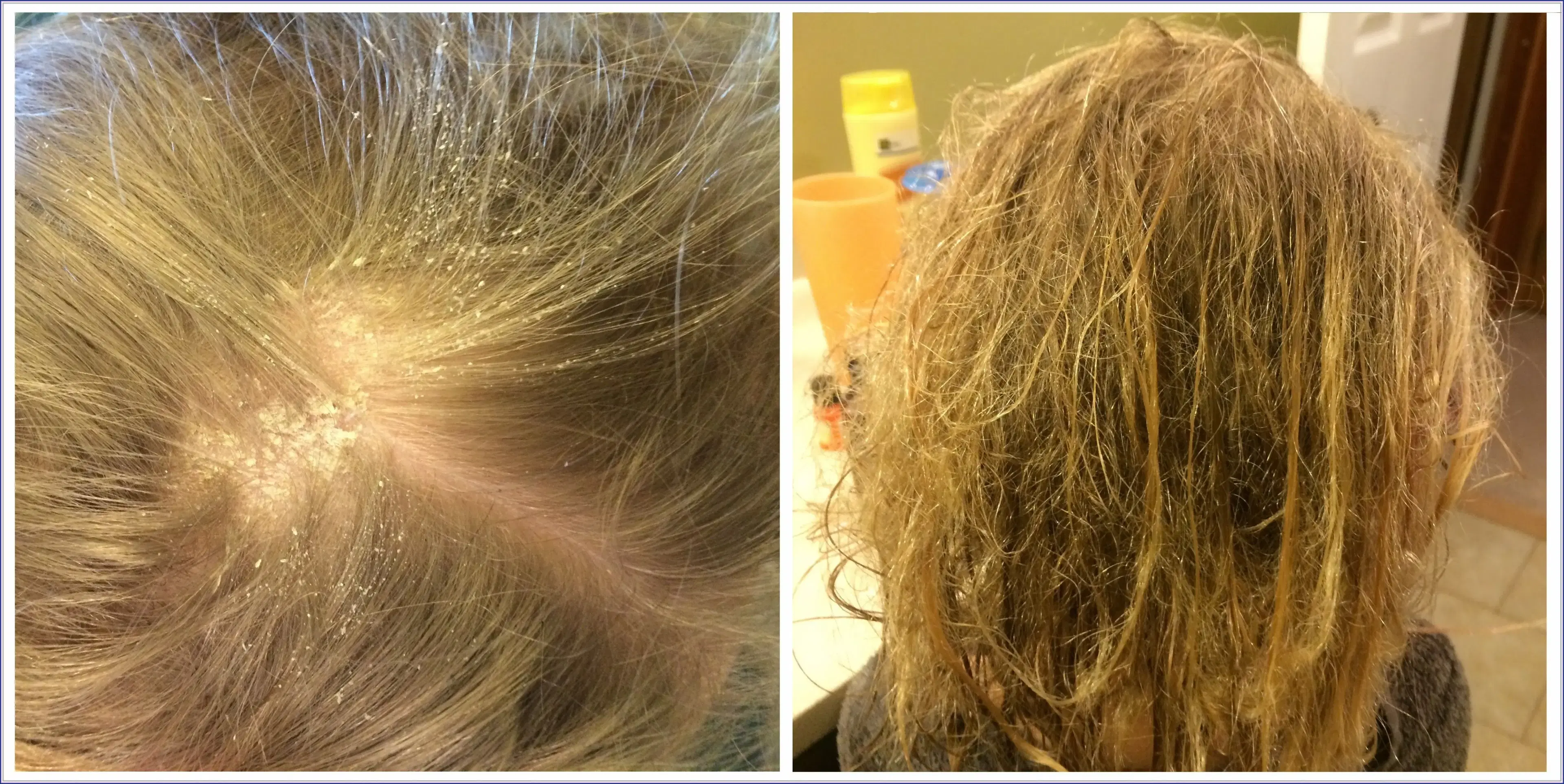
Can Chlorine Cause Hair Loss?
Chlorine usually does not cause permanent hair loss because normal swimming pool exposure mainly affects the hair shaft rather than destroying follicles inside the scalp. The more common problem is dryness, roughness, tangling, and breakage.
Frequent exposure can gradually weaken the protective outer layer of the hair, particularly when chlorine combines with sunlight, repeated shampooing, heat styling, or chemical processing. Broken strands then reduce visible density and can make the hair appear thinner.
Someone who notices hair coming out from the root, widening of the part, or progressive recession should therefore consider causes beyond pool exposure.
What Does Chlorine Actually Do to Hair?
Chlorinated water can remove some of the natural oils that help keep the hair surface smooth and flexible, which leaves strands feeling drier and more difficult to manage after repeated exposure.
Hair already contains overlapping cuticle layers that protect the inner structure. When those layers become rougher, strands create more friction against one another and are more likely to tangle during washing, drying, or brushing.
The effect becomes more noticeable when swimming is frequent. Chlorine alone may produce relatively mild changes after one swim, while repeated exposure without protective care can gradually create a cycle of dryness, friction, and mechanical damage.
Why Can Hair Look Thinner After Frequent Swimming?
Hair can look thinner after frequent swimming because broken strands reduce the amount of visible length and volume even when the follicles continue producing hair normally.
Several changes may contribute:
Dry strands can lose smoothness and shine
Broken hairs create uneven lengths
Wet hair can clump together and reveal more scalp
Repeated brushing can remove already weakened strands
Fine hair can lose volume when coated with minerals
Sun exposure can increase shaft damage
Frequent shampooing can add further dryness
Bleached hair can become especially fragile
This visual thinning should be separated from true follicular hair loss, which develops at the root rather than along the shaft.
Does Chlorine Damage Hair Follicles?
Normal exposure to properly maintained pool water is not expected to destroy healthy hair follicles. Follicles sit beneath the skin, while chlorine primarily contacts the scalp surface and the exposed hair shaft.
This distinction matters because a strand can become brittle and snap while the follicle beneath it remains fully capable of producing another hair.
Very irritated skin is a different situation. If repeated chemical exposure contributes to significant scalp inflammation, scratching and irritation can make the scalp uncomfortable and may worsen existing problems.
However, persistent follicular thinning should not automatically be blamed on chlorine simply because someone swims frequently.
Can Chlorine Cause Hair Breakage?
Chlorine can contribute to hair breakage by making strands drier, rougher, and less resistant to repeated friction. Breakage is especially likely when chlorine exposure occurs alongside bleaching, heat styling, tight hairstyles, or aggressive brushing.
The damaged strand usually snaps somewhere between the scalp and the ends rather than releasing with the root attached.
This creates a different appearance from shedding. Someone may notice short pieces around the shoulders, uneven lengths near the hairline, or increasingly frayed ends instead of full-length hairs collecting during washing.
Repeated breakage can eventually make even healthy-growing hair look noticeably less dense.
What Are the Signs of Chlorine-Damaged Hair?
Chlorine-damaged hair usually shows changes in texture and strand quality rather than a classic pattern of root-based thinning.
Common signs include:
Rough or straw-like texture
Increased tangling
Reduced shine
Dry ends
Split ends
Short broken strands
Frizz that appears worse after swimming
Hair that feels stiff when dry
Color fading
Greater difficulty detangling wet hair
These signs become more meaningful when they appear after swimming frequency increases. A widening part, bald patch, or steadily receding hairline points toward a different process and deserves separate evaluation.
Does Chlorine Affect Fine Hair More?
Fine hair can show chlorine damage more quickly because each strand has less structural thickness and may tolerate repeated chemical and mechanical stress less effectively.
Even modest breakage can also become visually obvious because fine hair already provides less coverage than thick, coarse strands. Once ends begin snapping, the hairstyle may lose body much faster.
Fine hair can additionally become weighed down by mineral residue, which changes how the strands separate and reflect light. This can make the scalp easier to see without any change in follicle count.
Gentle detangling and lightweight conditioning therefore become particularly important for frequent swimmers with fine hair.
Is Chlorine Worse for Curly or Textured Hair?
Curly and textured hair may feel the effects of chlorine more strongly because natural scalp oils travel less easily along bends and curls, leaving the lengths more prone to dryness before pool exposure even begins.
Once chlorine increases surface roughness, curls may tangle more easily and lose definition. Detangling those knots with excessive force can create additional breakage, especially at fragile bends along the strand.
Protective care should focus on moisture, low-friction detangling, and avoiding tight styles while hair remains wet.
Chlorine does not change the underlying follicle into a weaker follicle, but repeated shaft damage can noticeably reduce visible fullness.
Does Chlorine Damage Bleached or Color-Treated Hair More Easily?
Bleached and chemically treated hair usually develops chlorine-related damage more easily because previous processing has already altered the hair shaft and increased porosity.
A more porous strand absorbs water quickly and loses moisture more easily afterward. Chlorinated pool water can therefore enter and affect processed hair more readily than intact virgin hair.
Repeated swimming may also accelerate fading or cause the color to look dull and uneven.
Someone who combines frequent swimming with bleaching should pay particular attention to pre-swim protection, gentle cleansing, conditioning, and reduced heat styling because several forms of stress are acting on the same strands at once.
Why Can Blonde Hair Turn Green After Swimming?
Blonde hair can develop a green tint after swimming mainly because copper and other metals in pool water can bind to the hair, rather than because chlorine itself is naturally green.
Chlorine can contribute indirectly by affecting the hair surface and making porous strands more receptive to metal deposits. Bleached blonde hair is particularly vulnerable because the lighter color makes even subtle green tones easier to notice.
The problem is therefore partly chemical and partly visual.
Clarifying or swimmer-specific products can sometimes help remove mineral buildup, but overly aggressive cleansing can make already dry hair rougher if used too frequently.
Can Chlorinated Water Irritate the Scalp?
Chlorinated water can irritate a sensitive scalp, especially when someone swims often, already has dry skin, or spends long periods in heavily treated water.
The scalp may feel tight, itchy, dry, or mildly flaky afterward. Repeated scratching can then create additional discomfort and may make existing scalp conditions feel worse.
Scalp irritation should still be distinguished from follicle destruction. A dry, itchy scalp does not automatically mean the hair roots are being damaged.
Persistent redness, painful scaling, sores, heavy flaking, or worsening inflammation deserves evaluation because another dermatologic condition may be contributing to the symptoms.
Can Swimming Every Day Increase Hair Damage?
Swimming every day can increase hair-shaft damage because the strands repeatedly move through a cycle of soaking, chemical exposure, washing, drying, and friction without much recovery time between sessions.
Daily swimmers often accumulate several stressors at once. Sun exposure outdoors, tight swim caps, wet-hair brushing, frequent shampooing, and blow-drying may contribute as much to breakage as the chlorinated water itself.
The solution is not necessarily to stop swimming. A consistent routine that reduces chemical absorption and mechanical friction can make daily exposure much easier for the hair to tolerate.
Is Chlorine Damage Permanent?
Most chlorine-related hair damage is limited to the existing hair shaft, which means the damaged portion itself cannot biologically repair back to its original structure, but new hair can still grow normally from healthy follicles.
Conditioners and masks can temporarily improve smoothness and reduce friction, yet they cannot truly fuse split ends or rebuild severely broken strands.
The permanent solution for heavily damaged lengths is gradual trimming while healthier hair replaces them.
This is different from permanent hair loss. When the follicle remains healthy, chlorine-damaged hair can be replaced through the normal growth cycle even if the older shaft has become too damaged to preserve.
Can Chlorine Make Existing Hair Loss Look Worse?
Chlorine can make existing hair loss look more noticeable because dryness, breakage, clumping, and reduced shine can decrease visual coverage even when the underlying condition has not suddenly accelerated.
Someone with androgenetic hair loss may already have finer strands on the top of the scalp. If those hairs become dry and flat after repeated swimming, more scalp can show under bright light.
Broken lengths can further reduce volume around the hairline and crown.
This visual effect should not be mistaken for evidence that chlorine caused the original thinning. The underlying hair-loss pattern still needs to be considered independently.
Should You Wet Your Hair Before Entering a Pool?
Wetting hair with fresh water before entering the pool can reduce how much chlorinated water the strands absorb because hair that is already saturated has less capacity to take in additional water.
The process is simple and does not require an elaborate routine. Rinsing thoroughly under a shower before swimming can provide a useful first layer of protection.
Some swimmers also apply a small amount of leave-in conditioner to the lengths, particularly when the hair is dry or chemically processed.
Heavy products should be avoided when pool rules prohibit them or when they leave excessive residue in the water.
How Should You Wash Your Hair After Swimming?
Hair should generally be rinsed with fresh water after swimming so chlorine, salt, minerals, and other pool residues do not remain on the strands longer than necessary.
A mild shampoo can be used when the scalp or hair needs cleansing, especially after long sessions. Daily swimmers do not necessarily need an aggressive clarifying shampoo after every pool visit.
Over-cleansing can remove additional oils and make dryness worse.
Conditioner should focus on the mid-lengths and ends, where breakage usually becomes most visible. Detangling works best with controlled tension, starting near the ends before moving upward rather than pulling through knots from the roots.
Does a Swimming Cap Completely Protect Hair From Chlorine?
A swimming cap reduces direct exposure and helps control the hair, but it does not create a completely waterproof seal around the head.
Small amounts of pool water can still enter around the edges, particularly during longer swims or repeated underwater movement. The cap should therefore be treated as one protective layer rather than complete chemical isolation.
It still offers important advantages because it limits free movement, reduces tangling, and keeps long hair more controlled.
Wet the hair with fresh water before putting the cap on, and avoid pulling tightly enough to create unnecessary traction around the temples or hairline.
Which Hair-Care Habits Help Frequent Swimmers?
Frequent swimmers can reduce cumulative damage by focusing on moisture, gentle handling, and limiting unnecessary stress after each pool session.
A practical routine may include:
Rinse hair with fresh water before entering the pool
Use a well-fitting swim cap
Rinse again immediately after swimming
Choose a mild shampoo for frequent cleansing
Use clarifying products only when buildup requires them
Apply conditioner to the lengths regularly
Detangle with a wide-tooth comb
Avoid aggressive towel rubbing
Limit high heat on freshly washed hair
Trim severely split ends when necessary
Reduce bleaching frequency when swimming often
Protect outdoor swimmers from excessive sun exposure
Consistency usually matters more than using a large number of specialized products.
When Is Hair Shedding After Swimming Probably Not From Chlorine?
Hair shedding is less likely to come from chlorine when full-length hairs are falling from the root, the central part keeps widening, or a recognizable pattern of recession develops.
Other explanations can include androgenetic hair loss, telogen effluvium, iron deficiency, thyroid problems, major illness, rapid weight loss, medication changes, hormonal shifts, and inflammatory scalp disorders.
The timing also matters. True shedding often reflects an event that occurred weeks or months earlier rather than something that happened during yesterday's swim.
Swimming can happen at the same time as another cause of hair loss, which makes it important not to assume that the most visible environmental factor must be responsible.
How Can You Tell Whether You Have Breakage or Hair Loss?
Breakage and true hair loss can often be separated by examining the length and appearance of the fallen strands, although both problems can exist at the same time.
Broken hair usually appears as shorter pieces with uneven lengths and frayed ends. Root-based shedding produces complete strands that may include a small club-shaped end.
Breakage also creates uneven texture and short pieces throughout the hairstyle, while progressive hair loss more often changes scalp coverage.
If the ponytail becomes thinner because full-length hairs are shedding from the root or the part keeps widening, chlorine damage alone becomes a less convincing explanation.
What Is the Best Way to Protect Hair From Chlorinated Water?
The best protection combines pre-swim saturation, reduced direct exposure, prompt rinsing, regular conditioning, and gentle handling rather than relying on a single anti-chlorine product.
Fresh water before the swim limits absorption, while a cap reduces tangling and repeated contact. Rinsing afterward removes residual chemicals before they remain on the shaft for hours.
The rest of the routine should protect the hair from secondary damage. Avoid aggressive brushing, excessive heat, repeated bleaching, and very tight hairstyles when strands already feel dry.
Chlorine can make hair rougher and easier to break, but healthy follicles usually remain capable of normal growth beneath the scalp.