
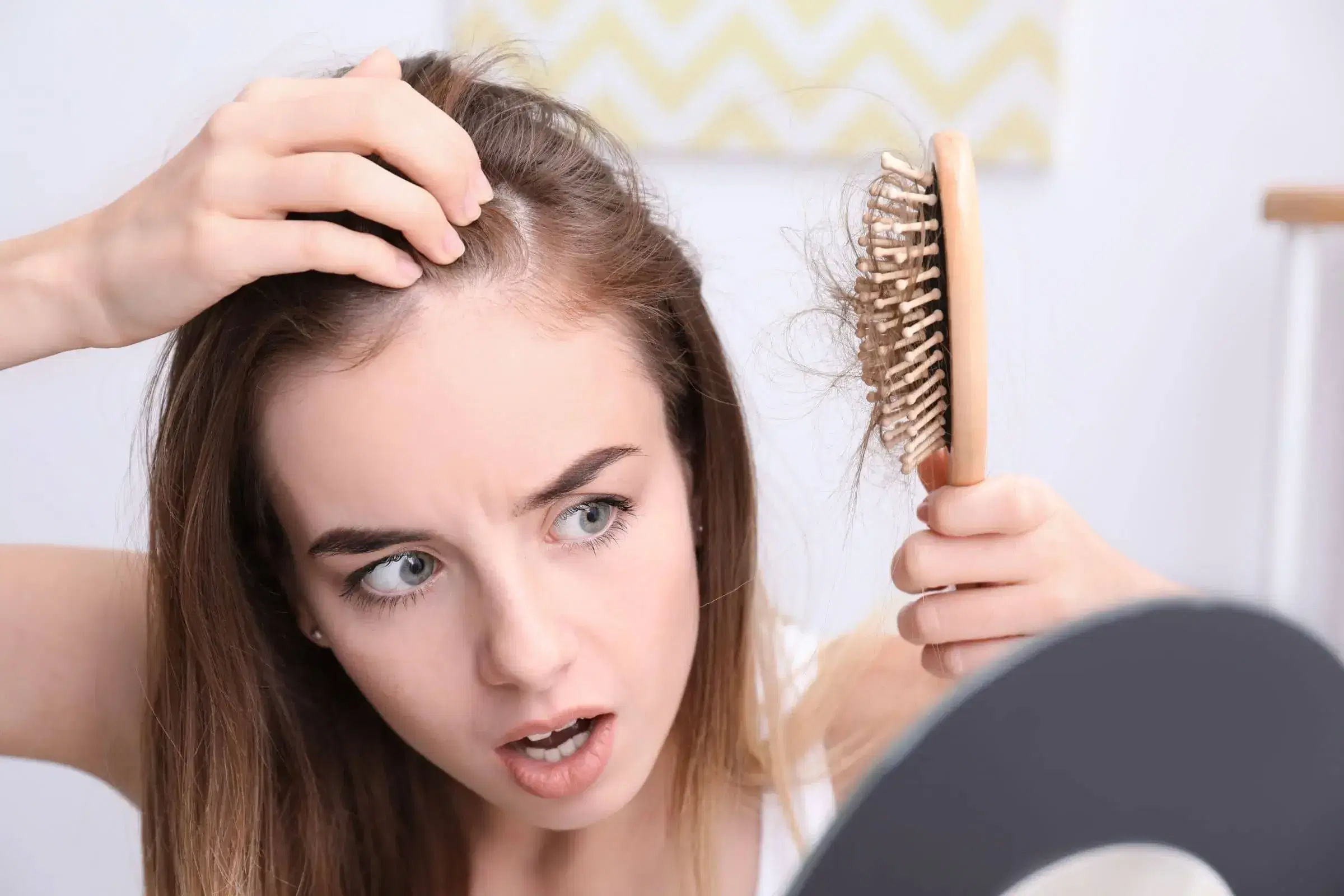
Can Mexico’s Hot Climate Cause Hair Loss?
Mexico’s hot climate does not usually cause permanent follicle-level hair loss, but heat, sunlight, sweat, and humidity can affect the scalp and hair shaft. These environmental factors can increase dryness, irritation, oiliness, tangling, or breakage, making the hair appear thinner.
Climate conditions also differ considerably across Mexico. Humid coastal areas create different hair problems from the drier heat found in northern and inland regions.
Persistent recession, crown thinning, or progressive widening of the part usually has another explanation. Genetic hair loss, hormonal changes, nutritional problems, illness, and stress remain more important causes of sustained follicular thinning.
Does Heat Make Hair Fall Out More?
Heat itself does not usually make healthy follicles permanently stop producing hair, although hot conditions can indirectly make shedding or breakage more noticeable. People often sweat more, wash their hair more frequently, and expose the hair to stronger sunlight during warm periods.
These changes increase handling and environmental stress on the hair shaft. Dry or chemically treated strands can therefore snap more easily during washing, brushing, or styling.
Hot weather can also coincide with natural seasonal changes in the hair cycle. This means someone may notice more hairs during summer without heat being the sole biological cause of the shedding.
Can Hot Weather Increase Seasonal Hair Shedding?
Seasonal hair shedding can become more noticeable during warmer months, although hot weather alone does not fully explain the human hair cycle. Research has observed seasonal variation, including increased proportions of resting hairs around summer and early autumn in some populations.
This pattern does not affect everyone equally, and it should not automatically explain substantial or prolonged hair loss.
A temporary increase that settles over time may fit seasonal shedding. Continued loss for several months, visible scalp exposure, or a developing recession pattern deserves consideration of causes beyond seasonal climate.
Does Humidity Affect Hair Loss in Mexico?
Humidity usually affects hair texture more strongly than it affects the follicle, especially in humid coastal regions of Mexico. Moist air can make hair swell, frizz, curl more strongly, and become harder to control.
Repeated swelling and drying can increase mechanical stress on already fragile strands. More frequent styling to control frizz can add further heat, brushing, or chemical exposure.
Humidity can also make sweat remain on the scalp longer, which may increase discomfort in people with sensitive or dandruff-prone skin. However, humidity by itself does not normally create permanent androgenetic hair loss.
Can Sweating Cause Hair Loss?
Sweating does not normally cause hair follicles to fall out, but heavy sweating can create scalp conditions that make hair care more difficult. Sweat contains water and salts, and repeated accumulation can leave the scalp feeling sticky, itchy, or irritated.
People may then wash, scratch, or manipulate the scalp more frequently. This behavior can increase breakage, particularly when the hair is already fragile.
Sweat should therefore be viewed as an indirect factor rather than a direct cause of baldness. Persistent shedding from the root requires a broader explanation than sweating alone.
Can Sweat Irritate the Scalp in Hot Weather?
Heavy sweat can irritate a sensitive scalp when moisture, salt, oil, and product residue remain against the skin for long periods. This combination may create itching, tightness, or discomfort during Mexico’s hotter weather.
Scratching then adds mechanical irritation and can break hairs close to the scalp. People with existing dermatitis may notice symptoms more clearly during periods of heavy sweating.
Regular gentle cleansing can remove accumulated sweat without excessively stripping the scalp. Severe redness, painful lesions, thick scaling, or persistent inflammation suggests a scalp disorder rather than a simple reaction to hot weather.
Does Hot Weather Make the Scalp Oilier?
Hot weather can make the scalp feel oilier because increased sweating helps distribute natural sebum across the scalp and hair more quickly. The sensation does not necessarily mean sebaceous glands suddenly produce dramatically more oil.
Sweat, sunscreen, styling products, and natural sebum can combine and make roots look greasy sooner than expected. Fine or straight hair usually shows this effect more visibly because oil travels along the shaft easily.
People often respond by washing more frequently. Appropriate washing can help, but harsh cleansing may create dryness without solving the reason the scalp feels oily.
Can Sun Exposure Damage Hair in Mexico?
Strong sun exposure can damage the hair shaft by degrading proteins, pigments, and structural components that help hair remain strong and flexible. Repeated ultraviolet exposure can make hair feel drier, rougher, weaker, and more prone to breakage.
Hair exposed to frequent direct sunlight may also fade or lose shine. These changes involve weathering of existing strands rather than immediate destruction of healthy follicles.
Mexico’s sunny outdoor environment can make photodamage relevant for people spending long periods outside. Physical shade can reduce repeated exposure while also protecting the scalp skin.
Can UV Exposure Cause Hair Breakage?
Ultraviolet exposure can increase hair breakage because sunlight can weaken keratin, damage cuticle structures, and reduce the mechanical strength of the hair shaft. Research on hair photodamage has documented structural deterioration and increased brittleness after repeated radiation exposure.
The damage becomes more visible toward the older ends because those sections have experienced years of washing, sunlight, heat, and friction.
Bleached or chemically processed hair can show breakage sooner because its structure already carries additional damage. UV-related breakage can create thinner-looking hair without causing true follicular baldness.
Does Dry Heat Affect Hair Differently From Humid Heat?
Dry heat tends to increase hair dryness and brittleness, while humid heat more often increases swelling, frizz, sweating, and scalp discomfort. Mexico contains both environments, so the effect depends strongly on region and season.
In drier areas, repeated sun and low humidity can remove flexibility from already dry hair. Ends may become rough and split more easily.
In humid coastal conditions, hair repeatedly absorbs moisture and changes shape, which can increase tangling and styling stress. Neither climate automatically causes permanent hair loss, but both can increase shaft damage through different mechanisms.
Can Mexico’s Coastal Climate Damage Hair?
Mexico’s coastal climate can increase hair weathering through a combination of humidity, strong sunlight, frequent sweating, salt water, and repeated washing. These influences can leave hair rough, tangled, dry, or difficult to manage.
Humidity itself may create frizz, while sun exposure weakens the shaft over time. Swimming introduces additional salt or chlorine exposure depending on the setting.
The combined effect matters more than one individual factor. Someone living near the coast may therefore experience more breakage even while the follicles continue growing normally beneath the scalp.
Can Salt Water Increase Hair Breakage?
Salt water can contribute to dryness and breakage when repeated exposure leaves hair rough, tangled, and difficult to detangle. Salt residue can remain on the shaft after seawater evaporates, particularly during frequent beach exposure.
Hair may then require more pulling during brushing, which increases mechanical damage. Bleached, curly, long, or chemically processed hair tends to tolerate this combination less effectively.
Rinsing the hair with fresh water after swimming reduces prolonged residue. Salt water does not normally destroy the follicle, so its primary effect concerns the condition of existing hair fibers.
Can Swimming Pool Chlorine Affect Hair?
Swimming pool chlorine can make hair drier, rougher, and more vulnerable to breakage when exposure becomes frequent. Chemically processed and lightened hair can show these changes more quickly because its protective structure is already altered.
Regular swimmers may also notice tangling, fading, or texture changes after repeated pool exposure. These problems affect hair quality rather than directly causing follicular hair loss.
Rinsing before and after swimming can reduce how much pool water remains in contact with the hair. Conditioning also helps restore flexibility and makes damaged strands easier to detangle.
Can Frequent Hair Washing in Hot Weather Cause Hair Loss?
Frequent washing does not normally cause follicular hair loss when the scalp is cleansed gently with an appropriate shampoo. Hairs seen during washing were often already in the shedding phase and simply become released during the process.
However, rough washing can increase shaft breakage. Very hot water, aggressive scratching, harsh cleansing, and forceful towel drying place unnecessary mechanical stress on wet hair.
Hot climates may require more frequent cleansing because sweat and oil accumulate faster. The useful approach is gentle washing when needed rather than avoiding shampoo while the scalp becomes increasingly uncomfortable.
Does Wearing a Hat in Hot Weather Cause Hair Loss?
Normal hat use does not usually cause hair loss because covering the scalp does not prevent follicles from receiving oxygen or nutrients. Follicles receive what they need through the blood supply rather than directly from the surrounding air.
A very tight hat can create friction around the hairline or repeatedly pull certain hairs. Constant pressure in the same areas may also increase breakage.
Useful hat features include:
A comfortable fit without strong pressure
Breathable material for hot weather
A brim that shades the scalp
Regular cleaning after heavy sweating
Minimal rubbing around fragile hairlines
Enough room to avoid pulling tightly styled hair
Can Dehydration Cause Hair Loss During Hot Weather?
Short-term dehydration during hot weather does not usually cause immediate hair loss, although prolonged poor hydration often accompanies other stresses that can affect overall health. Hair follicles respond more strongly to major illness, nutritional deficiency, rapid weight change, and systemic stress.
A person who becomes dehydrated from severe heat illness may experience broader physiological stress. Significant illness can sometimes trigger delayed shedding weeks or months later rather than immediate hair loss.
Maintaining appropriate fluid intake is important during hot weather, but drinking extra water beyond normal needs does not directly stimulate new hair growth.
Can Hot Weather Make Dandruff Worse?
Hot weather can worsen dandruff symptoms in some people because sweating, oil accumulation, humidity, and frequent scalp occlusion can change the local scalp environment. Other people notice greater dryness and flaking in air-conditioned or dry conditions.
This variation explains why dandruff may feel different across Mexico’s coastal, inland, and high-altitude climates. The underlying condition involves more than weather alone.
Persistent greasy scales, redness, itching, or recurrent inflammation suggest an ongoing scalp problem. Controlling the scalp condition matters because repeated scratching and inflammation can increase breakage and make shedding appear more dramatic.
How Can You Tell Climate-Related Breakage From Hair Loss?
Climate-related breakage usually produces short, uneven strands, rough texture, split ends, and reduced length, while true shedding releases complete hairs from the follicle. Looking at the pattern often helps separate the two problems.
Broken hair may be especially visible around exposed areas, ends, and chemically damaged sections. Follicular loss more commonly changes scalp density, the width of the part, hairline position, or crown coverage.
Both problems can occur together. Someone can develop sun-related shaft damage while also experiencing genetic or stress-related hair loss, so one explanation should not automatically exclude another.
When Is Hair Loss Unlikely to Be Caused by Mexico’s Climate?
Hair loss is unlikely to come mainly from Mexico’s climate when it follows a progressive genetic pattern, persists throughout the year, or causes visible miniaturization. Receding temples, crown thinning, and a progressively wider part more strongly suggest follicular hair loss.
Sudden diffuse shedding may follow illness, stress, rapid weight loss, medication changes, childbirth, nutritional deficiency, or thyroid dysfunction. These triggers remain important regardless of local temperature.
Climate can make damaged hair look worse at the same time. However, blaming persistent root-level shedding on heat can delay recognition of a separate hair-loss condition.
How Can You Protect Your Hair in Mexico’s Hot Climate?
Protecting hair in Mexico’s hot climate requires reducing unnecessary sun, salt, chlorine, friction, and styling damage while keeping the scalp comfortably clean. The exact routine should reflect whether the local environment is humid, coastal, dry, or relatively mild.
Shade and comfortable hats reduce prolonged sun exposure, while gentle shampooing removes sweat without excessive friction. Conditioning helps maintain flexibility, particularly after swimming or frequent outdoor exposure.
The central goal is protecting the existing hair shaft without confusing environmental damage with follicular disease. Progressive thinning, persistent shedding, or clear hairline recession deserves assessment beyond climate-focused hair care.