
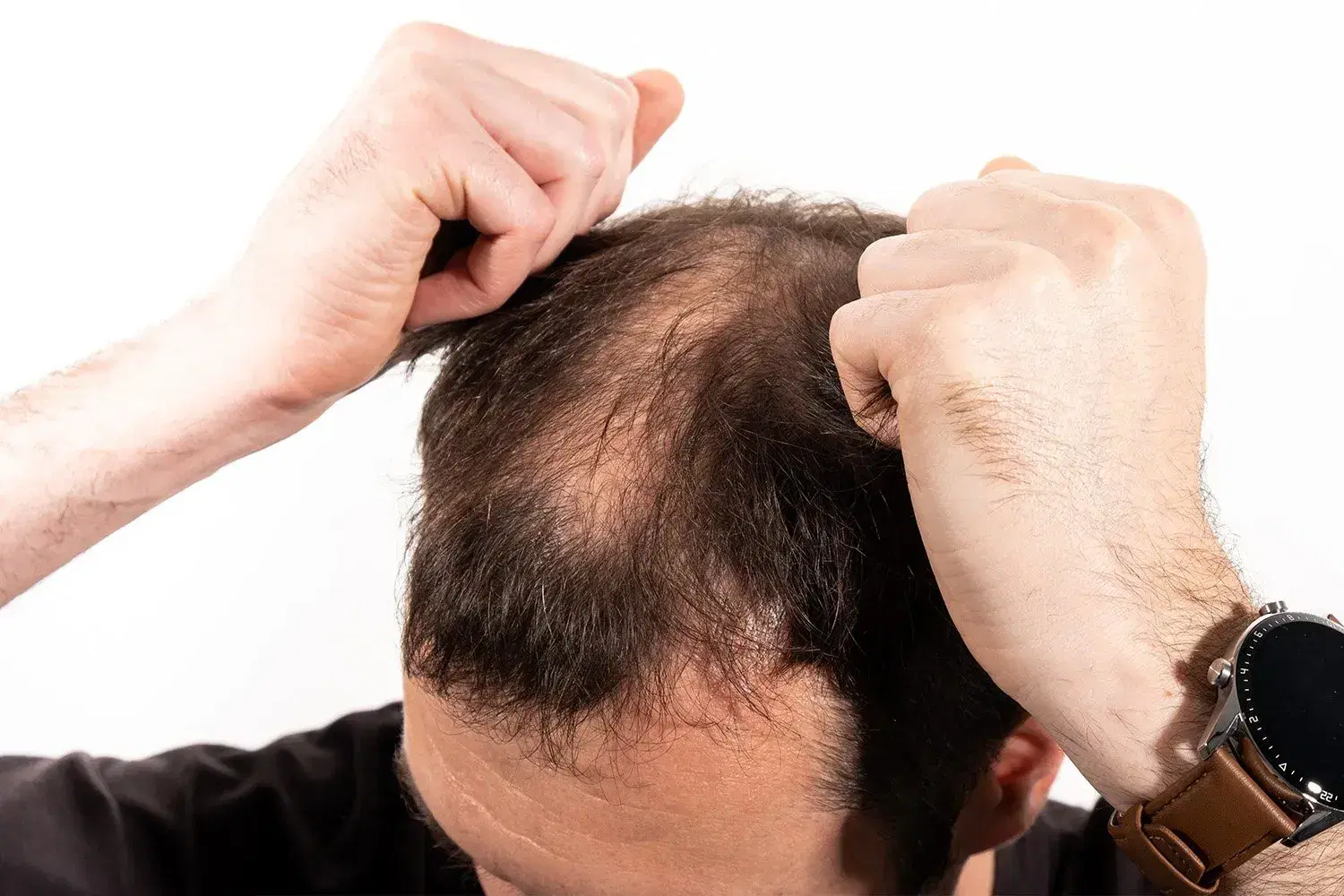
Mexico attracts many hair transplant patients, especially from the United States and Canada, and a safe experience there depends largely on how carefully you check the surgeon, the facility and the plan for aftercare. This guide explains how hair restoration is regulated in Mexico, which risks deserve attention, how to verify credentials and what to ask before you book.
Is a Hair Transplant in Mexico Safe?
A hair transplant in Mexico can be safe when a qualified, licensed physician performs or closely supervises the procedure in a properly licensed medical facility. Mexico has experienced hair restoration surgeons, modern clinics and a regulatory system that requires both facilities and doctors to hold official authorization.
The risks come mainly from providers that cut corners. Some low-cost operations rely heavily on unlicensed technicians, use poorly equipped premises or offer little follow-up once the patient returns home. These problems are not unique to Mexico, but they appear wherever demand for affordable cosmetic procedures grows quickly.
For patients, safety comes down to preparation. Checking credentials, understanding who will perform each step of the surgery and planning aftercare before you travel all reduce the chance of an unpleasant surprise.
Why Do People Travel to Mexico for a Hair Transplant?
People travel to Mexico for a hair transplant mainly because of lower costs, short travel times from North America and the convenience of combining treatment with a trip. For many patients in the southern United States, a clinic across the border can be reached by car or a short flight.
Lower labour and operating costs often allow Mexican clinics to offer prices below those in the United States or Canada. Many clinics also provide English-speaking staff, airport transfers and packages that include accommodation, which makes the logistics easier for international patients.
These advantages are real, but they should never be the only factors in the decision. A lower price only makes sense when the quality of care, the surgeon's experience and the safety standards remain uncompromised.
How Is Hair Restoration Regulated in Mexico?
Hair restoration in Mexico falls under the country's general health laws, which require both healthcare facilities and medical professionals to hold official authorization. The federal health regulator, COFEPRIS, oversees sanitary licensing for facilities, while doctors must hold registered professional credentials.
Facility Licensing
Clinics that perform surgical procedures need a sanitary license from COFEPRIS and should display it where patients can see it. This license confirms that the facility meets requirements for hygiene, equipment and operating conditions. The regulator has previously identified aesthetic clinics operating without proper documentation, with unqualified staff and with poor hygiene, which shows why checking a facility's license matters.
Doctor Credentials and the Cédula Profesional
Every physician practicing in Mexico must hold a cédula profesional, an official professional license number registered with the federal government. Specialists hold an additional cédula for their specialty. You can check these numbers in the national registry of professionals, which allows you to confirm that a doctor's qualifications are genuine. Asking for the cédula of the lead surgeon, not only of the clinic's medical director, gives you a clearer picture of who is responsible for your care.
What Are the Main Risks of a Hair Transplant Abroad?
The main risks of a hair transplant abroad come from the procedure itself, from the quality of the provider and from the challenges of recovering far from home. Like any hair transplant, the procedure can lead to infection, poor graft growth, visible scarring or an unnatural hairline when the planning or technique falls short.
Some risks increase when the provider prioritizes volume over quality. Excessive harvesting can leave the donor area thin and patchy, and delegating key surgical steps to untrained staff can affect graft survival and the final appearance.
Distance adds its own challenges. If a complication appears after you return home, you may need to find local care, and correcting a poor result can be more difficult and expensive than getting it right the first time.
What Red Flags Should You Watch For?
Certain warning signs suggest that a provider may not meet the standards you need for a safe hair transplant:
Prices far below the market average, which can signal shortcuts in staffing, sterile conditions or graft handling.
No clear answer about who performs the surgery, especially if the doctor appears only for the consultation and leaves the rest to technicians.
Unrealistic promises, such as guaranteed density, very large graft numbers in one session or results that ignore your donor supply.
Pressure to book quickly, including limited-time discounts or deposits requested before a proper medical assessment.
Unwillingness to share credentials, such as the doctor's cédula profesional or the facility's sanitary license.
How Can You Verify a Clinic and Surgeon in Mexico?
A few practical checks help you confirm that a clinic and surgeon meet the required standards before you commit:
Check the doctor's cédula profesional in the national registry of professionals, including any specialty registration.
Ask to see the clinic's sanitary license from COFEPRIS and confirm that it covers surgical procedures.
Confirm who performs each step, including graft extraction, site creation and implantation, and how the surgeon supervises the team.
Review before and after photos and patient experiences, focusing on cases with hair types and stages of hair loss similar to yours.
Request a written treatment plan, including the technique, estimated graft numbers, total cost and what follow-up care includes.
Which Mexican Cities Offer Hair Transplants?
Hair restoration clinics in Mexico concentrate mainly in Tijuana, Cancún and Mexico City, with additional providers in other large cities such as Guadalajara and Monterrey. Each location offers different practical advantages for international patients.
Tijuana sits directly across the border from San Diego, which makes it convenient for patients from California and the western United States. Cancún attracts people who want to combine treatment with time in a resort area, although relaxation plans need to respect the restrictions of the recovery period. Mexico City offers a large medical sector and direct flights from many international destinations.
Before choosing a city, check your government's current travel advice for the specific state you plan to visit, since conditions can differ across regions of Mexico.
How Should You Plan Travel and Recovery?
You should plan your travel so that you have enough time for the consultation, the procedure and the first days of recovery before you head home. Most hair transplant patients can travel within a few days, but staying until the first check or the first hair wash gives the team a chance to confirm that healing has started well.
Arrange accommodation close to the clinic and avoid scheduling activities such as swimming, saunas, heavy exercise or long hours in the sun during the first weeks. Wear a loose hat if your surgeon approves it, and keep the scalp clean and protected during the journey.
Ask the clinic how they handle follow-up after you return home. Clear instructions, a direct contact for questions and a plan for remote progress checks are important parts of safe treatment abroad.
What Happens If Something Goes Wrong?
If something goes wrong after a hair transplant in Mexico, your first step should be to contact the treating clinic and, if needed, seek local medical care for urgent issues such as signs of infection. Keep copies of all records, including the treatment plan, graft numbers, medications and photographs.
Mexico offers formal routes for resolving medical disputes. CONAMED, the national medical arbitration commission, provides free mediation between patients and providers, and civil claims can go through the courts. State medical councils handle professional discipline. These processes can take time, so choosing a reputable provider in the first place remains the best protection.
Travel insurance that covers medical complications can also help, but many standard policies exclude elective cosmetic procedures. Check the terms carefully before you travel.
How Does Mexico Compare With Other Hair Transplant Destinations?
Mexico mainly competes on proximity and convenience for North American patients, while other destinations such as Turkey are known for a very large volume of hair transplant clinics. For someone living in the United States or Canada, Mexico often means shorter travel, fewer time-zone changes and easier follow-up visits.
The same safety principles apply in every country. Licensed facilities, qualified surgeons, transparent planning and solid aftercare matter far more than the destination itself. A careful patient can find good care in many countries, and a rushed decision can lead to problems anywhere.
Comparing destinations makes the most sense when you compare specific providers, their credentials and their approach, rather than country averages.