
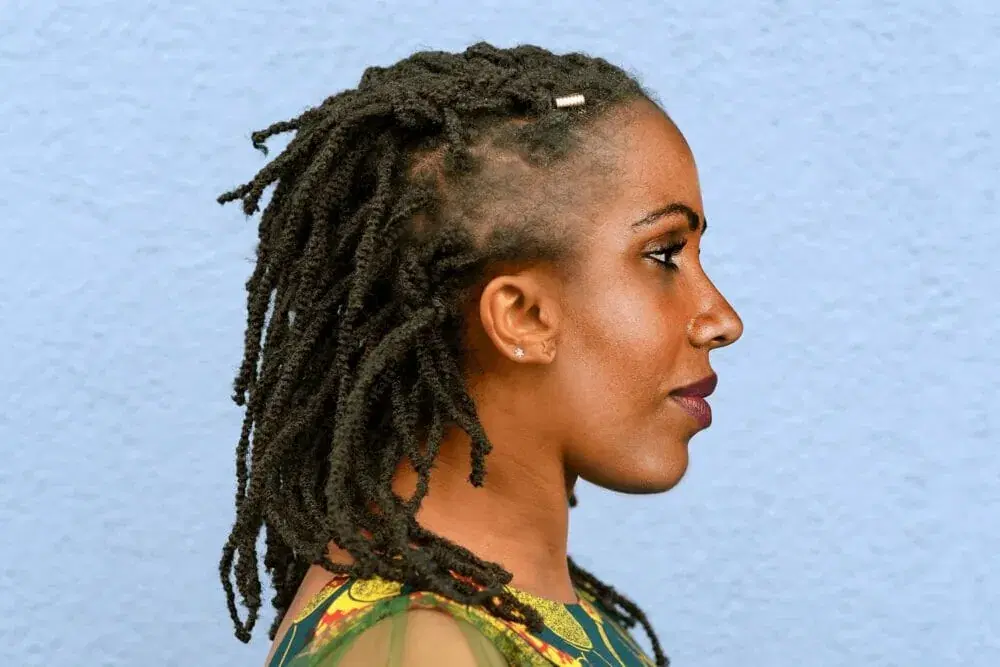
What Is Traction Alopecia in Black Women?
Traction alopecia develops when repeated pulling places continuous stress on hair follicles, gradually weakening their ability to produce healthy hair. Unlike hereditary hair loss, which involves genetic and hormonal influences, this condition results primarily from mechanical tension applied to the hair over time.
Black women may encounter traction alopecia because certain hairstyles involving braids, extensions, wigs or tightly secured hair are commonly worn for convenience, versatility and personal expression. However, the hairstyles themselves are not inherently harmful. The risk increases when they create excessive tension, remain tightly secured for extended periods or repeatedly pull on the same areas.
The earliest changes often appear around the edges, where fine hairs may become shorter or less dense. Without intervention, prolonged tension can eventually lead to scarring and permanent follicle loss.
Recognizing the condition before substantial damage occurs creates an opportunity to preserve hair density while maintaining styling choices that remain comfortable and manageable.
Why Does Repeated Tension Cause Hair Loss?
Hair follicles sit within the scalp and produce individual strands through a continuous growth cycle. When a hairstyle repeatedly pulls on these follicles, the surrounding tissues experience mechanical stress that can trigger irritation and interfere with normal hair production.
Initially, the damage may affect the hair shaft or cause temporary follicular inflammation. A person might notice short broken hairs, scalp tenderness or thinning around areas exposed to the greatest pulling force.
When the tension continues, the affected follicles can experience repeated injury. Over time, prolonged inflammation and tissue damage may result in scarring, replacing functioning follicles with tissue that can no longer produce hair.
This progression explains why traction alopecia may be reversible in its early stages but increasingly difficult to treat when hair loss has continued for years.
Reducing tension before permanent scarring develops remains one of the most important measures for protecting the hairline and maintaining healthy follicles.
Which Hairstyles Can Increase the Risk of Traction Alopecia?
Several popular hairstyles can contribute to traction alopecia when their installation, weight or maintenance creates continuous pressure on the hairline and scalp.
Tight braids and cornrows: Braids secured too firmly against the scalp can place sustained tension on the hair roots, particularly around the temples and forehead. Pain, headaches or visible pulling of the skin indicate that the style needs immediate adjustment.
Heavy extensions and weaves: Additional hair increases the weight supported by natural strands, especially when extensions attach to small sections of hair. Excessive weight or tightly constructed foundations can gradually weaken follicles near the attachment points.
Tightly secured ponytails and buns: Repeatedly pulling the hair backward into sleek styles concentrates tension along the frontal hairline. Wearing the same tight style daily prevents vulnerable areas from receiving adequate relief.
Wigs and tightly fitted installations: Wigs can provide convenient styling options, but restrictive bands, clips, combs and tightly braided foundations may irritate the scalp. Improperly removed adhesives can also damage the hairline and surrounding skin.
What Are the Early Signs of Traction Alopecia?
Early traction alopecia may develop gradually, making subtle changes around the hairline particularly important to recognize before significant thinning occurs.
Thinning around the edges: Reduced density near the temples, forehead or behind the ears is a common early indication. The affected areas often correspond to locations where hairstyles create the strongest pulling force.
Short or broken hairs: Small, uneven strands may appear along the hairline as repeated tension weakens the hair shafts. Breakage can occur alongside follicular hair loss, making it important to examine both the strands and the underlying scalp.
Scalp tenderness and small bumps: Pain, stinging, redness or inflamed bumps around tightly secured hair may indicate irritation. A hairstyle that repeatedly causes discomfort should not be considered a normal part of styling.
Gradual recession of the hairline: Continued tension can produce widening areas of sparse hair, sometimes leaving a narrow fringe of shorter strands at the original hairline. This pattern is one possible clinical sign of traction alopecia.
Why Does Traction Alopecia Often Affect the Hairline and Edges?
The hairline and edges frequently experience greater styling tension because many hairstyles pull the surrounding strands toward a central attachment point or tightly secure them along the scalp.
These areas may contain finer, shorter hairs that provide less resistance to repeated pulling and manipulation. When braids or extensions are installed too tightly, the edges often absorb considerable stress as the surrounding hair is drawn into position.
The temples can become particularly vulnerable when the same hairstyle is repeated without changing the direction or location of tension. Over time, the affected areas may develop a noticeably thinner appearance while hair elsewhere on the scalp remains relatively dense.
Not every receding hairline results from traction, however. Other forms of alopecia can produce similar changes, making the distribution of hair loss and the history of hairstyling important parts of assessment.
Protecting the edges requires reducing persistent tension rather than relying exclusively on cosmetic products intended to stimulate growth.
Can Braids, Locs, Wigs and Extensions Be Worn Safely?
Braids, locs, wigs and extensions can remain part of a healthy haircare routine when they are worn without excessive tension and the scalp receives appropriate attention. The goal is not to eliminate particular styles but to prevent repeated mechanical injury.
Braids should feel comfortable immediately after installation. Pain, persistent tightness and raised areas of scalp are signs that the hair is being pulled too firmly. Larger sections and reduced extension weight can help distribute tension more evenly.
Locs also require consideration as they grow longer and become heavier. Regular maintenance should avoid excessive tightening at the roots, particularly around the hairline.
Wigs can offer a useful alternative when they do not rely on restrictive attachments or tightly braided foundations. Choosing comfortable caps and avoiding unnecessary adhesive contact near vulnerable edges helps reduce irritation.
Changing styles periodically and allowing the scalp to recover between higher-tension installations supports greater flexibility without compromising hair health.
How Do Hair Texture and Chemical Treatments Affect Hair Damage?
Afro-textured hair includes a wide range of curls, coils and strand characteristics, all of which influence how hair responds to manipulation. Tight curl patterns often contain multiple bends along the shaft, making gentle detangling and adequate moisture particularly important for reducing breakage.
However, tightly coiled hair does not automatically cause traction alopecia. Mechanical stress remains the primary factor, and people with any hair texture can develop the condition when hairstyles repeatedly pull on the follicles.
Chemical relaxers can weaken the hair shaft, increasing breakage when combined with tight braids or heavy extensions. Frequent heat styling may create additional damage, especially when already fragile strands receive repeated tension.
Understanding different Afro hair types helps explain why moisture needs, curl patterns and handling techniques can vary considerably between individuals.
A suitable routine should accommodate the natural characteristics of the hair rather than forcing every texture into the same styling or maintenance approach.
How Is Traction Alopecia Different From Other Types of Hair Loss?
Traction alopecia has a mechanical cause, but thinning around the hairline or crown can also result from several unrelated conditions. Distinguishing these patterns is essential because the appropriate treatment depends on identifying the underlying problem.
Female pattern hair loss often produces gradual thinning around the central parting or crown as follicles become progressively smaller. Traction alopecia more commonly affects areas exposed to repeated pulling, particularly around the frontal and temporal hairline.
Central centrifugal cicatricial alopecia, commonly abbreviated as CCCA, represents another important consideration in Black women. This condition frequently begins near the crown and involves inflammation that can permanently damage follicles.
CCCA belongs to the broader category of cicatricial alopecia, which includes disorders associated with follicular destruction and scarring.
Traction alopecia can also develop scarring after prolonged injury, making the distinction less obvious in advanced cases. A scalp examination, sometimes supported by magnification or biopsy, can help establish the correct diagnosis.
Can Hair Grow Back After Traction Alopecia?
Hair regrowth is possible when traction alopecia is identified before permanent follicular damage develops. During the early stages, reducing the pulling force may allow affected follicles to return to healthier growth patterns over time.
Removing tight extensions or changing a hairstyle does not produce immediate visible regrowth because follicles follow a biological growth cycle. Several months may pass before new strands become noticeable, particularly when the hairline has experienced prolonged stress.
The outcome becomes less predictable when the scalp develops extensive scarring. Areas that appear smooth and shiny, with few visible follicular openings, may indicate that functioning follicles have been permanently lost.
Once scar tissue replaces the follicles, ordinary hair products cannot restore their original growth capacity.
Early intervention therefore matters more than waiting for a visibly large bald area to develop. Preserving follicles that remain active offers a stronger opportunity for recovery than attempting to reverse longstanding scarring.
What Treatments Are Available for Traction Alopecia?
Treatment begins by removing the source of excessive tension. Continuing to wear a painful hairstyle while applying growth products can undermine recovery because the mechanical injury remains active.
A dermatologist may recommend topical minoxidil to encourage regrowth in areas where follicles remain viable. This treatment requires consistent use and realistic expectations, as improvement develops gradually rather than within a few days.
When inflammation is present, medical treatment may include topical corticosteroids or carefully selected injections to reduce irritation. Folliculitis or other scalp conditions may require additional treatment, including antibiotics when medically indicated.
Hair oils, supplements and cosmetic scalp treatments should not be treated as substitutes for diagnosis and reducing tension. Although suitable conditioning products can improve hair shaft manageability, they cannot recreate follicles destroyed by scarring.
The central treatment goals are to stop ongoing damage, address inflammation and support regrowth where healthy follicles remain.
How Can Black Women Prevent Traction Alopecia?
Preventing traction alopecia involves reducing repeated stress on the follicles while keeping hairstyling routines practical and adaptable.
Choose comfortable, low-tension hairstyles: Braids, twists and other styles should not create scalp pain or pull the skin upward. Loosening the edges and avoiding excessive weight helps protect areas most vulnerable to mechanical stress.
Rotate hairstyles and attachment points: Repeatedly placing tension on identical sections can increase cumulative damage. Alternating between loose natural styles, comfortable twists and appropriately installed protective hairstyles allows stressed areas to recover.
Limit extension weight and prolonged wear: Heavy or excessively long extensions can place additional force on small sections of natural hair. Removing styles before excessive tangling develops also reduces the need for forceful detangling.
Monitor the hairline regularly: Checking the temples, edges and areas behind the ears helps identify early thinning, broken strands or irritation. Consistent photographs under similar conditions can make gradual changes easier to recognize.
What Hair Care Routine Supports a Healthy Scalp?
A practical routine for traction-prone hair focuses on gentle cleansing, manageable moisture levels and minimizing unnecessary manipulation. Maintaining a clean scalp helps remove accumulated sweat and styling products while allowing early irritation to become more noticeable.
Use a gentle shampoo at a frequency appropriate for scalp condition and product buildup. Follow with conditioner to improve slip during detangling, particularly when the hair has tight coils or becomes dry between washes.
Detangle in manageable sections, beginning at the ends and gradually working toward the roots. Pulling a comb forcefully through knots may increase breakage and place additional tension on sensitive follicles.
Moisturizing products can help maintain flexibility along the hair shaft, but applying large quantities of oil does not directly stimulate dormant follicles or reverse scar formation.
Nighttime care also matters. Comfortable satin or silk coverings may reduce friction, provided they do not grip the hairline tightly or pull the hair backward.
When Is Hair Transplantation an Option for Traction Alopecia?
Hair transplantation may become an option when traction alopecia has caused permanent hair loss and the affected scalp has remained stable after removing the source of tension. Surgery is generally considered only after the underlying condition has been properly assessed and active inflammation has resolved.
During transplantation, healthy follicles are harvested from a suitable donor area and implanted into regions where natural follicles are no longer functioning. Reconstructing the frontal hairline or improving coverage near the temples may be possible when sufficient donor hair remains available.
Scarred recipient tissue presents additional challenges because its blood supply and structure may differ from healthy scalp. These differences can influence graft survival and limit the density that can be achieved safely.
Hair transplantation also does not prevent future traction alopecia. Returning to tightly secured hairstyles after restoration could expose both transplanted and existing follicles to renewed mechanical stress.
For this reason, lasting improvement requires sustainable hairstyling habits alongside any surgical treatment.
How Long Does Traction Alopecia Recovery Take?
Recovery from traction alopecia involves two separate processes: relieving scalp irritation and allowing surviving follicles to resume visible hair production. The first may improve relatively quickly after excessive tension is removed, while new hair growth takes considerably longer.
Tenderness and discomfort may begin settling once tight styling is discontinued. However, areas affected by follicular inflammation or other scalp conditions may require additional treatment before symptoms fully resolve.
When follicles remain healthy enough to recover, early regrowth may become noticeable over several months. Fine new hairs can appear around the edges before they develop sufficient length to contribute meaningfully to overall density.
Progress is not always uniform, and some areas may recover more slowly than others. Longstanding patches with established scarring may show little or no spontaneous regrowth.
Monitoring changes through consistent photographs every few months provides a clearer assessment than repeatedly examining the hairline each day.
When Should You See a Dermatologist for Hairline Thinning?
Medical evaluation becomes important when thinning around the edges continues despite changes in hairstyling or when the scalp develops discomfort, inflammation or visible patches of hair loss.
A receding hairline should not automatically be attributed to braids or extensions, particularly when the thinning progresses in areas that are not exposed to tension. Other disorders, including CCCA, alopecia areata and female pattern hair loss, may require different forms of treatment.
A dermatologist can examine the scalp, review current and previous hairstyling practices and identify whether follicular openings remain visible. Magnified examination may reveal signs of inflammation, broken hairs or scarring that are difficult to recognize without professional assessment.
Painful bumps, persistent redness, scaling and rapidly expanding bald areas deserve particularly prompt attention.
Early diagnosis helps distinguish conditions that may respond to simple changes in haircare habits from disorders requiring medical treatment to prevent irreversible follicular damage.
How Can You Maintain Healthy Hair Without Giving Up Your Style?
Managing traction alopecia does not require abandoning the hairstyles that form part of personal identity, cultural expression or everyday convenience. Instead, maintaining healthy hair involves adapting installation techniques, reducing unnecessary weight and recognizing when a style creates discomfort.
A protective hairstyle should reduce manipulation without introducing sustained tension. Loose twists, comfortable braids, natural hairstyles and carefully fitted wigs can provide flexibility when they allow the scalp to remain clean and free from excessive pulling.
Working with a stylist who respects scalp comfort can also make a meaningful difference. Tightness should never be accepted as proof that a hairstyle has been installed correctly or will remain attractive for longer.
Regularly checking the hairline and changing routines when early warning signs appear allows styling decisions to support long-term hair health.
Final Thoughts on Traction Alopecia in Black Women
Traction alopecia in Black women develops through repeated mechanical stress on hair follicles, with early thinning often appearing around the edges, temples and frontal hairline. Recognizing discomfort, broken strands and gradual hairline recession provides an opportunity to reduce damage before permanent scarring occurs.
A combination of low-tension hairstyles, gentle haircare practices and appropriate medical treatment can help protect existing follicles and support regrowth when the affected areas remain viable.
Maintaining healthy hair does not mean giving up personal style. The most sustainable approach allows versatility and self-expression while keeping the scalp comfortable and preventing the repeated tension responsible for traction-related hair loss.