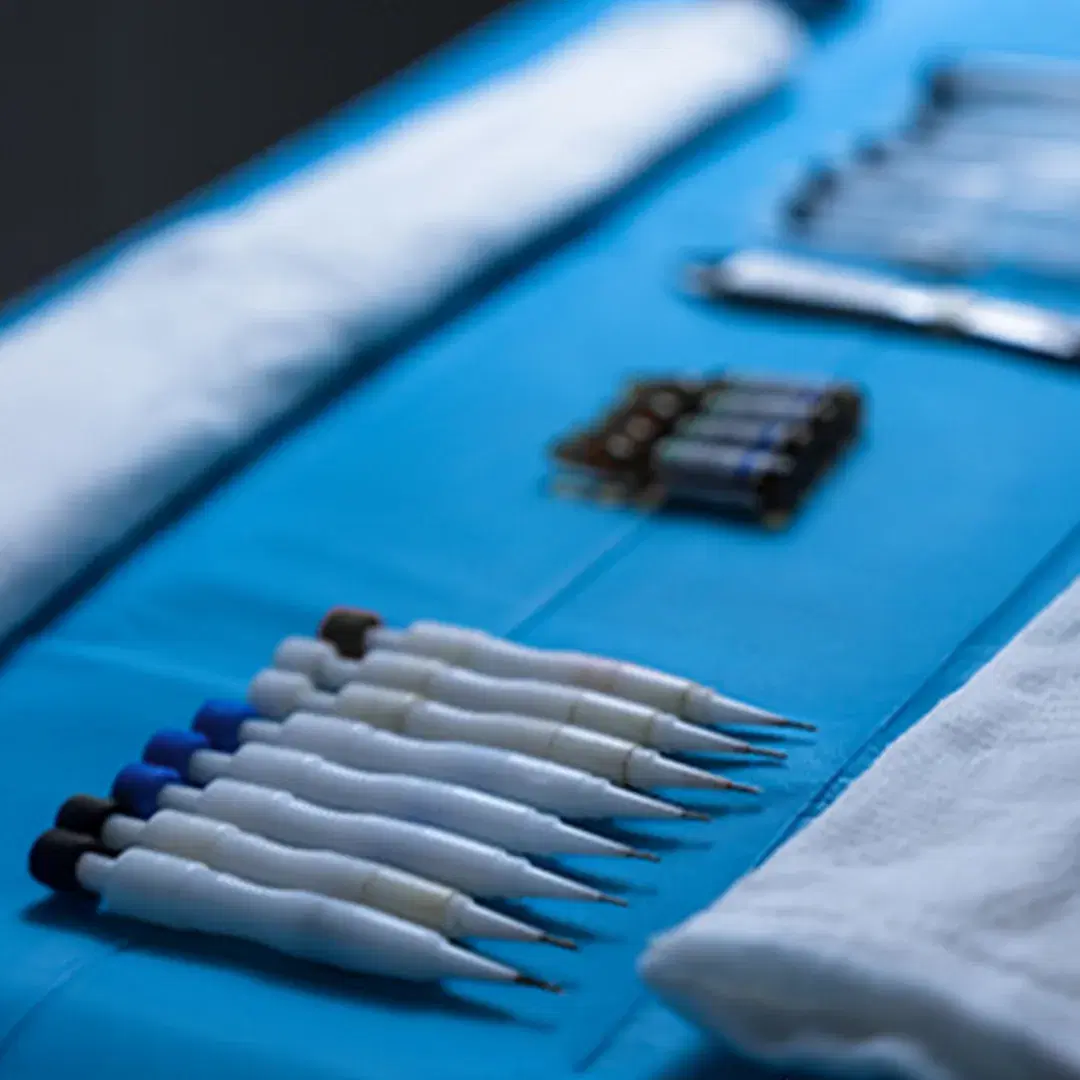
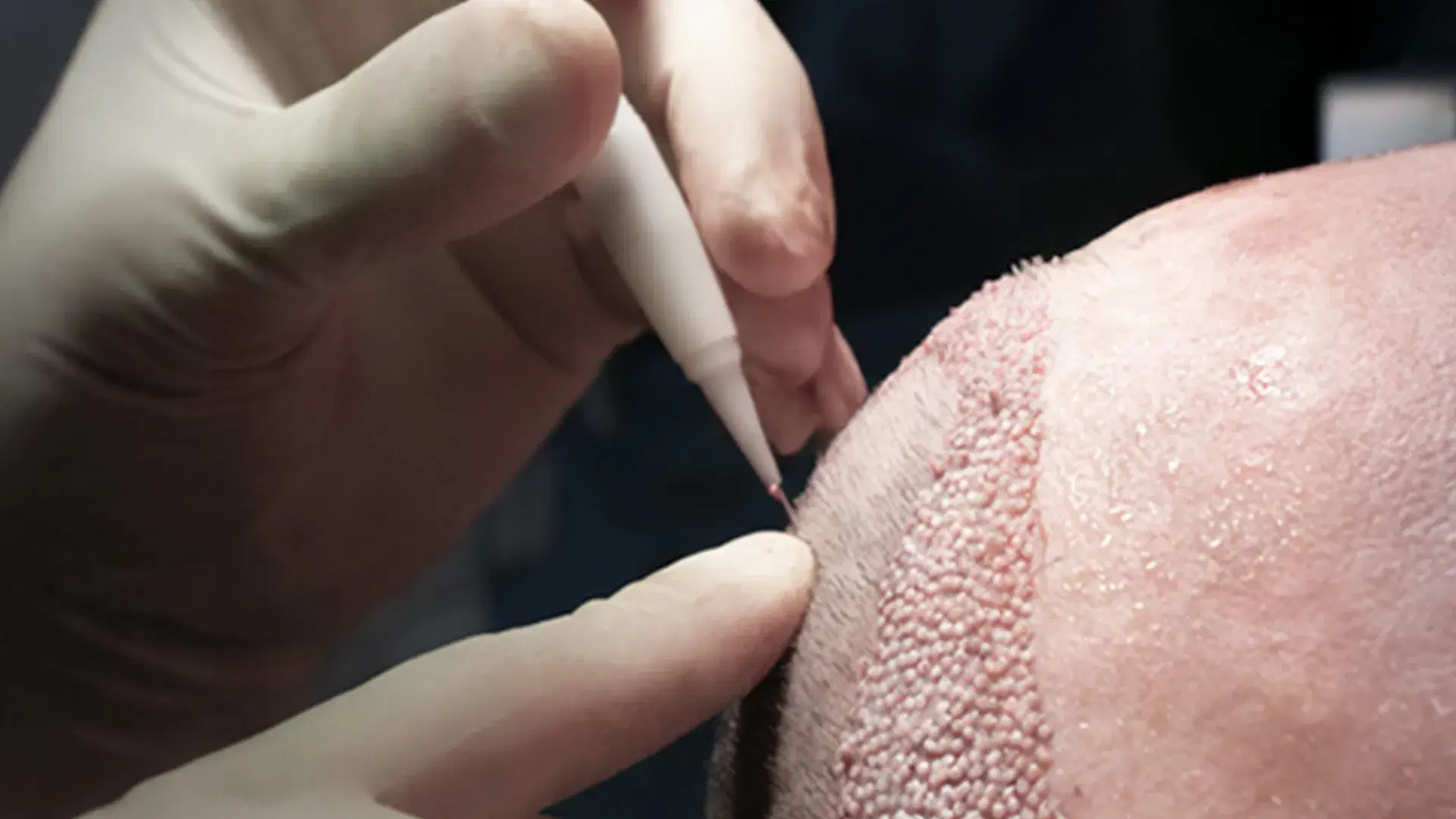
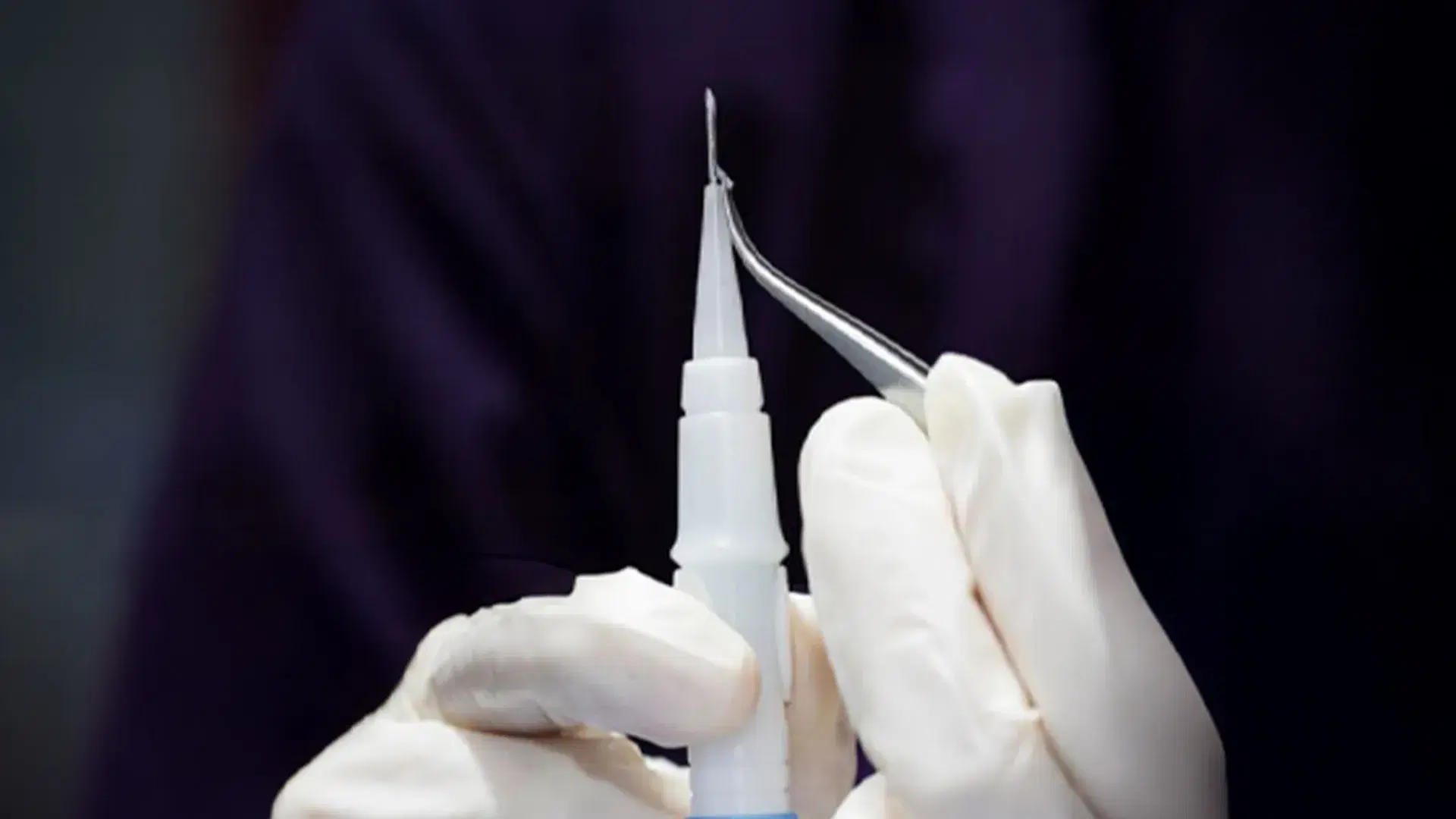
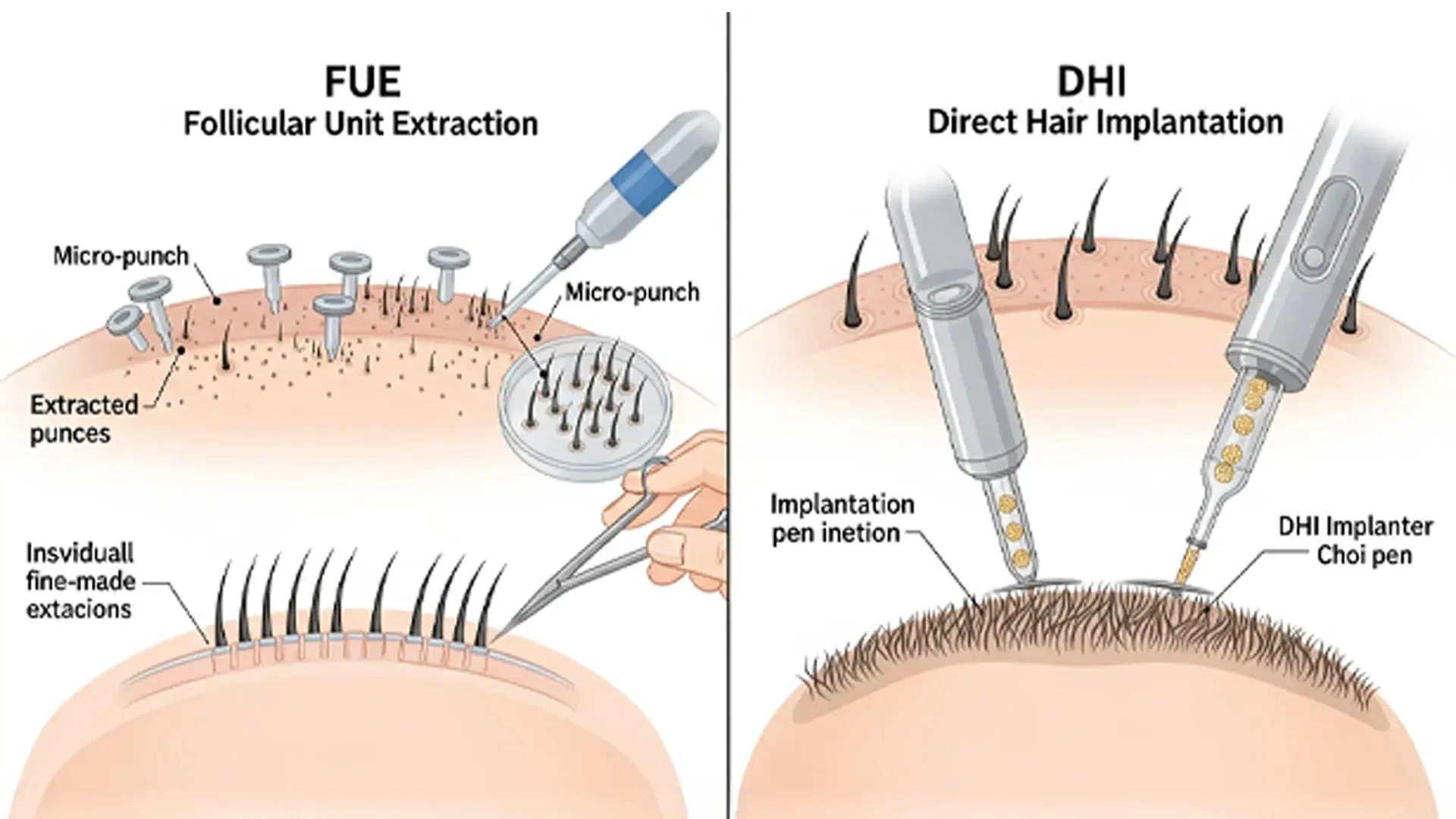
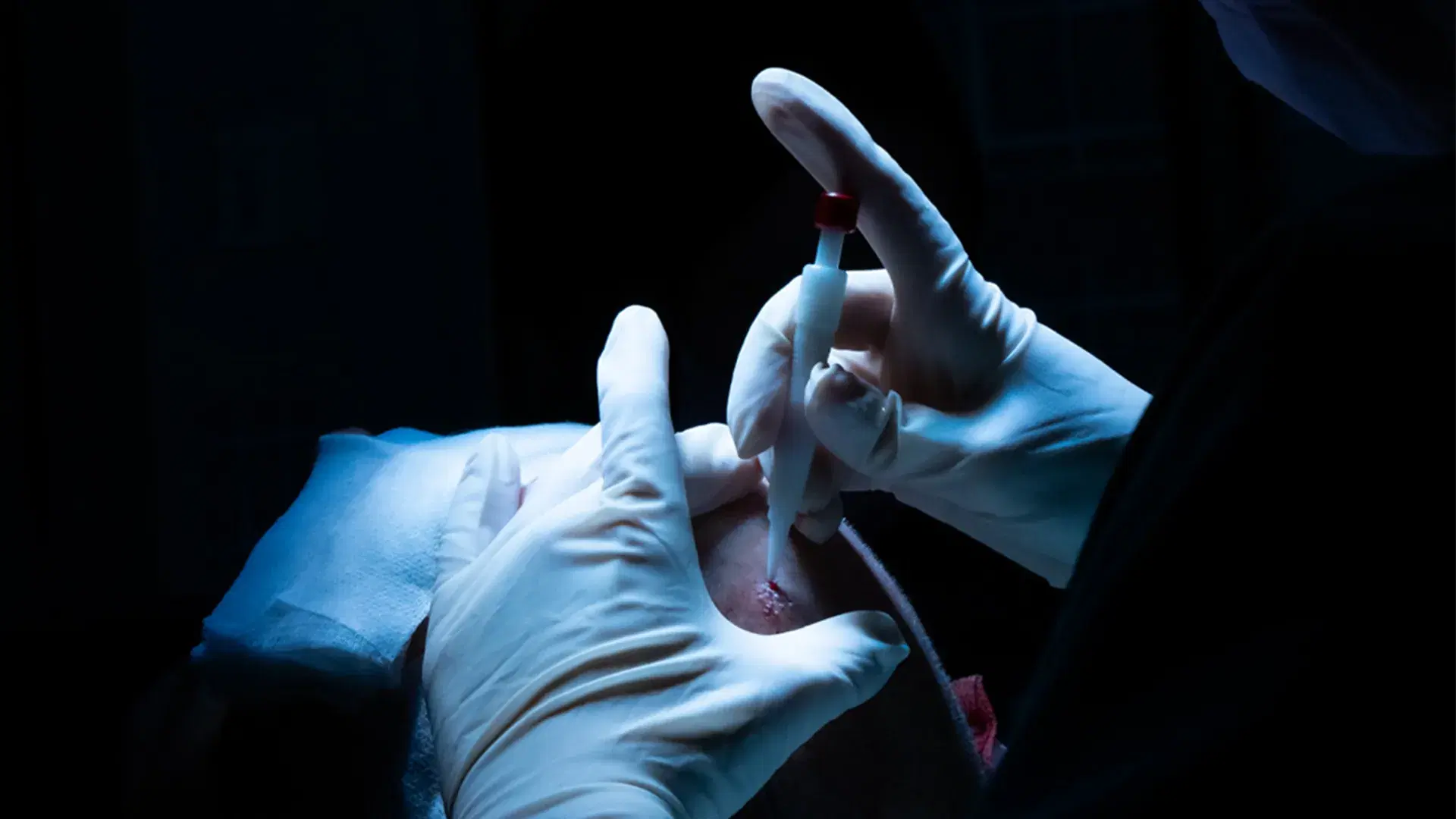
Many surgeons use implanter pens because they provide a high level of control during graft placement. Since the appearance of a hair transplant is influenced by graft positioning, implantation technique is an important part of the overall procedure.
Control Over Angle and Direction
The implanter pen allows precise adjustment of the angle and direction of each graft during implantation. This level of control can be particularly useful when designing natural hairlines, restoring temple areas, or integrating transplanted follicles with existing hair.
Accurate graft orientation helps support a natural-looking growth pattern after healing.
Reduced Handling of Grafts
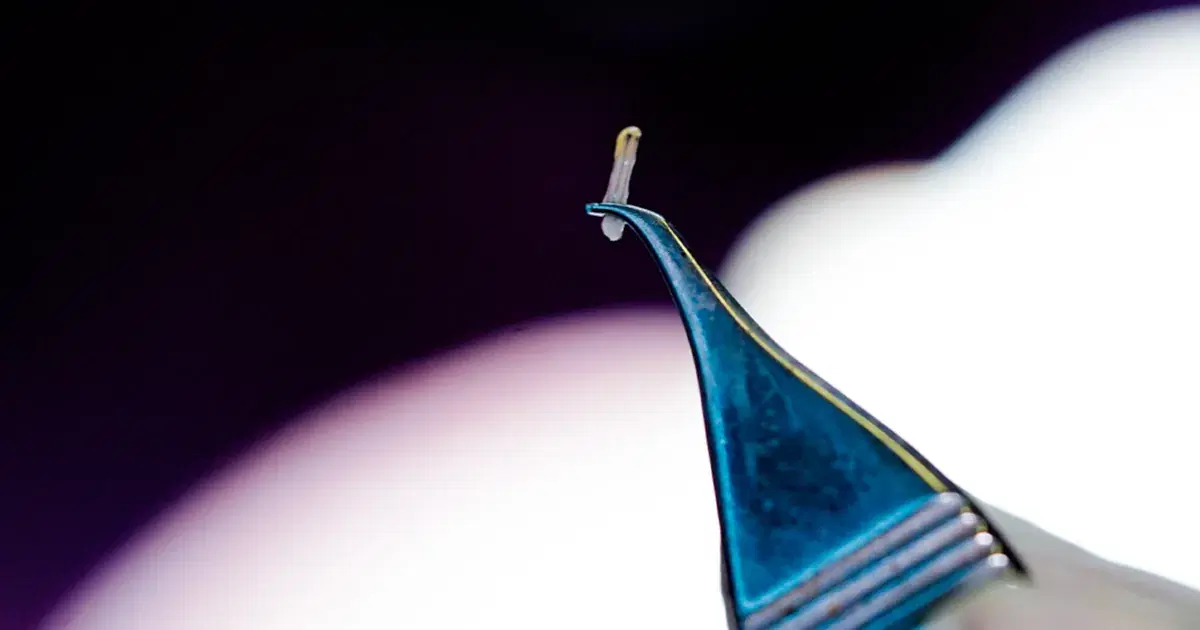
Compared with some traditional implantation methods, the implanter pen may reduce direct handling of hair follicles during placement. Once a graft is loaded into the device, it can be implanted with minimal additional manipulation.
Limiting unnecessary handling may help preserve graft integrity throughout the implantation process.
Consistent Implantation Depth
The design of the device allows the surgeon to control implantation depth more consistently. Proper depth placement may support uniform healing and contribute to more predictable growth patterns.
Accurate depth control can also help create a smoother and more natural appearance in the recipient area.
Potential for High-Density Placement
Because channel creation and graft implantation occur in a single step, the implanter pen can facilitate precise placement of grafts in closely spaced areas when appropriate.
This characteristic may be particularly useful in regions where increased density is desired, such as the frontal hairline and other detailed aesthetic zones. For this reason, implanter pens remain widely used in modern hair transplantation procedures.