Esthetic Hair Logo header svg
The Best Donor Area for Hair Transplant
Badge Icon

intro

The Best Donor Area for Hair Transplant

If you’re thinking about a hair transplant, one of the biggest questions is this: what is the best donor area for hair transplant? The donor area determines how natural, dense, and long-lasting your results will be, so it’s not something to overlook.

The donor area is the region where healthy follicles are harvested before being implanted into thinning or bald spots. Not all hair has the same strength or resistance to hair loss, which is why finding the best donor area is crucial for permanent results.


Share

Start Your Personalized Hair Treatment Journey

Book a consultation and discover the most effective hair transplant or therapy option tailored to your hair needs and expectations.

Why the Back of the Head Is the Best Donor Area

Why the Back of the Head Is the Best Donor Area

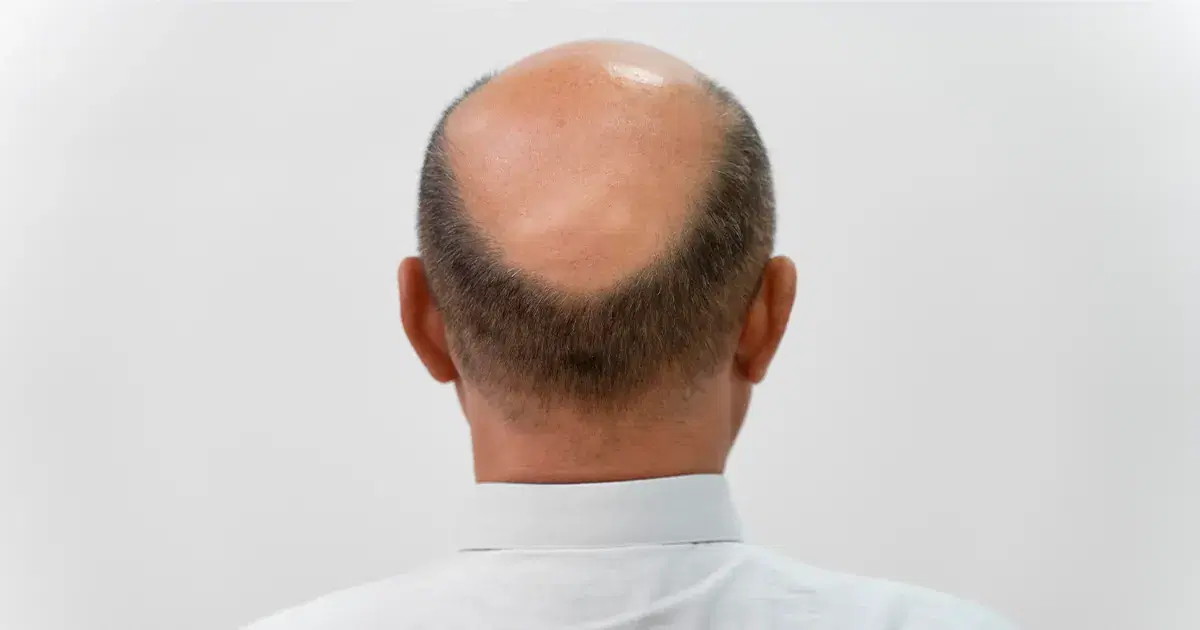
For most patients, the back of the scalp is considered the ideal donor area for a hair transplant. Hair follicles in this region are genetically resistant to DHT, the hormone primarily responsible for male pattern baldness. Because of this resistance, grafts taken from the back of the head tend to survive long term and continue growing for life after transplantation.

Another key advantage is consistency. The hair at the back of the scalp usually has a stable growth cycle and a similar thickness across the area, which allows surgeons to extract grafts evenly without creating visible thinning. When these grafts are transplanted to the hairline, mid-scalp, or crown, they blend naturally with existing hair.

In addition, the texture, color, and curl pattern of donor hair from the back of the head closely match the rest of the scalp. This helps create seamless, natural-looking results that are difficult to distinguish from non-transplanted hair, even at close range.


Are the Sides of the Head a Good Donor Area?

Are the Sides of the Head a Good Donor Area?


Yes, the sides of the scalp can also serve as a reliable donor area for a hair transplant. Similar to the back of the head, hair follicles in this region are generally more resistant to genetic hair loss, which means grafts taken from the sides tend to remain permanent after transplantation.

Surgeons often use the sides in combination with the back of the scalp to increase the total number of available grafts and improve overall coverage. This is especially useful for patients who need higher hair density or have already had a previous transplant.

That said, the sides typically offer a lower graft yield compared to the back, and the hair may be slightly finer in texture. For this reason, the back of the head remains the primary donor zone, while the sides are used strategically to support and enhance the final result.


Can Beard or Body Hair Work as a Donor Area?

Can Beard or Body Hair Work as a Donor Area?


When the scalp donor area is limited, beard hair or even body hair can be used as additional donor sources. Learn more about how body hair can be transplant to scalp. Among these options, beard hair is generally preferred. It is thicker, stronger, and has a robust follicle structure, which makes it a useful backup for adding density, especially in areas like the crown or mid-scalp.

However, body hair from areas such as the chest, shoulders, or abdomen is considered less ideal. Body hair has a different growth cycle, shorter anagen phase, and varying texture compared to scalp hair. Because of these differences, it may not blend naturally with existing scalp hair. Clinical reviews comparing body and scalp hair in transplantation highlight these limitations and note that aesthetic consistency can be harder to achieve (PMC).

For these reasons, beard and body hair are viewed as secondary donor options, not replacements for scalp hair. They are typically used to supplement results when scalp donor supply alone is not sufficient. If you’re curious about how body hair can be transplanted to the scalp and what kind of results are realistic, check out our full guide on body hair transplant to head.


Does the Hair Transplant Technique Affect the Donor Area?

Does the Hair Transplant Technique Affect the Donor Area?

The hair transplant technique can influence how the donor area is managed, but it doesn’t change where the hair comes from. Both FUE and DHI rely on the back and sides of the scalp, which are naturally resistant to hair loss. Proper donor management is key to preserving density and supporting healthy hair growth.


FUE Donor Area

With the FUE technique, individual follicular units are extracted carefully across the donor zone. This controlled approach helps maintain a natural appearance, prevents overharvesting, and keeps the donor area healthy for potential future procedures.


DHI Donor Area

DHI technique uses a similar extraction process but differs during implantation, employing a specialized implanter pen to place grafts directly. While the method of implantation changes, the donor area remains the same, and careful planning is still critical to preserve scalp density.


Key Considerations for Both Techniques

Regardless of the technique, spacing, graft selection, and surgeon experience are essential. Both FUE and DHI rely on the same donor zones, so the choice of method affects placement and precision rather than the donor source itself.

Caring for the Donor Area After Transplant

Caring for the Donor Area After Transplant

Proper aftercare plays a key role in how well the donor area heals and how healthy it remains long term. Following the right steps helps reduce irritation, speeds up recovery, and protects the donor zone for possible future procedures. Consistent care also helps minimize visible scarring and keeps the surrounding hair and skin in good condition.


Follow Your Surgeon’s Aftercare Instructions

Your surgeon’s guidelines are specifically designed to support healing and prevent complications. This includes detailed instructions on washing techniques, medications or topical treatments, sleeping positions, and activity restrictions. Sticking closely to these recommendations helps ensure smooth healing and reduces the risk of unnecessary side effects.


Keep the Donor Area Clean and Avoid Scratching

Gentle cleansing keeps the donor site free from infection, excess oil, and debris. It is normal to experience itching during healing, but scratching, rubbing, or picking at scabs should be avoided. Disturbing the area can damage the skin, slow recovery, and affect the appearance of the donor zone.


Protect the Scalp From Direct Sunlight

The donor area is particularly sensitive after surgery. Direct sun exposure can increase redness, dryness, and discomfort, and may prolong the healing process. Wearing a loose, breathable hat and limiting time in strong sunlight helps protect the scalp during the early stages of recovery.


Support Healing With Proper Nutrition

A balanced diet rich in protein, vitamins, and minerals supports tissue repair and healthy hair growth. Nutrients such as iron, zinc, and essential vitamins help strengthen hair follicles and promote proper scalp recovery. Good nutrition also helps the donor area heal faster and more evenly, supporting long-term scalp health and future hair growth.

Conclusion: Best Donor Area for Hair Transplant

The best donor area for hair transplant is almost always the back of the scalp, with the sides as a reliable secondary option. Beard or body hair can be helpful in special situations, but they are not the first choice. By understanding which donor area works best, you can approach your hair restoration with confidence and realistic expectations.

Start Your Personalized Hair Treatment Journey

Book a consultation and discover the most effective hair transplant or therapy option tailored to your hair needs and expectations.