
Does Cancun’s Heat Affect Hair Transplant Recovery?
Cancun’s heat can make hair transplant recovery less comfortable because high temperatures increase sweating, scalp warmth, and sensitivity during the early healing period.
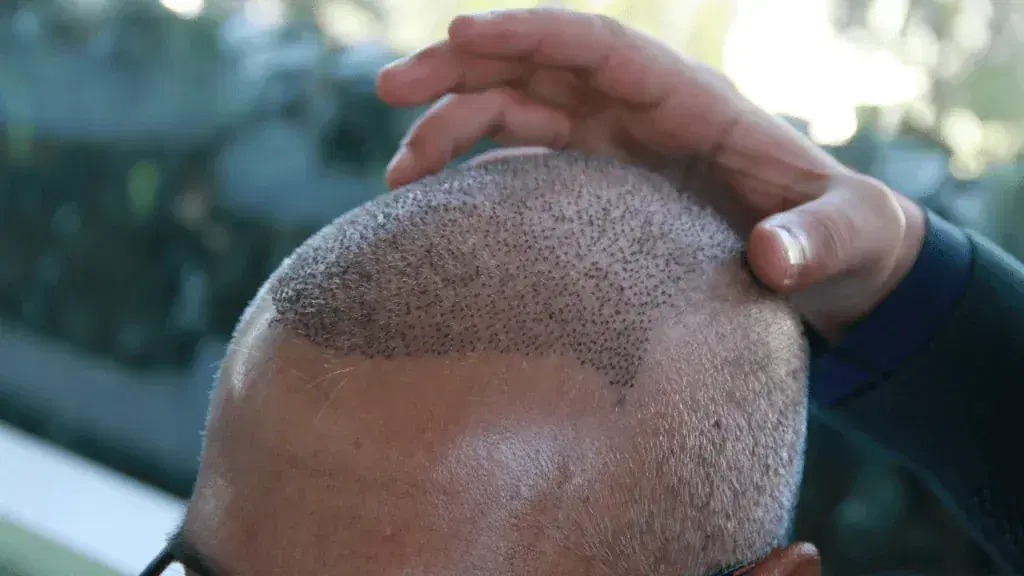
Heat itself does not automatically damage transplanted follicles. The main issue is the environment it creates around a recently treated scalp. Sweating may increase itching, while prolonged outdoor exposure can make redness feel more pronounced. Warm conditions also encourage frequent touching or wiping, which should be avoided. Spending more time indoors, using air conditioning, and limiting midday activity can make recovery easier. Careful planning helps reduce unnecessary irritation while the transplanted area settles.
Is Cancun Too Hot for a Hair Transplant?
Cancun is not inherently too hot for a hair transplant, but recovery requires more careful control of heat, sun exposure, and sweating.
The climate is warm for much of the year, so outdoor routines need to be adjusted after the procedure. Long walks, beach visits, and extended periods in direct sunlight are not ideal during early healing. Air-conditioned accommodation becomes especially useful because it helps keep the scalp comfortable. Short vehicle transfers are preferable to prolonged outdoor movement. The procedure can still fit into a Cancun trip when the recovery schedule is designed around indoor rest and controlled exposure.
How Does Humidity Affect Hair Transplant Recovery?
High humidity can make hair transplant recovery feel warmer because sweat evaporates more slowly and the scalp may remain damp for longer periods.
This does not mean humidity directly harms the grafts. The practical concern is increased discomfort and the possibility of more frequent sweating. A damp scalp can feel itchy, especially while redness and small crusts are still present. Repeated wiping should be avoided because friction can irritate the recipient area. Staying in cool indoor spaces and wearing breathable clothing helps control overall body temperature. Reducing outdoor activity during humid periods can also make the first recovery days easier.
Can Sweating Affect Newly Transplanted Hair Grafts?
Heavy sweating should be limited after a hair transplant because it can irritate the scalp and increase the urge to touch or scratch the treated area.
Sweat does not automatically dislodge well-placed grafts. However, excessive perspiration can make the scalp feel sticky, itchy, or uncomfortable. This becomes more relevant in Cancun, where warm and humid weather can trigger sweating quickly. Physical activity, long outdoor walks, and hot environments should therefore be reduced during early recovery. Keeping the body cool helps control perspiration. The goal is to prevent discomfort from leading to rubbing, scratching, or unnecessary contact with the recipient area.
How Can You Reduce Sweating After a Hair Transplant in Cancun?
You can reduce sweating after a hair transplant in Cancun by staying indoors during the hottest hours and keeping physical activity light.
Air-conditioned spaces are especially helpful because they reduce body temperature without requiring direct contact with the scalp. Short vehicle journeys are preferable to long walks. Lightweight clothing can also improve comfort in humid weather. Meals, supplies, and transportation should be arranged in advance to limit unnecessary outdoor movement. When you do need to go outside, shorter trips are easier to manage. A calm schedule helps keep perspiration under control while the scalp passes through its most sensitive recovery stage.
How Long Should You Avoid Direct Sunlight After a Hair Transplant?
Direct sunlight should be limited for several weeks after a hair transplant because recently treated scalp skin remains more sensitive to heat and ultraviolet exposure.
The first weeks deserve the greatest care, especially while redness or tenderness remains visible. Strong sunlight can make the scalp feel hotter and may prolong discomfort. Cancun’s midday sun can be intense, so outdoor activity should be planned carefully. Shade helps, but it does not eliminate reflected light or heat. Gradual exposure becomes more reasonable as the scalp heals. Until then, shorter outdoor periods and indoor recovery provide a simpler way to protect the recipient area.
Can Strong Sun Damage a Healing Scalp?
Strong sun can irritate a healing scalp and increase redness, heat, and discomfort during the early stage after a hair transplant.
Freshly treated skin reacts more sensitively than normal scalp skin. Long periods under direct ultraviolet exposure can make the area feel dry or tender. Sun exposure also increases sweating, which can create additional itching. The concern is therefore broader than the transplanted follicles alone. Protecting the skin allows healing to continue in a calmer environment. In Cancun, avoiding the strongest daylight hours is particularly useful because the combination of heat and sun can quickly make outdoor recovery uncomfortable.
How Should You Protect Your Scalp From the Cancun Sun?
The simplest way to protect your scalp in Cancun is to limit direct sun exposure and keep outdoor activity brief during early recovery.
Midday hours should be avoided whenever possible because sunlight and heat are strongest then. Vehicle transfers are more comfortable than walking long distances outside. Shade can reduce exposure, but the scalp may still receive reflected light. Tight headwear should not be used when it presses against the recipient area. Once loose head protection becomes suitable, it can provide additional shade. Until then, spending most recovery time indoors offers the most controlled protection from Cancun’s sun.
Can You Use Air Conditioning After a Hair Transplant?
Air conditioning can be used after a hair transplant and often makes recovery more comfortable in Cancun’s warm climate.
A cool room helps reduce sweating and makes elevated sleeping easier. The main consideration is avoiding extremely cold, dry air blowing directly onto the scalp for long periods. Strong airflow can make treated skin feel dry or tight. A moderate room temperature is usually more comfortable than an aggressively cold environment. Positioning the bed away from the direct air stream can also help. Used sensibly, air conditioning supports recovery by keeping body temperature and perspiration under better control.
Can Air Conditioning Dry the Scalp After a Hair Transplant?
Air conditioning can contribute to scalp dryness when the room is very cold or dry and air blows directly onto the treated area.
Recently transplanted skin may already feel tight during early healing. Constant exposure to strong airflow can increase this sensation. That does not mean air conditioning should be avoided, especially in Cancun. The better approach is to use moderate cooling and keep the airflow indirect. A comfortable room temperature reduces sweating without creating excessive dryness. Avoid pointing vents directly toward the bed. Balanced cooling provides the advantages of a cooler environment while keeping the scalp more comfortable.
How Much Water Should You Drink During Recovery in Cancun?
You should maintain regular hydration during recovery in Cancun because warm weather and air conditioning can both increase fluid needs.
There is no single amount that suits every adult, so drinking consistently throughout the day is more useful than forcing a fixed volume. Warm weather can increase water loss through perspiration. Air-conditioned environments may also make thirst less noticeable. Keeping water nearby helps make hydration part of the recovery routine. Adequate fluids support general comfort, especially during travel and hot conditions. Alcohol-heavy hydration strategies should be avoided because they do not serve the same purpose as regular water intake.
Can Dehydration Make Recovery More Uncomfortable?
Dehydration can make the recovery period feel more uncomfortable by increasing fatigue, headache, dry mouth, and general heat sensitivity.
These symptoms can be especially noticeable in Cancun’s climate. Even when most recovery time is spent indoors, airport travel, vehicle transfers, and short outdoor walks can increase fluid loss. Dehydration does not directly determine graft survival, but it can make the entire recovery experience more difficult. Drinking water regularly helps maintain comfort and energy. It can also reduce the temptation to overcompensate with sugary or caffeinated drinks. Simple hydration supports a steadier recovery routine.
When Can You Walk Outside After a Hair Transplant in Cancun?
Short outdoor walks can usually begin early, but they should remain brief and avoid strong sun, heat, and heavy sweating.
Walking itself is not the main concern. Cancun’s climate can turn a simple walk into more demanding physical activity, especially around midday. Short trips near the hotel are easier to manage than long sightseeing routes. Shade and air-conditioned stops can also help reduce heat exposure. If the scalp starts feeling hot or sweaty, returning indoors is sensible. Outdoor movement should remain functional rather than recreational during the first days, with longer walks added gradually as recovery becomes more comfortable.
What Is the Best Time of Day to Go Outside During Recovery?
Early morning and later afternoon are generally more comfortable times to go outside because heat and direct sunlight are usually less intense.
Midday conditions can feel demanding in Cancun, especially during warm and humid periods. Avoiding the strongest sun reduces scalp heat and limits sweating. Short trips can therefore be scheduled around cooler parts of the day. This is particularly useful for meals, short walks, or vehicle transfers. Even during cooler hours, prolonged outdoor exposure should still be limited while the scalp is sensitive. The goal is to reduce environmental stress rather than completely avoid normal movement.
Can You Go to the Beach During Hair Transplant Recovery in Cancun?
The beach should be avoided during early hair transplant recovery because Cancun’s sun, heat, salt water, wind, and sand can all irritate the scalp.
Even sitting under shade does not remove every concern. Reflected sunlight from water and sand can still reach the head. Heat can also cause heavy sweating, while wind may carry sand toward the treated area. Swimming introduces another source of irritation through salt water. A short coastal walk is different from spending several hours on the beach. The first recovery days are better spent in a controlled indoor environment rather than trying to adapt beach activities around scalp restrictions.
Can You Swim During Hair Transplant Recovery in Cancun?
Swimming should be postponed during early hair transplant recovery because seawater and pool chemicals can irritate recently treated skin.
Salt water may cause stinging or dryness, while chlorinated water can increase sensitivity. Swimming also usually involves strong sun, heat, and repeated towel use. These factors make beach and pool sessions unsuitable during the first recovery stage. Waiting several weeks gives the scalp more time to heal before regular swimming returns. Cancun may encourage water activities, but the hair transplant trip should remain recovery-focused after the procedure. Swimming is easier to enjoy once scalp restrictions have passed.
Should You Wear a Hat in Cancun After a Hair Transplant?
A hat should only be worn when it can sit loosely without pressing, rubbing, or dragging across the transplanted area.
Cancun’s sun makes head protection attractive, but tight caps can create friction during early healing. The recipient area should remain free from unnecessary contact while grafts settle. Once headwear becomes appropriate, a loose and breathable option is more comfortable in humid conditions. The hat should also be clean and easy to remove. Headwear is not a substitute for limiting strong sun exposure. During the earliest days, staying indoors often provides simpler protection than relying on a hat outdoors.
Can Heat Increase Itching After a Hair Transplant?
Heat can increase itching after a hair transplant because sweating and scalp warmth can make healing skin feel more irritated.
Itching often develops as the scalp heals, even without hot weather. Cancun’s climate can intensify that sensation when the scalp remains warm or damp. Scratching should be avoided because it can irritate the recipient area. Reducing heat exposure is therefore one of the simplest ways to control discomfort. Air conditioning, short outdoor trips, and light clothing can all help. Keeping the scalp comfortable reduces the likelihood that itching leads to repeated touching or rubbing.
How Should You Sleep in Cancun After a Hair Transplant?
You should sleep with your head elevated and keep the transplanted area from rubbing against the pillow during the first nights.
Cancun’s heat can make elevated sleeping feel warmer than usual, so a cool room is helpful. Back sleeping is generally the easiest position for protecting the frontal and upper scalp. Extra pillows can raise the upper body, while a neck pillow can help stabilize the head. Strong air conditioning should not blow directly onto the scalp throughout the night. Preparing the sleeping setup before bedtime reduces repeated adjustments and helps keep the grafts protected.
Can Hot Showers Affect Hair Transplant Recovery?
Very hot showers should be avoided during early recovery because heat and steam can increase scalp sensitivity and discomfort.
The scalp should also be washed gently without high water pressure. Hot water may make treated skin feel more irritated, especially when redness is still present. Lukewarm water is generally more comfortable and easier to control. Cancun’s warm weather may make cooler showers appealing, but extreme temperatures are unnecessary. The goal is a gentle washing environment that avoids both heat and pressure. Keeping shower time comfortable helps protect the scalp while normal hygiene gradually resumes.
When Can You Exercise in Cancun After a Hair Transplant?
Intense exercise should be postponed during early recovery because physical activity in Cancun can quickly increase body heat and sweating.
Light walking is generally easier to reintroduce first. Running, gym sessions, beach sports, and high-intensity workouts create more perspiration and physical strain. Cancun’s warm climate can amplify these effects even during moderate exercise. Returning gradually allows the scalp to heal without repeated heat exposure. Indoor activity in a cool environment is easier to manage than outdoor exercise. The priority during the first recovery stage is controlling sweat and avoiding accidental contact with the recipient area.
What Should You Avoid During Hair Transplant Recovery in Cancun?
The main recovery risks in Cancun come from heat, sun, sweating, swimming, sand, friction, and unnecessary outdoor activity.
Avoid prolonged direct sunlight.
Avoid heavy sweating and intense exercise.
Avoid beach and pool swimming.
Avoid scratching or rubbing the scalp.
Avoid tight hats that press on the grafts.
Avoid long walks during the hottest hours.
Avoid hot showers and steam-heavy environments.
Avoid extended time on sandy beaches.
Avoid direct cold airflow onto the scalp.
These precautions help keep recovery more comfortable and reduce environmental irritation during the first weeks.
How Should You Choose a Hotel for Recovery in Cancun?
A recovery-friendly hotel should offer reliable air conditioning, a quiet room, easy food access, elevators, and convenient transportation.
The best location is not necessarily the property closest to the beach. Recovery depends more on indoor comfort than resort entertainment. A cool room reduces sweating, while nearby dining limits unnecessary travel. Elevators help avoid repeated physical effort. Short transfers to essential appointments also reduce sun exposure. Extra pillows are useful for elevated sleeping during the first nights. Choosing accommodation around these practical needs can make Cancun’s heat much easier to manage during the early recovery period.
How Long Should You Stay Indoors After a Hair Transplant in Cancun?
You do not need to remain indoors continuously, but most of the first few recovery days should be spent in a cool and controlled environment.
Short outdoor trips can be manageable when they do not involve strong sun or heavy sweating. The first days are not ideal for sightseeing, beaches, or extended walking. Indoor recovery gives the scalp more stable conditions while redness and tenderness settle. As comfort improves, outdoor activity can gradually increase. The key is not strict isolation. It is minimizing exposure to the environmental factors that make Cancun more demanding during early healing.
When Does Recovery Become Easier in Cancun’s Climate?
Recovery usually becomes easier after the first several days as swelling, tenderness, and scalp sensitivity begin to decrease.
The most demanding period often involves adapting to sleeping position, washing, and avoiding heat. Once these routines feel familiar, Cancun’s climate becomes easier to manage. Outdoor activity can then increase gradually, provided sweating and direct sun remain controlled. The scalp may still look red or show temporary changes even when general comfort improves. Recovery therefore becomes easier before it is fully complete. The transition is gradual rather than tied to a single day.
How Should You Plan Your Return Flight After Recovering in Cancun?
Plan the return flight several days after the procedure so you can travel after the earliest recovery stage rather than immediately after transplantation.
A few days of hotel recovery can make airport travel significantly more comfortable. Choose a simple itinerary with minimal connections when possible. Extra airport time prevents rushing, which can increase heat and sweating. Lightweight luggage also reduces physical strain. During the journey, avoid pressing the transplanted area against seats or headrests. A calm departure schedule allows the return flight to continue the same recovery routine established during your stay in Cancun.