
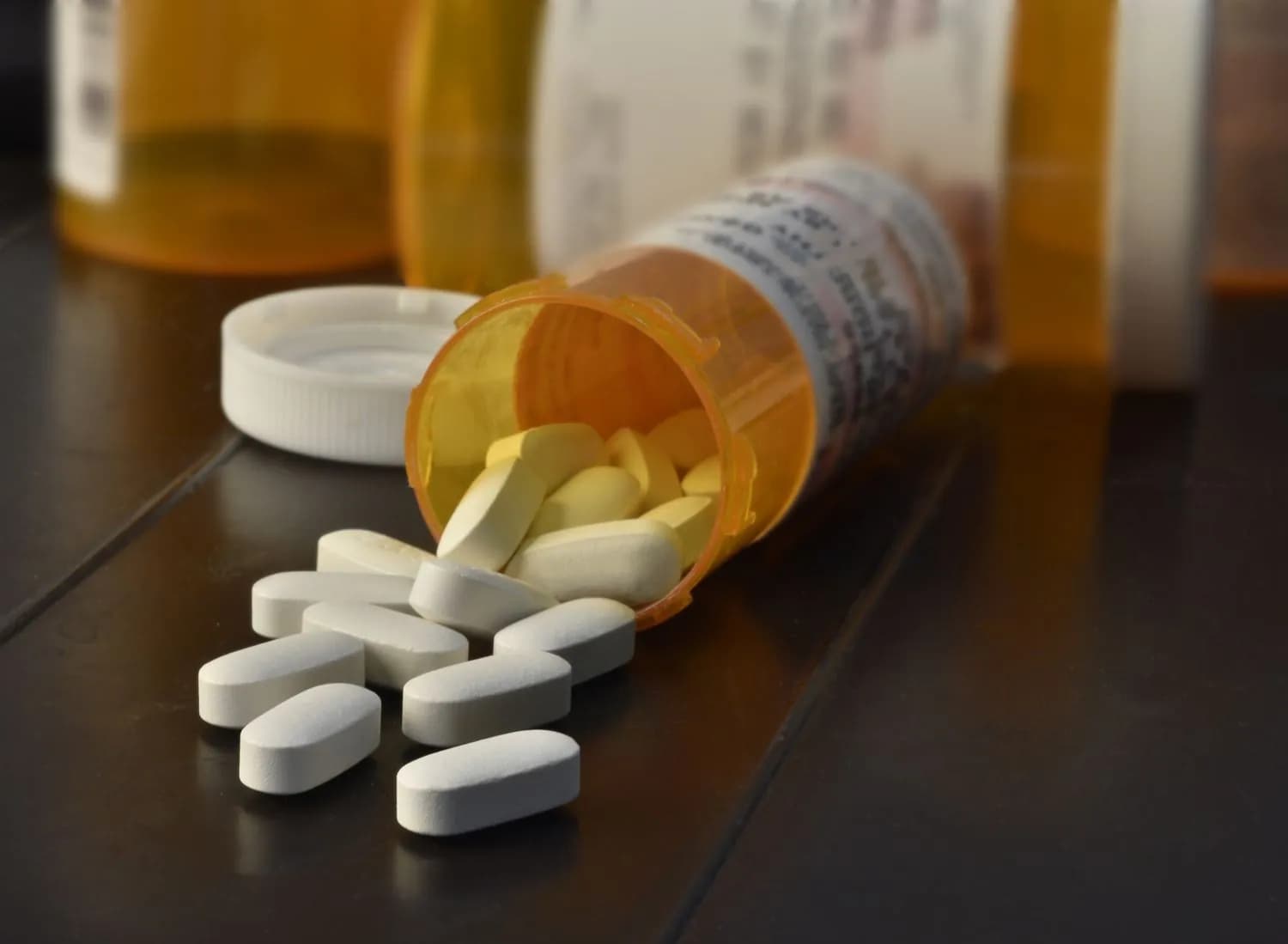
Acetaminophen, also known as paracetamol, is the safest and most widely used painkiller after a hair transplant. Aspirin, ibuprofen and naproxen can increase bleeding. For this reason, most aftercare plans avoid them during the first days of recovery.
How Much Pain Is Normal After a Hair Transplant?
Discomfort after a hair transplant is usually mild to moderate. Local anesthesia wears off a few hours after the procedure, and a sensation of tightness, soreness or throbbing follows.
The donor area often feels more tender than the recipient zone. Hundreds or thousands of small extraction points sit close together at the back of the head. Pressure on a pillow makes them more noticeable at night.
For most patients, pain peaks during the first 24 to 72 hours. It then fades steadily, and many people need no medication at all after the third or fourth day. Itching, numbness and mild tingling may continue for longer, but these sensations rarely require painkillers.
Acetaminophen (Paracetamol): The First Choice After Surgery
Acetaminophen relieves pain without affecting platelet function. This makes it the preferred option during the period when the grafts are still settling and small blood vessels are healing.
In the United States, acetaminophen is sold under brand names such as Tylenol. In Mexico, pharmacies usually label it as paracetamol, with brands such as Tempra and Tylenol on the shelves. The active ingredient is the same.
A few points help keep acetaminophen safe during recovery:
- Respect the maximum daily dose on the label and the dose in the aftercare plan.
- Check cold and flu products, because many of them also contain acetaminophen.
- Avoid alcohol, since the combination places extra strain on the liver.
- Mention any liver condition before surgery, as it may change the recommended dose.
Why Are Ibuprofen and Aspirin Avoided at First?
Ibuprofen, naproxen and aspirin belong to a group of drugs that reduce inflammation by blocking certain enzymes. The same mechanism also reduces the ability of platelets to form clots.
After a hair transplant, each graft sits in a tiny recipient channel. Good clotting helps the graft stay in place during the first days. Drugs that thin the blood can increase oozing, crusting and the risk of graft displacement.
Aspirin
Aspirin has the strongest and longest-lasting effect on platelets. A single dose can influence clotting for several days. For this reason, aftercare plans usually exclude aspirin before surgery and during early recovery.
Patients who take low-dose aspirin for heart protection should never stop it on their own. This situation needs a specific plan before the procedure date.
Ibuprofen and Naproxen
Ibuprofen (Advil, Motrin) and naproxen (Aleve, Flanax in Mexico) have a shorter effect on platelets than aspirin. Many aftercare plans still avoid them during the first days, then allow them later if swelling or soreness persists.
Prescription Painkillers After a Hair Transplant
Some patients receive a short prescription for a stronger painkiller to use on the first night. These medications are generally reserved for discomfort that acetaminophen does not control.
Stronger painkillers can cause drowsiness, nausea and constipation. They should not be combined with alcohol or sleeping pills, and driving is off the table while taking them. Most patients use them for one or two nights at most.
Leftover tablets should not go to anyone else. Proper disposal prevents accidental use at home.
What About Metamizole in Mexico?
Metamizole, also known as dipyrone, is a common painkiller in Mexican pharmacies. Brands such as Neo-Melubrina are easy to find without a prescription.
The drug is not approved in the United States because of a rare but serious effect on white blood cells. Patients from the US should not add it to their recovery on their own. It should be used only if it is part of the written aftercare plan.
Are Steroids and Antibiotics Painkillers?
Some aftercare plans include a short course of a corticosteroid to limit swelling on the forehead and around the eyes. Others include an antibiotic to lower the risk of infection.
Neither of these drugs is a painkiller. They support recovery in other ways and should be taken exactly as instructed, even when the scalp feels comfortable. Stopping an antibiotic early or doubling a steroid dose can cause problems of its own.
Supplements That Can Increase Bleeding
Several over-the-counter products affect clotting in a similar way to aspirin. These are often overlooked because they are sold as natural or wellness products.
- Fish oil and omega-3 capsules
- High-dose vitamin E
- Ginkgo biloba
- Garlic and turmeric supplements in concentrated form
Pausing these products before surgery and during the first days after is a common precaution. The pre-operative assessment should include a complete list of supplements and the results of blood tests before a hair transplant.
Non-Medication Ways to Reduce Pain and Swelling
Simple measures often reduce the need for painkillers. They work best when combined with the medication plan during the first three days.
- Sleep with the head elevated: A travel pillow and a 45-degree angle reduce pressure on the donor area and limit swelling.
- Use cold packs on the forehead: Cold compresses help with swelling, but they should never touch the grafts.
- Stay hydrated: Water supports circulation and healing, especially in a warm climate like Cancun.
- Rest: Light activity is fine, but bending, lifting and exercise can increase throbbing.
Diet also plays a role in comfort and healing. The guide on what to eat after a hair transplant covers this in detail.
Traveling Home With Medication
Many patients fly back to the United States or Canada within a few days of the procedure. Medication should travel in its original packaging, together with the written instructions from the clinic.
Carrying acetaminophen in hand luggage helps on long travel days. Prescription painkillers should stay with the prescription label, because airport checks may ask for proof.
When Is Pain a Warning Sign?
Normal post-operative pain improves day by day. Pain that follows a different pattern deserves attention.
Contact the clinic if any of the following appear:
- Pain that increases after the third day instead of easing
- Redness, warmth or pus around the grafts or donor area
- Fever or chills
- Bleeding that does not stop with gentle pressure
- Severe headache or swelling that spreads to the eyes and keeps growing
Early contact allows the team to check the scalp and adjust the plan before a small issue becomes a larger one.
Pain Management at Esthetic Hair Cancún
At Esthetic Hair Cancún, comfort planning begins before the procedure. The team reviews current medications and supplements, then explains which products to pause and when to restart them.
After the procedure, patients receive aftercare instructions that cover painkillers, sleeping position, washing and activity. The after hair transplant guide outlines the full recovery process from the first night to the final result.
Frequently Asked Questions
Can I take Tylenol after a hair transplant?
Yes, Tylenol contains acetaminophen, which is the standard painkiller after a hair transplant. It relieves pain without increasing bleeding risk.
When can I take ibuprofen after a hair transplant?
Most aftercare plans avoid ibuprofen during the first days because it affects clotting. It may become acceptable later if the written instructions allow it.
How long will I need painkillers after a hair transplant?
Most patients need painkillers for two to three days. Discomfort usually fades after that, while mild itching or numbness may last longer.
Can I drink alcohol while taking painkillers after surgery?
No, alcohol should be avoided. It strains the liver with acetaminophen and increases drowsiness with stronger painkillers.
Is it normal for the donor area to hurt more than the recipient area?
Yes, the donor area is often more tender. It contains many extraction points and takes pressure while sleeping.
Final Thoughts on Painkillers After a Hair Transplant
Acetaminophen covers the pain relief needs of most patients after a hair transplant. Aspirin, ibuprofen, naproxen and certain supplements wait until early healing is complete, because they can increase bleeding around fresh grafts.
Pain usually peaks within the first three days and then fades quickly. Following the medication plan, sleeping with the head elevated and watching for warning signs keep recovery comfortable and protect the transplanted grafts.