
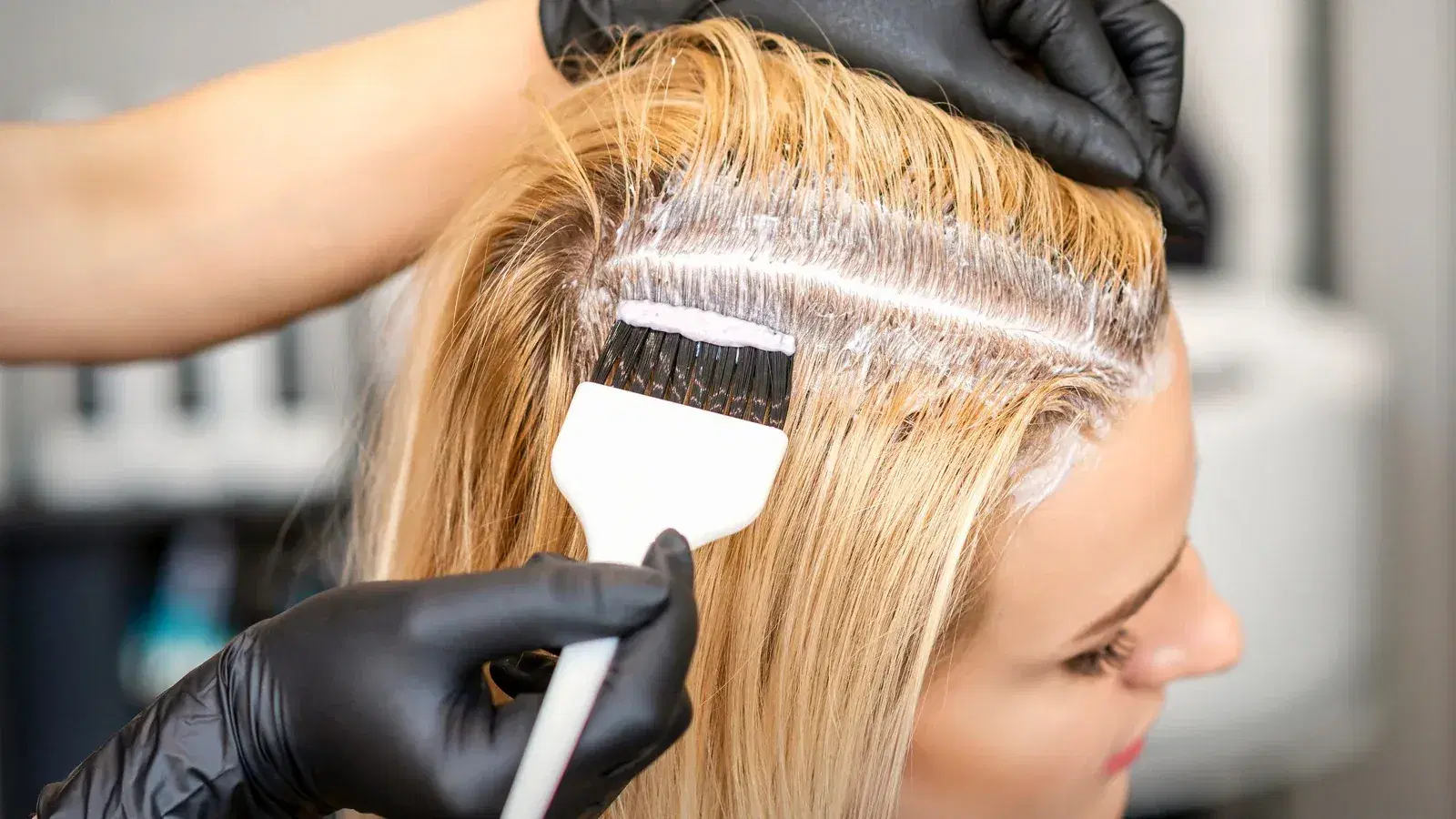
Can Bleaching Make Your Hair Thinner?
Hair bleaching can make hair look noticeably thinner, but the reason is not always a reduction in the number of functioning follicles. In many cases, the problem begins when chemical lightening weakens existing strands, causing them to break during washing, brushing or styling.
Bleaching changes the internal structure of hair to remove its natural pigment. During this process, the chemicals can also damage proteins and protective components that give the hair its strength and flexibility. As the strands become more fragile, they may lose length, develop uneven ends and provide less overall coverage.
This type of damage differs from hereditary hair loss, which gradually affects the follicles beneath the scalp. Someone experiencing bleach-related breakage may still have healthy follicles producing new strands, even though the visible hair appears increasingly sparse.
Understanding this distinction is important because damaged hair shafts and true follicular hair loss require different approaches to recovery.
How Does Hair Bleach Damage the Hair Shaft?
Hair bleaching typically involves hydrogen peroxide and alkaline ingredients that allow the lightening agents to penetrate the hair shaft. These chemicals break down melanin, the natural pigment responsible for hair color, allowing dark strands to become progressively lighter.
However, the reaction does not affect pigment alone. Bleaching can also oxidize structural proteins, alter chemical bonds and damage the cuticle, which forms the protective outer layer of each strand. When the cuticle becomes weakened, the underlying cortex becomes more vulnerable to everyday friction and environmental stress.
Repeated processing can intensify these changes. Hair may become increasingly porous, lose its natural smoothness and develop a rough texture that makes tangling more likely. Brushing through those tangles creates additional tension, especially when the strands are wet and already weakened.
The result is often a gradual increase in breakage rather than sudden hair loss from the roots. This explains why hair can initially look attractive after bleaching but become difficult to manage several weeks later.
Hair Breakage vs Hair Loss After Bleaching
Distinguishing hair breakage from genuine shedding is one of the most useful steps when evaluating thinning after bleaching. Both problems can leave more hair in a brush or shower drain, but they occur at different points in the hair's structure.
Signs of Bleach-Related Hair Breakage
Breakage occurs when a strand snaps somewhere along its length. You may notice short fragments, uneven layers, frayed ends or sections that seem unable to grow beyond a certain length.
The hair may also feel unusually rough, stretch excessively when wet or tangle more easily than before. When breakage becomes widespread, the hairstyle can lose volume even though many follicles continue producing new hair normally.
Signs of Hair Shedding From the Follicle
Hair shedding involves the release of an entire strand as part of the hair growth cycle or a condition that disrupts that cycle. Increased shedding often produces longer strands and may accompany a widening part, visible scalp or reduced density near the roots.
A significant difference is that shedding can continue even when damaged lengths are trimmed. If thinning progresses from the scalp rather than through broken ends, hereditary hair loss, telogen effluvium or an inflammatory scalp condition may be contributing.
The guide to hair breakage versus hair loss explains these differences in greater detail and helps clarify why the correct diagnosis matters before choosing treatment.
Can Hair Bleach Damage the Scalp and Hair Follicles?
Hair bleach is intended to change the color of the hair shaft, but it can also irritate the skin when the formulation comes into contact with the scalp. Strong oxidizing ingredients may cause burning, itching, redness or discomfort, particularly when the product remains on the skin for too long.
Some individuals also develop allergic reactions to ingredients used in bleaching preparations, including persulfates. These reactions can involve scalp inflammation and may extend beyond the treatment area. Severe or rapidly developing symptoms should never be treated as an ordinary part of the lightening process.
The possibility of permanent follicular damage becomes more concerning when bleaching causes a significant chemical burn. Deep skin injuries can destroy the structures responsible for producing hair and may leave scar tissue where natural regrowth becomes difficult or impossible.
However, this is not the typical outcome of routine bleaching. Most thinning associated with bleaching involves damage to the visible strands rather than destruction of healthy follicles.
Why Repeated Bleaching Increases the Risk of Thinning
Hair does not regenerate its damaged internal structure in the same way that living skin repairs itself. Once a strand emerges from the follicle, it consists primarily of nonliving keratinized material, meaning chemical damage accumulates along the existing hair.
When someone repeatedly lightens previously processed sections, the same strands experience additional oxidation and structural weakening. The risk becomes greater when bleaching is combined with frequent heat styling, permanent coloring or chemical straightening.
Previously damaged hair may initially tolerate another treatment but begin breaking during subsequent washing and brushing. Overlapping bleach applications can therefore produce uneven thinning, with some sections becoming considerably shorter than others.
Hair that was already fine, fragile or heavily processed may show these effects more quickly. The important issue is not simply how many times the hair has been bleached, but how much structural damage the existing strands have accumulated.
Is Bleaching the Roots Worse Than Getting Highlights?
Bleaching directly at the roots creates a different exposure pattern from lightening selected sections away from the scalp. Root bleaching places chemical products close to the skin, potentially increasing the risk of irritation when the formulation is unsuitable or improperly applied.
Highlights and balayage techniques may reduce direct scalp contact when the lightening product remains on selected hair lengths. However, these methods can still produce substantial shaft damage, especially when the same sections are repeatedly lightened.
The amount of lift also matters. Changing very dark hair to a significantly lighter shade may require more intensive processing than a subtle color adjustment, increasing the potential for structural weakening.
Neither technique is automatically harmless. The condition of the hair, the strength of the formulation, processing time and avoidance of previously damaged sections all influence the outcome.
What Does Bleach-Damaged Hair Look and Feel Like?
Bleach damage often becomes apparent through changes in texture before substantial thinning develops. Hair that once felt smooth may become rough, dry or difficult to detangle, while the ends can begin splitting and breaking under relatively mild tension.
Some strands develop an unusually soft or elastic texture when wet and lose their ability to return to their original shape. Others feel stiff and brittle, snapping easily when brushed or styled. Both patterns suggest that the internal structure has been affected.
Visible thinning may appear most clearly around the hairline, crown or ends, depending on where the greatest damage occurred. However, thinning that begins specifically at the roots or follows a recognizable pattern should not automatically be attributed to bleaching.
Scalp symptoms require separate attention. Persistent redness, burning, sores or tenderness suggest that the skin may be affected in addition to the hair shaft.
Is Hair Thinning From Bleaching Permanent?
Bleach-related hair thinning is generally reversible in appearance when the underlying follicles remain healthy. The damaged strands cannot fully repair themselves, but the follicles can continue producing new hair that has not been exposed to the same chemical treatment.
Recovery therefore depends on allowing new growth to replace weakened lengths while preventing further breakage. Cutting damaged ends can improve the appearance of the hairstyle, although trimming does not change how quickly hair grows from the scalp.
Permanent loss is more likely when a severe chemical injury destroys follicles and causes scarring. This is a different condition from ordinary breakage and may require medical assessment to determine whether the affected area retains the ability to produce hair.
It is also possible for bleaching to make existing androgenetic alopecia more noticeable. When hereditary thinning and chemical breakage occur together, stopping bleach may improve hair condition without reversing the underlying follicular changes.
How Long Does Hair Take to Recover After Bleaching?
The recovery timeline depends on whether the problem involves damaged lengths, temporary scalp irritation or an underlying hair loss condition. When follicles remain healthy, new strands continue growing at an average rate of approximately one centimeter per month.
Small improvements in manageability may appear within weeks after reducing chemical processing and adopting gentler hair care. However, regaining previous length and fullness takes longer because the severely damaged sections must gradually grow out or be trimmed.
For shoulder-length hair with extensive bleaching damage, complete replacement of the processed lengths may take well over a year. The improvement often becomes noticeable sooner near the roots, where new hair retains more of its natural strength.
If significant shedding continues for several months despite changes in hair care, the cause may not be limited to bleaching. Investigating other contributing factors can prevent unnecessary delays in addressing a separate hair loss condition.
How to Prevent Hair Thinning When Bleaching
Preventing damage begins before the bleaching process. The condition of the existing hair should be considered carefully, particularly when strands have already undergone coloring, straightening or repeated heat exposure.
Reduce Chemical Stress During Lightening
Choosing a less dramatic color change can reduce the need for intensive lightening. Avoiding unnecessary overlap with previously bleached hair also helps limit cumulative damage, especially around fragile ends and sections that have already lost strength.
A strand test can provide useful information about how the hair responds to a proposed treatment, while appropriate product sensitivity testing helps identify some potential reactions. Neither test guarantees that irritation or damage will be avoided, so processing instructions and exposure limits remain essential.
Bleach should never be left on the scalp longer than instructed in an attempt to achieve a lighter shade. Burning or significant discomfort requires stopping the application and rinsing the product away promptly.
Protect the Hair Between Coloring Sessions
Gentle cleansing and conditioning can help reduce friction during everyday hair care. Conditioners and suitable leave-in products improve manageability, making the hair less likely to break when detangled.
Limiting flat irons, curling tools and very hot blow-drying is particularly important after bleaching. Repeated heat exposure can intensify existing weakness, even when the hair appears smoother immediately after styling.
Allowing sufficient time between chemical treatments and avoiding tight hairstyles also reduces unnecessary tension on fragile strands. The goal is to preserve the hair that remains rather than repeatedly subject it to additional processing.
How to Care for Hair That Is Already Breaking
When bleaching has caused significant breakage, the first priority is to prevent additional damage. Continuing to bleach fragile sections can worsen the problem, particularly when the ends are already splitting or snapping during ordinary handling.
A consistent routine using mild shampoo, conditioner and a suitable leave-in treatment can help improve the feel of the hair. Protein-containing or bond-building products may temporarily strengthen or improve the behavior of damaged fibers, but they cannot return severely compromised strands to their original untreated condition.
Detangling should begin at the ends and progress gradually toward the roots, using minimal force. Reducing friction from aggressive towel drying, tight accessories and repeated brushing can also help preserve vulnerable sections.
When damage is extensive, trimming the weakest lengths may be necessary to improve the appearance and prevent ongoing splitting. New growth offers the strongest foundation for restoring healthy-looking hair over time.
When Should You See a Dermatologist for Hair Loss After Bleaching?
Hair thinning after bleaching deserves medical attention when it involves sudden shedding from the roots, expanding bald patches or persistent changes in scalp density. These patterns may reflect a follicular condition rather than damage limited to the hair shaft.
Scalp burning, blistering, open wounds or substantial pain after chemical exposure require prompt assessment because untreated chemical injuries can lead to complications. Rapid swelling, breathing difficulty or other signs of a severe allergic reaction require emergency medical care.
A dermatologist can examine the scalp and hair shafts to determine whether the problem involves breakage, inflammation or a separate form of alopecia. This evaluation may also identify conditions that became noticeable around the same time as the bleaching treatment.
Understanding the signs that hair loss needs a dermatologist's attention can help distinguish cosmetic damage from symptoms that require diagnosis and treatment.