
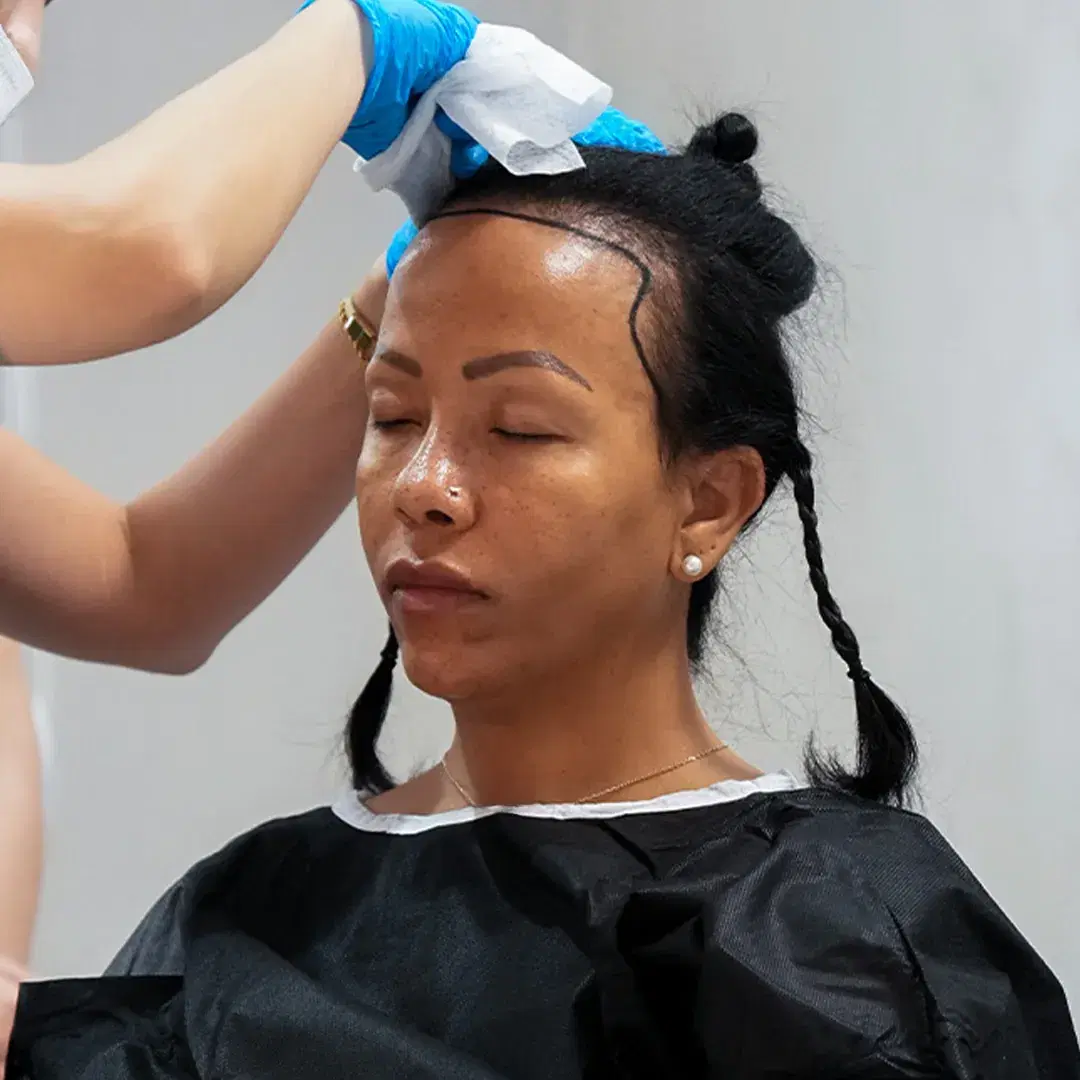

Hair transplant for women
Female hair transplant has changed the game for women dealing with thinning hair or visible scalp. If hair loss has been messing with your confidence, you’re not alone. Thanks to modern techniques, women can now achieve natural, dense results without obvious scars or drastic changes. This treatment is no longer a last resort. It’s a smart, proven solution when done right.

Causes
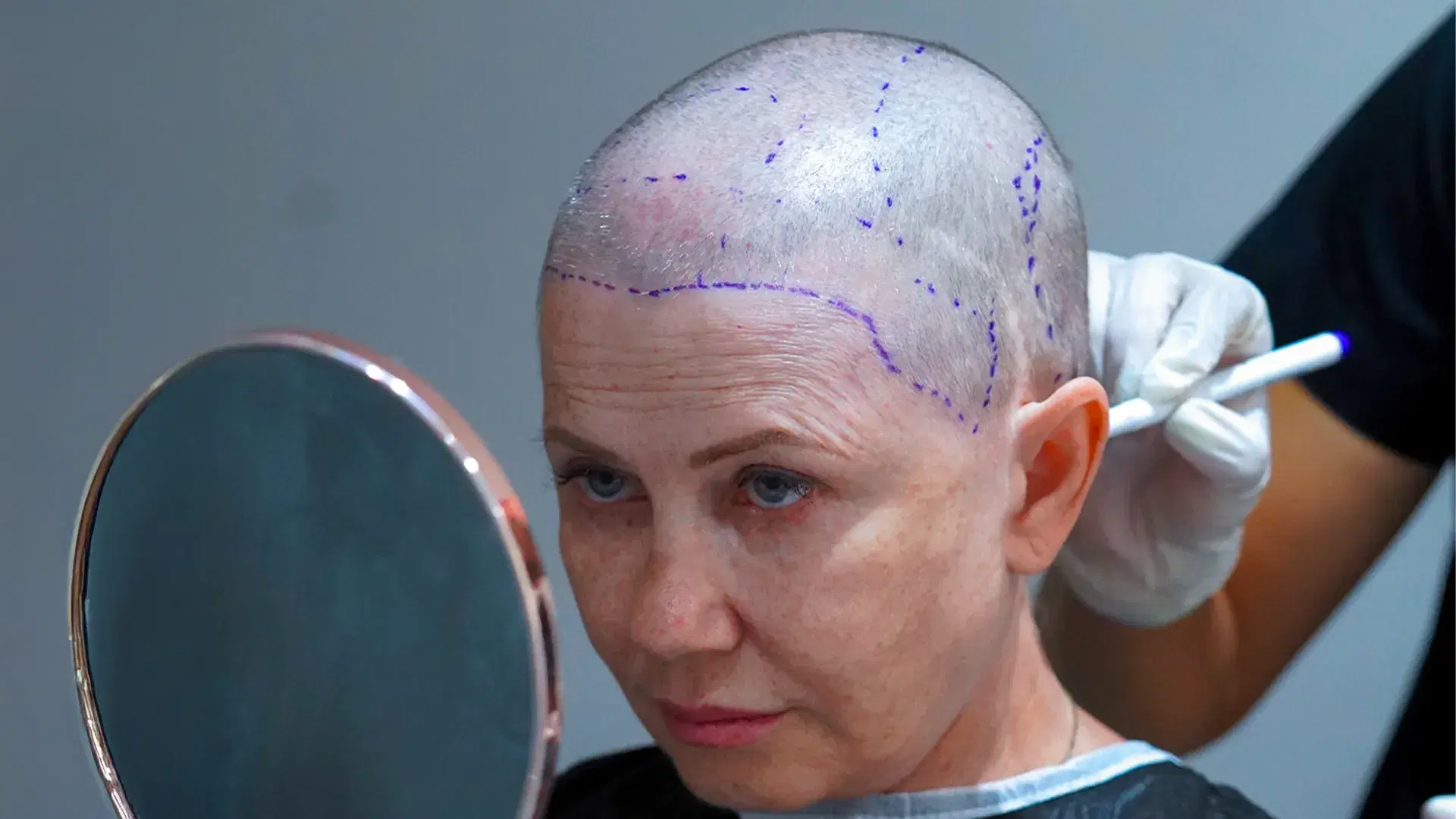
Hair loss in women does not follow a single predictable pattern. It can appear gradually as thinning or suddenly as excessive shedding. Identifying the underlying cause is essential before deciding whether a hair transplant for women or a non surgical solution is the most appropriate option.
Female pattern hair loss is the most common reason for thinning. It usually presents as reduced density at the crown or a widening part line rather than a receding hairline. This condition is strongly linked to genetics and hormonal sensitivity, particularly to androgens. Over time, affected follicles gradually shrink, producing finer and shorter hairs.
Hormonal fluctuations can significantly impact the hair growth cycle. Pregnancy, menopause, thyroid disorders, and polycystic ovary syndrome may trigger noticeable shedding. In many cases, hair loss occurs when hormone levels shift suddenly, disrupting the normal growth and rest phases of the follicles.
Physical or emotional stress can push hair follicles into the shedding phase prematurely. Poor nutrition, rapid weight loss, iron deficiency, or certain medications may also weaken hair quality. While some cases are temporary, prolonged lifestyle imbalances can lead to ongoing thinning.
Certain medical conditions require careful diagnosis before treatment planning. Alopecia areata can cause sudden patchy hair loss, while autoimmune disorders and scalp infections may result in diffuse thinning. Early medical evaluation helps prevent further progression and supports targeted treatment.
Tight ponytails, braids, frequent heat styling, and chemical treatments can damage hair over time. Continuous tension on the scalp may lead to traction alopecia, especially around the hairline. Gentle hair care and protective styling are important to preserve follicle health.
Understanding the specific cause of hair loss is the first step toward choosing the right treatment strategy and protecting long term hair density.

Women
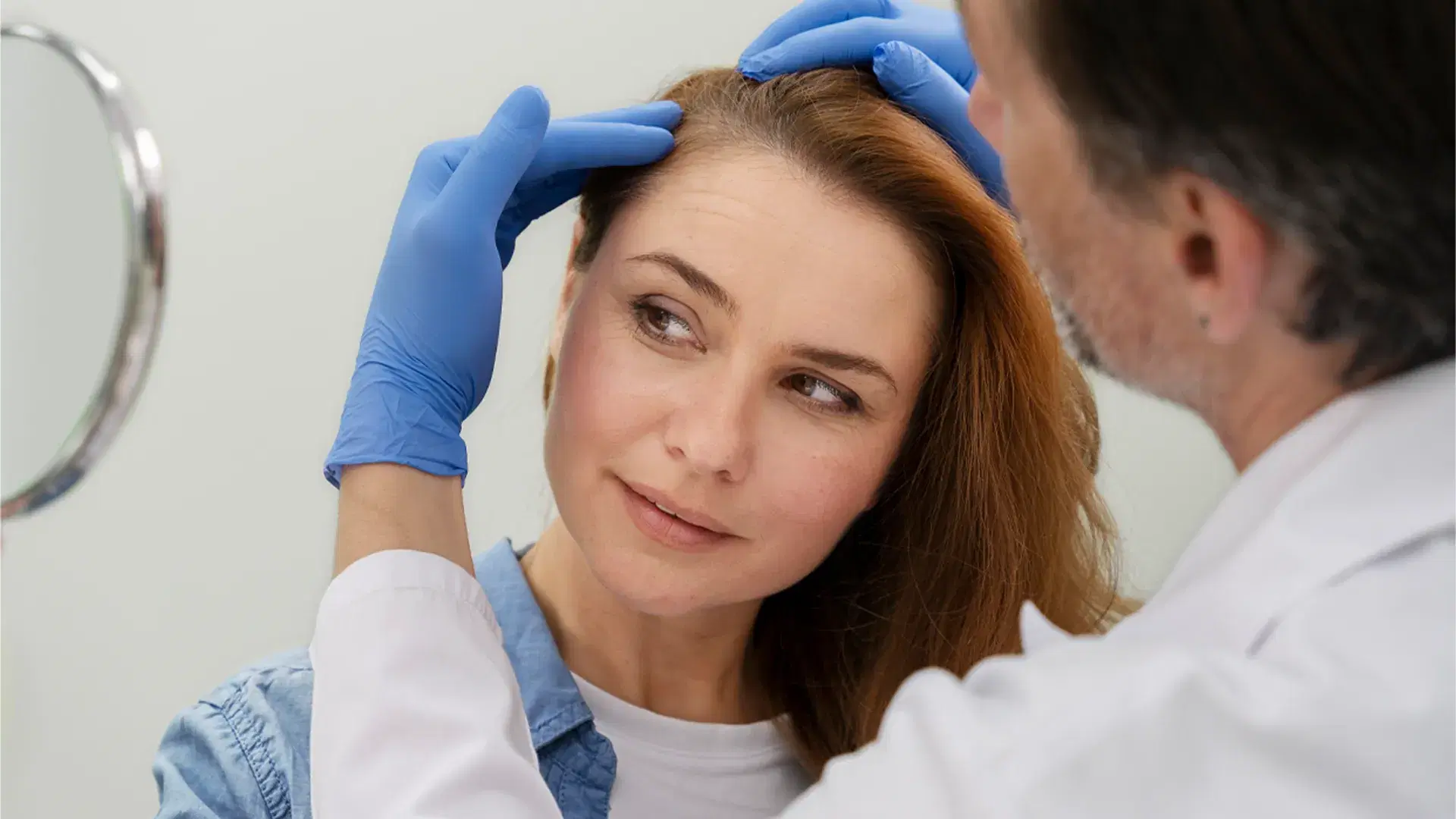
Yes, women can get a hair transplant, but candidacy depends on the type and pattern of hair loss. Unlike men, women often experience diffuse thinning across the scalp rather than clearly defined bald areas. This means a detailed medical evaluation is essential before deciding on surgery.
Women with stable donor areas at the back of the scalp and localized thinning at the crown or hairline are often good candidates. In these cases, healthy follicles can be safely extracted and implanted into areas with reduced density.
However, if hair loss is caused by active medical conditions, severe hormonal imbalance, or widespread diffuse thinning without a strong donor zone, non surgical treatments may be recommended first. Stabilizing hair loss is always the priority before considering transplantation.
With proper assessment and personalized planning, hair transplant for women can provide natural density improvement and long term results. The key is choosing the right technique and an experienced medical team that understands female hair patterns and aesthetic design.

DHI Method
At Esthetic Hair, we only use the DHI (Direct Hair Implantation) method because it provides natural outcomes and minimizes trauma to existing hair.
Using a Choi pen implanter, hair follicles are extracted and directly implanted into the thinning areas without opening channels. This reduces hair damage, speeds up recovery, and ensures the new hairs blend smoothly with existing strands.
DHI requires no shaving, which makes it perfect for women who prefer to keep their existing length. It’s also less invasive, causes minimal scarring, and ensures faster recovery. The results appear more natural because each hair is implanted at the right angle and direction.

Procedure Timeline
Understanding what happens on the day of the female hair transplant helps reduce anxiety and sets clear expectations. The procedure is carefully planned and designed to keep you comfortable throughout.
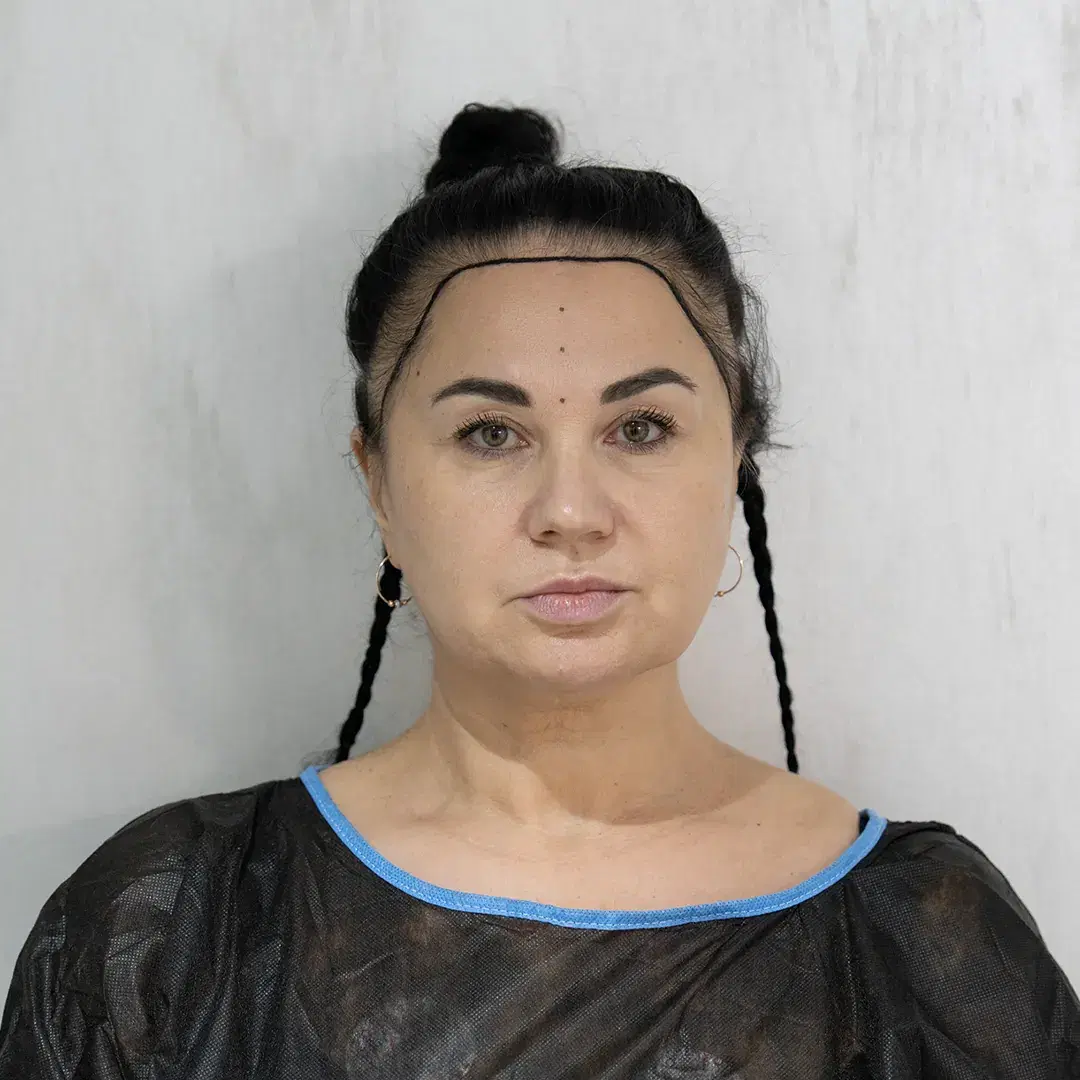
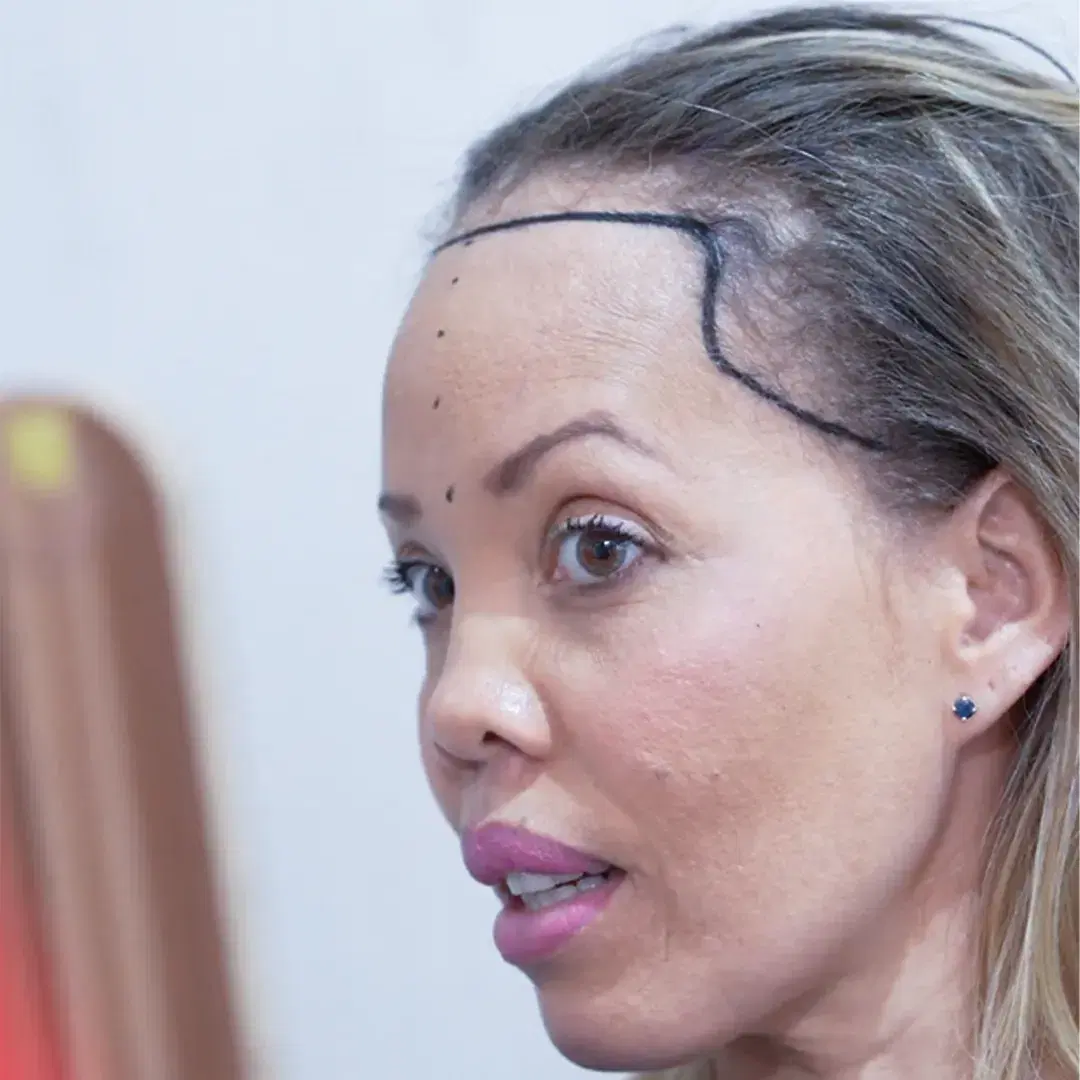
On the day of the transplant, your scalp is examined once again and the hairline and target areas are carefully designed to match your natural hair pattern. Local anesthesia is applied, so you remain awake but feel no pain during the procedure.
Healthy hair follicles are gently extracted from the donor area, usually the back of the scalp where hair is naturally more resistant to thinning. This step is done with precision to protect surrounding hair and avoid visible thinning.
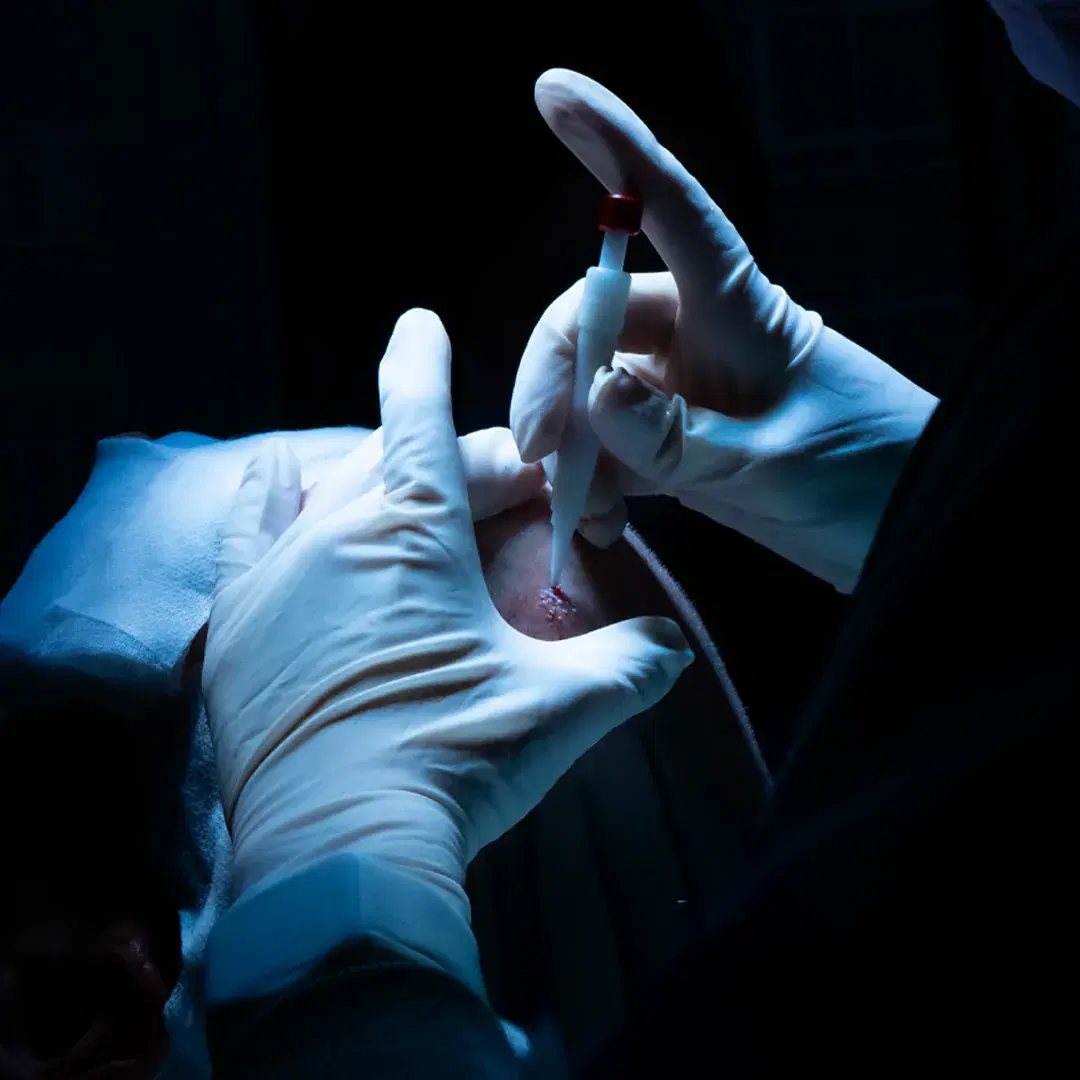
Using the DHI method, the extracted follicles are implanted directly into the thinning areas with a special implanter pen. This allows full control over the angle, direction, and depth of each hair, creating a soft, natural look. Existing hair remains untouched, which is especially important for women.
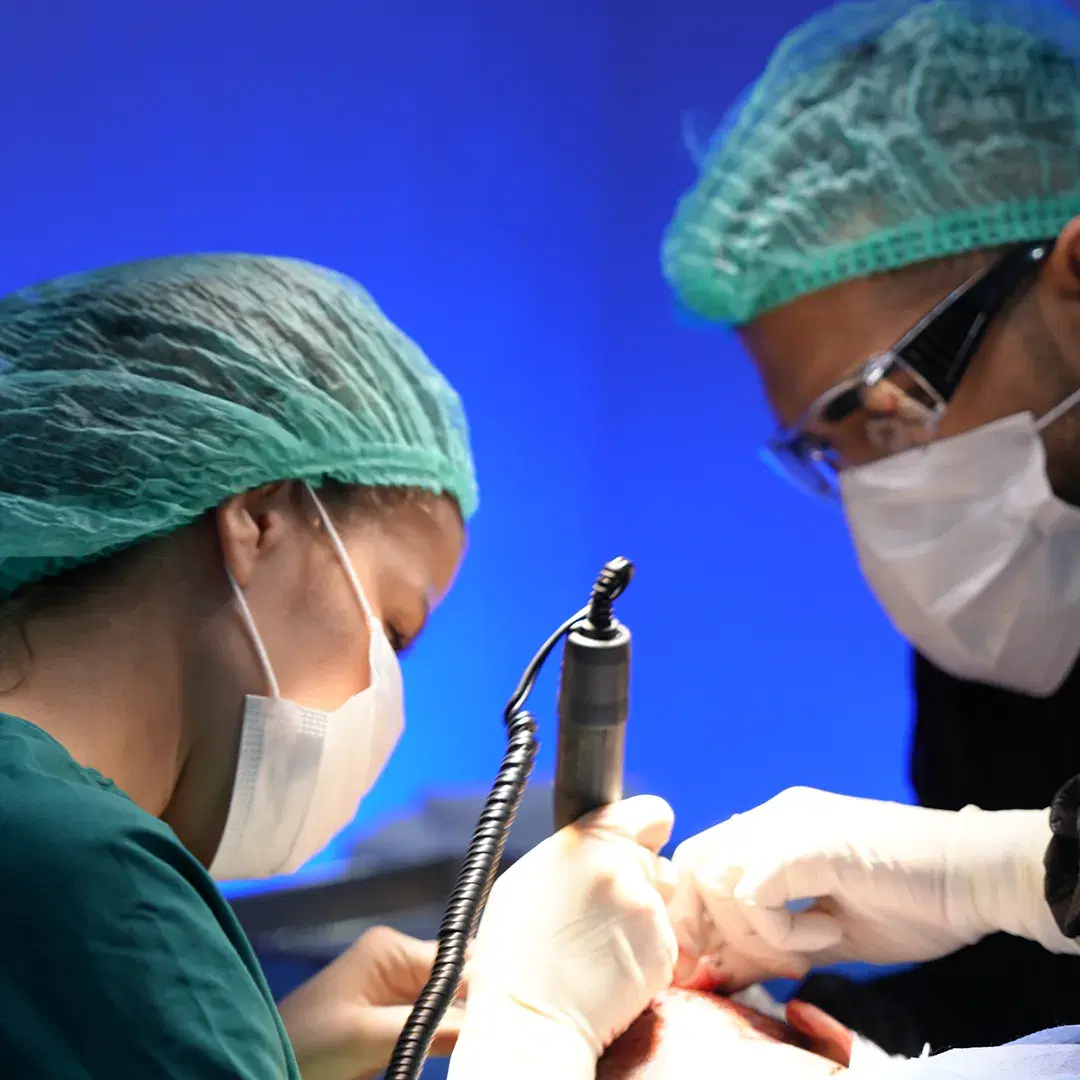
The entire procedure typically lasts several hours depending on the number of grafts. You can relax, listen to music, or take short breaks if needed. Most patients describe the experience as comfortable and stress-free.
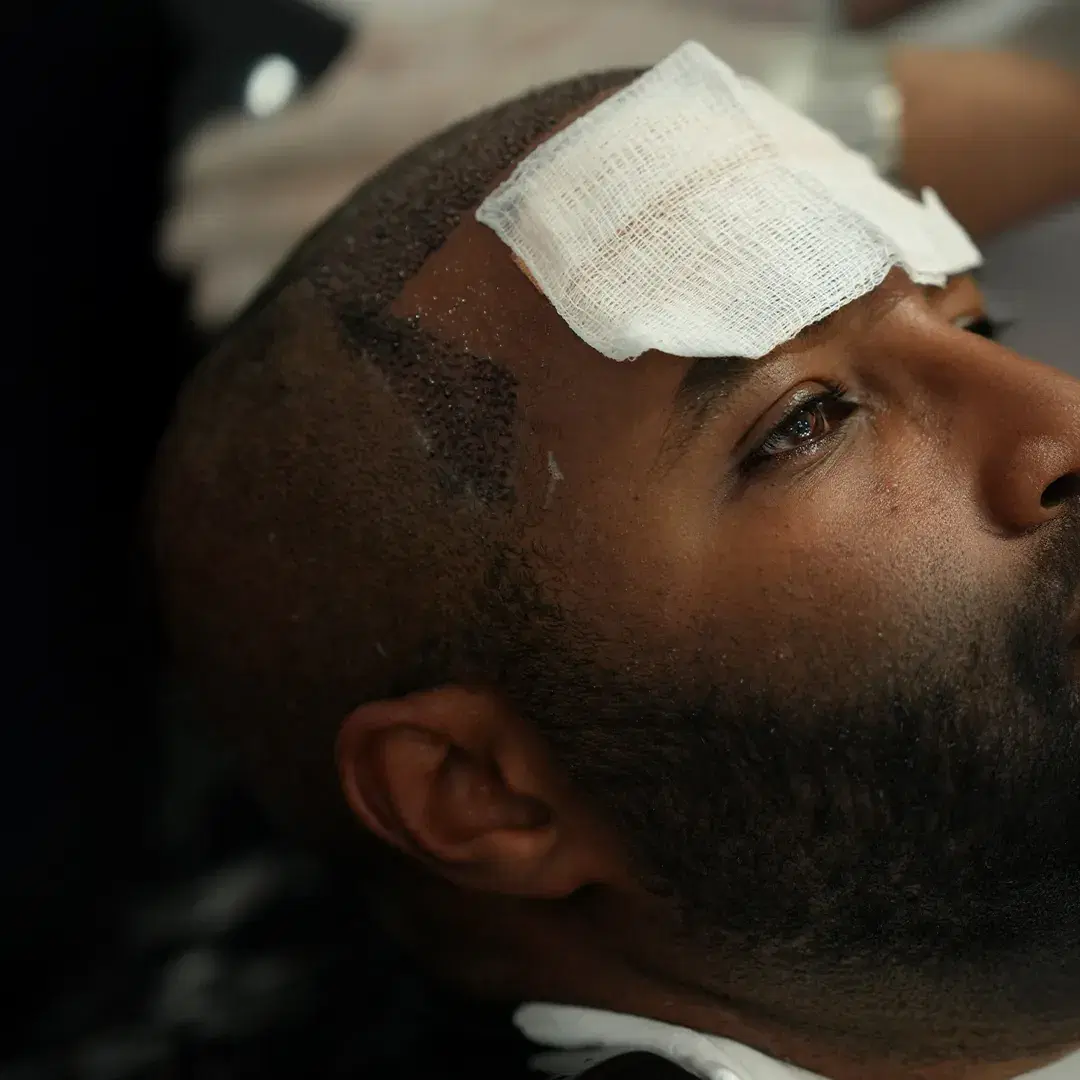
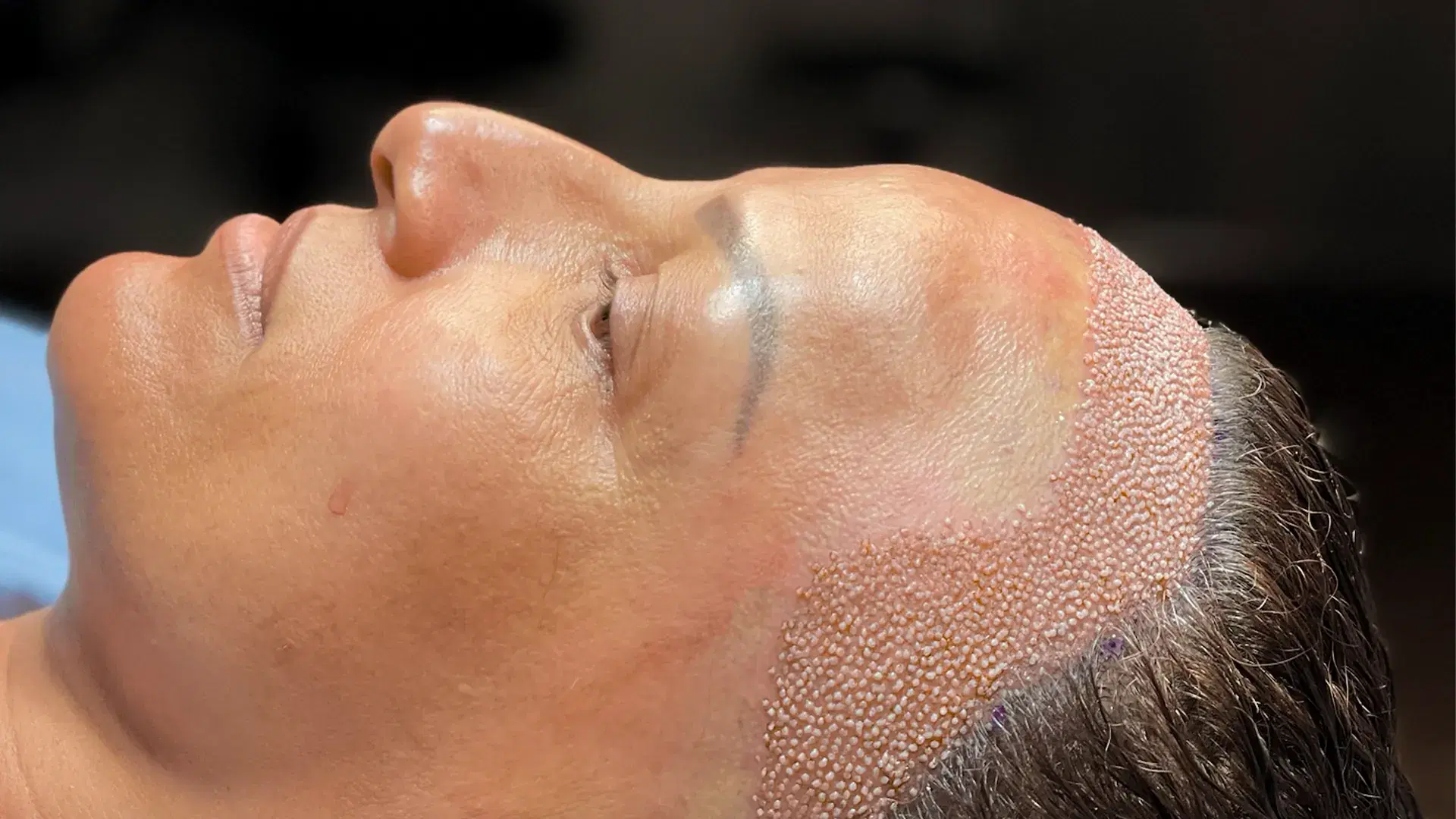
Once implantation is complete, the scalp is cleaned and checked. Mild redness or sensitivity is normal, but there is no severe pain. You receive clear aftercare instructions before leaving the clinic.
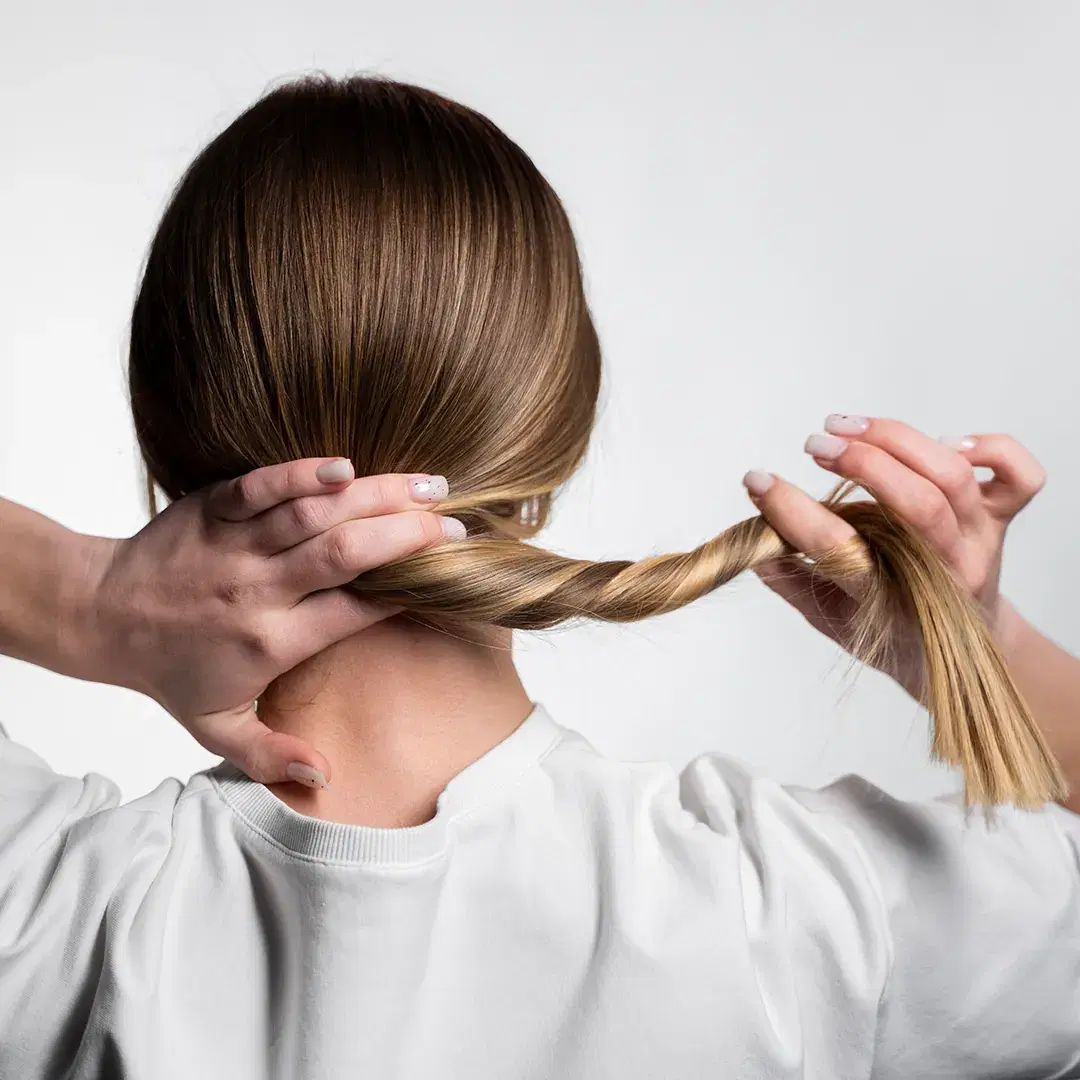
You can return to your hotel the same day. Swelling is minimal, and most women feel comfortable resuming light daily activities within a short time, especially with unshaven DHI procedures.
On the day of the transplant, your scalp is examined once again and the hairline and target areas are carefully designed to match your natural hair pattern. Local anesthesia is applied, so you remain awake but feel no pain during the procedure.
Healthy hair follicles are gently extracted from the donor area, usually the back of the scalp where hair is naturally more resistant to thinning. This step is done with precision to protect surrounding hair and avoid visible thinning.
Using the DHI method, the extracted follicles are implanted directly into the thinning areas with a special implanter pen. This allows full control over the angle, direction, and depth of each hair, creating a soft, natural look. Existing hair remains untouched, which is especially important for women.
The entire procedure typically lasts several hours depending on the number of grafts. You can relax, listen to music, or take short breaks if needed. Most patients describe the experience as comfortable and stress-free.
Once implantation is complete, the scalp is cleaned and checked. Mild redness or sensitivity is normal, but there is no severe pain. You receive clear aftercare instructions before leaving the clinic.
You can return to your hotel the same day. Swelling is minimal, and most women feel comfortable resuming light daily activities within a short time, especially with unshaven DHI procedures.

Result
Most women can return to their daily routines within a few days. New hair begins to grow gradually within 3 to 4 months, with full results visible after about a year.
Follow your doctor’s post-care instructions carefully.
Avoid direct sunlight and heat exposure for the first few weeks.
Use mild, recommended hair products to protect new grafts.
Maintain a healthy lifestyle to support long-term growth.
For complete recovery instructions, read our guide on after hair transplant care.
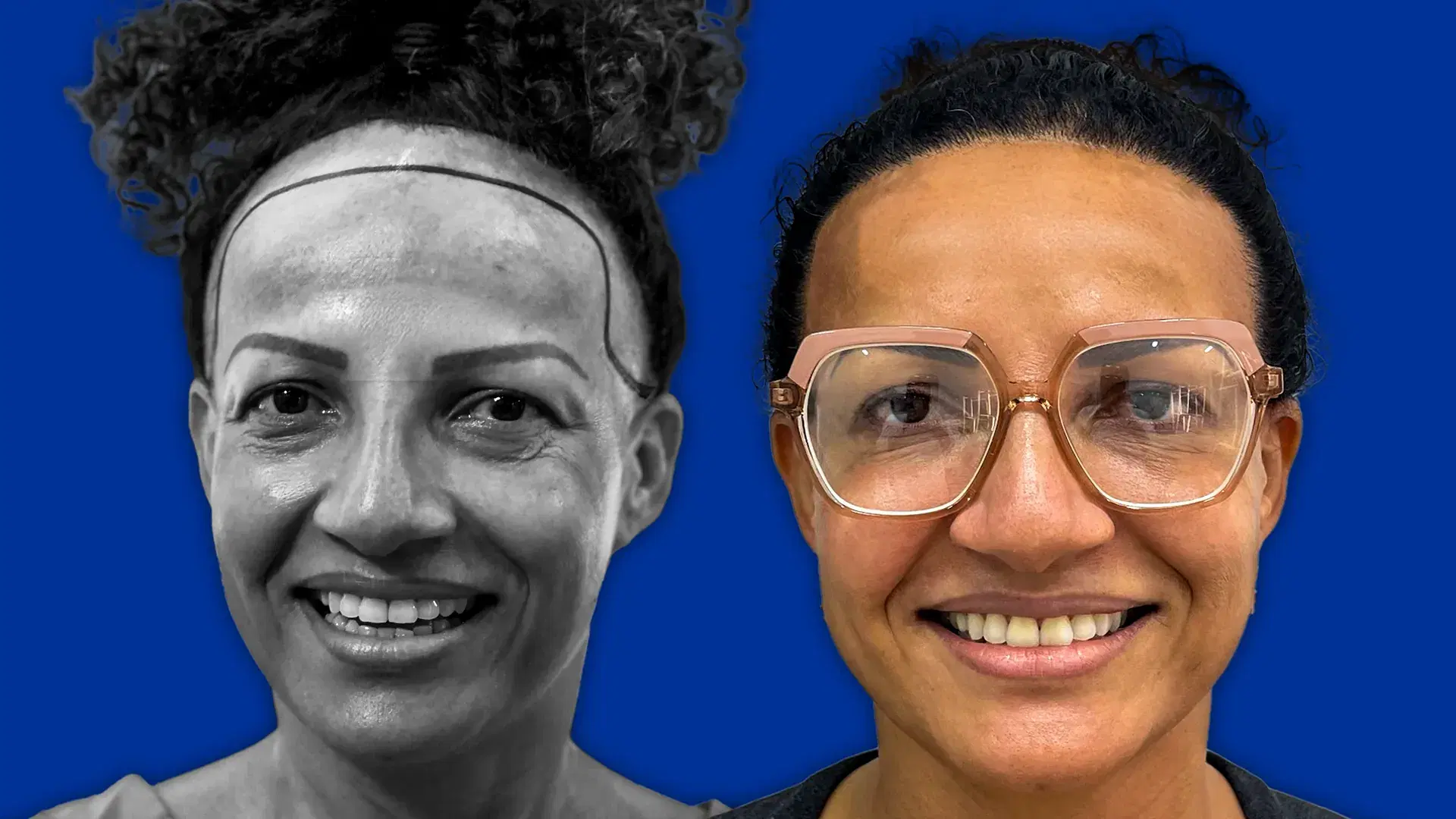
Female hair transplant cost varies depending on medical complexity, transplant technique, and individual treatment goals. Since women often experience diffuse thinning rather than complete bald areas, planning and density design require a customized approach. Below are the main factors that influence pricing.
The total graft count is one of the primary cost factors. Some women need focused density improvement along the part line, while others require broader crown coverage. A higher graft number increases surgical time and detailed implantation work.
The chosen method, such as FUE or DHI, directly affects pricing. DHI is often preferred for women because it allows precise implantation without full shaving in many cases. This advanced and time intensive technique may increase overall cost compared to standard approaches.
Female hair transplant requires careful angle control and natural density distribution. An experienced surgeon who understands female hairline design and diffuse thinning patterns plays a critical role in achieving natural results. Clinics with specialized expertise may reflect this in their pricing.
Some treatment plans include PRP sessions, medications, aftercare products, or comprehensive follow up support. All inclusive packages that provide consultation, medical tests, and accommodation may also affect total cost.
Location significantly impacts pricing. In the US and Europe, higher labor and operational expenses often result in premium price ranges. In Turkey, optimized medical infrastructure allows advanced procedures at more competitive rates without compromising safety or quality standards.
At Esthetic Hair in Istanbul, female hair transplants are performed by experienced specialists using modern techniques in fully equipped medical facilities. Affordable pricing is based on lower operational costs rather than reduced quality, offering women access to high standard treatment with transparent planning.

Hair Therapy
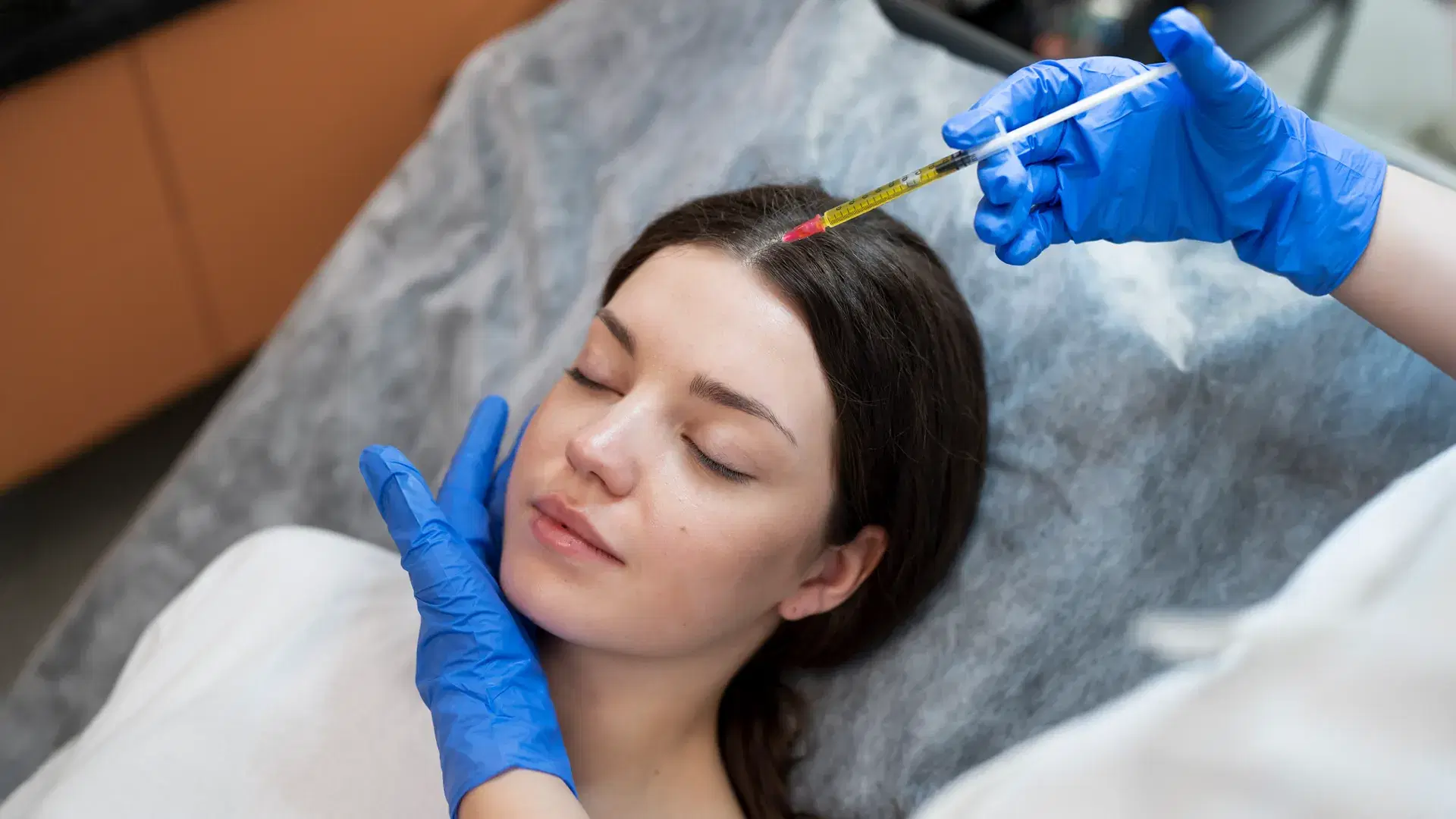
For women in the early stages of hair loss, non surgical therapies can help reduce shedding, improve scalp condition, and strengthen existing follicles. These treatments may be used alone or combined with a female hair transplant to support better long term results.
PRP involves injecting platelet rich plasma derived from the patient’s own blood into the scalp. The growth factors help stimulate weakened follicles and encourage stronger, healthier hair growth.
Mesotherapy delivers vitamins, minerals, and amino acids directly into the scalp. This targeted nourishment supports hair strength and may improve overall density.
Stem cell based treatments focus on regenerating and activating dormant follicles. This advanced approach aims to enhance natural hair production and improve thickness.
Red light therapy uses low level laser energy to stimulate cellular activity in hair follicles. With regular sessions, it may help increase hair vitality and reduce ongoing shedding.
Ozone therapy improves oxygen supply and blood circulation in the scalp. A healthier scalp environment can support stronger follicle function and hair growth.
The right therapy depends on the cause and stage of hair loss, making professional evaluation essential before choosing a treatment plan.

FAQ